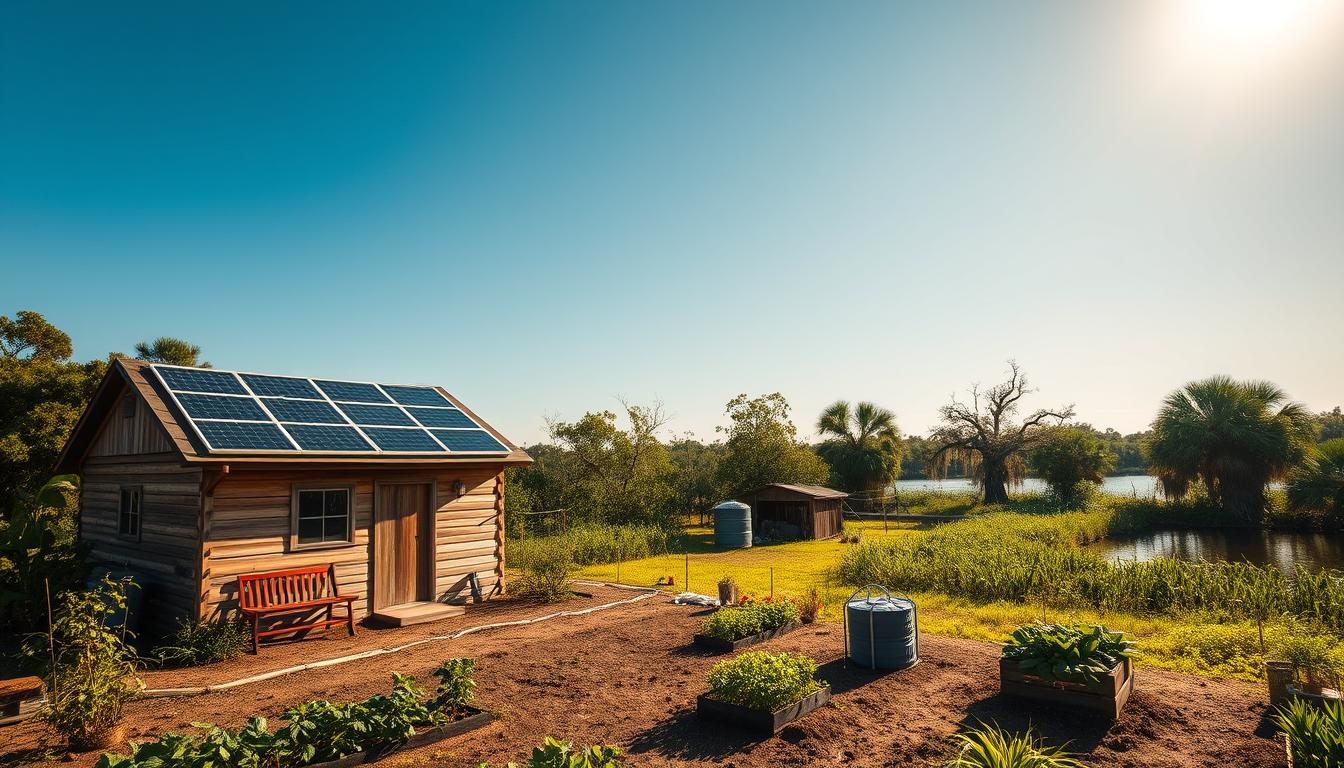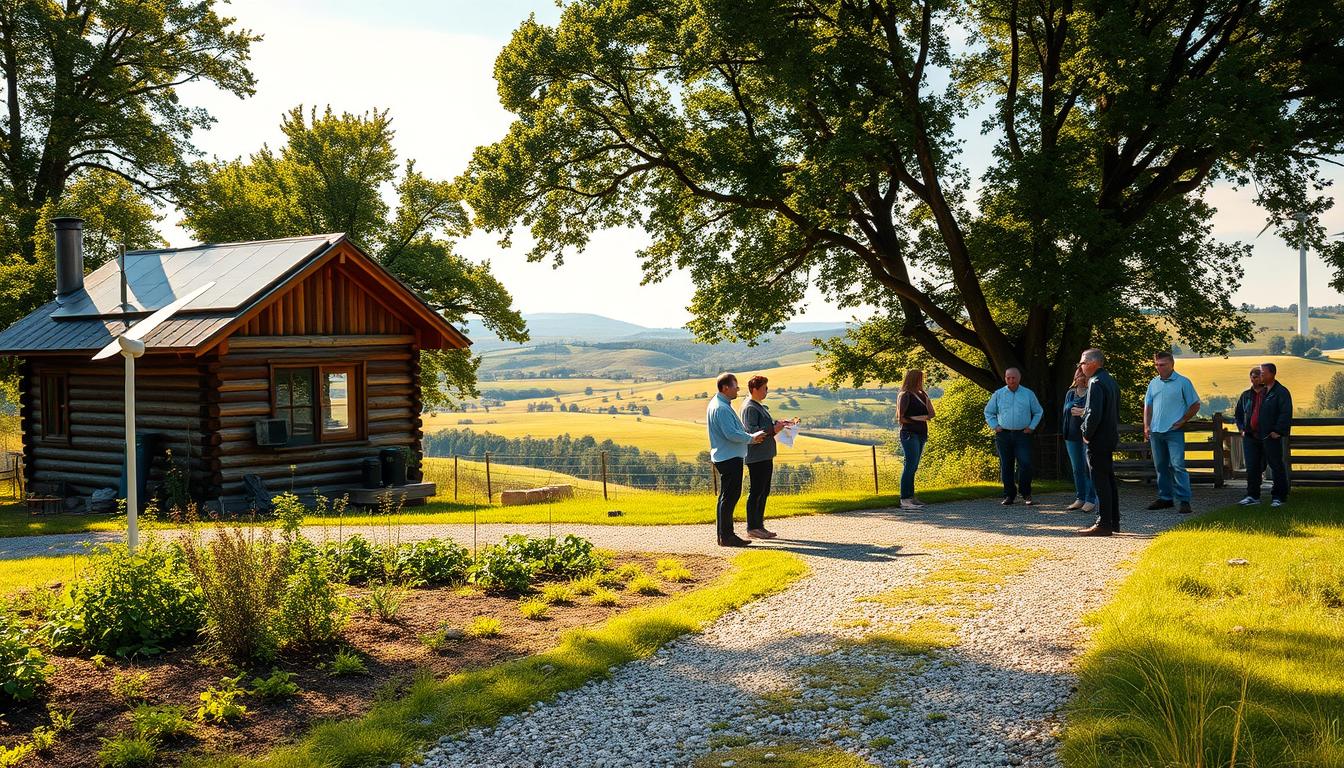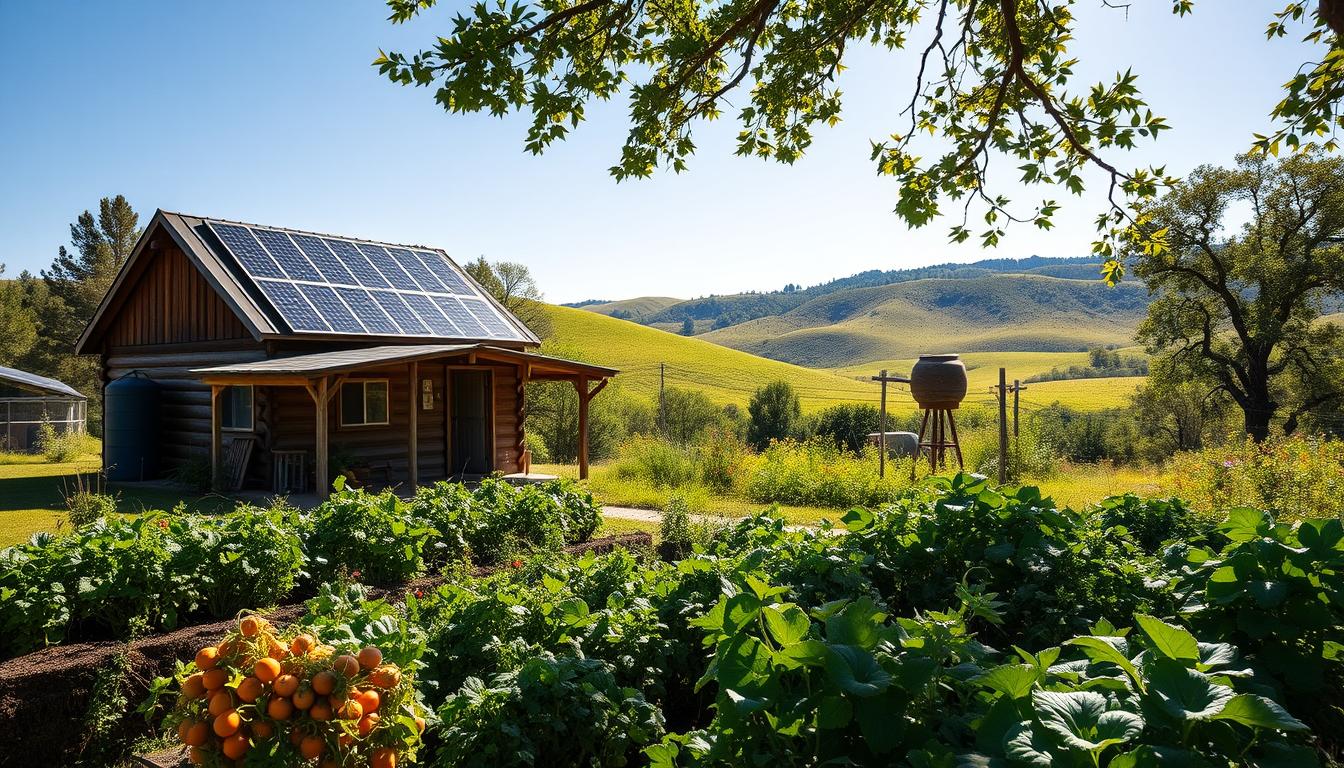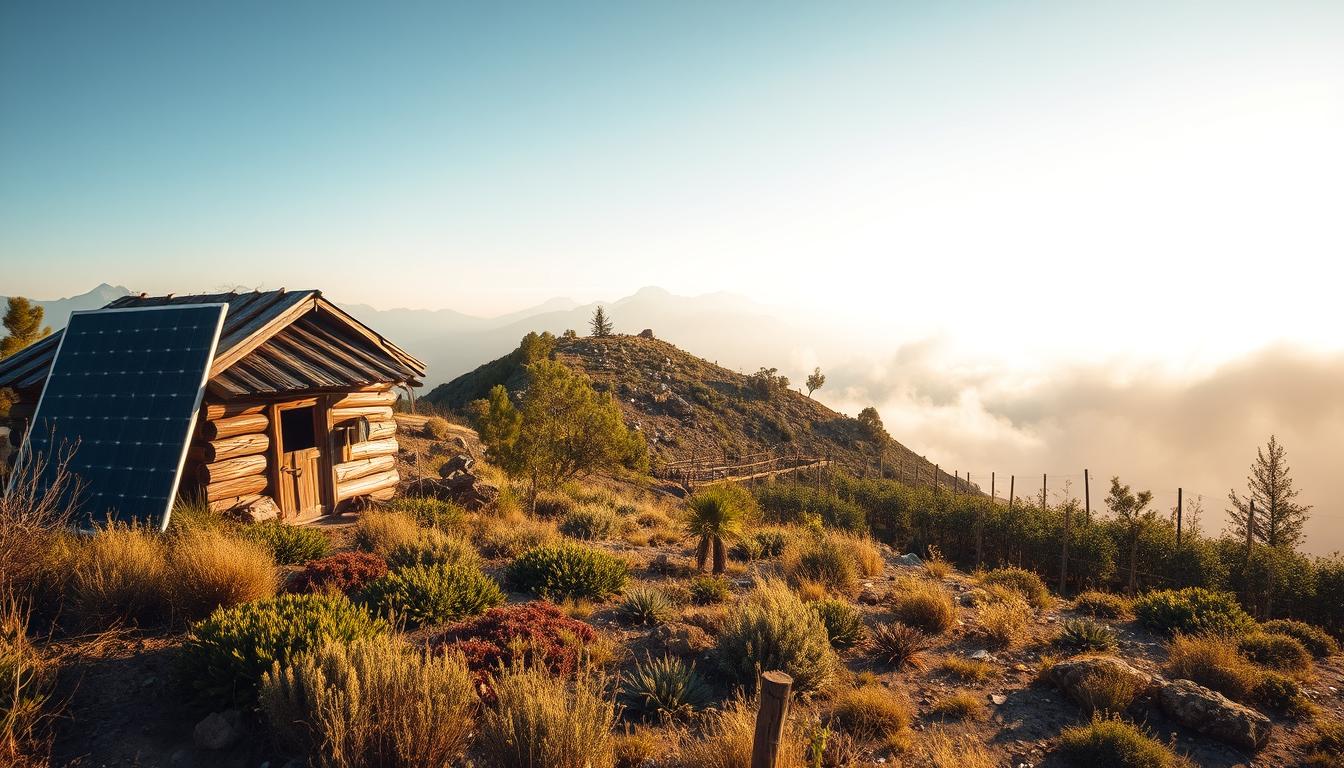
Off-grid living is getting more popular. People and families want to live more self-sufficiently and sustainably. But, some states are better for this lifestyle than others.
Thank you for reading this post, don't forget to subscribe!A study found that affordability, climate, and laws are key. These factors help decide if a state is good for off-grid living.
Off-grid living challenges differ across the U.S. Some states are harder than others. High costs, strict laws, and few natural resources make it tough.
In this article, we’ll look at what makes a state hard for off-grid living.
Key Takeaways
- Affordability is a key factor in determining a state’s suitability for off-grid living.
- Climate sustainability plays a critical role in off-grid living.
- Legal regulations can significantly impact off-grid living.
- States with limited natural resources are less suitable for off-grid living.
- High costs can make off-grid living challenging.
What Makes Off-Grid Living Challenging
Living off the grid sounds great, but it’s not easy. You face legal, environmental, and money issues. It needs self-sufficiency, sustainability, and toughness, but it’s not simple.
Legal and Regulatory Factors
Legal rules can stop you from living off the grid. Zoning laws, building codes, and permits are big hurdles. Some places won’t let you use your own energy sources.
Environmental and Climate Considerations
Weather and nature are key when choosing off-grid living. Bad weather, scarce resources, and rules can be tough. Places with extreme weather need special plans and gear.
Economic and Practical Obstacles
Money and practical issues also block off-grid dreams. Land is expensive, energy sources are scarce, and getting permits is costly. Starting off-grid can cost a lot.
Here’s a look at how different states compare:
| State | Zoning Laws | Renewable Energy Resources | Land Cost |
|---|---|---|---|
| California | Strict | High | Very High |
| Texas | Lenient | High | Moderate |
| New York | Strict | Low | High |
The Worst States for Off Grid Living and Why
Some states are tough for off-grid living. You need to be self-sufficient and use renewable energy. But, some places have laws and conditions that make it hard.
California: Regulatory Nightmare
California has strict laws for off-grid living. Building codes, water rules, and energy laws are strict. Getting permits can take a long time.
New Jersey: High Density and Strict Zoning
New Jersey is crowded and has strict zoning. It’s hard to find land for off-grid living. The state’s land prices are very high. You can learn more at America’s Best and Worst States for Off-Grid.

Hawaii: Isolation and Cost Barriers
Hawaii is far away and expensive for off-grid living. It’s hard to get materials and equipment. This makes off-grid living more costly.
Connecticut: Land Costs and Building Restrictions
Connecticut is pricey for land and has strict building rules. It’s hard to build off-grid homes because of these laws.
Rhode Island: Space Limitations and Regulations
Rhode Island has little space and strict rules. The land prices are very high. This makes it hard to afford land for off-grid living.
In summary, these states are hard for off-grid living. It’s because of laws, environment, and money issues.
Legal Barriers in Challenging States
Off-grid living faces legal hurdles in different states. Knowing these obstacles is key for those wanting a self-sufficient life.
Building Code Restrictions
Building codes affect off-grid living a lot. In places like California, strict codes make building off-grid homes hard. They might require materials or designs not good for off-grid living.
Water Rights and Collection Laws
Getting water is vital for off-grid living. But, laws on water rights and collection can be tough. For example, some states limit rainwater collection. It’s important to know these laws for off-grid water systems.
Minimum Square Footage Requirements
Minimum square footage rules can be a problem. In places like New Jersey, laws require homes to be a certain size. This makes it hard to build small homes typical of off-grid living.
Mandatory Utility Connections
Some places require homes to connect to public utilities. This can be a big problem for off-grid living. It forces people to use the grid even if they don’t want to.
| State | Building Code Restrictions | Water Collection Laws | Mandatory Utility Connections |
|---|---|---|---|
| California | Strict building codes | Restrictions on rainwater harvesting | Required connections in some areas |
| New Jersey | Minimum square footage requirements | Limited restrictions | Mandatory connections |
| Hawaii | Environmental regulations | Water conservation laws | Required utility connections in urban areas |
It’s important to know the legal challenges of off-grid living. By understanding building codes, water laws, size rules, and utility needs, you can better plan your off-grid life.
Environmental Challenges by Region
Off-grid living faces big challenges in different areas. These challenges affect how sustainable and self-sufficient we can be. It’s key to know these issues to find ways to solve them.
Extreme Weather Vulnerabilities
Off-grid homes are at risk from extreme weather like hurricanes, droughts, and wildfires. Places like Florida and Louisiana often get hit by hurricanes. These storms can harm buildings and stop energy from being made. Building strong and well-designed homes is vital to survive these harsh weather conditions.
Water Scarcity Issues
Water is hard to find in off-grid living, mainly in dry areas. Arizona and Nevada have big water problems. It’s important to use water wisely and find ways to collect and save it. Managing water well is a big challenge in off-grid living.
Poor Soil Quality for Self-Sufficiency
Poor soil makes it hard to grow food in off-grid living. Places with bad soil need new ways to farm like hydroponics or growing in containers. This is tough in areas with few resources.
Limited Solar and Wind Energy
Renewable energy like solar and wind is key for off-grid living. But, some places don’t have enough of these resources. For example, areas with lots of clouds or little wind need other ways to make energy.
| Region | Environmental Challenge | Impact on Off-Grid Living |
|---|---|---|
| Arizona, Nevada | Water Scarcity | Limited water for drinking and farming |
| Florida, Louisiana | Extreme Weather (Hurricanes) | Damage to buildings and energy issues |
| Regions with poor soil | Poor Soil Quality | Hard to grow food |
Economic Factors That Hinder Off-Grid Living
Off-grid living is more than just leaving public utilities behind. It also means facing tough economic hurdles. Knowing these financial challenges is key to making this lifestyle work.
High Property Tax Burdens
One big challenge is the high property taxes. Even off-grid, you must pay these taxes. They can be very expensive. A study shows property taxes change a lot based on where you are https://pmc.ncbi.nlm.nih.gov/articles/PMC10245072/.
Expensive Land Acquisition Costs
Buying land for off-grid living can be very pricey. The cost of rural or undeveloped land goes up in good climates or near resources.
Costly Permitting Processes
Getting permits for off-grid homes is also expensive. The process includes big fees and strict rules. This adds to the cost.
Limited Access to Resources and Markets
Off-grid folks often face trouble getting to markets and resources. Being far from cities makes things more expensive.

It’s important to know these economic hurdles before going off-grid. Being aware helps you prepare financially and make smart choices for your lifestyle.
[link-whisper-related-posts]Conclusion
Knowing the worst states for off-grid living is key for those wanting a self-sufficient life. States like Rhode Island, New Jersey, Massachusetts, Alaska, and Illinois face big challenges. These include high costs, strict laws, and scarce natural resources.
To live off-grid well, you must think about laws, the environment, and money. For example, researching the best and worst states helps make smart choices. It helps decide where to live and how to keep an off-grid lifestyle.
Knowing these challenges helps prepare for off-grid living. It leads to a more sustainable future. Off-grid living needs careful planning, knowing local rules, and a commitment to being self-sufficient.
FAQ
What are the main challenges of off-grid living?
Off-grid living faces many challenges. These include strict laws and high costs. It also deals with extreme weather and water scarcity.
Which states are considered the worst for off-grid living?
California, New Jersey, Hawaii, Connecticut, and Rhode Island are tough for off-grid living. They have high costs and strict laws.
What are some common legal barriers to off-grid living?
Legal barriers include building code rules and water laws. There are also rules on square footage and utility connections.
How do environmental challenges impact off-grid living?
Environmental issues like extreme weather and water scarcity are big problems. Poor soil and limited solar and wind also make it hard.
What economic factors can hinder off-grid living?
High property taxes and expensive land are big hurdles. So are costly permits and limited access to markets.
Can I stil live off-grid in a state with restrictive laws?
Yes, it’s possible to live off-grid in restrictive states. You just need to know the laws and find ways to comply.
How can I prepare for the challenges of off-grid living?
To prepare, research local laws and understand environmental challenges. Develop strategies for sustainable living.
What are some key considerations for choosing an off-grid location?
Consider natural resources, laws, climate, and market access. These factors are key to a good off-grid location.

Subscribe to Our Newsletter