Choosing to live off-grid is a big step. It means living in a way that’s self-sufficient and sustainable. This is different from the busy city life.
Thank you for reading this post, don't forget to subscribe!Knowing what you need for off-grid living is key. You need the right mindset and skills. Also, your home and infrastructure must be ready for life without public utilities.
When leaving city life, think about a few important things. These will help you make a smooth move to off-grid living.
Key Takeaways
- Understand the off-grid lifestyle and its requirements.
- Acquire necessary skills for self-sufficient living.
- Prepare your home and infrastructure.
- Develop a sustainable and renewable energy plan.
- Plan for water collection and management.
Understanding the Off-Grid Lifestyle
The off-grid lifestyle is more than just not using public utilities. It’s a big change in how we live and interact with nature. It includes making our own energy, collecting water, and growing our own food.
Defining True Off-Grid Living is key to getting it. True off-grid living means not using public utilities at all. We make our own energy, collect and clean rainwater, and grow our food.
Defining True Off-Grid Living
Starting an off-grid life needs a lot of planning. We must figure out what we need and how to get it. For example, we might use solar panels or a wind turbine for energy.
Psychological Preparation for Self-Sufficiency
Getting ready mentally is just as important. We need to be flexible, strong, and open to learning. We must be ready for the challenges of living off the grid.
To get ready mentally, research the lifestyle. Talk to others who live off-grid for advice. And always be open to new experiences and learning.
Essential Planning and Research
Starting off-grid needs careful planning and research. Before you begin, think about important factors. These will affect your lifestyle and if your off-grid home works.
Location Selection Criteria
Finding the right spot is key. Look at climate, accessibility, and natural resources. For solar power, choose sunny areas. For wind turbines, pick places with steady winds.
Climate Considerations
Knowing your local climate is important. It impacts your energy needs and home design. For example, cold areas need warm homes. Flood-prone places need homes built high up.
Legal Requirements and Zoning Laws
It’s important to know local laws. This includes:
- Building Codes and Permits: Make sure your home meets local codes and gets the right permits.
- Land Use Restrictions: Know any rules on land use, like water collection or waste management.

Good research and planning can help you avoid problems. This way, you can live off-grid smoothly. You’ll have a green, self-sufficient life that follows local rules.
Financial Preparation
A good financial plan is key to living off-grid. Moving to an off-grid life means big costs at first. You also need to keep money coming in.
Initial Investment Calculations
Starting off-grid costs money for land, building, and green energy. Careful budgeting is very important. Prices change based on where you are, how big your land is, and your energy choices.
Ongoing Maintenance Costs
Off-grid homes need regular care to last long. This includes fixing solar panels, wind turbines, and water systems. Budgeting for maintenance helps avoid surprise costs.
Income Strategies While Living Off-Grid
Having a steady income is important for off-grid living. You can work from home, make things to sell, or help your neighbors. Having different ways to make money helps keep you stable.
Getting your finances right is essential for a happy off-grid life. It makes sure you can afford what you need without worry.
Sustainable Housing Options
Sustainable housing is key in off-grid living. It offers many choices for a self-sufficient life. The right home can lower environmental impact and keep you safe and cozy.
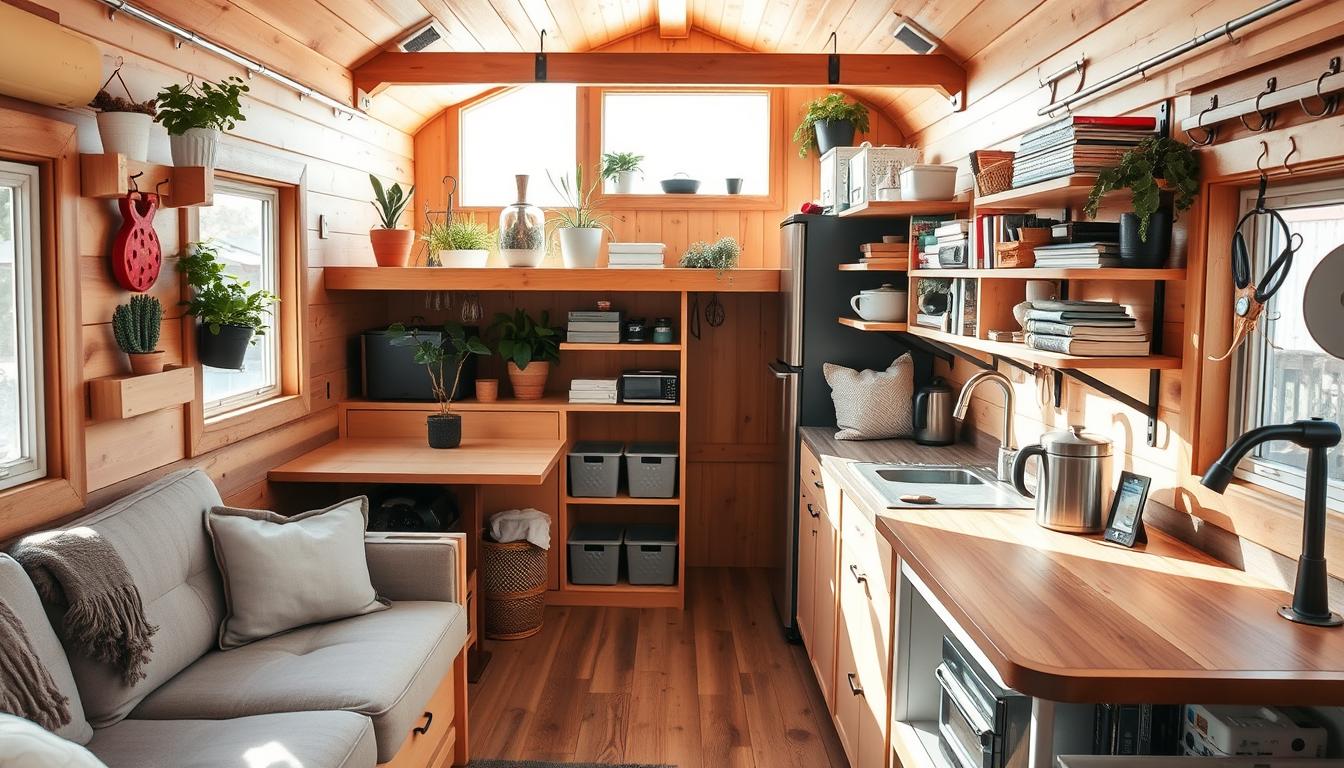
Tiny Homes and Cabins
Tiny homes and cabins are great for off-grid living. They are small and warm. They cost less to heat and cool.
Building a tiny home with local materials is a good idea. It can use natural light and air well. Learn more at The Plan Collection.
Earthships and Alternative Structures
Earthships use natural and recycled stuff like tires. They keep your home warm and green. Yurts and domes are also good. They save energy and fit well with nature.
Insulation and Climate Control Considerations
Insulation and climate control are vital. They keep your home comfy. Good insulation means less need for heating and cooling.
Using solar design and materials that keep heat can save a lot of energy. This makes your home more efficient.
Choosing a sustainable home means looking at energy use, material choice, and how it fits the climate. This ensures a cozy and green living space.
What You Need Before Moving Off Grid Full Time: Energy Systems
When you move off-grid full-time, getting a good energy system is key. It’s important for powering your home and gadgets. This makes your life comfortable and green.
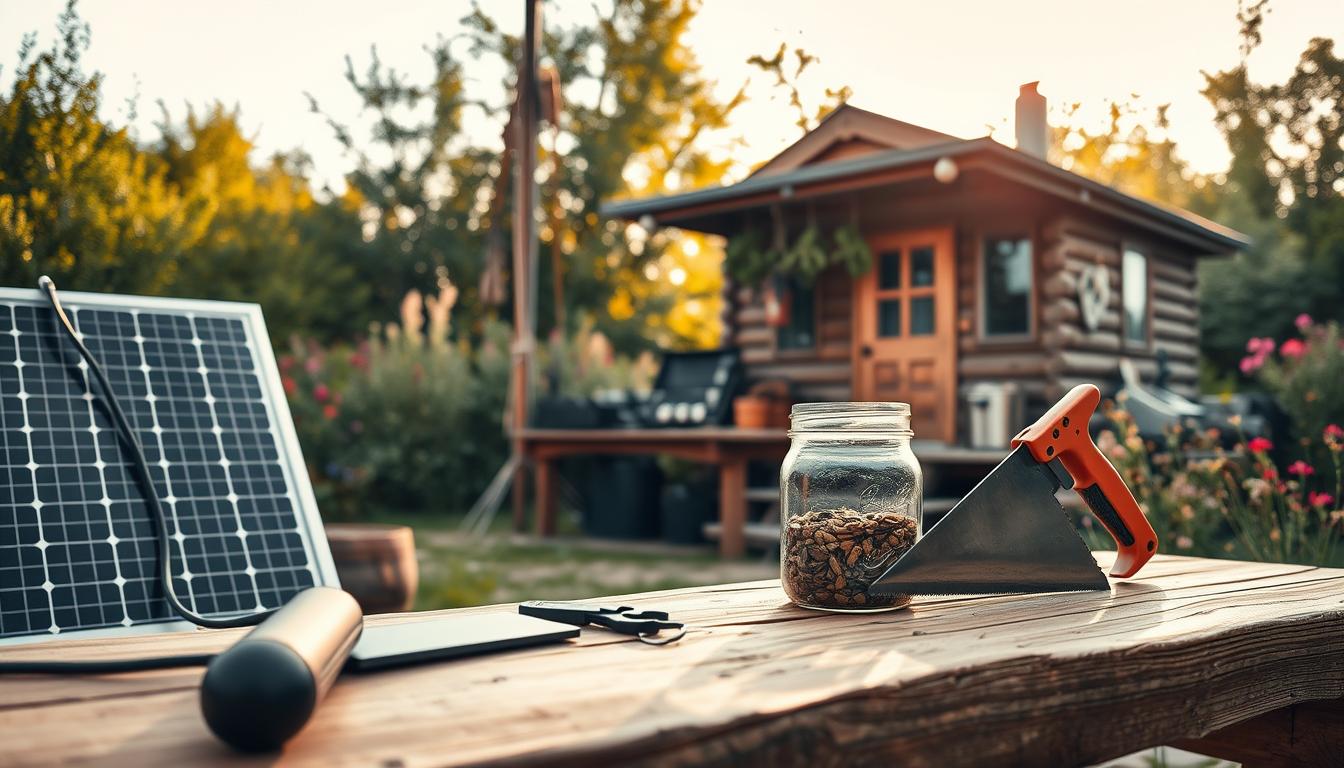
Solar Power Setup
Solar power is a top pick for off-grid energy. It’s green and getting cheaper. You’ll need solar panels, a charge controller, and an inverter. The system’s size depends on how much energy you need and how sunny it is.
Wind and Micro-Hydro Alternatives
If you have wind or water nearby, think about wind turbines or micro-hydro systems. They can help when the sun isn’t shining.
Battery Banks and Storage
Battery banks are key for storing extra energy from solar, wind, or water. This stored energy helps when you don’t make enough power.
Backup Power Solutions
Backup systems like generators or inverters are a safety net. They use diesel, gasoline, or propane. They kick in when you don’t have enough power.

| Energy Source | Initial Cost | Maintenance Needs |
|---|---|---|
| Solar Power | High | Low |
| Wind Power | High | Moderate |
| Micro-Hydro Power | Very High | Moderate |
In short, a smart energy plan is essential for off-grid living. Solar, wind, micro-hydro, and backup systems ensure a steady, green power supply.
Water and Waste Management
Living off-grid means you need to think about water and waste systems. It’s key to keep your living space healthy and green.
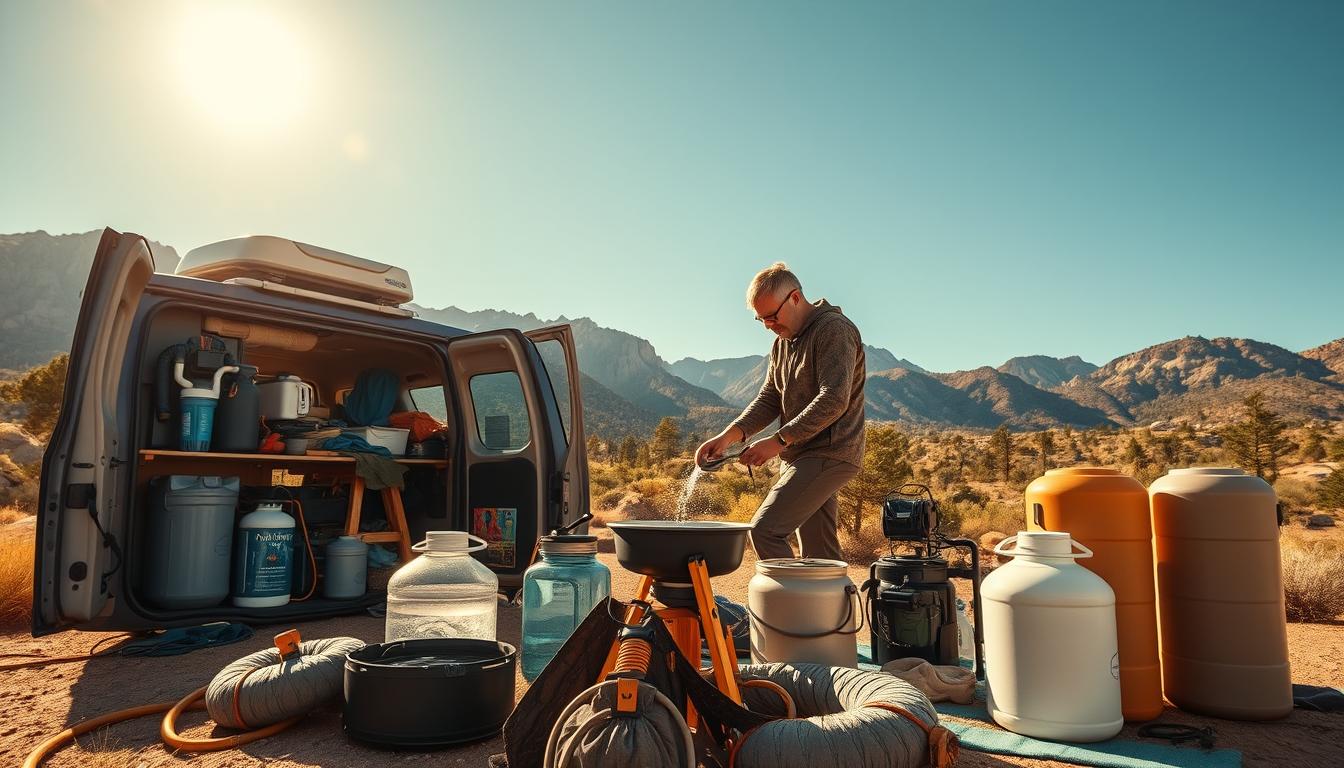
Water Collection and Filtration Systems
Having a good water system is vital. You can collect rainwater and use filters to make it safe. Filters like activated carbon or reverse osmosis work well.
For more info on off-grid water systems, check out Family Handyman’s guide.
| System Type | Cost | Maintenance Level |
|---|---|---|
| Rainwater Harvesting | $500-$2000 | Low |
| Activated Carbon Filtration | $100-$500 | Medium |
| Reverse Osmosis | $200-$1000 | High |
Composting Toilets and Sewage Solutions
Composting toilets are a green way to handle waste. They turn waste into compost. Septic systems also work, but need regular care.
Greywater Recycling
Greywater recycling uses water from sinks and showers for plants. It cuts down on water waste and saves freshwater.
Trash Reduction and Disposal
It’s important to manage trash well. Reduce, recycle, and compost to lessen environmental harm. Safe ways to dispose of hazardous waste are also key.
| Strategy | Impact | Implementation Ease |
|---|---|---|
| Reduce Consumption | High | Easy |
| Recycling | Medium | Medium |
| Composting Organic Waste | High | Easy |
Food Self-Sufficiency
Being self-sufficient with food is key to the off-grid lifestyle. It lets people live on their own terms. To do this, you need to plan your garden well, manage your animals, preserve food, and learn to hunt and forage.
Garden Planning for Year-Round Production
A good garden plan is vital for food all year. Use permaculture, crop rotation, and succession planting to boost your garden. For tips on off-grid living, check out Sunny Simple Living.
Livestock Selection and Care
Livestock is a great source of protein and nutrients. Picking the right animals for your homestead is important. Think about the climate, space, and what you need from them.
| Livestock | Purpose | Space Requirements |
|---|---|---|
| Chickens | Eggs, Meat | Small to Medium |
| Cows | Milk, Meat | Large |
| Rabbits | Meat | Small |
Food Preservation and Storage Techniques
Preserving food by canning, freezing, and dehydrating keeps your supply steady. Each method works best for different foods.
Hunting and Foraging Skills
Learning to hunt and forage adds to your food supply. It’s important to know the local laws and how to do it sustainably.
[link-whisper-related-posts]Conclusion: Taking the Leap to Off-Grid Living
Starting off-grid living needs careful planning and dedication. It’s about understanding the lifestyle and setting up sustainable homes and energy. You also need to manage water and waste well, grow your own food, and be ready for challenges.
A good energy system is key for off-grid living. It helps with heating, pumping water, keeping food cold, and staying safe. Think about getting a strong battery backup, like the BLUETTI Apex 300. Also, look into solar power. For more tips, check out the BLUETTI Power guide.
Off-grid living can be very rewarding. It lets you live in harmony with nature. With the right planning and sustainable practices, you can make the leap to off-grid living.
FAQ
What are the most essential elements to consider when moving off-grid full-time?
Key elements include the right mindset and skills. Also, prepare your home and infrastructure. This includes energy systems, water and waste management, and growing your own food.
How do I prepare myself psychologically for off-grid living?
Start by researching the off-grid lifestyle. Connect with others who live off-grid. Develop a mindset to face challenges like isolation and hard work.
What factors should I consider when selecting a location for off-grid living?
Look at the climate, how easy it is to get to, and natural resources. Also, check local laws and building codes.
What are the initial investment costs associated with off-grid living?
Costs include buying land, setting up infrastructure, and renewable energy. This could be solar or wind power.
How can I sustain myself financially while living off-grid?
Find ways to make money like remote work or selling handmade items. You can also offer services to nearby communities.
What are some effective energy systems for off-grid living?
Good energy systems are solar, wind, and micro-hydro power. Use battery banks and storage for a steady supply.
How can I manage water and waste effectively while living off-grid?
Use water collection and filtration, and composting toilets. Also, recycle greywater and reduce trash.
What are some strategies for achieving food self-sufficiency while living off-grid?
Plan your garden, choose the right livestock, and learn to preserve food. Also, know how to hunt and forage.
What are some sustainable housing options for off-grid living?
Consider tiny homes, cabins, earthships, and other unique structures. Make sure they are well-insulated and energy-efficient.

Subscribe to Our Newsletter