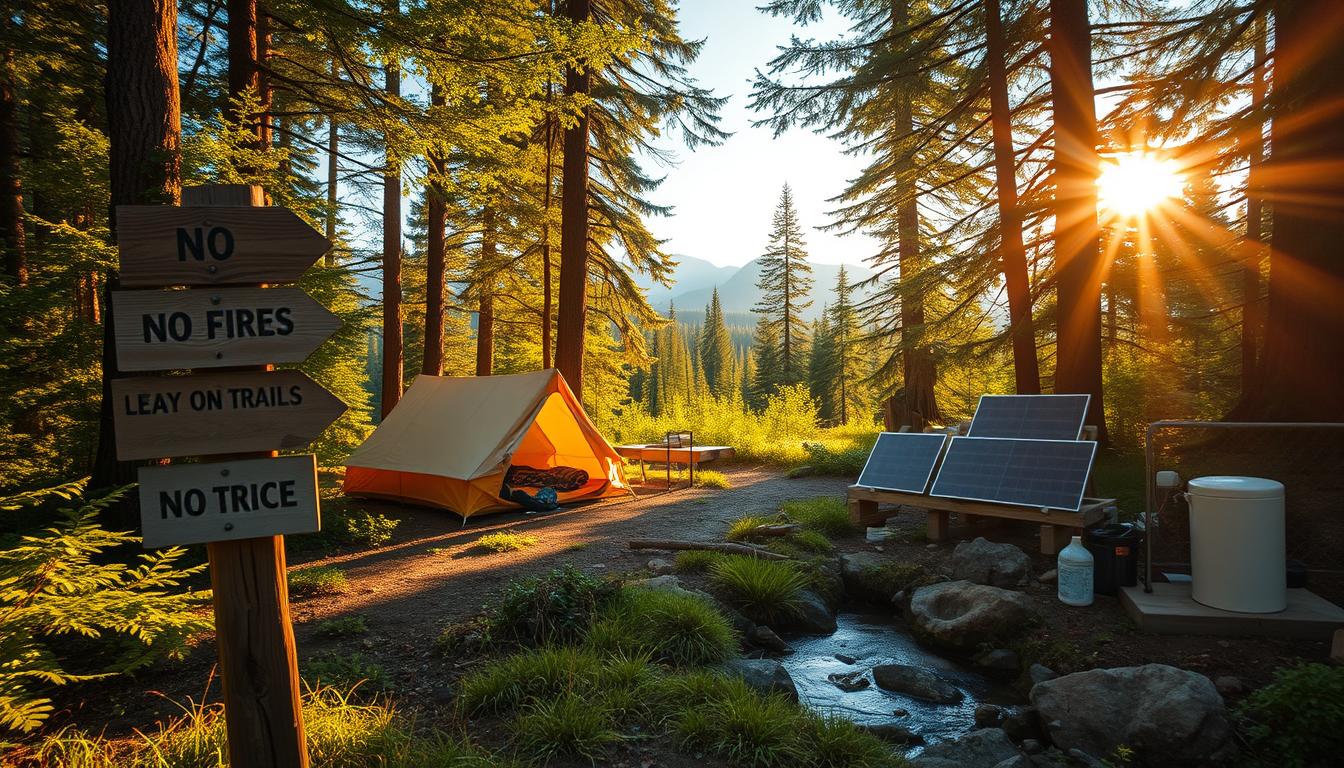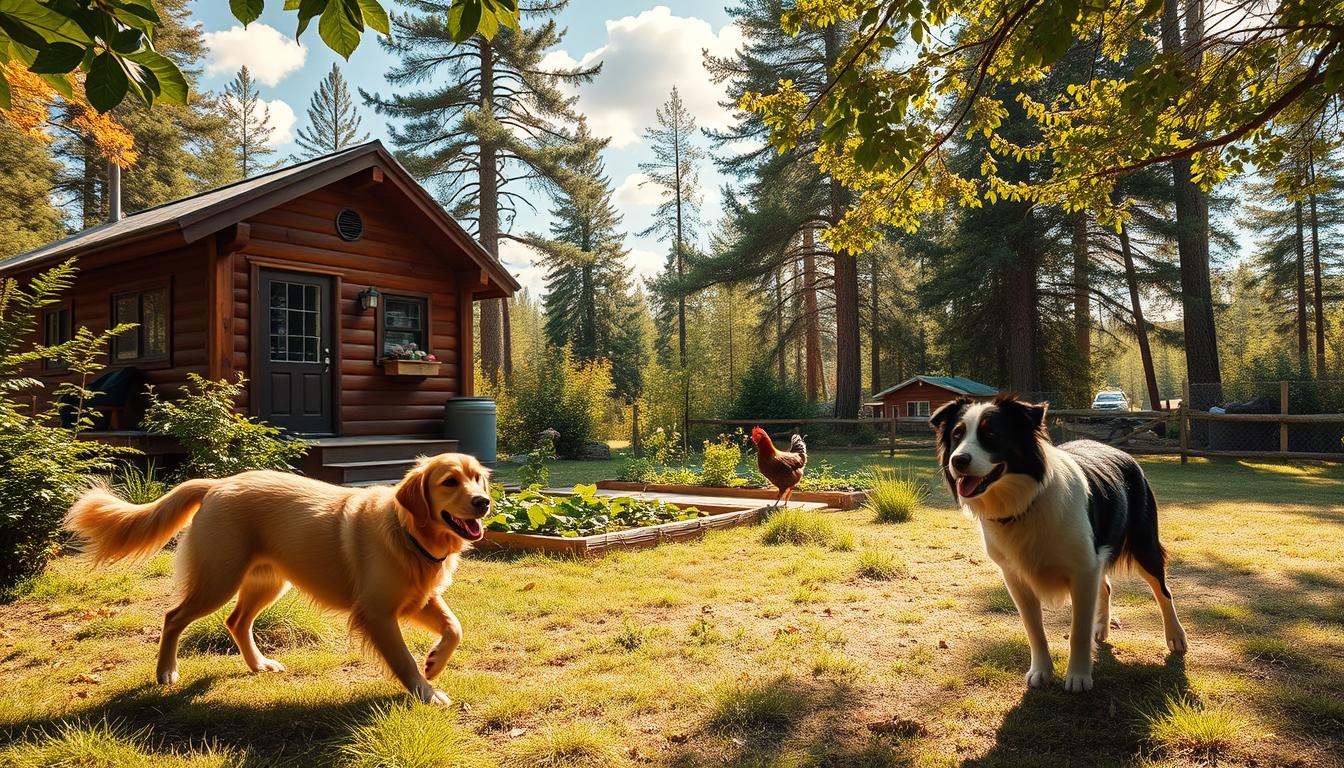
Living off the grid with pets can be very rewarding. It lets people connect with nature and care for their pets. But, it also comes with its own set of challenges.
Thank you for reading this post, don't forget to subscribe!There are real-life examples of people living off the grid with pets. For example, The Off-Grid Kennel & Homestead in Alaska and a community in Thailand show it’s possible. A person in Northern Thailand lives off the grid with their pets in a self-built earth house. They share their story on a forum.
This article will look at the good and bad sides of living off the grid with pets. We’ll see what it takes to make it work.
Key Takeaways
- Careful planning is key for off-grid living with pets.
- Thinking about your pets’ needs is important.
- Real-life examples show it’s doable to live sustainably with pets.
- Off-grid living with pets can be very rewarding, connecting you with nature.
- Knowing the challenges and benefits helps make the transition smoother.
Understanding Off-Grid Living with Pets
Living off the grid with pets means you must know a lot about it. It’s about being self-sufficient. You do things like grow your own food and make your own energy.
Defining the Off-Grid Lifestyle
The off-grid lifestyle is not tied to public services. You might use solar or wind power for electricity. You also collect rainwater and grow your own food.
For pet owners, this lifestyle has its own challenges. You need to think about how it affects your pets.
Special Considerations for Pet Owners
Pet owners in off-grid settings face special challenges. They need to make sure their pets have clean water, good food, and shelter. They also need to think about vet care, as it might be hard to find.
Common Misconceptions About Pets in Remote Settings
Many think pets can’t do well in off-grid places. But, with the right care, pets can thrive. The Off-Grid Kennel & Homestead and MiqueFrançois’s story show pets can be part of off-grid life.
It’s important to understand off-grid living with pets. Knowing the lifestyle and its challenges helps pet owners make good choices.
Preparing Your Pets for Off-Grid Transition
When you move off the grid with your pets, think about the special challenges and chances this lifestyle brings. Off-grid living needs careful planning to keep your pets healthy, safe, and happy.
Essential Training for Off-Grid Safety
Training your pets is key for their safety off the grid. Teach them basic commands and recall to stop them from wandering off. Consistent training helps manage their behavior in a remote area.
- Teach your pets to respond to recall commands.
- Practice obedience training in various environments.
- Use positive reinforcement techniques.
Health Preparations and Veterinary Considerations
Before you move, make sure your pets are current on shots and preventatives like flea and tick control. Talk to your vet about your pets’ health needs in an off-grid setting.
Creating Pet-Friendly Spaces in Your Off-Grid Home
It’s important to make a comfy and safe spot for your pets. Design both indoor and outdoor areas that meet their needs.
Indoor Accommodations
Make sure your off-grid home has enough room for your pets to rest and relax. Think about their comfort and safety when setting up indoor spaces.
Outdoor Containment and Freedom
For outdoor areas, use secure fencing or containment to keep your pets safe but also give them freedom. The right fencing depends on your pets’ size and type.
By focusing on these key areas, you can make a safe and happy off-grid home for you and your pets.
What Off Grid Living Looks Like With Pets: Day-to-Day Realities
Living off-grid with pets comes with its own set of challenges. Pet owners must think about their pets’ health and happiness. They also need to learn about self-sufficiency.
Daily Routines and Responsibilities
Off-grid pet owners have to make sure their pets have clean water, food, and exercise. Pet care is a big part of their daily life. They also have to take care of gardens and manage energy.
Dogs need walks or runs, while cats need litter box cleaning and play. These tasks are part of their daily routine.

Seasonal Considerations for Pet Care
Seasons change, and so do the needs of pets. In cold weather, pets need warm places and special diets. In hot weather, they need to stay cool and drink plenty of water.
It’s important to prepare for these seasonal needs. This helps keep pets healthy.
Balancing Self-Sufficiency with Pet Needs
Off-grid living with pets means finding a balance. Owners need to manage food, water, and vet care. Here’s a look at how different approaches can help.
| Aspect | Self-Sufficiency Measures | Pet Needs Considerations |
|---|---|---|
| Food | Growing own food, preserving | Nutritional needs, dietary restrictions |
| Water | Rainwater harvesting, well maintenance | Clean drinking water, hydration needs |
| Veterinary Care | First aid training, natural remedies | Access to professional care, vaccinations |
Understanding these challenges helps off-grid pet owners prepare. They can live sustainably, caring for both humans and animals. This is the key to a successful off-grid life.
Managing Resources for Off-Grid Pet Care
Off-grid pet care needs careful resource management for your pets’ health. Living off the grid with pets is rewarding but requires a thoughtful approach to managing resources.
Water Solutions for Pet Hydration
Clean water is key for your pets’ health. Think about using rainwater harvesting or drilling a well for water. It’s also important to test the water regularly to make sure it’s safe for your pets.
Key water management strategies include:
- Installing rainwater collection systems
- Drilling a well or using a natural spring
- Regularly testing water quality
Sustainable Food Sources and Storage
It’s important to have a sustainable food source for your pets. You can grow your own pet food or buy in bulk and store it well. Use a root cellar or other storage to keep food fresh.
Energy Requirements for Pet Comfort
Energy is needed for your home and your pets’ comfort. This includes heating, cooling, lighting, and security.
Heating and Cooling Solutions
For heating, solar heaters or wood stoves are good options. For cooling, try shade, ventilation, or evaporative cooling systems.
Lighting and Security Needs
Good lighting is important for you and your pets. Solar-powered lights are a great choice. For security, use fencing, motion lights, or cameras to protect your pets and property.
Challenges and Solutions in Remote Pet Ownership
Living off the grid with pets comes with its own set of challenges. Owners in remote areas face issues like harsh weather and limited vet access.
Weather Extremes and Pet Safety
Extreme weather can be dangerous for pets living off the grid. In cold winters, having a plan for emergency heat is key. Make sure pets have a warm place to stay.
Precautions for Extreme Weather:
- Provide insulated shelters for pets.
- Ensure access to unfrozen water.
- Plan for emergency veterinary care during extreme weather events.
Wildlife Interactions and Protection
In off-grid areas, pets may face wildlife threats. Keeping pets safe from predators is very important.
| Protection Measure | Description |
|---|---|
| Fencing | Secure fencing around the property to prevent wildlife entry. |
| Supervision | Keep pets under close supervision when outdoors. |
| Deterrents | Use wildlife deterrents such as motion-activated sprinklers. |
Limited Access to Veterinary Care
Getting vet care can be hard for off-grid pet owners. It’s important to be ready for emergencies.
Emergency Preparedness for Pet Health Issues
Having a plan for vet care in emergencies is vital. Keep a pet first aid kit ready and learn basic first aid.
Building a Complete Pet First Aid Kit
A good pet first aid kit should have items for wounds and poisoning. Also, keep a list of emergency numbers, like a local vet and pet poison hotline.

Embracing Off-Grid Living with Pets
Living off-grid with pets means understanding special challenges and duties. Planning, managing resources, and being flexible are key for success.
Prep your pets for the change, manage resources well, and know the daily life. This way, you can make a happy and green off-grid home. It’s vital to think about your pets’ needs and happiness, whether you’re starting or already living off the grid.
Off-grid living with pets is more than a lifestyle. It’s about making a self-sufficient and happy life for you and your pets. By facing challenges and seizing opportunities, you can create a strong and growing homestead for all.
FAQ
What are the key considerations for pet owners transitioning to off-grid living?
Pet owners need to focus on safety training and health care for their pets. They should also make sure their homes are pet-friendly. It’s important to understand the daily care needs of pets in off-grid settings.
How do I prepare my pets for the challenges of off-grid living?
To prepare your pets, start with training and health care. Make sure they are comfortable in the off-grid environment. Provide them with good shelter and ways to stay safe.
What are the most significant challenges of off-grid living with pets?
The biggest challenges include managing resources like water and food. You also have to deal with extreme weather and wildlife. Being able to adapt and plan well is key.
How can I manage water and food resources for my pets in an off-grid setting?
To manage resources, use sustainable methods like rainwater harvesting. Make sure your food sources are sustainable. You can grow your own food or use local ingredients.
What are some strategies for protecting my pets from wildlife interactions in off-grid areas?
To protect your pets, secure their outdoor spaces. Use fencing or repellents to keep wildlife away. Know the local wildlife to stay safe.
How can I ensure my pets receive adequate veterinary care in remote off-grid areas?
Plan for veterinary care by having a first aid kit. Learn basic first aid. Know how to find emergency vet care.
What are the benefits of off-grid living with pets?
Off-grid living can make you more self-sufficient. It strengthens your bond with nature and your pets. It can also make you and your pets healthier and more active.
How do I balance the needs of my pets with the goals of off-grid living?
To balance pet needs with off-grid living, plan carefully. Prioritize your pets’ needs. Be flexible and manage resources well.

Subscribe to Our Newsletter