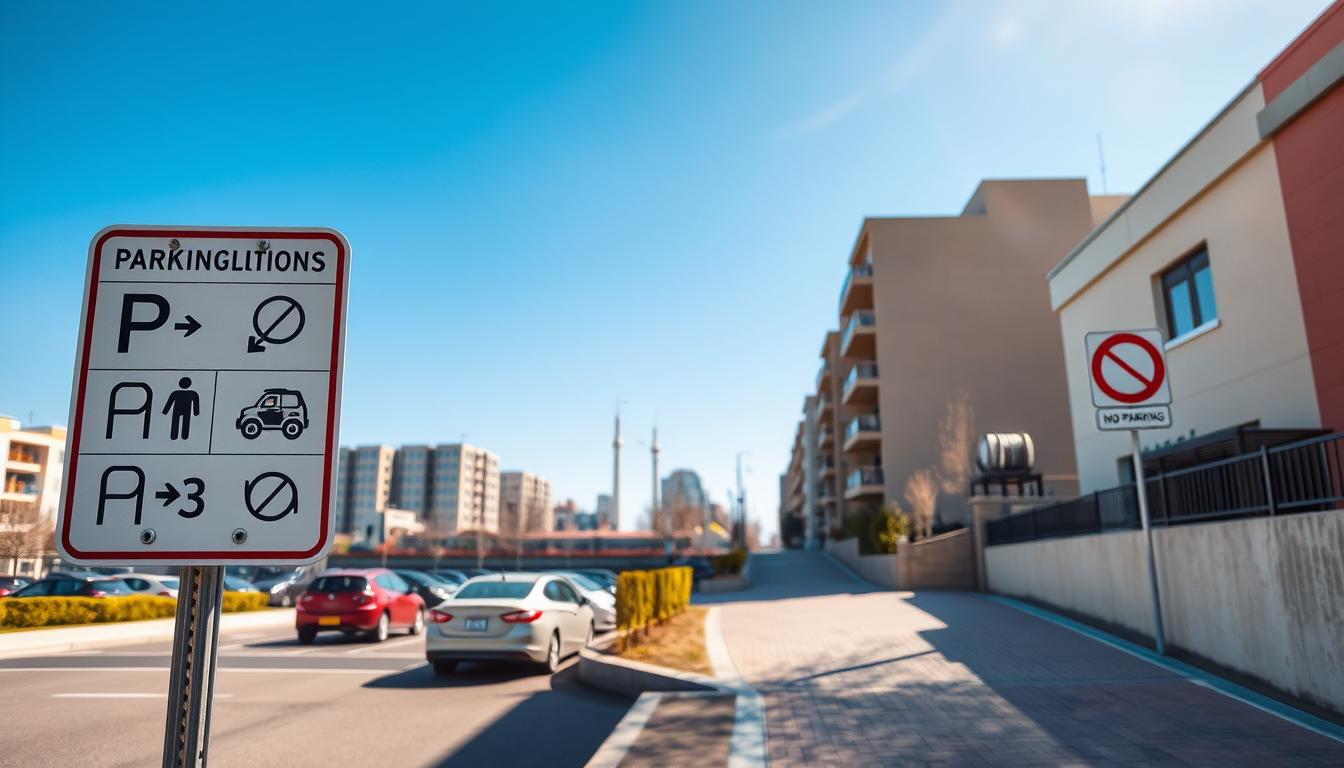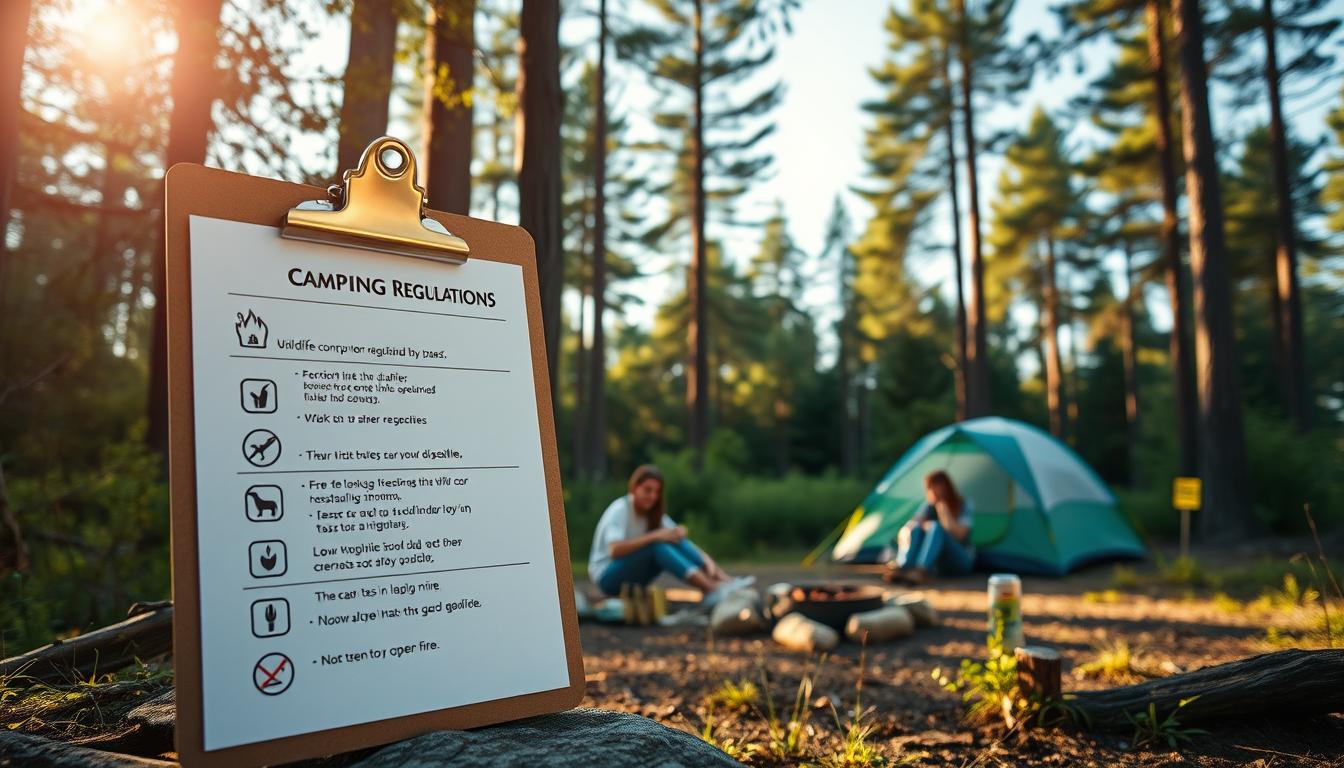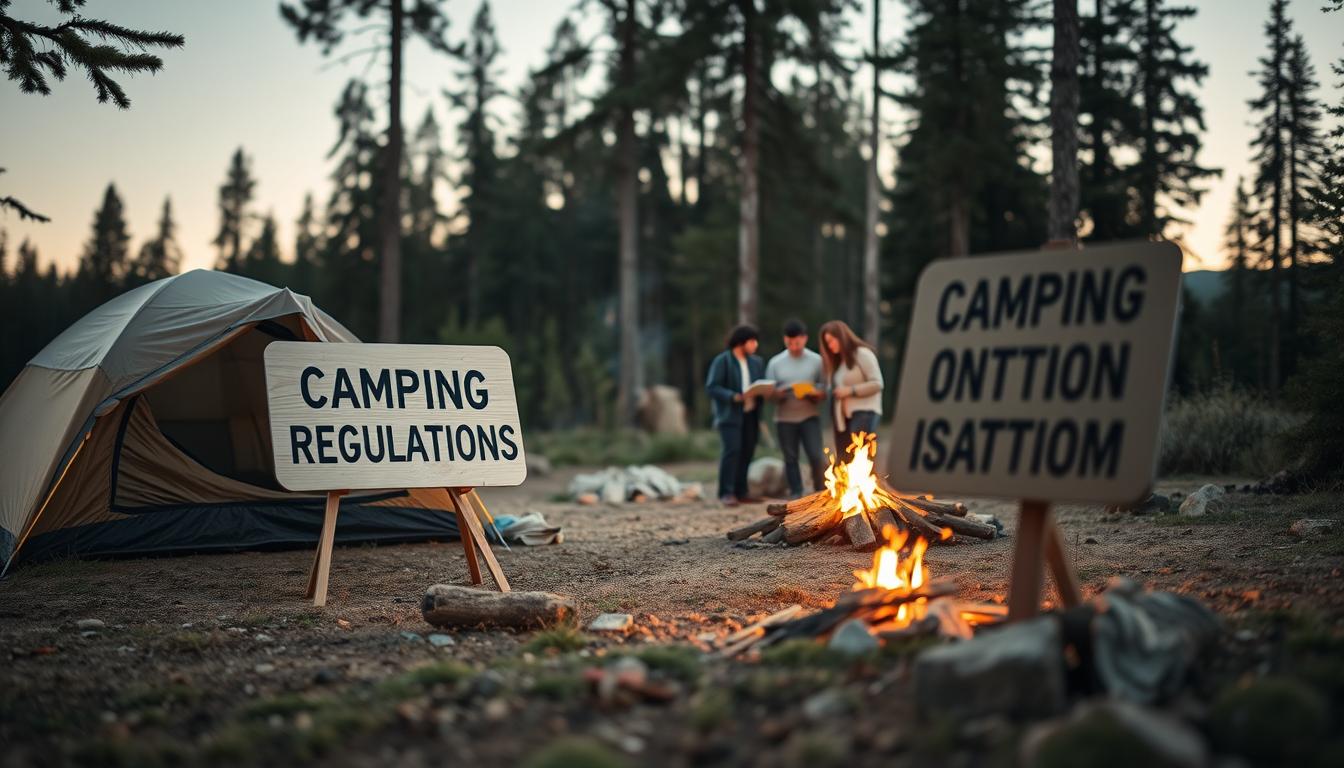
Camping is a fun activity, but knowing the camping regulations is key. This helps avoid legal consequences of camping beyond allowed times. Breaking camping laws can lead to fines and penalties.
Thank you for reading this post, don't forget to subscribe!In Ontario, Canada, you can camp on Crown land for up to 21 days a year. After that, you must move at least 100 meters. This rule is on the Ontario government’s website.
Key Takeaways
- Understand local camping regulations before setting up camp.
- Camping past legal limits can result in fines and penalties.
- Familiarize yourself with specific camping laws in your area.
- Plan your camping trip according to the allowed duration.
- Be aware of any signage restricting camping in certain areas.
Understanding Camping Regulations in the United States
The United States has many rules for camping. These rules come from different levels of government. This is because the country has many different places to camp.
Federal vs. State vs. Local Camping Laws
Camping rules come from federal, state, and local laws. Federal laws cover national parks and federal lands. State laws manage state parks and other areas. Local ordinances add more rules in certain places.
In Ontario, Canada, you can camp for free on Crown land. But, there are rules to follow. In the U.S., places like Bureau of Land Management (BLM) lands also have free camping. But, there are rules to follow. Camping where you shouldn’t can lead to penalties.
Types of Camping Restrictions
Camping rules can change a lot. They include time limits, how many people can camp, and rules to protect nature. Knowing these rules helps avoid problems.
Learning about these rules helps campers plan better. It helps them avoid breaking camping restrictions.
Common Legal Camping Limits You Should Know
Knowing the legal camping limits can make your camping trip better. It helps avoid trouble with the law. Camping rules change a lot in the United States. This depends on if you’re in a national park, state park, or private campground.
Time Limits for Different Camping Areas
Every camping spot has its own time rules. For example, many national parks let you stay for 14 days in 28 days. Some places have shorter or longer rules. Always check the rules for where you’re going.
Occupancy and Group Size Restrictions
Camping spots have rules on how many people can be there. These rules can be from 2 to 12 or more people. Some places also limit how many vehicles or tents you can have.
Seasonal and Environmental Restrictions
Some places have special rules to protect the environment. This includes times when animals are breeding or trails are closed. Knowing these rules helps you plan better.
Here’s a quick look at common camping limits:
| Camping Area Type | Typical Time Limit | Group Size Limit |
|---|---|---|
| National Parks | 14 days within 28 days | 6-12 people |
| State Parks | 7-14 days | 4-8 people |
| Private Campgrounds | Varies (often longer) | Varies (often larger groups allowed) |

What Happens If You Camp Past Legal Limits
Camping rules are strict. Camping past these limits can cause big problems. You might get fined or kicked out of the campsite.
Initial Enforcement Actions
First, you might get a warning or a fine. Officials or rangers will give you a ticket. It will say how much you owe and why.
They might give you a chance to fix it. You could leave or shorten your stay to follow the rules.
Common initial actions include:
- Verbal or written warnings
- Fines or penalty fees
- Orders to vacate the premises
Escalation Process for Repeat Violations
If you keep breaking the rules, things get worse. You could face bigger fines, court, or even arrest. This is to stop people from breaking the rules over and over.
Authorities keep track of who breaks the rules. This helps them know how to punish you next time.
How Violations Are Typically Discovered
Violations are found by park rangers or officials on patrol. Other campers or visitors might also report them. Cameras and systems help catch violators too.
To stay out of trouble, know and follow the camping rules and time limits.
Legal Consequences and Penalties
Going over the legal camping limits can lead to big problems. You might face fines and other penalties. Breaking camping rules can lead to serious legal trouble. This can ruin your outdoor fun in the future.
Fines and Fee Structures
Fines for illegal camping vary a lot. They depend on where you are, how bad the violation is, and if it’s your first time. In some national parks, fines can be from $100 to over $500 for one mistake. You might also have to pay for cleaning up the mess you made.
These fines are not small. They can add up fast, even more for those who keep doing it. For more info on camping rules and fines, check out this resource on wild camping consequences.

Potential Criminal Charges
In serious cases, or for those who keep breaking the rules, you could face criminal charges. These can be from small crimes to big ones, based on what happened. For example, if you won’t leave a closed campsite or damage the environment, you could get in big trouble.
Long-term Consequences for Future Camping
Violating camping rules can also have long-term effects. Repeat offenders might not be allowed to camp in some places anymore. They could also get more attention from park rangers and others.
This makes it harder to camp in the future. It can also make your outdoor adventures more stressful. It’s important to know and follow camping rules to avoid these problems.
How Different Camping Areas Handle Violations
It’s important for campers to know how different places handle camping violations. Rules and how they are enforced can change a lot. This depends on the type of camping area.
National Parks and Federal Lands
National parks and federal lands have strict rules. These rules help protect nature and culture. Breaking these rules can lead to fines and even criminal charges.
For example, the official government website has rules for camping on federal lands.
State Parks and Recreation Areas
State parks and recreation areas also have rules. These rules help keep everyone safe and protect the environment. Breaking these rules can result in fines.
If you keep breaking the rules, the penalties can get worse.
Private Campgrounds and RV Parks
Private campgrounds and RV parks have their own rules. These rules are made by the management. If you break these rules, you might get kicked out.
Dispersed Camping Areas
Dispersed camping areas have fewer rules. But, you must follow basic camping rules. It’s harder for authorities to enforce these rules, but they can give citations if you don’t follow them.
| Camping Area Type | Typical Violations | Common Penalties |
|---|---|---|
| National Parks and Federal Lands | Overstaying, unauthorized camping | Fines, possible criminal charges |
| State Parks and Recreation Areas | Rule infractions, environmental damage | Fines, possible eviction |
| Private Campgrounds and RV Parks | Non-compliance with campground rules | Eviction, fines |
| Dispersed Camping Areas | Failure to follow basic camping rules | Citations, possible fines |
What to Do If You Face Enforcement Action
When you face enforcement action for camping outside the rules, stay calm and know what to do. This knowledge can greatly affect the outcome.
Immediate Steps to Take
First, cooperate fully with the authorities. Give them your ID and any info about your camping. Stay calm and respectful to help calm the situation.
How to Communicate with Rangers or Officials
Talking well with rangers or officials is key. Be clear and don’t argue. If you’re unsure, ask politely.
Contesting Citations or Penalties
If you think the action was unfair, you can appeal. You might write a letter or go to a hearing. Knowing the rules and deadlines is important for a good appeal.
| Action | Description | Timeline |
|---|---|---|
| Cooperate with Authorities | Provide identification and requested information | Immediate |
| Communicate Effectively | Be clear and respectful in interactions | Ongoing |
| Contest Citation or Penalty | Submit written appeal or attend hearing | Varies by jurisdiction |
Knowing the process and your options helps you deal with camping outside areas better.
[link-whisper-related-posts]Conclusion
Knowing camping rules is key for a fun and safe trip outdoors. Laws about camping change in different places. Knowing these laws helps you avoid fines and other big problems.
Following camping rules helps protect nature for others in the future. Battlbox helps outdoor lovers with the right gear and advice. They offer many products to help you camp responsibly.
Responsible camping is important to keep the environment safe and avoid legal trouble. Being informed and ready lets you enjoy nature while respecting the rules.
FAQ
What are the consequences of camping past the allowed time limit in a national park?
Camping too long in a national park can lead to fines and penalties. You might even get banned from the park. The exact consequences depend on the park’s rules and how serious the offense is.
How do camping regulations differ between federal, state, and local lands?
Camping rules change a lot between federal, state, and local lands. Federal lands, like national parks, follow federal rules. State parks and recreation areas have their own state laws. Local parks are ruled by local laws.
What are the typical fines for violating camping regulations?
Fines for breaking camping rules can be from to 0 or more. This depends on how serious the offense is and where you are. If you keep breaking the rules, you might face even higher fines.
Can I be arrested for camping past legal limits?
Yes, you could be arrested for camping too long, if you don’t listen to park rangers or if you’ve broken the rules before. But, arrest is usually a last choice. Most of the time, you’ll just get a fine or a citation.
How can I avoid violating camping regulations?
To avoid breaking camping rules, learn the specific rules for where you plan to camp. Talk to park rangers, visit visitor centers, or check official websites. This way, you’ll know the camping limits and any special rules.
What should I do if I receive a citation for camping past legal limits?
If you get a citation for camping too long, read it carefully and follow the instructions. You might be able to contest the citation or pay the fine. It’s a good idea to ask a park ranger or official for advice on what to do next.
Are there any long-term consequences for violating camping regulations?
Yes, serious or repeated rule-breaking can lead to long-term penalties. You might get banned from a park or have your camping rights taken away. In some places, serious offenses can also affect your ability to get camping permits in the future.
Can I camp in areas that are not designated campsites?
Some places allow dispersed camping, which means camping outside of designated sites. But, always check with local authorities first. Even where dispersed camping is okay, there might be rules and restrictions you need to follow.

Subscribe to Our Newsletter