Living off the grid is a lifestyle choice that’s become more popular. I’ve been doing it for five years. It’s full of challenges and rewards.
Thank you for reading this post, don't forget to subscribe!My day is all about being self-sufficient. I make my own electricity and manage my water. This off grid lifestyle needs careful planning and flexibility.
Key Takeaways
- Off-grid living promotes self-sufficiency and independence.
- Sustainable living is a core aspect of the off-grid lifestyle.
- Daily routines are centered around resource management.
- Embracing this lifestyle requires adaptability and planning.
- Off-grid living can be a rewarding and challenging experience.
Understanding the Off-Grid Lifestyle
Living off the grid is more than making your own energy. It’s a way to live sustainably. You disconnect from public services and become self-sufficient in daily life.
Defining What “Off Grid” Actually Means
Off-grid living means you don’t use public utilities like electricity, water, and sewage. You make your own power, often with solar or wind energy. You also collect your own water and handle your waste.
Common Misconceptions vs. Reality
Many think off-grid living is old-fashioned or lonely. But, with today’s tech, you can have comforts like phones and medical care. For real views, read about those who’ve gone off-grid, like in this article.
Different Levels of Off-Grid Living
Off-grid living has many levels, from a little independence to total self-sufficiency. Some make their own electricity but use city water. Others collect rainwater and manage their waste.
Your choice depends on your goals, resources, and situation.
Energy Management in Off-Grid Living
Managing energy well is key to living off-grid. It involves using alternative power sources and storing energy. It also means learning to live with less energy.
Solar, Wind, and Alternative Power Sources
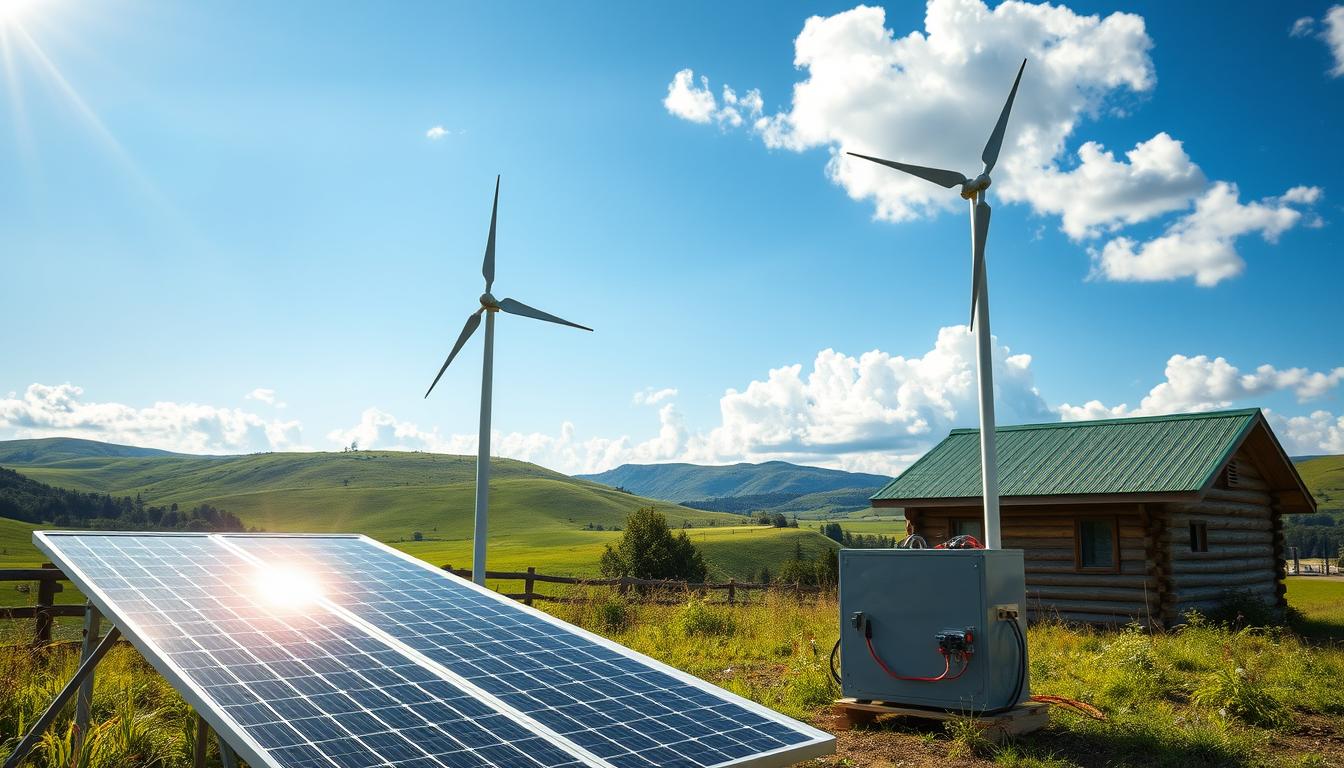
Off-grid homes use solar and wind power. Solar panels make electricity clean and green. Other sources like hydroelectric and biogas generators are also used. Combining these sources ensures a steady energy supply.

Battery Storage Systems
Battery systems store extra energy from renewables. This energy is used when it’s dark or cloudy. Deep cycle batteries are best for off-grid systems because they can be used a lot and recharge often.
Adapting to Energy Limitations
Living off-grid means using less energy. It’s important to be careful with how much energy you use. Using appliances that use less energy helps a lot.
Seasonal Energy Challenges
Energy needs change with the seasons. In winter, solar power is less. A backup power source, like a generator, helps during these times.
Energy Conservation Strategies
Using less energy is key. Here are some ways to do it:
- Choose energy-saving appliances
- Use less energy when it’s most needed
- Keep your home well-insulated
These steps help off-grid folks use less energy. This makes them more self-sufficient.
Water Collection and Conservation
Water collection and conservation are key in off-grid living. They need careful planning and execution. Living sustainably means using and harvesting every gallon wisely.
Rainwater Harvesting Systems
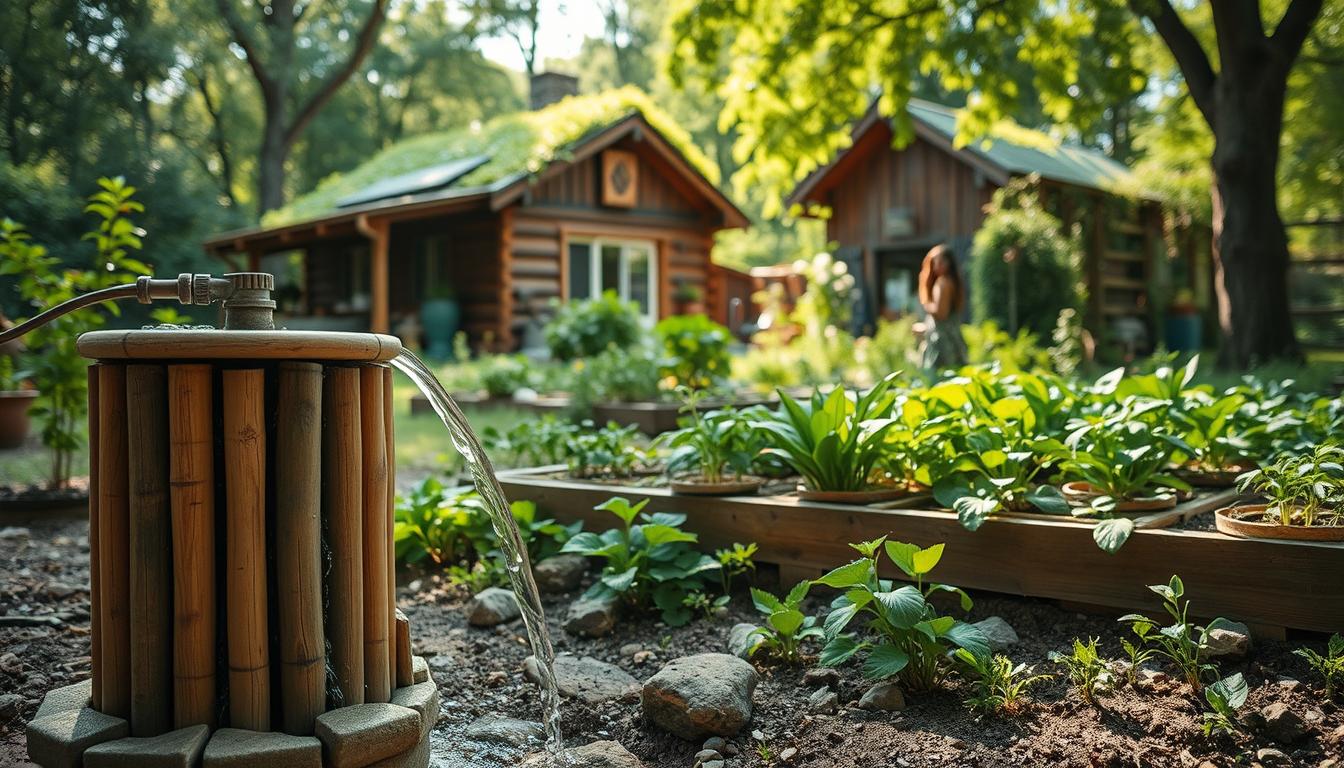
Rainwater harvesting is common in off-grid homes. It collects and stores rainwater for irrigation and household use. Efficient rainwater harvesting systems cut down on other water sources.
- Collection: Rooftop catchment areas gather rainwater.
- Storage: Tanks or cisterns store the collected water.
- Treatment: Simple filtration systems can be used to make water suitable for use.
Well Water Considerations
Many off-grid homes rely on well water. It’s vital to test well water often for contaminants. Proper well maintenance is key for a sustainable water supply.
Daily Water Usage Adaptations
Off-grid living means using water wisely. It’s about being mindful of daily water use and saving water.
Greywater Recycling
Greywater recycling saves water. It reuses water from sinks, showers, and washing machines for irrigation and toilets. Implementing greywater recycling systems cuts down on water waste.
By using these strategies, off-grid residents can manage water better. This improves their off grid experiences and supports sustainable living.
Food Production and Preservation
Growing and preserving food is key to off-grid living. It lets people be self-sufficient. This means growing, hunting, fishing, and foraging for food.
Growing Your Own Food
Growing your own food is vital for off-grid living. It means planting different crops for a balanced diet all year. For vegans, using greens and plants is sustainable and healthy.
To ensure food security, you need to grow enough food for your family. Good gardening and knowing when to plant are key.
Hunting, Fishing, and Foraging
Many off-grid folks also hunt, fish, and forage. These activities add protein and connect us with nature.
- Hunting gives meat and can be done sustainably.
- Fishing is a great source of protein from rivers, lakes, or oceans.
- Foraging adds vitamins and minerals to your diet.
Food Storage Without Conventional Refrigeration
Storing food without refrigeration uses old methods. Canning, preserving, and using root cellars or natural cooling are good ways.
Canning and Preserving Techniques
Canning and preserving kill bacteria by heating food. Then, it’s sealed in airtight containers. This keeps food fresh for a long time.
Root Cellars and Natural Cooling
Root cellars are cool and humid, perfect for storing veggies and fruits. Using shaded areas or underground storage also keeps food fresh.

By using these methods, off-grid folks can eat a wide variety of foods all year. This is true even without modern conveniences.
What Daily Life Off Grid Is Really Like
Living off the grid is a mix of challenges and rewards. It needs a lot of planning, hard work, and being adaptable. A day in an off-grid life is filled with tasks like managing energy, collecting water, and growing food.
A Typical Day: Morning to Night
A day for an off-grid person starts early, around 4:00 or 5:00 AM. They might check solar panels or tend to a garden. Starting early helps them feel accomplished and sets a productive day.
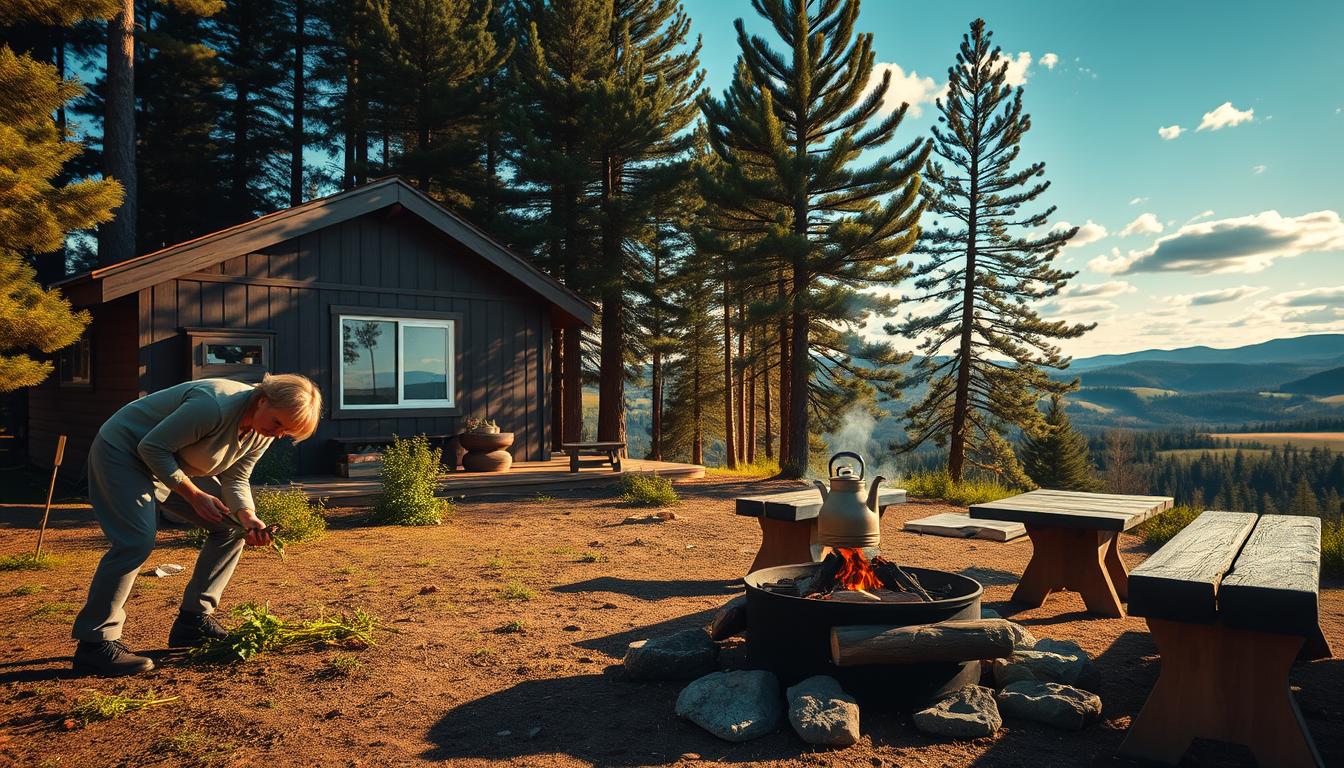
Daily chores include collecting firewood, taking care of animals, or fixing equipment.
Seasonal Variations in Routine
Seasons change the off-grid lifestyle. In winter, they spend more time on snow removal or keeping homes warm. Summer brings longer days for gardening or food preservation.
It’s important to adapt to these changes for a sustainable off-grid life.
The Mental and Emotional Journey
Living off the grid is a mental and emotional challenge. It builds self-reliance and resilience. People feel connected to nature and free from public utilities.
Isolation vs. Freedom
Off-grid living balances isolation and freedom. Some feel cut off from community, but others love the peace. For more insights, check out what is living off the grid.
Developing Self-Reliance
Self-reliance is key in off-grid living. It means solving problems, maintaining systems, and adapting. This self-sufficiency boosts personal accomplishment and confidence.
In conclusion, off-grid life is complex and rewarding. It offers practical challenges and personal growth. Understanding this lifestyle helps prepare for the journey.
Practical Challenges and Solutions
Off-grid living comes with its own set of challenges. Managing waste is a big part of it.
Waste Management Systems
Having a good waste management system is key. This means using composting toilets and recycling. We don’t throw away trash. Instead, we recycle everything we can.
| Waste Management Method | Description | Benefits |
|---|---|---|
| Composting Toilets | Turning human waste into compost | Reduces waste, creates fertilizer |
| Recycling Programs | Separating and processing recyclables | Conserves resources, reduces landfill waste |
Financial Considerations
Planning your finances is important for off-grid living. You need to know about initial setup costs and what you’ll spend later.
Initial Setup Costs
Getting started can cost a lot. You’ll need solar panels and rainwater systems.
Ongoing Expenses vs. Savings
There are costs to keep up with, like maintenance. But, you can save a lot on bills. For tips on managing money, check out common off-grid living mistakes.
Legal and Zoning Considerations
It’s important to know the laws and zoning rules in your area. They can change a lot.
Building Community Connections
Even though you might be far from others, it’s key to connect with people who share your lifestyle. This way, you can share knowledge and get support.
[link-whisper-related-posts]Conclusion: Is Off-Grid Living Right for You?
Thinking about living off the grid? You need to think about many things. This includes finding off grid resources and wanting to live sustainably. This lifestyle means you have to manage your own energy, water, and food.
It also means facing challenges. So, is off-grid living for you? Think about how much you want to leave public utilities behind. Look at what you have, like land, money, and skills.
Living off the grid can make your life more self-sufficient and happy. Start by figuring out what you need and want. Then, plan your move to a more independent life.
FAQ
What does it mean to live off the grid?
Living off the grid means you don’t use public utilities like electricity and water. You make your own energy and collect water. You also manage your own waste.
How do off-grid homes generate energy?
Off-grid homes use solar, wind, and hydro power for electricity. They store extra energy in batteries for later use.
How do off-grid homes collect and conserve water?
They use rainwater harvesting and wells for water. They also recycle greywater to save water.
How do off-grid homes produce and preserve food?
They grow food using sustainable gardening. They also hunt, fish, and forage. Food is preserved by canning, dehydrating, and using root cellars.
What are the challenges of living off the grid?
It’s hard to manage energy, water, and waste. Living far from amenities is also tough. But, many find it rewarding to be self-sufficient and connect with nature.
Is off-grid living expensive?
Starting off-grid can cost a lot for solar panels and water systems. But, it can save money in the long run by cutting utility bills.
Can I have modern amenities while living off the grid?
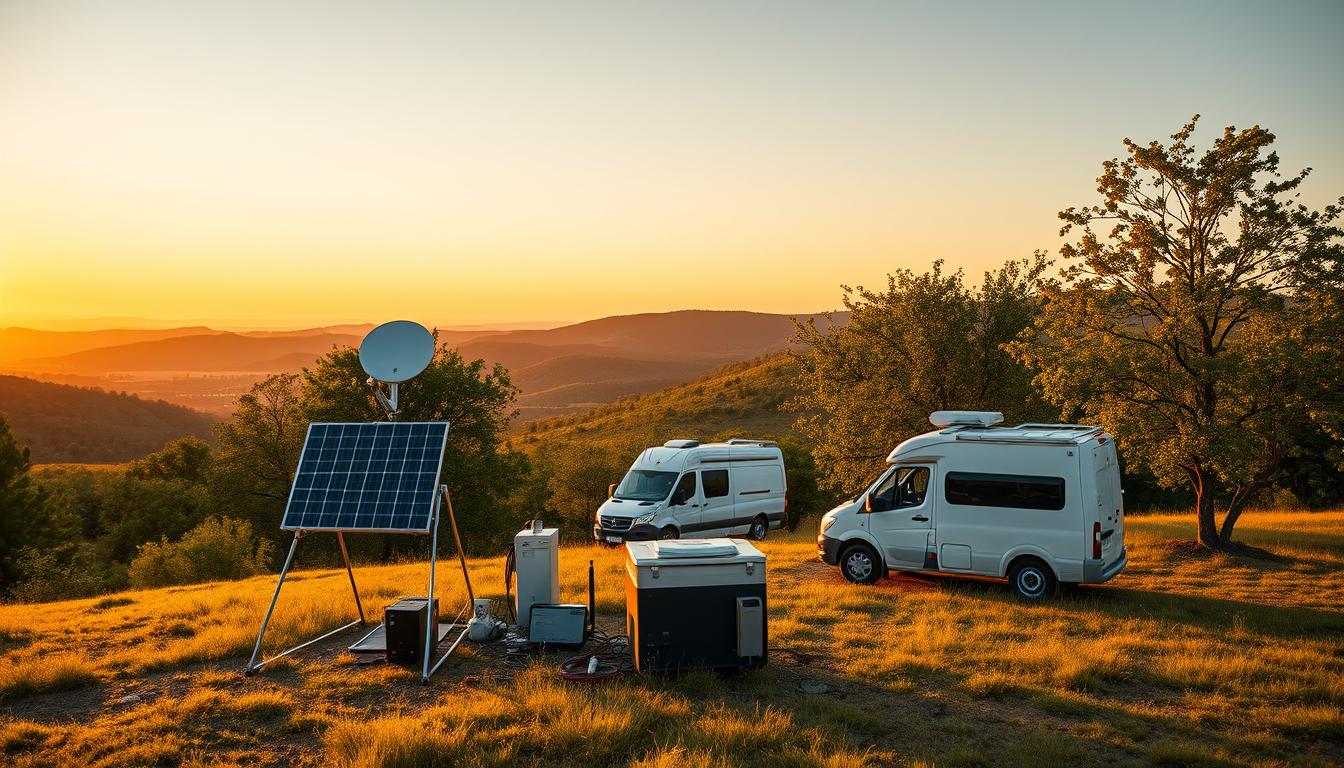
Yes, many off-grid homes have internet, phones, and entertainment. But, using these wisely is key to managing energy.
How do off-grid residents manage waste?
They use composting toilets and recycling. Some also have septic systems or other waste solutions.
Is off-grid living right for everyone?
Off-grid living is not for everyone. It takes a lot of time, effort, and planning. But, for those who are willing, it can be very rewarding.

Subscribe to Our Newsletter