Off-grid living means you need to plan and manage your food resources well. Creating a solid food storage system is key to being self-sufficient. A good food storage plan helps people and families do well in remote places.
Thank you for reading this post, don't forget to subscribe!It’s important to store food in a way that keeps it fresh and full of nutrients. By using sustainable food storage practices, you can have a steady food supply. This also helps cut down on waste.
Key Takeaways
- Building a reliable food storage system is key for off-grid living.
- Sustainable food storage keeps food quality and nutrients high.
- A good food storage plan helps people thrive in remote areas.
- Using sustainable practices reduces food waste.
- A steady food supply is vital for self-sufficiency.
The Fundamentals of Off-Grid Food Storage
Storing food off the grid is a big challenge. It needs careful planning. Knowing these challenges helps keep food supplies steady.
Unique Challenges of Storing Food Without Utilities
One big challenge is no consistent temperature control. Without electricity, we can’t use refrigeration. So, we use root cellars, ice houses, or passive cooling instead.
Key Principles for Self-Sufficient Food Management
Effective off-grid food storage has key principles. First, food rotation is key to avoid spoilage. Second, airtight containers keep pests and moisture out. Lastly, a clean storage environment prevents contamination.
Assessing Your Climate and Environmental Factors
Knowing your local climate is key for off-grid food storage. Temperature, humidity, and pests affect your choices. For example, in hot, humid places, dehydration or cold storage is needed. In cooler areas, root cellars work better.
By understanding these basics, people can manage off-grid food storage well. This ensures a steady food supply, no matter where you are.
Planning Your Off-Grid Food Supply
Starting an off-grid food storage plan is key. It helps keep food available all year. You need to think about nutrition and how much food you’ll need.
Calculating Food Requirements for Different Timeframes
First, figure out how much food you need for each time period. This means knowing your daily calorie needs. Then, multiply that by how often you eat in a month or year.
For example, if you need 2,000 calories a day, you’ll need 60,000 calories a month.
Creating a Balanced Nutritional Plan
Having a balanced diet is important for staying healthy off the grid. You need proteins, carbs, fats, vitamins, and minerals. Meal planning tools can help make sure your diet is varied and healthy.
Seasonal Considerations and Rotation Strategies
Seasons change what food you can store and eat. Using rotation strategies helps use up older food before it goes bad. This makes room for new, fresh food.
Spring and Summer Planning
In spring and summer, store foods that don’t spoil easily in the heat. Think about dried goods and canned foods.
Fall and Winter Preparations
For fall and winter, store foods that keep well in cold. Root vegetables and other hardy crops are good choices. Use root cellars or cold storage.
| Meal | Spring/Summer | Fall/Winter |
|---|---|---|
| Breakfast | Oatmeal with dried fruits | Porridge with root vegetables |
| Lunch | Canned goods salad | Smoked meats with preserved vegetables |
| Dinner | Grilled meats with fresh vegetables | Stews with root vegetables and dried beans |

By following these tips, you can make a strong food plan for off-grid living.
Smart Food Storage Strategies for Off Grid Living
Living off the grid means you need smart ways to store food. Good storage keeps food fresh and safe, even without modern tools.
Temperature Control Without Electricity
Keeping food at the right temperature is key. Underground storage and shade can keep food cool without power. A root cellar or natural shade can help a lot.
Humidity Management Techniques
It’s important to control humidity to stop food from spoiling. Desiccants or ventilation can manage humidity. This is very important for grains and dried foods.
Pest Prevention in Natural Settings
Keeping pests away from food is hard in off-grid living. Natural pest deterrents like diatomaceous earth or essential oils can help. They keep food safe without using chemicals.
Container Options and Materials for Different Foods
Choosing the right container is key for storing food. Different foods need different materials.
Glass and Ceramic Containers
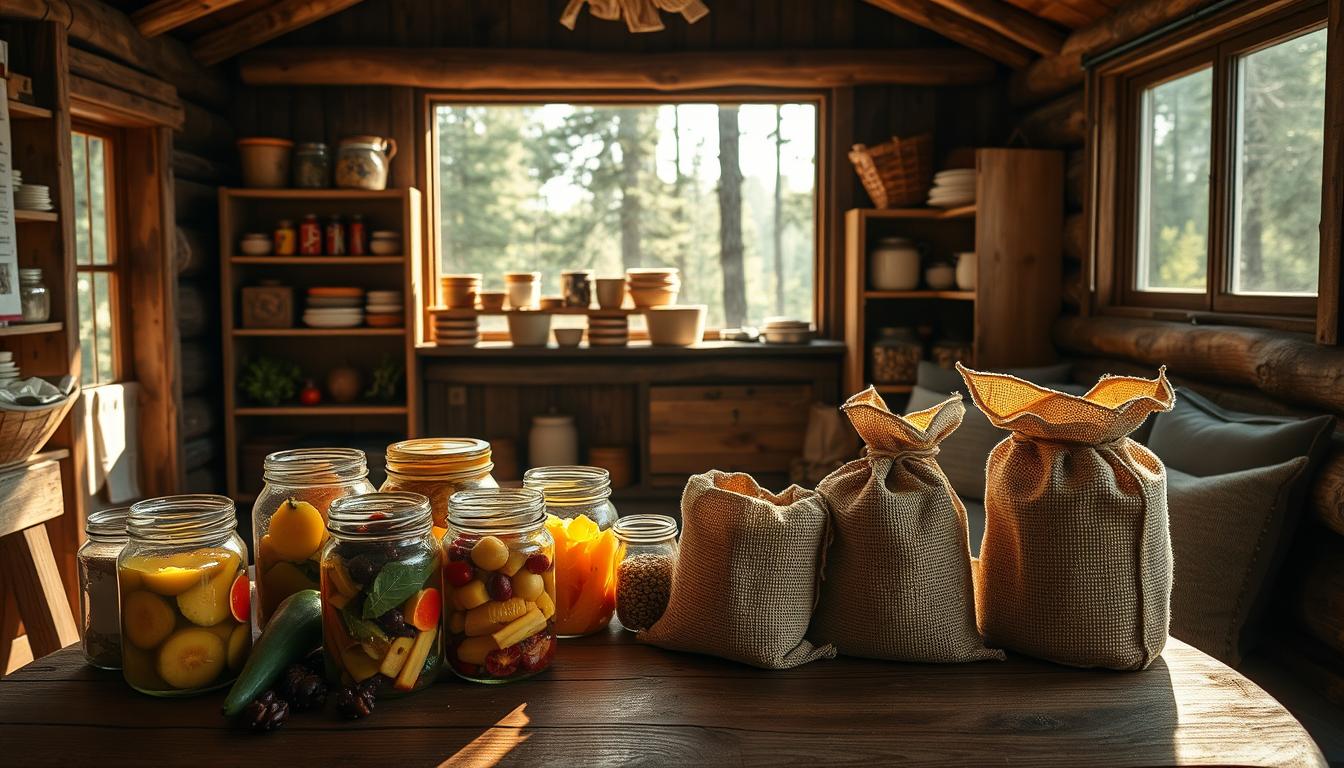
Glass and ceramic are great for dry goods and canned foods. They don’t react with food and seal well to keep food fresh.
Food-Grade Plastic and Metal Options
Food-grade plastic and metal are good for many foods. They’re strong and work for both short and long storage.
Natural Materials for Storage
Natural materials like bamboo and woven baskets are good for some foods. They let food breathe and are eco-friendly.
For more tips on off-grid food storage, check out basisland.com. They have lots of advice on keeping food fresh off the grid.
Traditional Preservation Methods for Self-Sufficiency
Traditional ways to store food are key for off-grid living. They help keep food fresh for a long time. This is important for living without modern tools.
Water Bath and Pressure Canning
Canning is a basic way to store food. It heats food to kill germs and seals it in containers. Water bath canning works for foods like fruits and pickles. But, pressure canning is needed for foods like meats and veggies.
Dehydration and Solar Drying
Dehydration takes moisture out of food to stop it from spoiling. Solar drying uses the sun to dry food. Electric dehydrators dry food faster. Both methods are good for keeping fruits, veggies, and herbs fresh.

Fermentation and Pickling
Fermentation lets food break down naturally. This makes lactic acid and keeps food fresh. Pickling uses brine or vinegar to preserve foods like veggies.
Smoking, Salting, and Curing
Smoking dries food with smoke, adding preservatives. Salting and curing use salt to keep moisture out. They often mix salt with sugar and nitrates.
Root Cellaring and Cold Storage
Root cellaring stores food in a cool, humid place. Cold storage keeps a steady temperature and humidity. It’s great for storing root veggies and other produce.
| Preservation Method | Description | Best Used For |
|---|---|---|
| Water Bath Canning | Heating food in a water bath to kill bacteria | High-acid foods like fruits and pickles |
| Dehydration | Removing moisture from food | Fruits, vegetables, and herbs |
| Fermentation | Allowing food to break down naturally by microorganisms | Vegetables, meats, and dairy products |
Building and Organizing Your Off-Grid Pantry
Creating a well-organized off-grid pantry is key for food storage. A good pantry keeps food fresh and easy to find.
Root Cellar Design and Construction
A root cellar is a must for an off-grid pantry. It keeps veggies, fruits, and other foods cool and dark. When building a root cellar, think about insulation, ventilation, and how easy it is to get to. Good insulation keeps the temperature steady, and enough ventilation stops moisture from building up.
Pantry Organization Systems
Good pantry organization is vital for keeping food fresh. Use the right shelves, containers, and labels. Grouping food and using clear labels makes it easy to find and keep track of what you have.
Inventory Management Without Technology
Managing food without tech means tracking it by hand. Use a “first-in, first-out” rule to eat older items first. Check expiration dates and move stock around to keep everything fresh.
Food Grouping and Accessibility Strategies
Organize food by type (like grains, canned goods, baking stuff) for better access. Store things you use often where you can easily reach them. This makes cooking easier and cuts down on waste. Use baskets or bins for similar items to make them easier to find.
Alternative Energy Solutions for Food Storage
Off-grid living means finding new ways to store food. People want solutions that are reliable and work well without the grid.
Solar-Powered Refrigeration Options
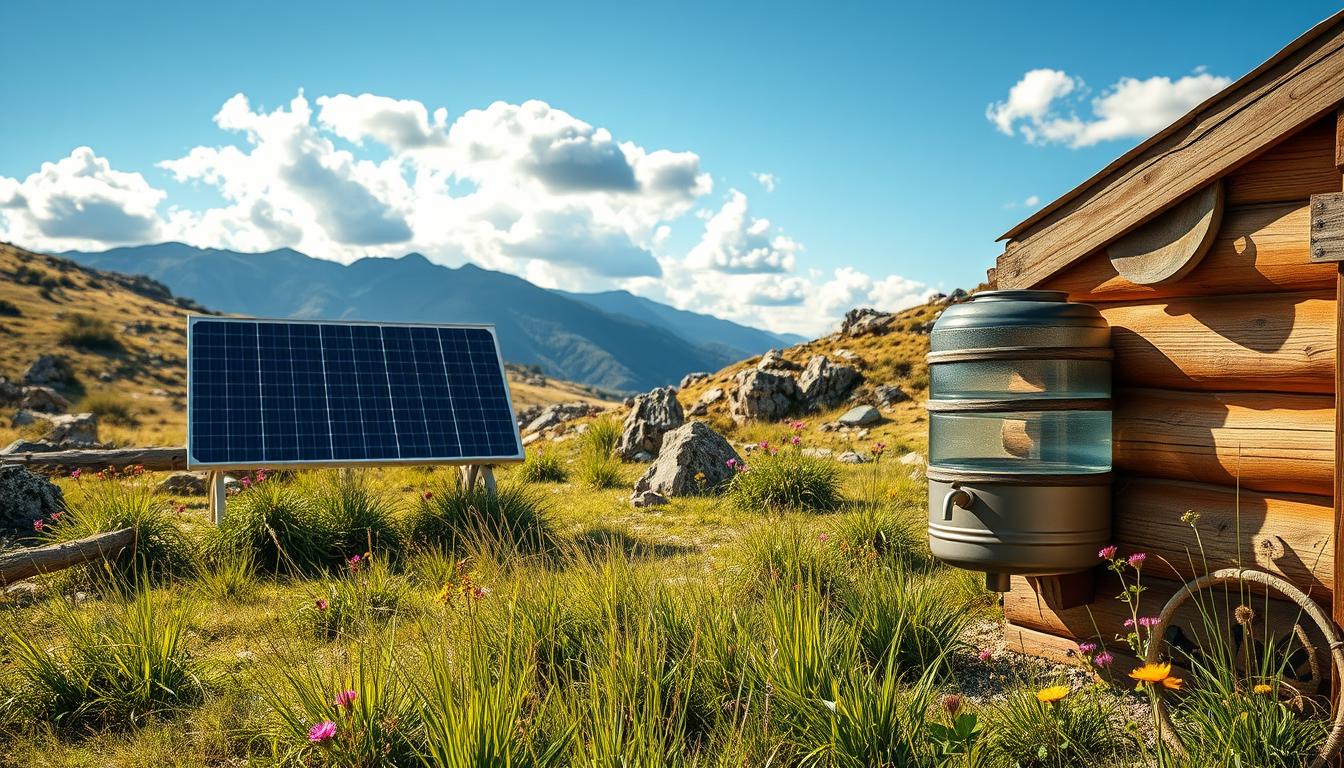
Solar-powered fridges are a great choice for off-grid living. They use the sun to make electricity for the fridge. This is good for the planet and cuts down on energy bills.
Propane and Other Fuel-Based Systems
Propane fridges are good when the sun isn’t out much. They keep food cold, even when it’s hard to do so.
Zero-Energy Cooling Solutions
Zero-energy coolers use nature to keep food cold. They don’t need electricity. This is cool and saves energy.
Backup Systems for Emergencies
It’s key to have backup plans for food storage in emergencies. This could be extra fridges or other ways to cool food.
| Energy Solution | Advantages | Disadvantages |
|---|---|---|
| Solar-Powered | Eco-friendly, reduces energy costs | Dependent on sunlight, high initial cost |
| Propane-Based | Reliable, works in various conditions | Fuel costs, safety concerns |
| Zero-Energy | No energy costs, environmentally friendly | Limited cooling capacity, dependent on natural conditions |
Conclusion
Keeping food stored well is key for living off the grid. It helps you stay self-sufficient and safe from hunger. By learning the basics and using smart ways, you can always have food ready.
Important steps like controlling temperature, managing humidity, and stopping pests are vital. Old ways like canning, drying, and fermenting help keep food good for a long time.
Using tips for off-grid living and smart food storage can make you more food secure. It also means you need less help from others. Solar power for keeping food cold is another great idea.
With these smart storage ideas, you can live a greener, more independent life. Even in tough off-grid places, you can thrive.
FAQ
What are the most important factors to consider when storing food off-grid?
When storing food off-grid, think about temperature, humidity, and pests. Know your climate well. This helps pick the best storage methods.
How do I plan a reliable off-grid food supply?
Plan your food needs for various times and make a balanced diet. Think about the seasons too. Use rotation and prepare for each season.
What are some effective temperature control methods for off-grid food storage?
Use natural insulation, shading, and air flow for temperature control. Root cellaring and cold storage also work well.
How can I prevent pests from damaging my stored food?
Keep food in tight containers and use natural pest repellents. Keep your storage area clean and tidy.
What are some alternative energy solutions for food storage?
Try solar-powered fridges, propane systems, or zero-energy coolers. Have backup systems for emergencies to keep food safe.
How do I build and organize an off-grid pantry?
Design a root cellar or storage area. Use pantry systems and manage without tech. Group food and make it easy to reach.
What are some traditional preservation methods for self-sufficiency?
Use canning, drying, fermentation, smoking, salting, and curing. Root cellaring and cold storage also work.
How can I maintain a sustainable food storage system?
Check your storage often, use rotation, and think about the seasons. Choose eco-friendly materials and containers.

Subscribe to Our Newsletter