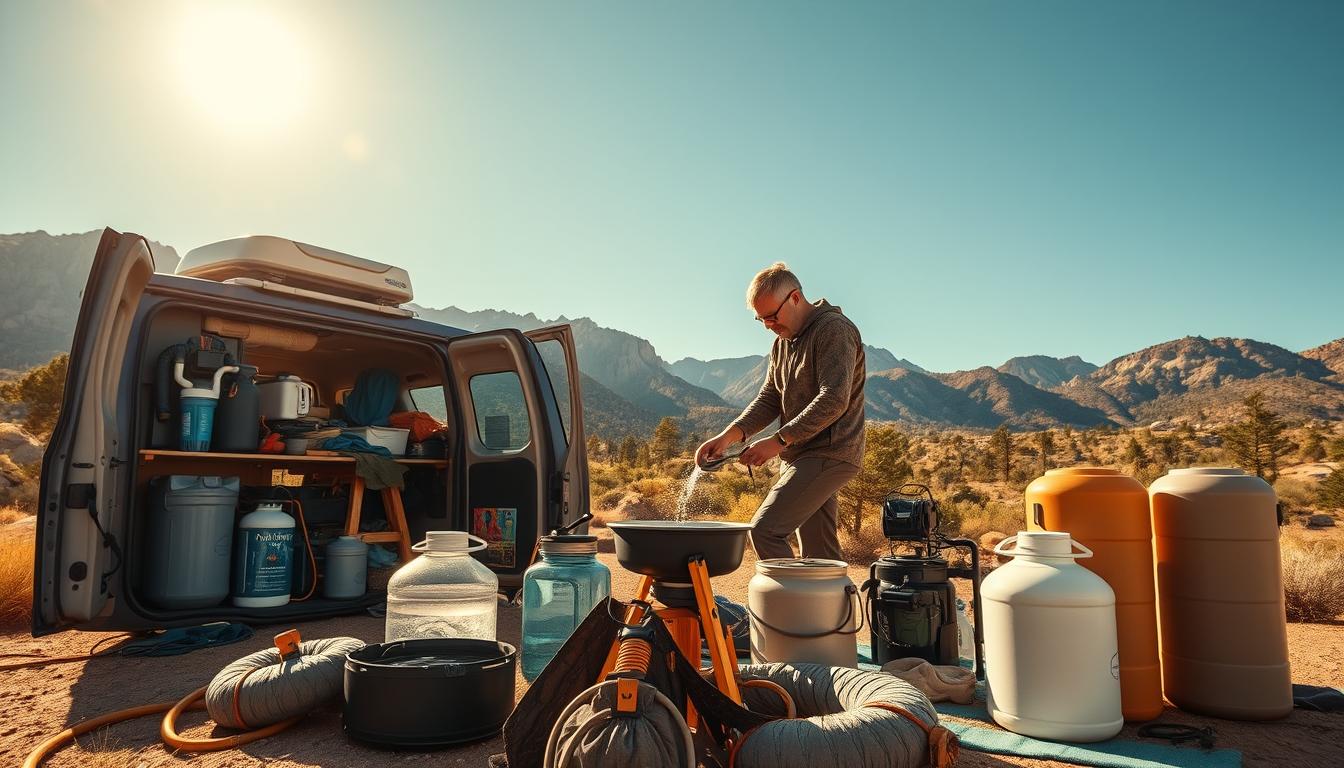
For outdoor lovers and those wanting to live off the grid, a good off-grid power solution is key. It’s vital for camping, RVing, or fishing. You need a reliable energy source.
Thank you for reading this post, don't forget to subscribe!Starting with alternative energy is easy. Knowing the basics helps you choose the right energy for you.
This article will give you a full look at off-grid power systems. We’ll cover their basics and why they matter.
Key Takeaways
- Understanding off-grid power systems is key for smart choices.
- They offer a steady energy source for outdoor fans.
- Alternative energy is vital for living on your own.
- Off-grid systems work well for camping and RVing.
- Knowing about off-grid systems helps you pick the best one.
What Are Off Grid Power Systems?
Off-grid power systems are key for those wanting to cut down on carbon emissions. They provide a great option to traditional energy sources. This is because they make electricity on their own, without needing the local grid.
Definition and Basic Concepts
An off-grid system uses solar or wind power to make electricity. It doesn’t rely on the local grid. This means it can keep working even when there’s a blackout.
Key components include power sources, storage, and distribution gear. Together, they ensure a steady and efficient energy supply.
Why People Choose to Go Off Grid
Many choose off-grid for energy freedom and to lower their carbon footprint. Off-grid systems let people make their own electricity. This cuts down on their need for public utilities.
| Reasons to Go Off Grid | Benefits |
|---|---|
| Energy Independence | Reliable electricity without grid dependence |
| Reduced Carbon Footprint | Lower environmental impact through renewable energy |
| Cost Savings | Long-term savings on electricity bills |
Essential Components of Off Grid Power Systems
Knowing the key parts of off-grid power systems is key to using renewable energy well. An off-grid system works on its own, giving you power when you need it.
Power Generation Sources
These sources are the heart of off-grid systems. They grab energy from nature and turn it into electricity.
Solar Panels
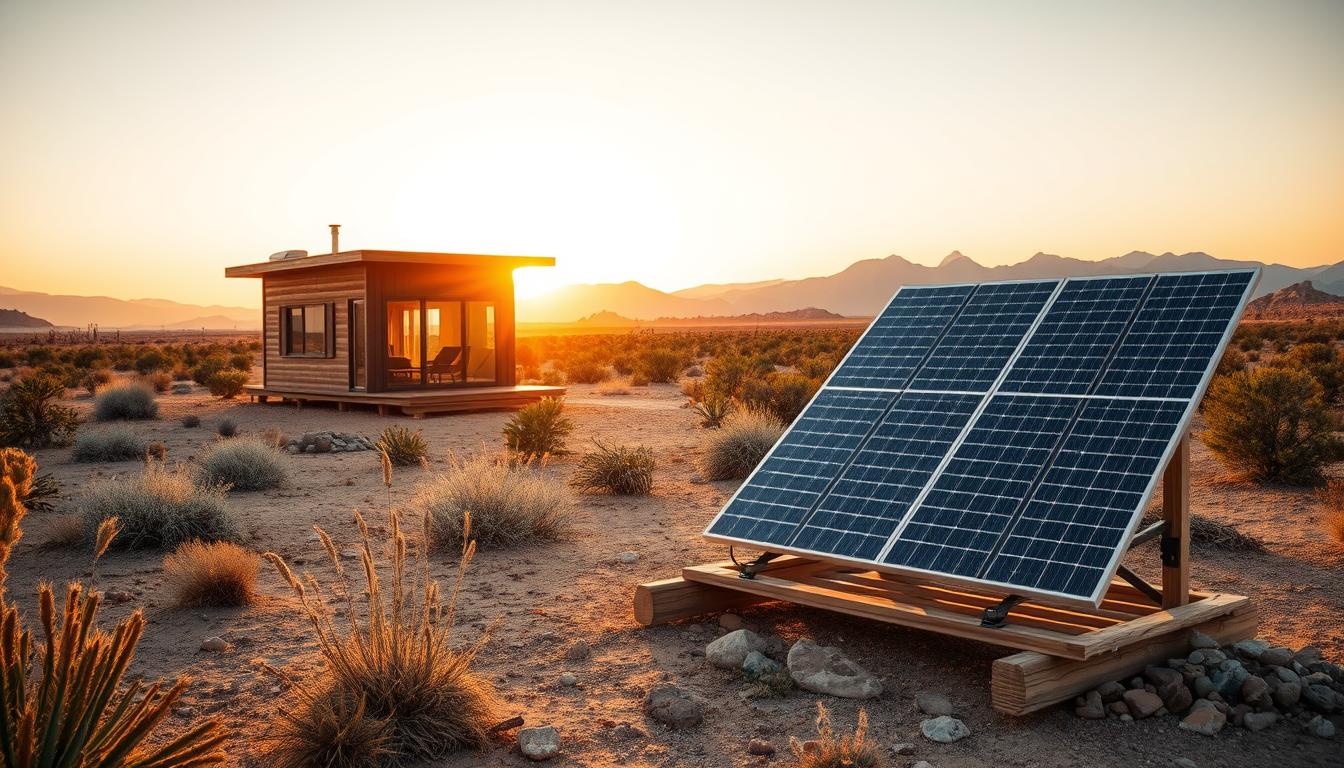
Solar panels make electricity from sunlight using special cells.
Wind Turbines
Wind turbines turn wind’s energy into electricity.
Generators
Energy Storage Solutions
Storing extra energy is vital. It keeps the power steady when it’s low.
Battery Types and Capacities
There are many battery types, like deep cycle and lithium-ion. They meet different energy needs.
Battery Maintenance
Keeping batteries in good shape is key. Regular battery maintenance helps them last longer.
Inverters and Charge Controllers
Inverters change DC power to AC for homes. Charge controllers manage energy flow to batteries, avoiding damage.
Distribution and Safety Equipment
Distribution gear, like circuit breakers, ensures safe energy use. Safety tools, like surge arrestors, protect against electrical issues.
| Component | Function |
|---|---|
| Solar Panels | Convert sunlight into electricity |
| Wind Turbines | Generate electricity from wind energy |
| Generators | Provide backup power |
| Batteries | Store excess energy |
| Inverters | Convert DC to AC power |
| Charge Controllers | Regulate energy flow |
For a full guide on starting with off-grid solar, check out The Cabin Depot’s Beginner’s Guide.
Types of Off Grid Energy Systems
Off-grid energy systems come in many types. They help people who want to be free from the grid. These systems are good for the planet and give people freedom.
Solar Power Systems
Solar power systems are very popular. They turn sunlight into electricity with PV panels.
Grid-Tied vs. True Off-Grid Solar
True off-grid solar systems work alone, using batteries for power. Grid-tied systems connect to the grid and can send extra power back.
Solar Panel Efficiency and Placement
How well solar panels work depends on their efficiency and where they are placed. They should get lots of sunlight.
Wind Power Systems
Wind power systems use wind to make electricity with turbines. They work well in places with steady wind.
Hydroelectric Systems
Hydroelectric systems use water to make electricity. They are very good but need a water source like a river.
Hybrid Systems
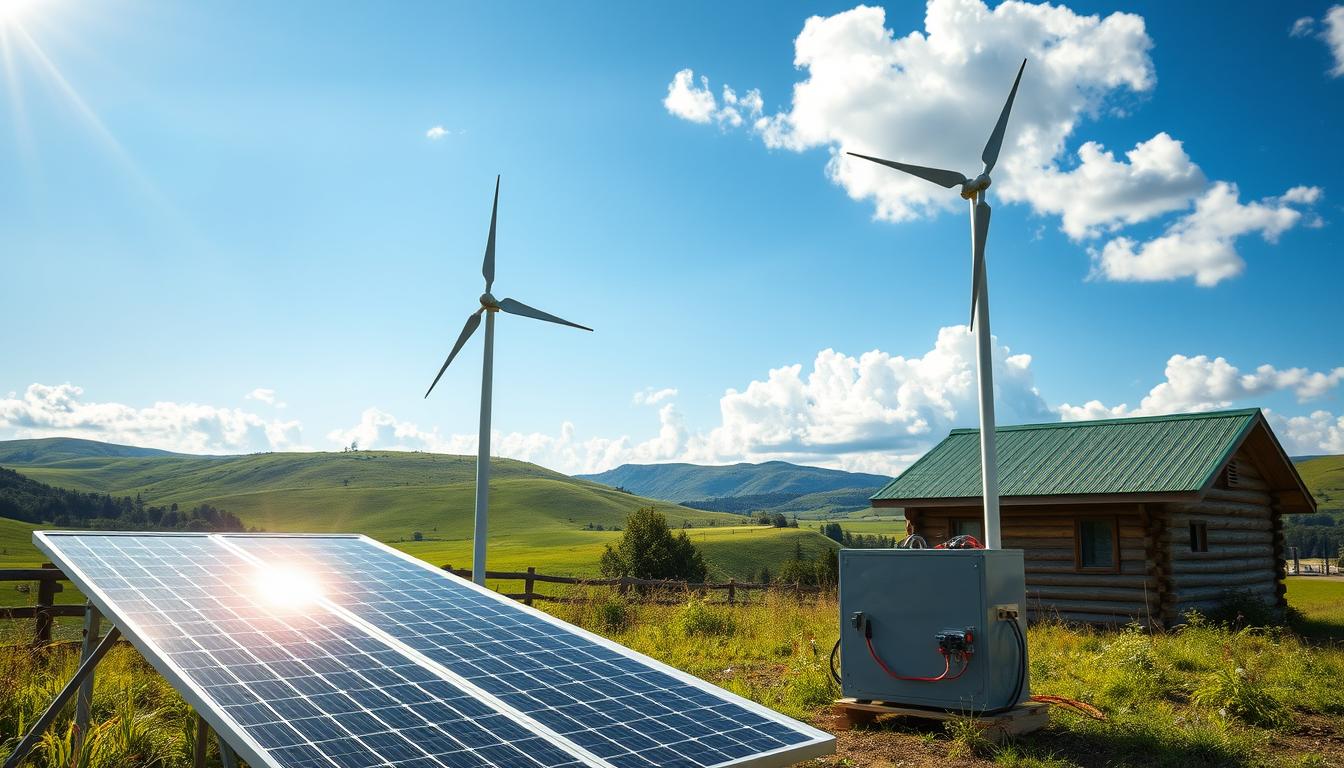
Hybrid systems mix different energy sources like solar, wind, and diesel. They are flexible and meet different energy needs.

| System Type | Energy Source | Efficiency |
|---|---|---|
| Solar | Sunlight | 15-20% |
| Wind | Wind | 45-50% |
| Hydroelectric | Water | 90% |
| Hybrid | Variable | Variable |
How to Build an Off Grid Power System
Building an off-grid power system starts with knowing your energy needs. Then, you design and install the system. This way, it fits your needs and works well.
Assessing Your Energy Needs
The first step is to figure out how much energy you use each day. This helps decide how big your system should be.
Load Calculation Methods
Next, list all your appliances and how much power they use. Also, note how long you use them each day. This info helps size your system right.
Designing Your System
Choosing the right parts for your system is key. Pick a power source, storage, and other needed items based on your needs.
Sizing Components Correctly
It’s important to size your system parts right. This ensures your system works well and reliably. Make sure your power source and storage can handle your energy use.
| Component | Considerations | Importance |
|---|---|---|
| Power Generation Source | Solar, Wind, Hydro | High |
| Energy Storage | Battery Type, Capacity | High |
| Inverter/Charge Controller | Compatibility, Efficiency | Medium |
Installation Process
Setting up your system means installing the power source, storage, and other parts. Always follow the maker’s instructions and safety tips.
Maintenance Requirements
Keeping your system in good shape is vital. Check your batteries, clean solar panels, and look over wiring and connections regularly.
Off Grid Power Systems Explained Simply: Benefits and Challenges
Understanding off-grid power systems is key to making a smart choice. Off-grid living lets you use less traditional energy and live more sustainably.
Advantages of Off Grid Living
Off-grid power systems have many benefits. They give you energy freedom and lower your carbon footprint. You can use renewable energy to cut down on grid use.
Energy Independence
Energy independence is a big plus of off-grid living. You make your own energy. This means you’re not stuck with grid outages or price hikes.
Environmental Benefits
Off-grid power systems also help the planet. They use solar and wind power. This lowers your carbon footprint and helps the future.
Common Challenges and Solutions
Off-grid power systems have their downsides. Weather and system limits are big issues.
Weather Dependence
Weather is a big challenge. Solar panels need sun, and wind turbines need wind.
System Limitations
System limits are another problem. The energy storage system’s size can limit energy when it’s low.
| Challenge | Solution |
|---|---|
| Weather Dependence | Diverse energy sources, energy storage |
| System Limitations | Proper system sizing, regular maintenance |

Cost Considerations for Off Grid Electricity
Off-grid power setup costs can vary a lot. This depends on the system’s size and complexity. It’s important for those thinking about off-grid living to know these costs.
Initial Investment
The first cost is for the equipment like solar panels and wind turbines. You also need batteries and inverters. Installation and permits add to the initial cost.
A breakdown of typical costs for an off-grid solar power system is as follows:
| Component | Cost Range |
|---|---|
| Solar Panels | $3,000 – $10,000 |
| Batteries | $2,000 – $5,000 |
| Inverter/Charge Controller | $1,000 – $3,000 |
| Installation | $2,000 – $5,000 |
Long-term Savings
The initial cost is big, but long-term savings are even bigger. You can cut down or get rid of monthly bills. EnergySage says homeowners can save thousands over time.
Financing Options and Incentives
The upfront cost can be a hurdle. But, there are ways to make it easier. Governments offer tax credits and rebates for green energy. Special financing plans can also help spread out the cost.
[link-whisper-related-posts]Conclusion
Off-grid power systems are a reliable and green way to meet energy needs. They give people the freedom to make their own power. Knowing about these systems helps people make smart choices for their energy future.
These systems have key parts like power makers, storage, inverters, and controllers. The right system depends on what energy you need and what you have.
Explaining off-grid power systems simply shows a path to energy freedom. People can use green energy to power their homes and work places. This can save money and reduce dependence on the grid, making it a great choice for energy independence.
Thinking about the good and bad of off-grid systems is the first step to a greener energy future.
FAQ
What is an off-grid power system?
An off-grid power system makes its own energy. It doesn’t rely on the traditional grid.
Why do people choose to go off-grid?
People go off-grid for many reasons. They want energy freedom, less carbon, and to live in remote places.
What are the essential components of an off-grid power system?
Key parts include power makers, storage, inverters, and safety gear. Charge controllers and distribution equipment are also important.
What are the different types of off-grid energy systems?
There are solar, wind, hydro, and hybrid systems. Each has its own good points and downsides.
How do I build an off-grid power system?
First, figure out how much energy you need. Then, design and install the system. This includes power makers and storage.
What are the benefits of off-grid living?
Living off-grid means you’re free from energy dependence. It also cuts down on carbon and lets you live in remote spots.
What are the common challenges of off-grid power systems?
Challenges include high costs and upkeep needs. But, with good planning, these can be managed.
How much does an off-grid power system cost?
Costs vary by system size and type. They can be a few thousand to tens of thousands of dollars.
Are there financing options available for off-grid power systems?
Yes, there are loans, grants, and tax credits for financing. These help make off-grid systems more affordable.
What is the role of energy storage in off-grid power systems?
Energy storage is key. It saves extra energy for when it’s needed, like at night or when production is low.
Can I use off-grid power systems for my home or business?
Yes, off-grid systems work for both homes and businesses. They offer reliable, green energy.

Subscribe to Our Newsletter