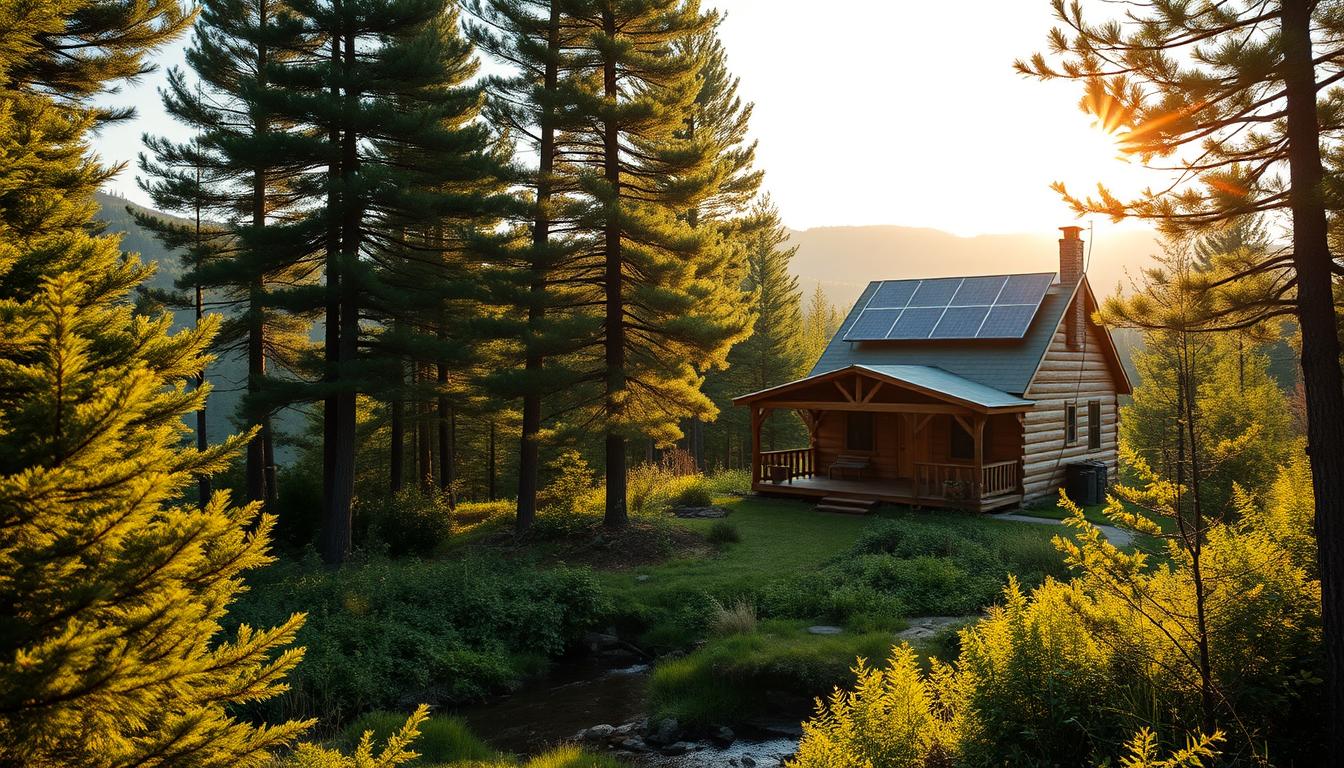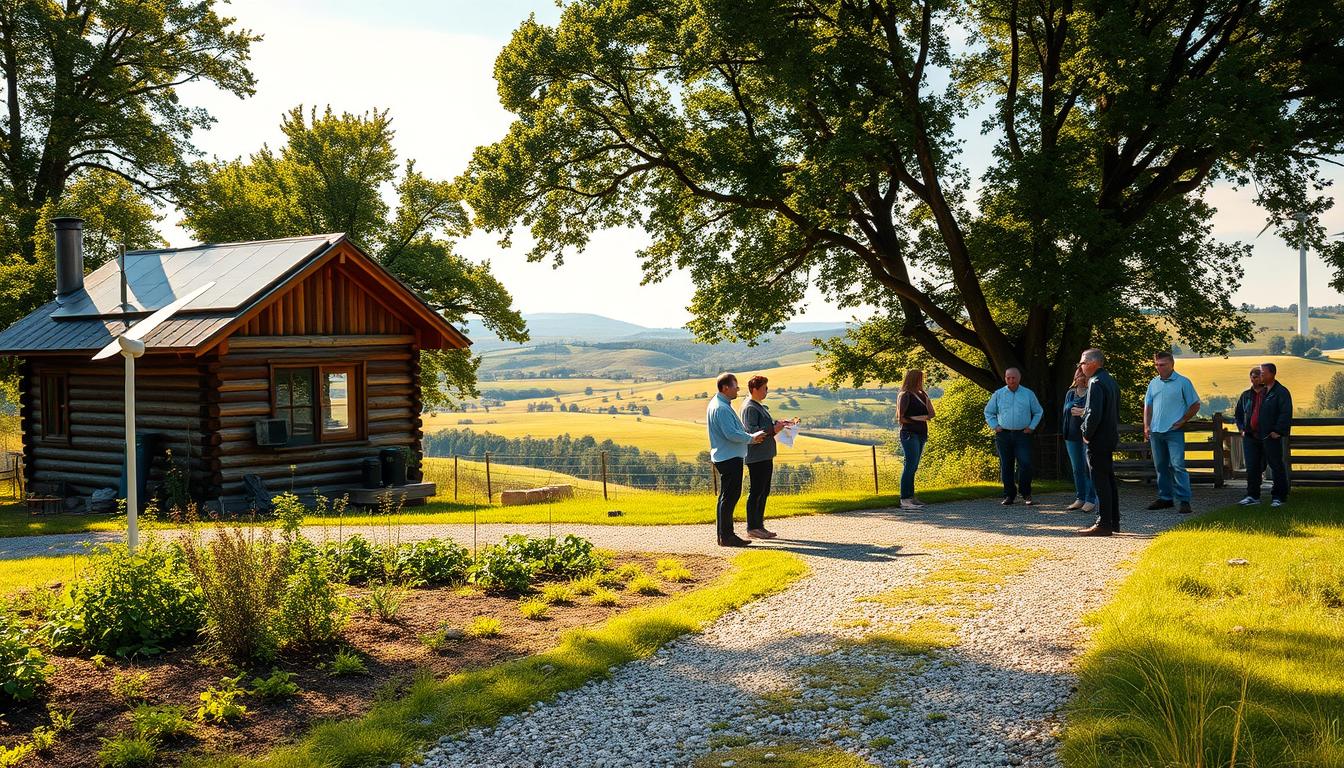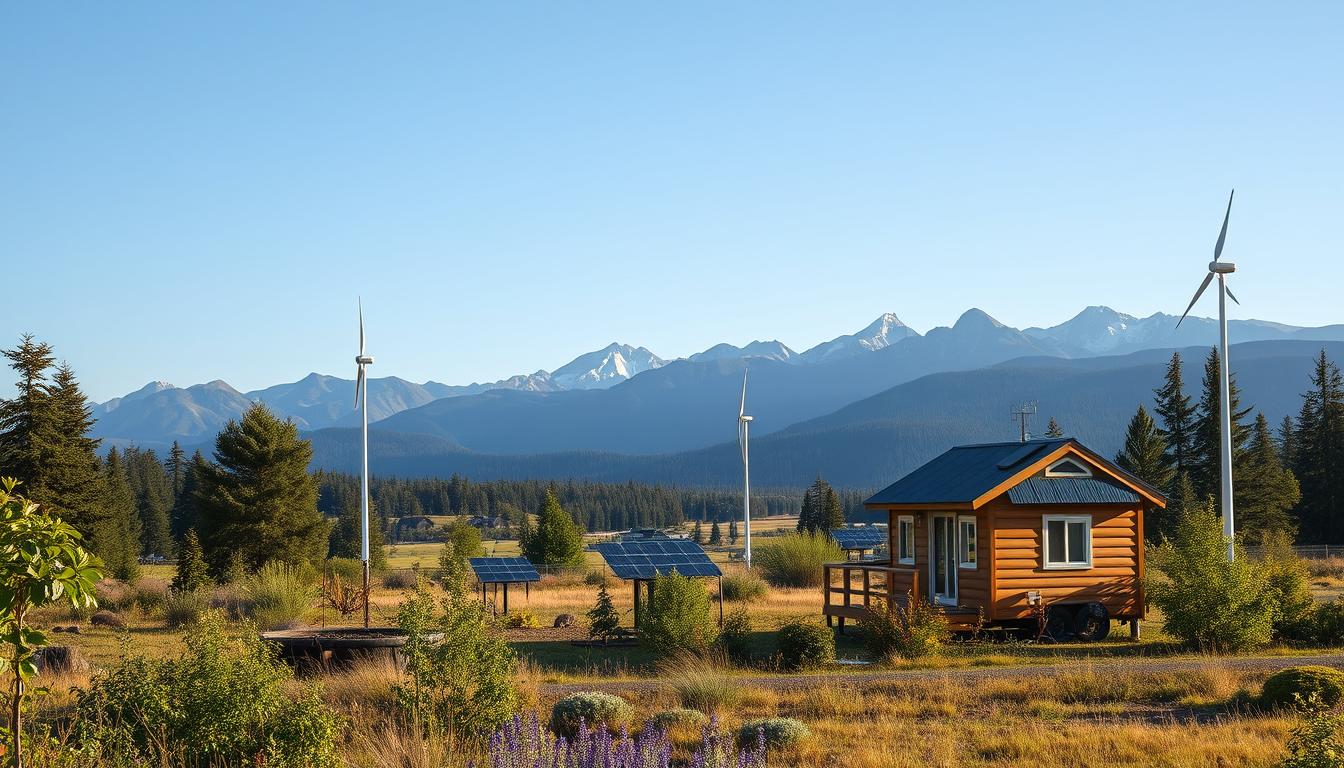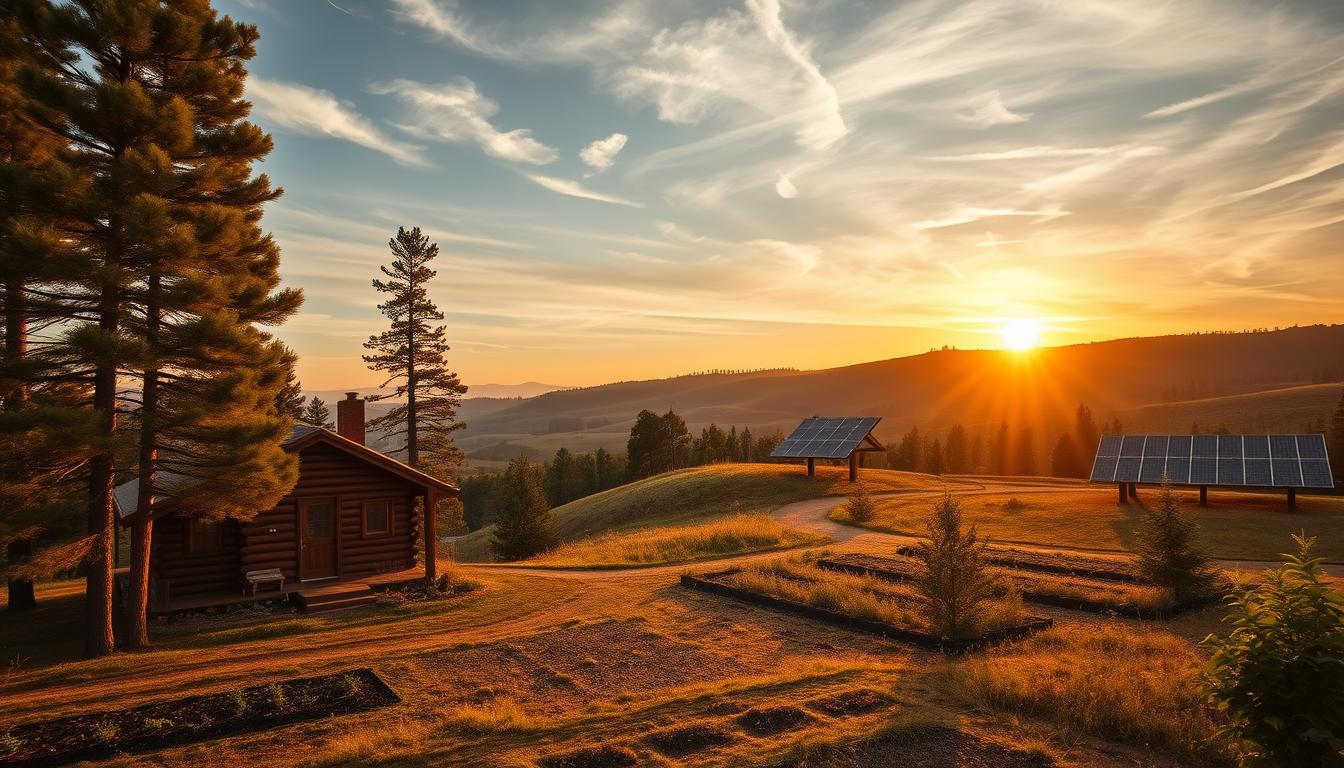
Wisconsin’s rural areas and easy laws make it a great place for those wanting to live off the grid. It’s seen as one of the top spots for off-grid living because of its loose rules.
Thank you for reading this post, don't forget to subscribe!The state’s rules for off-grid living are pretty easy. This lets people live in a way that’s better for the planet and more independent. With many Amish already living off the grid, Wisconsin is perfect for those wanting to leave the city behind.
Key Takeaways
- Wisconsin is considered one of the best states for off-grid living due to its lenient laws.
- The state has a large population of Amish living off-grid, showing it’s possible.
- Rules on water use, zoning, and building codes are pretty relaxed.
- Generating electricity off-grid is legal, with simple permits for solar and wind power.
- Private Onsite Wastewater Treatment Systems (POWTS) have specific rules to follow.
Understanding Off-Grid Living in Wisconsin
Thinking about off-grid living in Wisconsin? It’s key to know the laws and the environment. This lifestyle means you’re on your own, not tied to public services. It’s rewarding for those who love it.
What Constitutes Off-Grid Living
Off-grid living means making your own power, getting your own water, and handling waste by yourself. You might use solar or wind power. Or, you could collect rainwater and use special toilets.
Wisconsin’s Climate Considerations for Self-Sufficiency
Wisconsin’s weather changes a lot, with cold winters and hot summers. You need a good plan for living off-grid. This includes how to make and store energy, keep warm, and manage water.
| Climate Factor | Consideration for Off-Grid Living | Potential Solutions |
|---|---|---|
| Cold Winters | Energy generation and storage | Solar panels with battery storage, wind turbines |
| Warm Summers | Water management | Rainwater harvesting systems, efficient irrigation |
| Variable Weather | Insulation and weatherproofing | High-quality insulation, weatherproof construction materials |
Want to know more about living off-grid legally? Check out Mossy Oak Properties. They explain the legal side of off-grid living on recreational land.
Off Grid Living Laws and Rules in Wisconsin
Knowing the laws is key for off-grid living in Wisconsin. The state has rules for off-grid living, with both state and local laws.
State-Level Regulations
Wisconsin has rules for off-grid living, like building codes and energy generation. The Wisconsin Uniform Dwelling Code sets building standards for off-grid homes.
County and Municipal Variations
State laws are a starting point, but local areas can add more rules. For example, some places might have stricter building codes or zoning rules for off-grid living.
Recent Legal Changes Affecting Off-Grid Living
Wisconsin has made new laws for off-grid living, like for renewable energy and water use. Here’s a quick look at the changes:
| Legal Change | Description | Impact on Off-Grid Living |
|---|---|---|
| Renewable Energy Credits | Incentivizes the use of solar and wind energy | Encourages off-grid energy generation |
| Water Conservation Laws | Regulates water usage and conservation | Affects rainwater harvesting practices |
| Building Code Updates | Updates construction standards for safety and efficiency | Impacts the construction of off-grid homes |
To follow Off Grid Living Requirements Wisconsin, learn about state and local laws. Also, keep up with recent changes for Off Grid Living Permits Wisconsin.
Building Codes and Permit Requirements
Off-grid living in Wisconsin needs you to know the building codes and permits. These rules make sure buildings are safe and last long. It’s key for off-grid homesteaders to follow these rules.
Wisconsin Uniform Dwelling Code
The Wisconsin Uniform Dwelling Code sets rules for building homes. It talks about design, materials, and how to build. This ensures homes are safe and use less energy. All new homes, including off-grid ones, must follow this code.

Building Permit Process by County
In Wisconsin, getting a building permit changes by county. Off-grid homesteaders need to ask their local county about their area’s rules. You’ll need to send in your plans and details for review.
- Check with local county authorities for specific permit requirements
- Submit plans and specifications for review
- Ensure compliance with local building codes and regulations
Tiny Homes and Alternative Structures
Tiny homes and other unique structures have their own rules in Wisconsin. Some places are more relaxed, while others are stricter. It’s important to know the laws in your area and make sure your home fits the rules.
Knowing and following Wisconsin’s building codes and permits is vital for off-grid living. By learning about the Off Grid Living Zoning Laws Wisconsin and local rules, you can make sure your home is safe, green, and legal.
Water and Waste Management Regulations
To live off-grid in Wisconsin, you must follow the state’s water and waste rules. These rules help keep everyone healthy and protect the environment.
Effective management of water and waste is key for off-grid living. Wisconsin has rules for water and waste, like well construction, water rights, and septic systems. There are also rules for composting toilets, greywater systems, and rainwater harvesting.
Well Regulations and Water Rights
Wisconsin has rules for wells and water rights. The Department of Natural Resources (DNR) makes sure wells are safe and don’t harm groundwater. Well owners must follow rules for construction, pumping, and testing.
Water rights in Wisconsin follow the “reasonable use” rule. This lets landowners use their well water for good purposes without harming others.
Septic Systems and Composting Toilets
Septic systems and composting toilets have different rules in each county. The state gives guidelines for their design, installation, and upkeep. This helps prevent groundwater pollution and keeps people healthy.
Composting toilets are a green choice for waste management. But, they must be set up and cared for according to state and local laws.
Greywater Systems and Rainwater Harvesting
Greywater systems, which use water from sinks and showers for irrigation, have specific rules. They must be designed and installed to avoid health risks and harm to the environment.
Rainwater harvesting also has rules. There are guidelines for collecting, storing, and using rainwater for non-drinking purposes.
It’s important for off-grid residents to know and follow these rules. This ensures their water and waste systems are safe, green, and legal.
Energy Systems and Utilities
In Wisconsin, off-grid living means knowing about energy systems and utilities. The state’s rules are key to how people live off the grid.
Solar and Wind Power Regulations
Wisconsin has rules for solar and wind power systems. For example, there are laws about connecting renewable energy to the grid. This ensures safety and works well. You can learn more in the Wisconsin Legislative Council’s briefing book on utilities and.
| Renewable Energy Source | Regulatory Body | Key Regulations |
|---|---|---|
| Solar Power | Wisconsin Public Service Commission | Interconnection standards, net metering laws |
| Wind Power | Wisconsin Department of Natural Resources | Environmental impact assessments, zoning regulations |
Wood Burning and Heating Requirements
For wood burning heat, Wisconsin has rules for safety and the environment. These include chimney safety and wood stove rules. Following these rules is important for safe and good heating.

Grid Connection Requirements vs. Independence
People must choose between the grid or going it alone. The grid is reliable but has rules and costs. Going solo means you’re free but need to invest in your own energy. Knowing these choices helps make good decisions.
By understanding these rules and options, Wisconsinites can manage their energy needs. They can choose to connect to the grid or be independent.
Property Considerations for Off-Grid Living
Thinking about property is key when you want to live off-grid in Wisconsin. It’s important to know the factors that affect your choice.
Land Use and Zoning Restrictions
Wisconsin has different zoning laws in each county and town. You must check the zoning regulations in your area. This ensures you follow local rules.
Some places might limit the size and type of off-grid homes. You can find out more by talking to local officials or visiting their websites. For more info, see tiny home regulations in Wisconsin.
Property Taxes and Homestead Exemptions
Knowing about property taxes and exemptions is important. Wisconsin has homestead exemptions that can lower your taxes. Talking to a tax expert can help you understand these benefits for your off-grid property.
Agricultural Classification Benefits
Classifying your property as agricultural can save you money on taxes. In Wisconsin, farms and agricultural lands get lower tax rates. You need to meet certain income requirements to qualify. This can help make off-grid living more affordable.
[link-whisper-related-posts]Conclusion: Successfully Living Off-Grid in Wisconsin
Living off-grid in Wisconsin needs careful planning. You must know the state’s laws and rules. This is key for a smooth move to self-sufficiency.
Learn about building codes, water and waste, energy systems, and property rules. This helps you follow the law and avoid problems. Getting the right Off Grid Living Permits Wisconsin is also important.
Wisconsin’s climate and land offer both chances and challenges. With the right knowledge, you can do well in the state’s countryside. You can live sustainably and independently.
FAQ
What are the building codes for off-grid homes in Wisconsin?
In Wisconsin, the Uniform Dwelling Code sets building standards. County rules also apply to off-grid homes.
Do I need a permit to build an off-grid home in Wisconsin?
Yes, you need a building permit. Permits differ by county. Always check with local authorities.
Are there regulations governing well construction and water rights in Wisconsin?
Yes, the state has rules for wells and water rights. Following these is key for off-grid living.
Can I use a composting toilet in my off-grid home in Wisconsin?
Yes, composting toilets are okay. But, local rules apply. Always check with authorities.
Are there any incentives for using renewable energy systems in Wisconsin?
Yes, there are rules for solar and wind power. Incentives might be available for these systems.
How do land use and zoning restrictions impact off-grid living in Wisconsin?
Land and zoning rules vary by state. Knowing these is vital when picking a property.
Are there any tax benefits available for off-grid homesteaders in Wisconsin?
Yes, tax benefits include property taxes and homestead exemptions. Agricultural benefits might also apply.
Can I harvest rainwater in Wisconsin?
Yes, rainwater harvesting is allowed. But, local rules must be followed.
What are the regulations governing greywater systems in Wisconsin?
Greywater systems have specific rules. It’s important to follow these for off-grid living.
Can I live off-grid without connecting to the grid in Wisconsin?
Yes, off-grid living without the grid is possible. But, grid connection and independence rules apply.

Subscribe to Our Newsletter