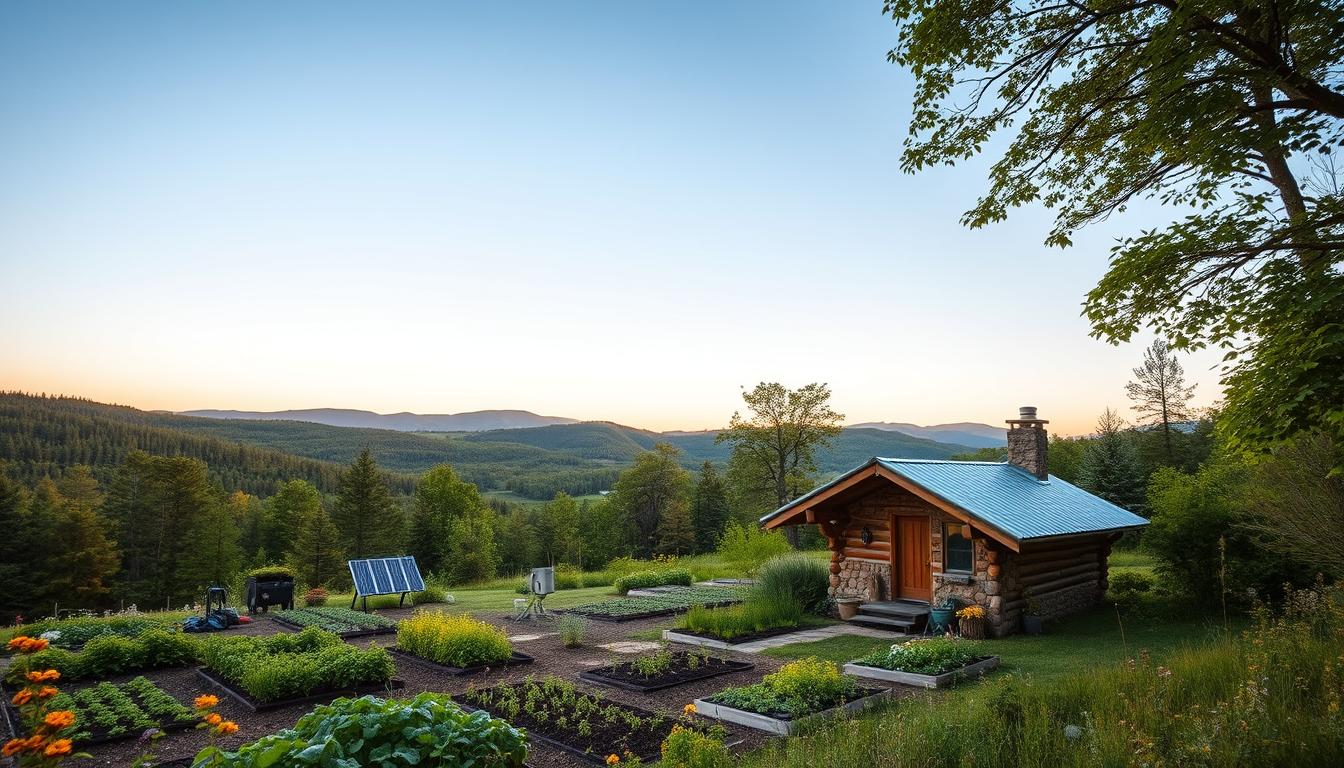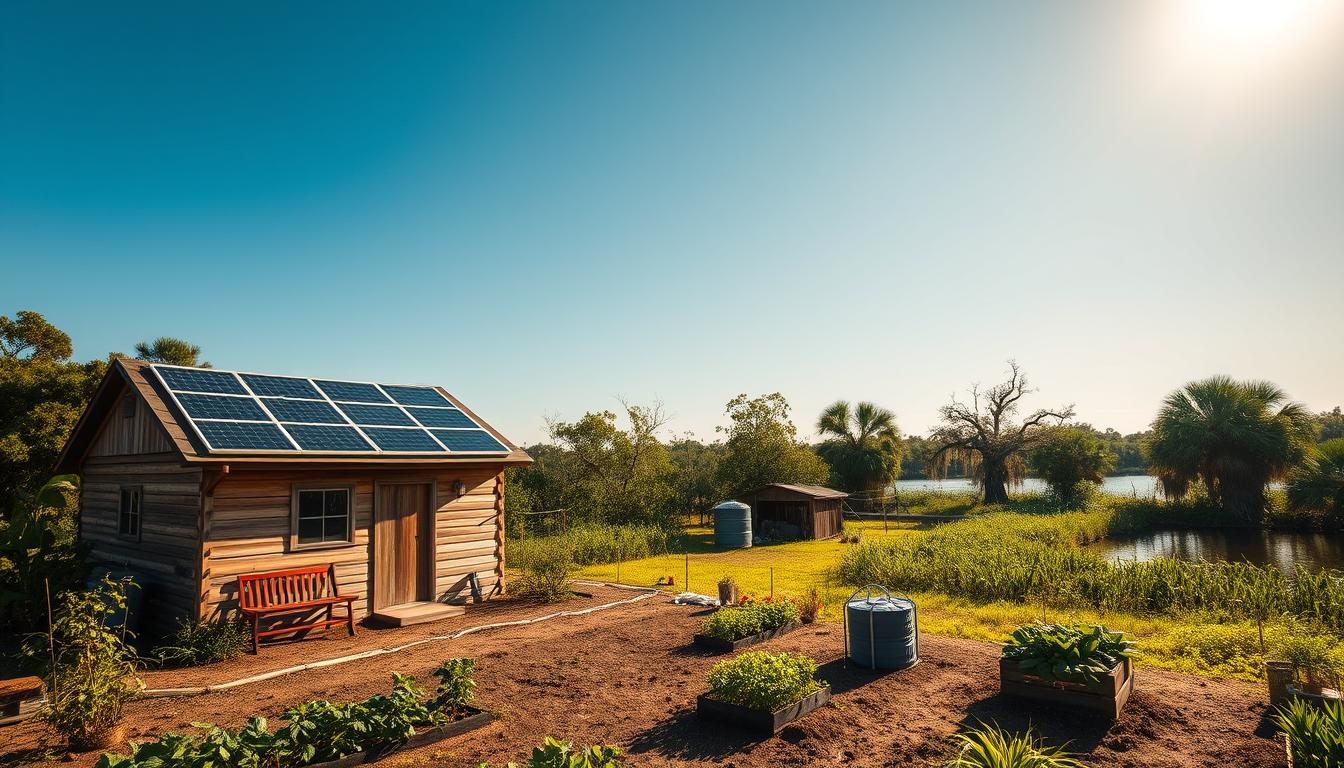
Washington State is full of natural beauty. It’s perfect for those wanting to live off the grid. With its forests, streams, and wildlife, it’s a great place for self-sufficiency. But, there are legal hurdles to jump over.
Thank you for reading this post, don't forget to subscribe!The rules for land use, building, and energy can be tough to understand. Knowing the laws is key for off-grid living in Washington.
Key Takeaways
- Understanding what constitutes off-grid living in Washington
- Familiarity with the legal framework governing off-grid living
- Knowledge of specific regulations regarding land use and building codes
- Awareness of water rights and waste management regulations
- Guidelines for energy generation and off-grid living
Understanding Off-Grid Living in Washington State
Washington State is becoming a top spot for off-grid living. This lifestyle means being self-sufficient. People use their own resources instead of public utilities.
What Constitutes Off-Grid Living
Off-grid living includes making your own power. This is often done with solar or wind energy. It also means collecting rainwater for your home.
Another key part is growing your own food. This can be through gardening or raising animals. It helps you be more independent.
Why Washington State is Popular for Off-Grid Living
Washington State has lots of natural resources. It’s full of forests, streams, and wildlife. These make it great for those wanting a self-sufficient life.
The state’s rules also support off-grid living. This makes it easier for people to live off the grid.
Legal Framework for Off Grid Living Laws and Rules in Washington
Knowing the laws for off-grid living in Washington is key for a self-sufficient life. The state has strict rules to protect the environment. The Growth Management Act (GMA) of 1990 is a big law that affects land use and development.
State vs. County Regulations
Off-grid living laws in Washington come from both the state and counties. State laws set the basics, but counties have their own rules. It’s important to know the laws in your county. For more info on Washington State off-grid laws, check https://www.primalsurvivor.net/washington-state-off-grid-laws/.
| Regulation Level | Key Aspects | Impact on Off-Grid Living |
|---|---|---|
| State | Growth Management Act (GMA), Environmental Protection | Dictates overall land use and development policies |
| County | Zoning laws, Land use policies | Influences specific requirements for off-grid living, such as minimum acreage and building codes |
Recent Legislative Changes Affecting Off-Grid Living
Recent laws can change off-grid living in Washington a lot. It’s important to keep up with updates to the GMA and other laws. For example, new rules on rainwater harvesting or septic systems can affect off-grid homes.
Make sure to check for updates on Washington Off Grid Living Guidelines and Off Grid Living Statutes Washington often. This way, you can stay in line with the latest rules.

Land Use and Zoning Regulations
Understanding land use and zoning rules is key for off-grid living in Washington State. These rules affect where and how you can live off-grid.
Rural vs. Urban Zoning Differences
Zoning laws in Washington State change a lot between rural and urban areas. Rural areas usually have more freedom for off-grid living. They have fewer rules than urban areas, which have strict rules.
Minimum Acreage Requirements
Minimum acreage rules are important too. Some counties have specific rules for the land size needed for off-grid living.
| County | Minimum Acreage | Off-Grid Living Restrictions |
|---|---|---|
| King County | 5 acres | Restrictions on well drilling and septic systems |
| Jefferson County | 10 acres | Fewer restrictions, more flexibility for off-grid living |
| Pierce County | 2.5 acres | Specific regulations on rainwater harvesting |
Tiny Homes and Alternative Dwellings Regulations
Tiny homes and alternative dwellings have their own rules. It’s important to know these rules for off-grid living in tiny homes or other structures.
Knowing the land use and zoning rules helps people navigate off-grid living in Washington State. It ensures they follow local laws.
Building Codes and Structural Requirements
Washington State has rules for off-grid homes. These rules make sure homes are safe and follow the law.
Minimum Dwelling Standards
Off-grid homes in Washington must follow certain standards. These include ventilation, insulation, and structural integrity. These rules help make homes safe, strong, and save energy.
- Adequate ventilation to prevent moisture buildup
- Proper insulation to maintain energy efficiency
- Structural elements that can withstand natural elements
Off-Grid Building Permits
Before you start building, you need a building permit. You must submit plans that meet state codes. For info on tiny homes, visit the Washington State Department of Labor & website.
Inspection Requirements
Inspections are needed to check if homes follow state rules. Inspections happen at different times, like when the foundation is laid and when the home is finished.
By following these rules, off-grid homeowners in Washington can have safe, green homes. And they will meet state laws.
Water Rights and Management
Managing water well is key for off-grid living in Washington State. The State Department of Ecology makes sure water use is balanced and safe.
Rainwater Harvesting Laws
Rainwater harvesting is okay in Washington, but with rules. You can collect rainwater for things like watering plants without a permit. But, bigger systems might need a permit. Always check with local authorities for exact rules.
Well Drilling Regulations
Drilling wells in Washington is watched closely. Drillers need a license, and wells must meet state standards. Before you start drilling, make sure you know about any local rules.
Water Usage Restrictions
Water use in Washington has limits, mainly during dry times. Off-grid folks need to watch their water use closely. The EPA is working on better water management.

| Regulation | Description | Permit Requirement |
|---|---|---|
| Rainwater Harvesting | Collection of rainwater for various uses | Registration or permit for larger systems |
| Well Drilling | Regulated drilling for groundwater access | Licensed driller required |
| Water Usage | Restrictions on water use, specially during droughts | Compliance with state and local regulations |
Waste Management and Sanitation Laws
Off-grid living in Washington means you must know the waste laws. These rules help keep everyone healthy and the environment safe. They make sure you handle waste right.
Living off-grid in Washington State means you must follow waste rules. The state has rules for composting toilets, greywater systems, and septic systems. These rules help protect the environment.
Composting Toilet Regulations
Composting toilets are good for the planet and are popular in off-grid homes. In Washington, composting toilet regulations are strict. They make sure these toilets work well and safely.
Greywater Systems
Greywater systems use water from sinks and showers for plants and toilets. Washington State lets you have these systems if they follow state rules. This keeps everyone healthy.
Septic System Requirements
Septic systems are key for homes not hooked up to sewage. Washington State has clear septic system requirements. These rules help keep water clean and people healthy.
It’s key to know and follow these rules to avoid trouble. By doing so, off-grid communities can live in harmony with nature.
Energy Generation and Utility Regulations
The Evergreen State supports renewable energy for off-grid living. Washington State’s rules on energy generation aim to balance green energy with safety and the environment.
Solar Power Regulations
Solar power gets a boost in Washington with tax credits and net metering laws. Homeowners can cut their energy bills and earn money by selling extra energy. The state has rules for solar system installation to keep things safe and efficient.
Wind Energy Restrictions
Wind energy is good for off-grid living but has limits in Washington. Local laws and environmental rules can restrict wind turbine placement, near homes or in wildlife areas.
Grid-Tie vs. Standalone Systems
Off-grid systems can be grid-tie or standalone. Grid-tie systems connect to the grid and can sell extra energy. Standalone systems work alone. Washington’s rules vary, with grid-tie systems needing special gear for grid stability.
Knowing these rules is key for following them and getting the most from renewable energy in off-grid living.
[link-whisper-related-posts]Conclusion: Navigating Off-Grid Living in Washington Successfully
Living off the grid in Washington needs you to know the laws well. This lifestyle lets you live self-sufficiently in the state’s beautiful nature.
To follow the rules and enjoy off-grid living, you must know about land use, building codes, and more. Knowing the Washington Off Grid Living Permit Process helps a lot.
Learning about Off Grid Living Laws and Rules in Washington helps you avoid problems. With good planning and following the rules, off-grid living in Washington can be fulfilling and green.
FAQ
What is considered off-grid living in Washington State?
Off-grid living in Washington State means using renewable energy and collecting rainwater. It also means growing your own food.
What are the main laws governing off-grid living in Washington?
The main laws in Washington cover many areas. They include the Growth Management Act, state building codes, and water rights laws. There are also rules for waste management and energy generation.
How do state and county regulations differ for off-grid living in Washington?
State laws set a general framework. But county rules can be more detailed. They can change a lot from one county to another. This affects land use, building codes, and more.
What are the zoning regulations for off-grid living in rural vs. urban areas?
Rural areas often have fewer rules for off-grid living. They let you use your land and build in ways urban areas don’t. Urban areas have stricter rules.
Are there specific regulations for tiny homes and alternative dwellings in Washington?
Yes, Washington has rules for tiny homes and alternative dwellings. These include minimum standards, building codes, and zoning rules. Each county has its own set of rules.
What are the requirements for obtaining an off-grid building permit in Washington?
To get a building permit, you must follow state building codes. You also need to meet minimum dwelling standards. And, your home must pass inspections to be safe and sound.
Can I harvest rainwater in Washington, and are there any restrictions?
Yes, you can harvest rainwater in Washington. But, there are rules. They cover the size of your collection system and its effect on local water.
What are the regulations on well drilling and water usage in Washington?
Well drilling in Washington is watched by the state’s Department of Ecology. They make sure wells are safe for groundwater. Water usage is also limited, mostly during droughts.
Are there specific laws governing composting toilets, greywater systems, and septic systems in Washington?
Yes, Washington has rules for composting toilets, greywater systems, and septic systems. These rules help protect the environment and public health. Each county and local health department has its own rules.
What are the incentives for solar power generation in Washington?
Washington gives incentives for solar power. This includes tax credits and laws that let you sell extra electricity back to the grid.
Are there restrictions on wind energy generation in Washington?
Yes, wind energy in Washington has rules. These include zoning, environmental impact, and noise standards. These vary by location.
What is the difference between grid-tie and standalone energy systems in Washington?
Grid-tie systems connect to the grid and let you sell extra energy. Standalone systems don’t connect to the grid. They use batteries to store energy when it’s not available.
How do Off Grid Living Laws and Rules in Washington impact my property?
Knowing Off Grid Living Laws in Washington is key. They affect how you use your land, what you can build, and managing resources like water and energy.
What are the Off Grid Living Regulations Washington for building codes?
Washington’s building codes for off-grid homes are strict. Homes must meet minimum standards, get permits, and pass inspections. This ensures they follow state codes.
How do Washington Off Grid Living Guidelines affect water rights?
Washington’s guidelines for off-grid living impact water rights. They regulate rainwater harvesting, well drilling, and water use. This ensures off-grid residents follow state laws on water.

Subscribe to Our Newsletter