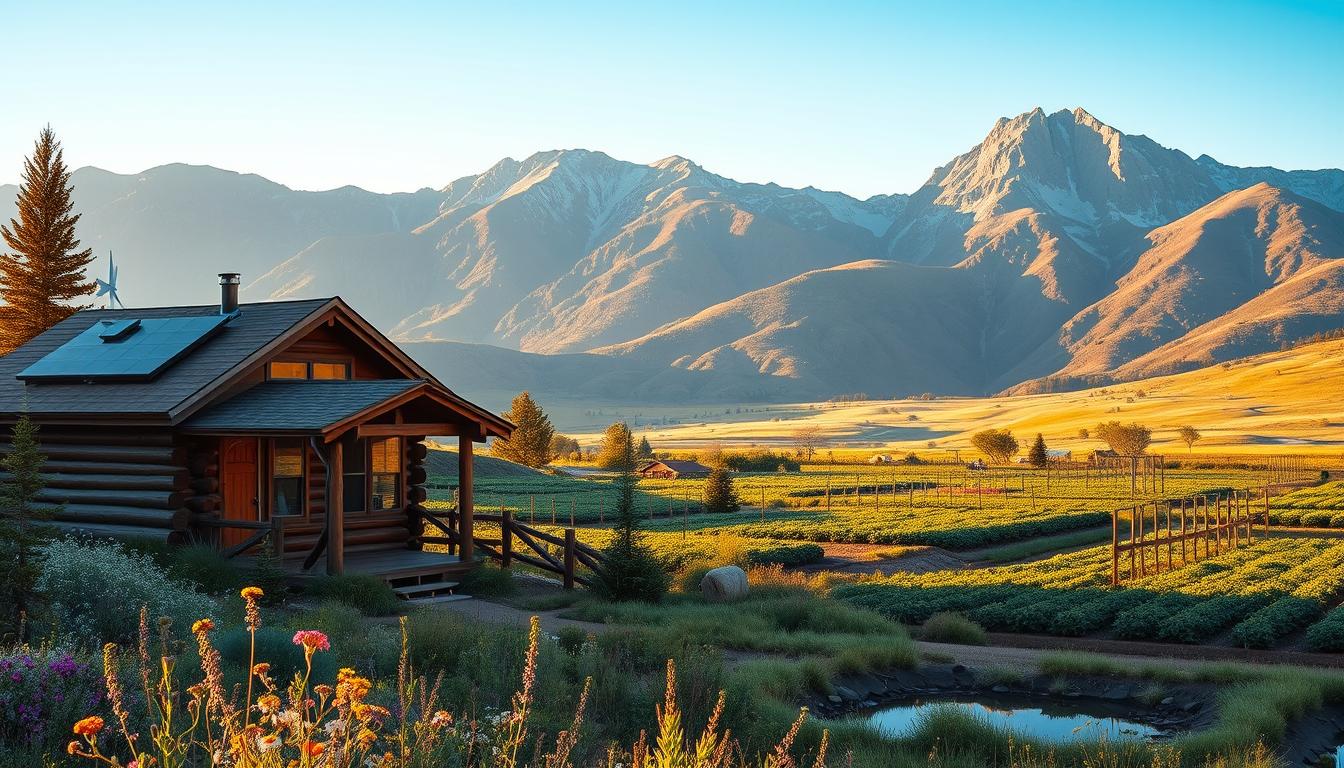
Vermont is a great place for those who want to live off the grid. It’s full of natural beauty and has good off-grid regulations. Many people and families move here to get away from city life and live on their own.
Thank you for reading this post, don't forget to subscribe!The Green Mountain State is perfect for off-grid living. Knowing Vermont’s laws is key for a good off-grid life.
Finding your way through Vermont off-grid regulations can be tough. But with the right info, you can do well in this beautiful state.
Key Takeaways
- Understanding Vermont’s off-grid regulations is essential for a successful off-grid lifestyle.
- Vermont’s laws and natural resources make it an attractive location for off-grid living.
- Permitting, zoning laws, and building codes are important to consider.
- Environmental considerations play a big role in off-grid living in Vermont.
- Researching and following state regulations is very important.
What Defines Off-Grid Living in Vermont
Off-grid living in Vermont means living without public utilities. You make your own energy and manage your own resources. It’s about being independent from the grid.
Common Off-Grid Practices in Vermont
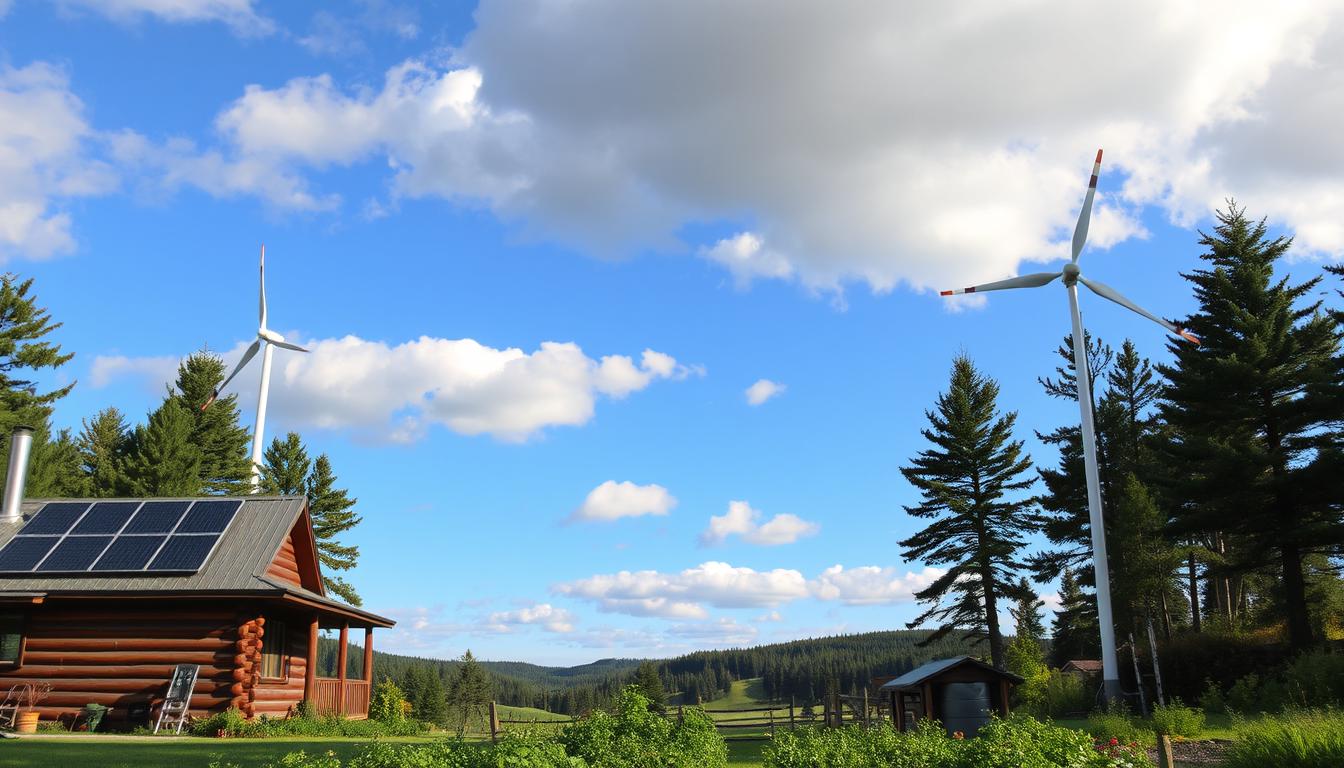
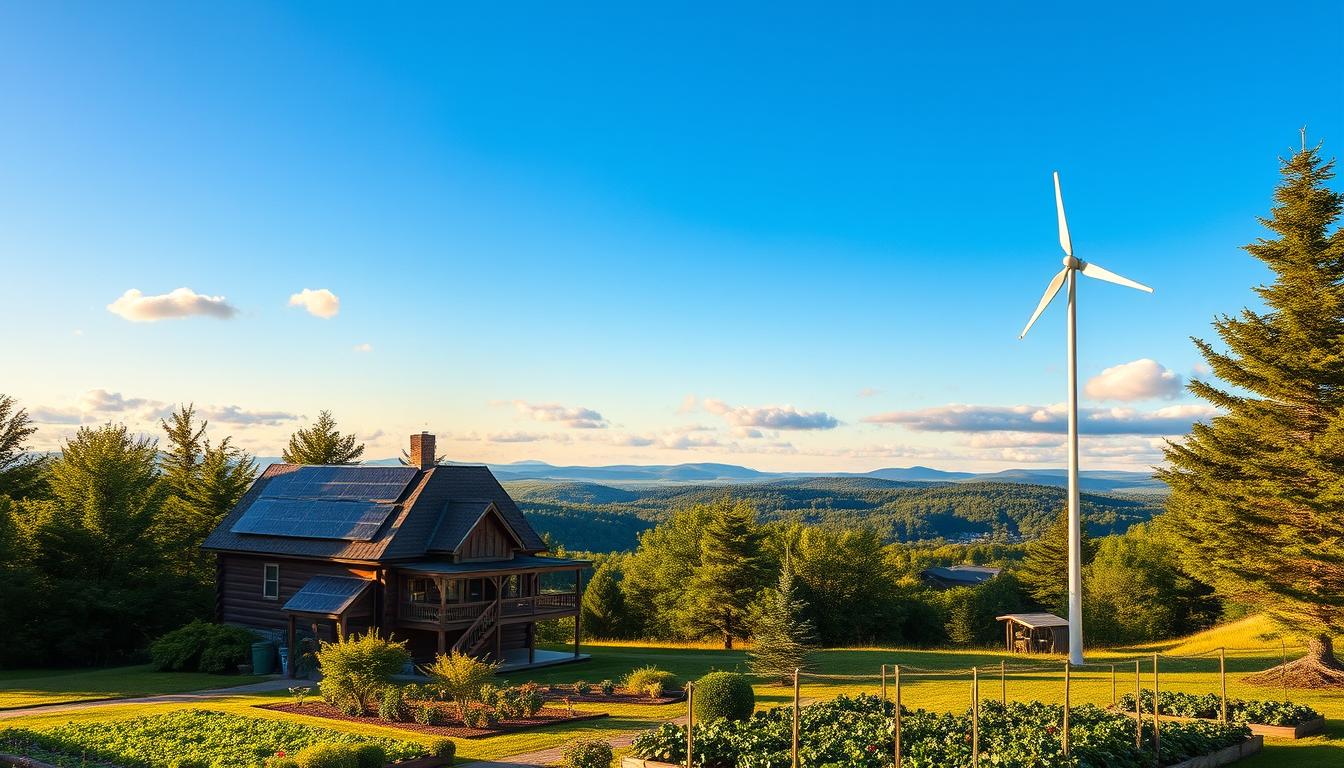
People living off-grid in Vermont use renewable energy like solar and wind. They also harvest rainwater and use septic and composting toilets. These methods help them live sustainably and not rely on public services.
The Legal Definition of Off-Grid Housing
Vermont doesn’t have one law for off-grid housing. But, it’s covered by many state and local rules. Off-grid homes don’t use public utilities. Vermont’s laws support off-grid living, but homes must follow health, safety, and environmental rules.
Off Grid Living Laws and Rules in Vermont
Vermont’s off-grid living laws come from state and local rules. It’s key to know these rules if you want to live off-grid in Vermont.
State-Level Regulations Overview
Vermont has set state-wide building codes. These include the Vermont Fire and Building Safety Code, Vermont Electrical Safety Rules, and Vermont Plumbing Rules. These codes make sure off-grid homes are safe and good for the environment.
Key State Regulations:
- Vermont Fire and Building Safety Code
- Vermont Electrical Safety Rules
- Vermont Plumbing Rules
| Regulation | Description |
|---|---|
| Vermont Fire and Building Safety Code | Ensures buildings meet fire safety and structural integrity standards |
| Vermont Electrical Safety Rules | Governs the installation and maintenance of electrical systems |
| Vermont Plumbing Rules | Regulates plumbing systems to ensure water safety and efficiency |
County and Town-Specific Ordinances
County and town rules also play a big part in off-grid living in Vermont. These rules can change a lot from one place to another.

Recent Legal Changes Affecting Off-Grid Residents
Recently, Vermont has made laws to help with renewable energy and living green. Off-grid folks need to keep up with these changes to follow the rules.
Recent Changes:
- Increased incentives for renewable energy installations
- Updates to building codes to accommodate sustainable building practices
Building Codes and Permitting Requirements
To build or maintain an off-grid home in Vermont, you must know the state’s building codes and permits. Vermont follows several codes, like the International Building Code (IBC) 2015, NFPA 70 National Electrical Code 2017, and ICC International Plumbing Code 2018.
Residential Building Code Compliance
Off-grid homes in Vermont must meet state building codes. These cover things like structure, fire safety, and energy use. Following these codes is key to getting permits and avoiding legal trouble.
Tiny Home and Alternative Structure Regulations
Tiny homes and other unique structures have their own rules in Vermont. These rules can differ by town. So, it’s important for off-grid homeowners to check with local officials for specific needs.
Navigating the Permit Application Process
The permit application in Vermont requires detailed plans and specs. Off-grid homeowners need to provide all the necessary info to get approval.
| Code | Description | Edition |
|---|---|---|
| International Building Code (IBC) | Covers building construction and safety standards | 2015 |
| NFPA 70 National Electrical Code | Regulates electrical installations and safety | 2017 |
| ICC International Plumbing Code | Governs plumbing systems and fixtures | 2018 |
By following these building codes and permits, off-grid homeowners in Vermont can make sure their homes are safe, legal, and green.
Land Use and Zoning Restrictions
Off-grid living in Vermont needs a good grasp of the state’s land use and zoning rules. These laws tell us how land can be used. They directly affect if off-grid homes can be built.
Rural vs. Urban Zoning Differences
Vermont’s zoning rules change a lot between rural and urban places. Rural areas usually have looser zoning laws. This means more freedom to build off-grid homes. But, urban areas have tighter rules. These might stop some off-grid activities.
Agricultural Land Considerations
If you want to build off-grid on farmland, knowing the rules is key. Vermont protects farmland with laws. This can impact how you use land for off-grid living. For more on this, check out this report.
Conservation Districts and Protected Areas
Vermont has many conservation areas with their own rules. Off-grid folks need to know these to follow the law. 
Getting to know these zoning and land use rules is vital for off-grid living in Vermont. Following these laws makes off-grid homes legal. It also helps with living sustainably.
Water and Waste Management Compliance
Living off-grid in Vermont means following rules for water and waste. It’s important for the environment and for people’s health.
Well Drilling and Water Rights
Vermont has laws for drilling wells. You need permits and must follow certain rules to keep the water clean. Knowing your water rights is key to staying out of trouble.
Septic System and Composting Toilet Regulations
Septic systems and composting toilets have to follow state rules. These rules cover design, installation, and upkeep. Following them helps keep water clean and keeps people healthy.
Greywater System Requirements
Greywater systems use water from sinks, showers, and washing machines. They must follow state guidelines. This helps stop water pollution and makes sure systems work right.
Rainwater Harvesting Laws
Vermont lets you collect rainwater, but there are rules. Systems must be designed, installed, and maintained correctly. Rainwater harvesting can be a good water source for off-grid homes.
By following these rules, off-grid homes in Vermont can manage water and waste safely and legally.
Energy Systems and Utility Regulations
Vermont has rules for safe and efficient use of renewable energy systems. It’s important for off-grid residents to know these laws.
Solar Installation Requirements
Solar installations in Vermont must follow state building codes and permits. Key considerations include proper installation, inspection, and compliance with local ordinances. Some important points are:
- Building permit requirements
- Electrical inspection standards
- Zoning restrictions on solar panel placement
Wind Energy Restrictions
Vermont has rules for wind energy systems, like noise levels and environmental impact. Residents must ensure their wind turbines comply with state and local regulations.
Wood Heating Compliance
Vermont has rules for wood heating systems to keep them safe and green. This includes standards for chimney installation and upkeep.
Battery Storage Safety Codes
Battery storage is common with renewable energy systems. Vermont has safety codes for their use. Proper installation and maintenance are key for safety.
By following these rules, off-grid residents in Vermont can keep their energy systems safe and legal.
Seasonal Considerations for Vermont Off-Grid Living
Vermont’s harsh climate requires special care for off-grid living. People must get ready for big changes in weather that can affect their homes and daily life.
Winter Access Requirements
It’s key to have access in winter for off-grid homes. Getting a permit for private roads or paths is often needed.
Snow Load Building Standards
Off-grid homes must meet snow load building standards. This is to handle Vermont’s heavy snow. Here’s what’s needed:
- Using strong roofing materials
- Designing the structure right
- Checking and keeping the property in good shape
Seasonal Occupancy Restrictions
Some places in Vermont have rules on when you can live there. Off-grid folks need to know these rules. They can change if you can live there all year.
Off Grid Living in Vermont: Navigating the Regulatory Landscape
Living off-grid in Vermont means knowing the state’s laws well. The rules can be tricky, but knowing them is essential. It helps you enjoy the perks and deal with the challenges of off-grid living.
Understanding Off Grid Living Laws and Rules in Vermont is important. It helps you follow state and local rules. This includes building codes, energy systems, and water management. Knowing this lets off-grid residents do well in Vermont’s special environment.
As Vermont changes, keeping up with off-grid rules is key for a self-sufficient life. With the right info, you can make smart choices. And you can enjoy the benefits of off-grid living in this lovely state.
FAQ
What are the key regulations for off-grid living in Vermont?
Vermont has rules for off-grid living. These include state laws, local rules, and building codes. They make sure living off-grid is safe and good for the environment.
Do I need a permit to build an off-grid home in Vermont?
Yes, you need a permit for an off-grid home in Vermont. Knowing the rules helps keep you safe and avoids legal trouble.
What are the zoning laws for off-grid homes in Vermont?
Zoning laws in Vermont tell you how to use land. They affect where you can build an off-grid home. The rules vary depending on if you’re in a rural or urban area.
Can I harvest rainwater in Vermont?
Yes, you can harvest rainwater in Vermont. But, there are rules to follow. It’s important to know these laws for safe and sustainable water use.
What are the regulations for off-grid energy systems in Vermont?
Off-grid energy systems, like solar and wind, have rules in Vermont. You must follow these to ensure safety and efficiency.
Are there specific building codes for tiny homes in Vermont?
Yes, tiny homes and other alternative structures must follow Vermont’s building codes. Knowing the permitting process is key.
How do I ensure compliance with Vermont’s septic system regulations?
To follow Vermont’s septic system rules, you need to know the regulations. This includes septic systems, composting toilets, and greywater systems. It’s important for safe and sustainable waste management.
What are the seasonal considerations for off-grid living in Vermont?
Off-grid living in Vermont has seasonal challenges. You need to prepare for winter, follow snow load building standards, and know about seasonal occupancy rules.
Are there any specific regulations for battery storage in Vermont?
Yes, there are rules for battery storage in off-grid energy systems in Vermont. Following these safety codes is important for safety and efficiency.

Subscribe to Our Newsletter