Utah’s beauty and wide open spaces draw many to an off-grid lifestyle. But, it’s key to know the laws well for a good experience. There are rules on zoning, building, water, and waste.
Thank you for reading this post, don't forget to subscribe!If you’re thinking about off-grid living in Utah, knowing the rules is vital. This article will guide you through Utah’s laws for off-grid living. We’ll cover zoning, building codes, and water rights.
Key Takeaways
- Understand Utah’s zoning laws and building codes for off-grid structures.
- Familiarize yourself with water rights regulations and permitting requirements.
- Comply with waste management regulations, including septic systems and composting toilets.
- Explore renewable energy options and relevant regulations.
- Consider tax implications and possible incentives for off-grid living.
Understanding Off-Grid Living in Utah
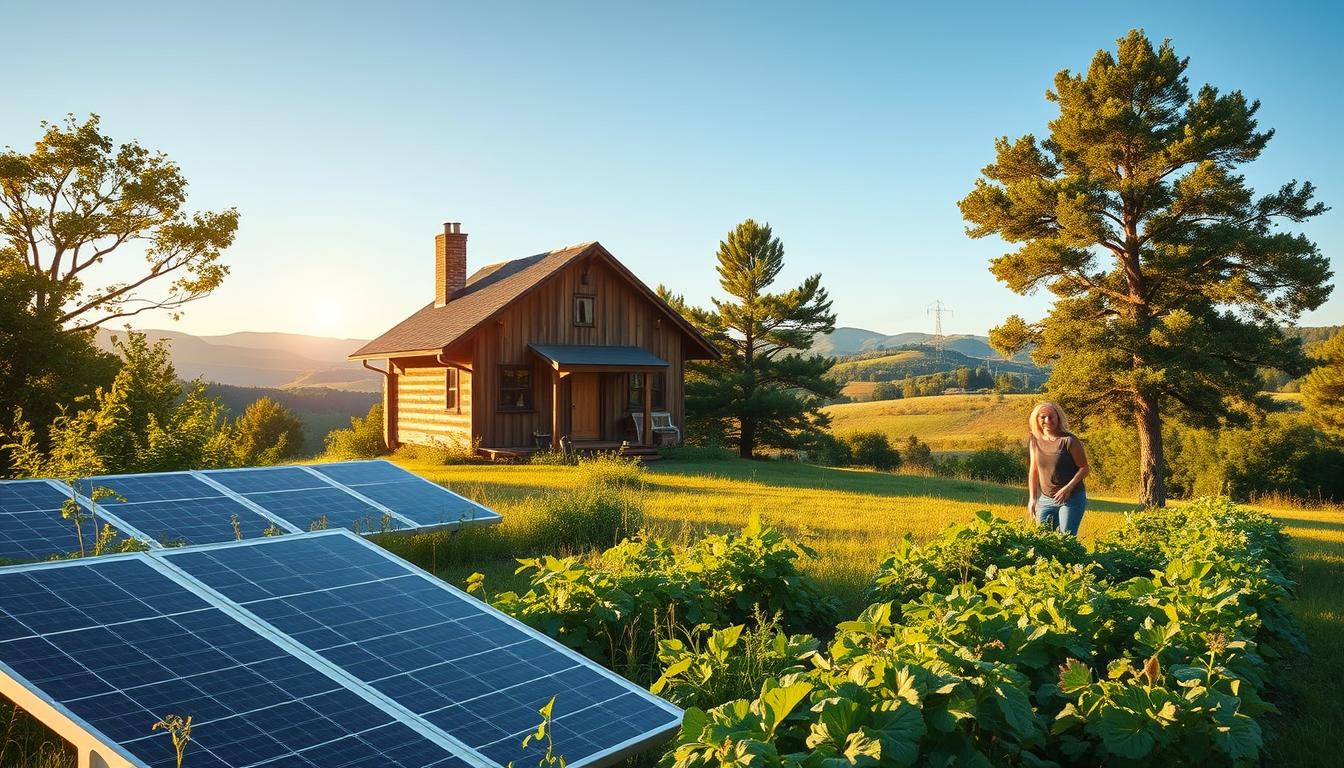
Living off-grid in Utah means you’re self-sufficient. You use renewable energy and manage your resources well. It’s about not needing public utilities like water, electricity, and sewage.
What Constitutes Off-Grid Living
Off-grid living includes using solar or wind power. You also collect rainwater and handle your own waste. It’s a lifestyle that needs a lot of self-sufficiency and creativity.
Utah’s Unique Geographic and Climate Considerations
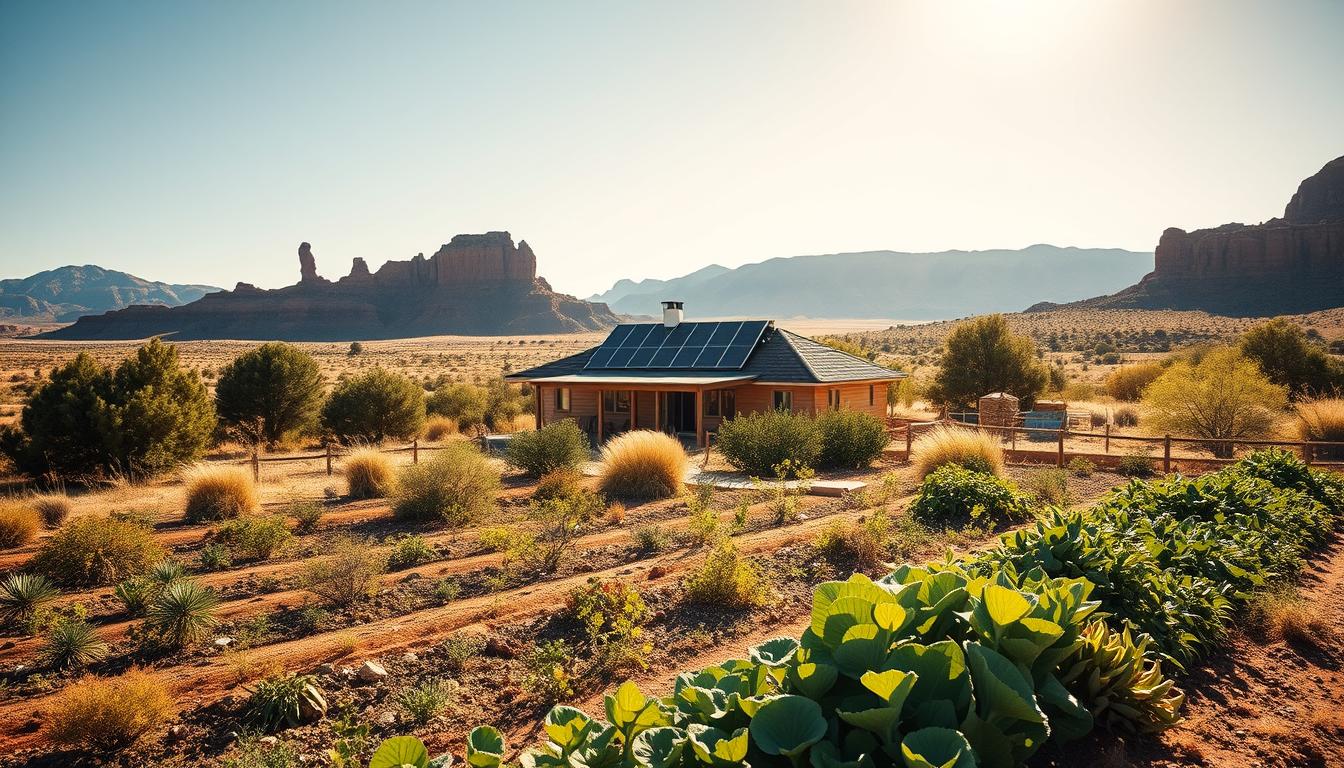
Utah’s landscape is varied, from deserts to mountains. This means you need flexible plans for energy, water, and waste. The state’s climate also adds to the challenge.
Popular Off-Grid Locations in Utah
Rural areas in Utah are great for off-grid living. Places like Kane, Garfield, and Piute are popular. They have lots of space and less strict rules.
| County | Zoning Regulations | Popular Off-Grid Activities |
|---|---|---|
| Kane | Relaxed | Solar energy, Rainwater harvesting |
| Garfield | Moderate | Wind power, Self-managed waste disposal |
| Piute | Relaxed | Renewable energy, Off-grid homesteading |
Off Grid Living Laws and Rules in Utah: Legal Framework
Utah’s laws for off-grid living are complex. They mix state and local rules. Knowing these rules is key for those wanting to live off the grid.
State vs. County Jurisdiction
Utah’s off-grid rules come from both the state and counties. The state looks after big issues like the environment and health. Counties deal with local rules like zoning and building codes.
Key differences between state and county jurisdiction include:
- State laws cover water rights and protecting the environment.
- County laws focus on zoning, building codes, and local land use.
Utah’s Stance on Self-Sufficiency
Utah supports self-sufficiency and off-grid living. It offers incentives and rules to help. The state encourages using renewable energy and sustainable practices.
| Aspect | State Regulation | County Regulation |
|---|---|---|
| Renewable Energy | Incentivizes solar and wind energy | May have specific ordinances for installation |
| Water Rights | Governs water rights and usage | Regulates local water collection systems |
| Building Codes | Sets minimum building standards | Enforces local building codes and permits |
Recent Legislative Changes Affecting Off-Grid Lifestyles
Utah’s laws have changed recently. These changes affect off-grid living, like water rights, renewable energy, and building codes. For example, new laws make it easier to get permits for solar panels and rainwater systems.

Understanding Utah’s laws and recent changes helps those living off the grid. It makes navigating off-grid living easier.
Building Codes and Zoning Regulations
Off-grid fans in Utah face rules on building and zoning. These rules help keep everyone safe and protect the environment.
Minimum Structure Requirements
Utah has rules for building safety and strength. These rules cover things like materials and plumbing. Off-grid homes must meet these standards to be safe.
Zoning Restrictions by County
Zoning laws change a lot in Utah, affecting what you can build and where. For example:
- Some places let you build more off-grid homes.
- Others might have stricter rules, like size and style.
Rural vs. Urban Zoning Differences
Rural spots usually have easier zoning rules. But, always check the local laws before you start.
Special Considerations for Remote Areas
Remote places might need extra steps, like environmental checks. Knowing these rules is key for off-grid living.
Permitting Process for Off-Grid Structures
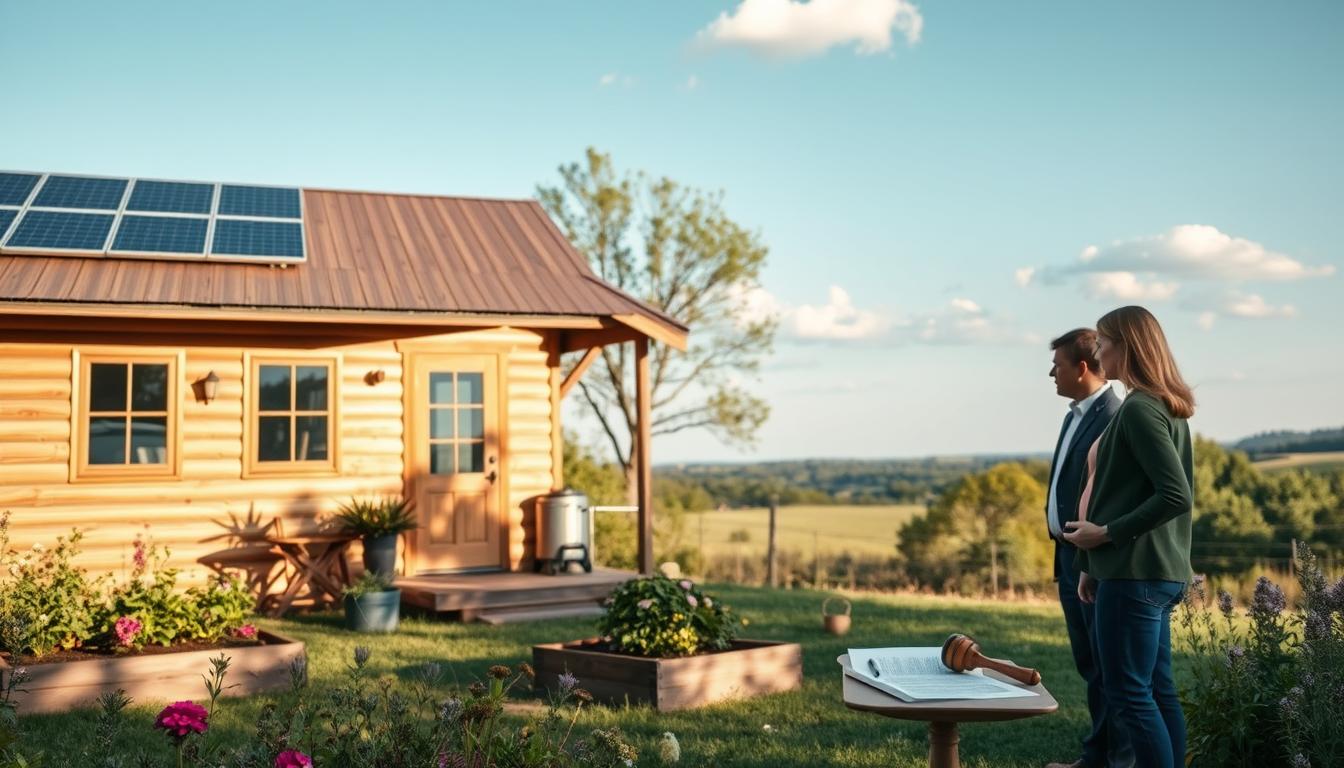
Getting permits is a big part of setting up an off-grid home in Utah. You’ll need to show your plans and follow local codes. You might also need special permits for things like solar power. For more info on Utah’s off-grid laws, visit https://www.primalsurvivor.net/utah-off-grid-laws/.
Utilities and Resource Management Laws
It’s key to know about utilities and resource laws for off-grid living in Utah. These rules cover water rights, renewable energy, and waste management. They help off-grid folks live on their own while following state rules.
Water Rights and Collection Regulations
Utah’s water rights follow a complex system. It’s vital for off-grid folks to grasp how to get and keep water rights.
Rainwater Harvesting Laws
Utah lets people harvest rainwater, but there are rules to follow. People can collect rainwater for non-drinking uses without a permit. But, it’s important to know the limits and what’s needed for drinking water.
Well and Spring Water Rights
Using wells and springs for water means knowing the rights and rules. Permits are often needed. The process can be tough, needing to show there’s enough water and it won’t harm others.
Solar and Alternative Energy Regulations
Utah encourages using renewable energy like solar power. There are incentives for installing solar panels. Rules support using alternative energy sources.

Waste Management and Septic System Requirements
Utah has strict rules for waste management to keep everyone healthy and the environment safe. Off-grid folks must follow septic system rules. This includes installing, maintaining, and checking them to avoid pollution.
By following these laws, off-grid residents in Utah can live sustainably and legally.
Property and Agricultural Considerations
Living off-grid in Utah means dealing with property and farming rules. Off-grid folks need to know the laws for their land and farming.
Property Taxes and Homesteading Exemptions
In Utah, property taxes can be high for off-grid homes. But, there are homesteading exemptions to lower taxes. To get these, you must live on the land full-time. For more on tax breaks, check the Utah State Tax Commission’s site.
Agricultural Land Use Regulations
Utah has rules for farming and raising animals. These rules change by county. Off-grid folks must follow local laws for their farms. The Land Use Management Code outlines these rules.
| County | Agricultural Land Use Restrictions | Permitting Requirements |
|---|---|---|
| Kane County | Minimum 5-acre parcel size for agricultural use | Conditional use permit required |
| Washington County | Restrictions on irrigation and water usage | Zoning approval necessary |
| Iron County | Limitations on livestock per acre | Health department permit required |
Livestock and Farming Restrictions
Utah has rules for animals and farming. These rules protect animals and the environment. Off-grid farmers must follow these to avoid trouble. For example, the Utah Department of Agriculture and Food has rules for animal care and health.
[link-whisper-related-posts]Conclusion
Understanding Utah’s Off Grid Living Laws is key for a good off-grid life. It’s important to know the rules for different parts of off-grid living. This helps you follow the law and live sustainably.
Utah’s location and weather make it great for living off the grid. But, you must know the state’s laws and rules. This ensures a smooth move to off-grid living.
Knowing the legal framework and other rules helps you make smart choices. It’s important to stay up-to-date with Utah’s off-grid laws. This is because more people are choosing off-grid living.
FAQ
What are the primary laws governing off-grid living in Utah?
Off-grid living in Utah is ruled by state and county laws. These include zoning rules, building codes, water rights, and waste management.
How do zoning regulations affect off-grid living in Utah?
Zoning laws in Utah change by county. They decide what structures can be built, where, and what’s needed. Always check with local authorities before building.
What are the regulations surrounding water rights in Utah?
Utah’s water rights follow the prior appropriation doctrine. Off-grid residents must get and keep water rights. There are rules for rainwater harvesting, wells, and springs.
Are there incentives for using renewable energy sources in Utah?
Yes, Utah encourages renewable energy like solar power. There are laws and incentives, like tax credits and net metering.
What are the requirements for septic systems in Utah?
Utah has strict rules for septic systems. They cover design and installation to protect health and the environment. Off-grid residents must follow these rules.
How do property taxes and homesteading exemptions work in Utah?
Property taxes in Utah depend on property value. Homesteading exemptions might lower taxes. But, rules and exemptions differ, so check with local authorities.
What are the regulations on agricultural land use in Utah?
Utah’s agricultural land use rules dictate farming and livestock use. Off-grid residents must follow these, which vary by county and zoning.
Are there specific regulations for livestock and farming practices in Utah?
Yes, Utah has rules for livestock and farming. Off-grid residents must follow these to keep their lifestyle while obeying state laws.
What is the permitting process for off-grid structures in Utah?
The permitting process for off-grid structures in Utah requires plans and approval from local authorities. Requirements differ by county and zoning.
How can I ensure compliance with Utah’s off-grid living laws and regulations?
To comply, off-grid residents should know state and county laws. Get necessary permits and consult with local authorities and experts. This ensures a sustainable off-grid lifestyle.

Subscribe to Our Newsletter