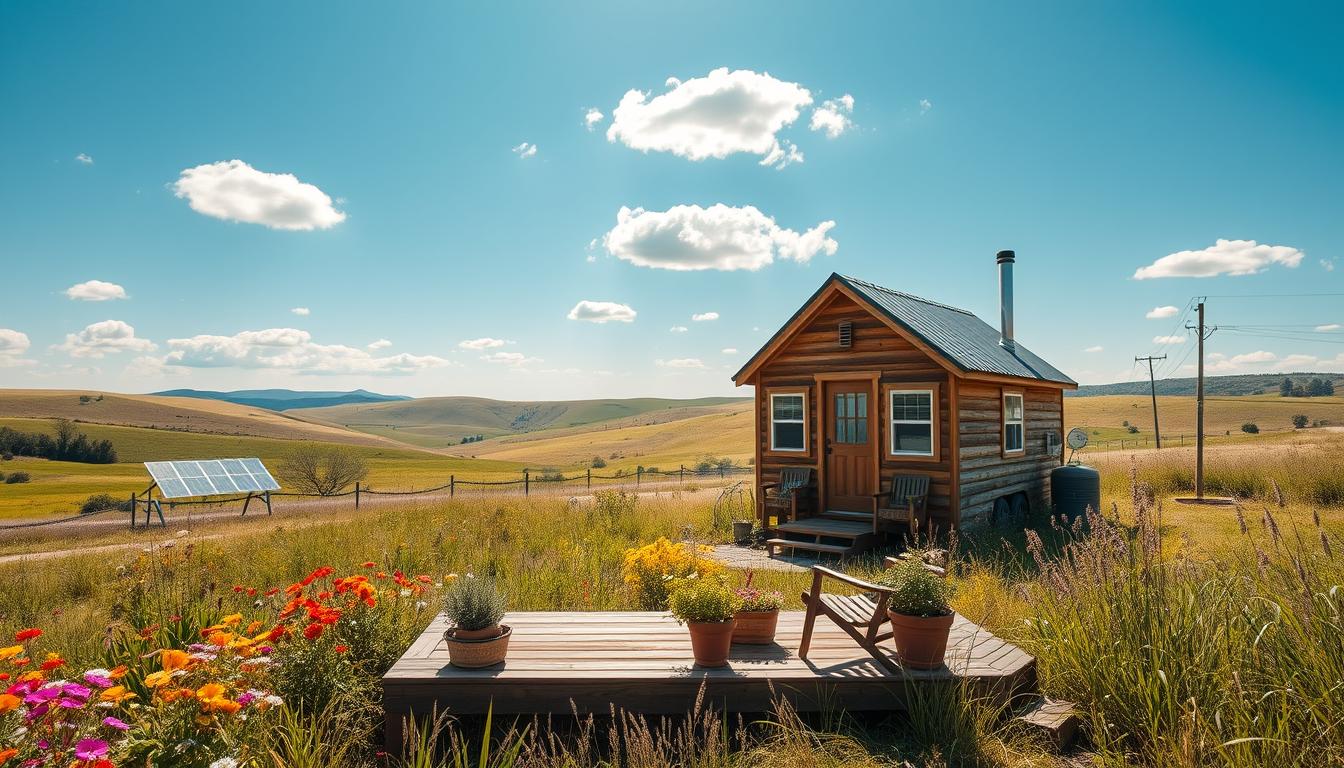
Tennessee is great for those wanting to live off the grid. It has a long growing season and beautiful nature. Knowing the rules is key for a smooth transition.
Thank you for reading this post, don't forget to subscribe!The state’s climate and land are perfect for off-grid living. But, it’s important to know the laws to avoid problems.
This article will guide you through Tennessee’s off-grid living laws. It helps you make smart choices for your off-grid life.
Key Takeaways
- Knowing Tennessee’s rules is vital for off-grid living.
- The state’s climate and land are great for self-sufficiency.
- Understanding the legal framework is key for off-grid living.
- Tennessee’s laws affect your off-grid living choices.
- Being informed helps you live off-grid in Tennessee.
Understanding Off-Grid Living in Tennessee
Tennessee is a great place for off-grid living. It has lots of natural resources and a supportive community. Off-grid living means being self-sufficient. This includes using renewable energy, collecting rainwater, and growing food naturally.
Definition and Scope of Off-Grid Living
Off-grid living means not using public utilities like electricity and water. It uses solar and wind power. It also includes organic gardening and collecting rainwater.
Why Tennessee Is Popular for Off-Grid Homesteading
Tennessee is loved for off-grid homesteading. It has a good climate and geography. Plus, it has a friendly culture.
Climate and Geographic Advantages
Tennessee has mountains and valleys. This means different climates for off-grid living. The rural areas are perfect for homesteading, with few building rules.
Key advantages include:
- Diverse geography and climate
- Rural areas with minimal building codes
- Abundant natural resources
Cultural and Community Aspects
Tennessee welcomes off-grid homesteaders with open arms. It has many communities and events for sustainable living. This makes it a great place to live off the grid.
Legal Framework for Off Grid Living in Tennessee
Understanding the laws for off-grid living in Tennessee is important. We need to look at both state and local laws. The state and counties have their own rules, making it complex.
State Laws vs. County Regulations
Tennessee’s state laws set a basic framework for off-grid living. But, county rules can change a lot. For example, zoning laws differ by county, affecting where and how homes are built.
Tennessee Code Annotated Sections Affecting Off-Grid Living
The Tennessee Code Annotated has key sections for off-grid living. The state follows the International Residential Code (IRC) for tiny homes under 400 sq ft. Knowing these codes is key for following the law.

Recent Legislative Changes Impacting Homesteaders
Recent laws in Tennessee have changed for off-grid homesteaders. It’s vital to stay updated on these changes. Homesteaders should check for new laws and rules often.
Off Grid Living laws in Tennessee can change. Staying ahead of these changes helps homesteaders deal with legal issues better.
Zoning Regulations and Property Requirements
Living off the grid in Tennessee means knowing the state’s zoning laws and property rules. Zoning rules tell us how we can use land. These rules change a lot between rural and city areas.
Rural vs. Urban Zoning Differences
Rural places often have easier zoning rules, perfect for off-grid living. But, city areas have tighter rules that might block off-grid activities.
Agricultural Land Designations
Land for farming or raising animals is great for off-grid living. But, there are rules to follow for these uses.
Off-Grid Friendly Counties in Tennessee
Some Tennessee counties are better for off-grid living because of their zoning. Key areas include:
Cumberland Plateau Region
The Cumberland Plateau has lots of rural land with loose zoning. It’s a top pick for off-grid homesteaders.
East Tennessee Mountains
The East Tennessee Mountains also welcome off-grid living. They have plenty of space and less strict zoning.
The table below shows how zoning differs in rural and city areas in Tennessee:
| Zoning Aspect | Rural Areas | Urban Areas |
|---|---|---|
| Land Use Restrictions | Less restrictive | Highly regulated |
| Agricultural Activities | Generally allowed | Often restricted |
| Off-Grid Practices | More feasible | Limited by regulations |
Knowing these zoning rules and property needs is key to off-grid living in Tennessee.
Building Codes and Dwelling Requirements
Knowing Tennessee’s building codes is key for off-grid living. The state follows the International Residential Code (IRC). It has rules for tiny homes and cabins.
Tiny Home and Cabin Regulations
Tennessee’s tiny home rules are in Appendix Q of the IRC. They cover things like ceiling heights, stair sizes, and emergency windows.
For more on tiny home rules in Tennessee, check out Zook Cabins’ resource page.
Alternative Building Materials and Methods
Tennessee lets you use different building materials and methods. They just have to meet IRC standards. This lets off-grid homesteaders be creative while staying safe.
Inspection and Permitting Processes
Before you start building, you need the right permits. Inspectors check your work at different times. This makes sure you follow the building codes.
Exemptions for Agricultural Structures
Some farm buildings don’t have to follow all the rules. Knowing these exceptions is important for farmers.
Key Requirements for Off-Grid Dwellings in Tennessee
| Category | Requirement | Notes |
|---|---|---|
| Building Code | IRC Adoption | Includes Appendix Q for tiny homes |
| Permitting | Required before construction | Varies by jurisdiction |
| Inspections | Multiple stages | Ensures compliance with IRC |

Off Grid Living Laws and Rules in Tennessee for Utilities
It’s important to know the rules for off-grid living in Tennessee. The state has laws about energy, water, and waste. These rules help keep everyone safe and healthy.
Solar and Alternative Energy Regulations
Tennessee supports using renewable energy like solar power. Homeowners can install solar panels and other systems. The Tennessee Valley Authority helps with the costs of solar installations.
Water Collection and Well Systems
Tennessee lets you collect rainwater, but there are rules for wells. You must follow state and local laws when drilling wells or collecting rainwater. Always check with local authorities for specific rules.
Septic and Composting Toilet Requirements
On lots not connected to sewers, septic and composting toilets are allowed. But, they must meet local rules and get regular checks.
Grid Disconnection Legalities
People can choose to leave the grid, but they must follow the law. Their systems must be safe and pass inspections.
Knowing and following these rules helps you live off the grid in Tennessee. You can enjoy being self-sufficient while staying legal.
Property Taxes and Financial Considerations
For those embracing off-grid living in Tennessee, knowing about property taxes is key. Tennessee has programs that help lower the cost for homesteaders.
The Greenbelt Property Tax Program was started in 1976. It lets certain lands be taxed based on their use, not market value. This can save a lot for off-grid landowners.
Greenbelt Property Tax Program
To get into the Greenbelt Property Tax Program, land must be for farming, forests, or open spaces. It’s great for those farming or growing timber.
Agricultural Exemptions
Tennessee’s agricultural exemptions can also cut down property taxes for off-grid homesteaders. These exemptions help support farming activities.
Homestead Exemptions in Tennessee
Tennessee also has homestead exemptions. They can lower property taxes for those who live on their property full-time. Knowing about these exemptions is key to saving money.
Self-Sufficiency Regulations
Tennessee’s rules for self-sufficiency are key for off-grid living. It’s important for those wanting a self-sufficient life to know these rules.
Livestock and Animal Husbandry Rules
Tennessee has laws for livestock and animal care. These include rules on animal welfare, fencing, and health. For example, there are specific rules for keeping animals in cities.
- Zoning laws dictate where livestock can be kept.
- Health regulations require vaccinations and health checks for certain animals.
- Fencing requirements vary by county and type of livestock.
Hunting and Fishing Regulations for Subsistence
Hunting and fishing are key for food for off-grid folks. Tennessee has rules for these activities. These include licenses, seasons, and bag limits.
Key regulations include:
- Licensing requirements for residents and non-residents.
- Seasonal restrictions on hunting certain game.
- Bag limits to ensure sustainable wildlife populations.
Food Production and Cottage Food Laws
Tennessee lets people make and sell some foods at home. This includes baked goods and jams. But, there are limits on what can be sold.
Homeschooling Regulations for Off-Grid Families
Off-grid families with kids need to know Tennessee’s homeschooling rules. They must notify the state, keep records, and check on student progress.
By following these rules, off-grid folks in Tennessee can keep their lifestyle. They also help the community.
[link-whisper-related-posts]Conclusion
Living off-grid in Tennessee means knowing the laws well. Understanding Tennessee Off Grid Living Guidelines helps a lot. This way, people can live off-grid successfully in the state.
Off Grid Living Laws and Rules in Tennessee aim to balance freedom and community needs. Knowing these rules is key for a smooth move to off-grid living.
Tennessee’s varied landscape and climate make it great for off-grid homesteading. Whether in rural areas or agricultural lands, there are many chances for self-sufficient living.
To do well in Tennessee’s off-grid community, staying informed is vital. Knowing local regulations, building codes, and utility needs is important. This way, people can live sustainably and happily, matching their values and goals.
FAQ
What are the zoning regulations for off-grid living in Tennessee?
Zoning rules change by county. Rural areas often have easier rules than cities. Agricultural land rules also play a part.
Are there specific building codes for tiny homes and cabins in Tennessee?
Yes, Tennessee follows the International Residential Code (IRC). Tiny homes and cabins have their own set of rules.
Can I harvest rainwater in Tennessee?
Yes, Tennessee lets you collect rainwater. But, rules about water collection and wells differ by county.
What are the regulations for solar and alternative energy systems in Tennessee?
Solar and alternative energy systems have their own rules. Knowing these rules is key to following them.
How do property taxes work for off-grid homesteads in Tennessee?
The Greenbelt Property Tax Program helps with taxes on agricultural land. Agricultural exemptions can lower taxes. It’s important to know about homestead exemptions too.
Can I homeschool my children while living off-grid in Tennessee?
Yes, homeschooling is allowed in Tennessee. It’s important to know the homeschooling rules for off-grid families.
What are the regulations for livestock and animal husbandry in Tennessee?
Rules for animals vary by county. It’s key to know these rules for off-grid folks who raise animals.
Are there specific regulations for septic and composting toilets in Tennessee?
Yes, rules for septic and composting toilets differ by county. It’s important to understand these rules for off-grid living.
Can I disconnect from the grid in Tennessee?
Yes, disconnecting from the grid is allowed in Tennessee. But, it’s important to know the legal aspects of this.
What are the laws regarding food production and cottage food in Tennessee?
Laws on food production and cottage food vary. It’s key to know these rules for off-grid folks who grow their own food.

Subscribe to Our Newsletter