For those looking for a self-sufficient life, off-grid living in South Carolina is an option. But, it’s important to know the state’s laws. South Carolina has strict rules, needing permits and checks for most systems.
Thank you for reading this post, don't forget to subscribe!The state follows Appendix Q of the 2018 International Residential Code (IRC). This means tiny homes can be up to 400 square feet and have a ceiling of 6’8″. But, rules differ by county. For example, York County doesn’t allow tiny homes, while Berkeley County has rules on extra homes.
Key Takeaways
- Tiny homes are allowed in South Carolina under Appendix Q of the 2018 IRC.
- Maximum size limit is 400 square feet with a minimum ceiling height of 6’8″.
- Permits and inspections are required for off-grid systems.
- County regulations vary, with some imposing unique constraints.
- Park models are treated as recreational vehicles under RVIA ANSI standards.
- Some counties have specific rules for tiny homes on wheels.
Understanding Off-Grid Living in South Carolina
Living off the grid in South Carolina means knowing the laws and rules. This lifestyle includes using renewable energy, collecting rainwater, and managing waste in new ways.
What Constitutes Off-Grid Living
Off-grid living means making your own energy, collecting rainwater, and handling waste on your own. It’s great for those who want to be self-sufficient and help the planet.
Legal Framework for Self-Sufficiency in South Carolina
South Carolina has laws for off-grid living. They make sure it’s safe for everyone. The rules cover energy, water, and waste.
County vs. State Jurisdiction
Both the state and counties have rules for off-grid living. State laws are general, but counties can have their own rules. It’s important to know the local laws.
| Aspect | State Regulation | County Variation |
|---|---|---|
| Renewable Energy | Supported through incentives | Varies by county ordinance |
| Rainwater Harvesting | Generally permitted | May require permits in some counties |
| Waste Management | Regulated through state health department | Additional regulations may apply locally |
Land Use and Zoning Regulations
Understanding land use and zoning laws is key for off-grid living in South Carolina. These rules affect how land can be used, changing a lot between rural and urban areas.
Rural vs. Urban Zoning Differences
Zoning laws in South Carolina change a lot between rural and urban areas. Rural zones are generally more lenient, allowing more off-grid practices. Urban areas have stricter rules, limiting some off-grid activities.
Minimum Acreage Requirements by County
Minimum acreage rules can impact off-grid living. Some South Carolina counties have specific size requirements for properties. For example, some may need 10 acres for farming.
| County | Minimum Acreage |
|---|---|
| County A | 10 acres |
| County B | 5 acres |
| County C | 20 acres |
Agricultural Land Exemptions and Benefits
Agricultural land exemptions offer big benefits to off-grid landowners. These can mean lower taxes and other perks.
Homestead Exemptions
Homestead exemptions can lower your property taxes. In South Carolina, homeowners might get a break on their taxes.
Agricultural Tax Benefits
Land used for farming gets tax breaks. These can help off-grid landowners with farming or other agricultural activities.

Knowing these rules and exemptions is vital for off-grid living in South Carolina. By understanding land use and zoning laws, you can plan better and follow state and local rules.
Building Codes and Structural Requirements
Off-grid homes in South Carolina must follow building codes and structural rules. These rules help keep homes safe and strong. They also protect people and the environment.
South Carolina State Building Code Compliance
South Carolina has a state building code for all new homes, including off-grid ones. It’s important to follow this code. This ensures homes are safe.
Tiny Home and Alternative Housing Regulations
Tiny homes and other special houses have their own rules. These rules depend on the house type and use.
Key things to think about for tiny homes and special houses include:
- Size and space needs
- Foundation and anchoring systems
- Insulation and energy use standards
Inspection and Approval Process
To get a home ready, you need permits and a certificate of occupancy. This shows the home meets building codes.
Required Permits
You must get permits before starting to build. These permits check if your plans follow local and state codes.
Certificate of Occupancy Requirements
A certificate of occupancy is given after a final check. This check makes sure the home is safe. This certificate proves the home meets building codes.
Here’s a look at the costs for building code compliance and permits in South Carolina:
| Permit Type | Average Cost | Frequency |
|---|---|---|
| Building Permit | $500 – $1,000 | Once per project |
| Electrical Permit | $100 – $300 | Once per project |
| Certificate of Occupancy | $100 – $500 | Once per project |
Water Systems and Regulations
Water is key for off-grid living, and knowing the rules is important. In South Carolina, laws about water systems come from both the state and local areas.
Well Water Rights and Drilling Permits
In South Carolina, well water rights and drilling permits are regulated by the state. To drill a well, you need a permit. This makes sure the water is safe and won’t run out.
South Carolina Rainwater Harvesting Laws
Rainwater harvesting is mostly okay in South Carolina, but local rules might apply. Off-grid folks should talk to local officials to know any special rules or limits.
Water Testing and Quality Requirements
The South Carolina Department of Health and Environmental Control (DHEC) watches over water quality. They make sure water is safe to drink by testing it often. Water testing is a must to find any bad stuff.
DHEC Water Regulations
DHEC sets the rules for water quality, like how much bad stuff is allowed. Off-grid people must follow these rules to keep their water safe to drink.
- Getting the right permits for well drilling
- Following local rules for rainwater harvesting
- Doing regular water tests as DHEC requires
By following these rules, off-grid folks can have safe and steady water. This helps them live off the grid in a healthy way.
Off Grid Living Laws and Rules in South Carolina for Waste Management
Living off-grid in South Carolina means knowing the waste management laws. It’s key for a healthy and sustainable life. The state has rules for managing waste, mainly for homes not on city sewers.
Septic System Requirements and Permits
Septic systems are common for off-grid homes. To set one up, you need to follow South Carolina’s septic system rules. This includes getting the right permits.
The permit process checks if the septic system meets state and local standards. It’s important for a safe and working system.
Composting Toilet Legality and Restrictions
Composting toilets are an option in South Carolina. They’re allowed but must follow health and safety standards. Always check with local authorities for extra rules.
Greywater System Regulations
Blackwater vs. Greywater Distinctions
Greywater systems, for water from sinks and showers, have rules in South Carolina. Knowing the difference between blackwater (sewage) and greywater is key. Greywater systems can save water but must follow state rules.
| Waste Management Method | Regulations | Permits Required |
|---|---|---|
| Septic Systems | State and local regulations | Yes |
| Composting Toilets | Health and safety standards | Varies by locality |
| Greywater Systems | State regulations, distinction between blackwater and greywater | Yes |
For more info on off-grid living laws in South Carolina, visit https://www.primalsurvivor.net/south-carolina-off-grid-laws/. Knowing these rules helps keep your off-grid life legal and sustainable.

Energy Systems and Utility Regulations
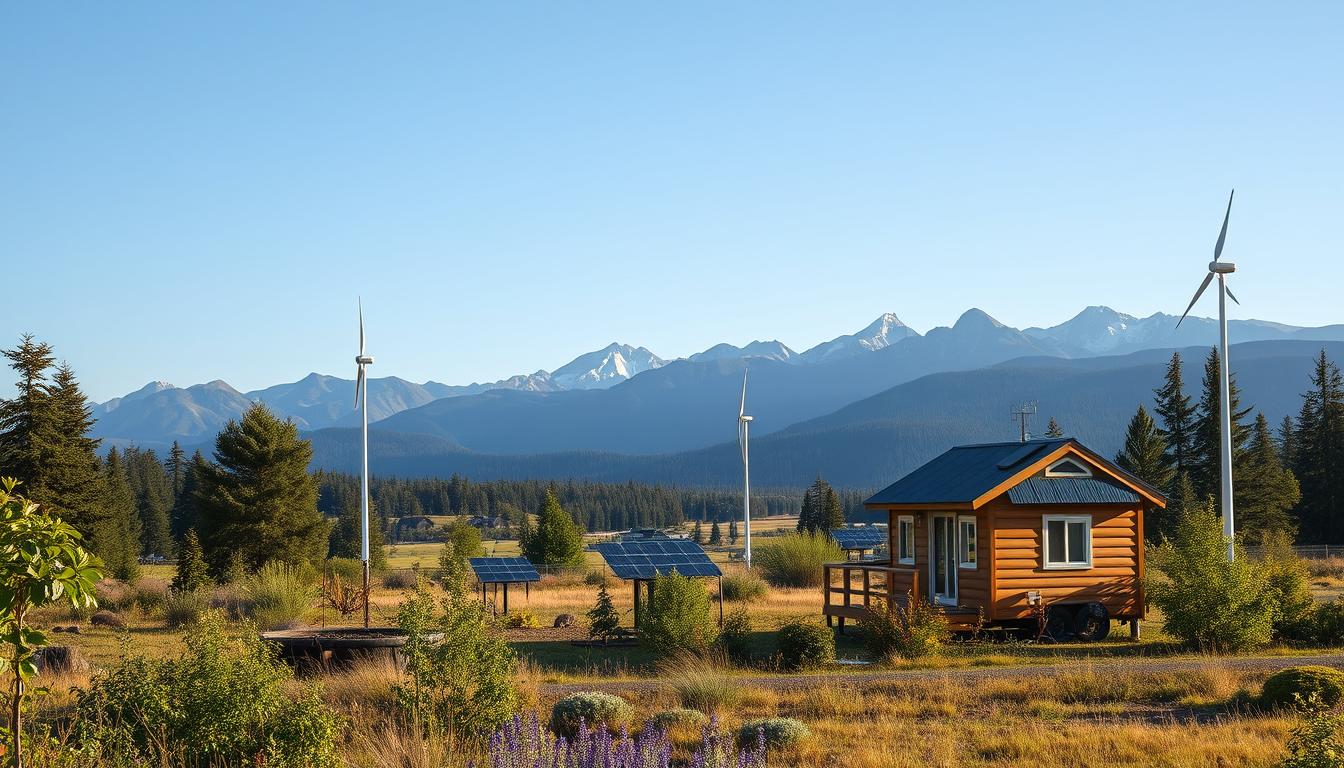
Many off-grid residents in South Carolina aim for energy independence. They use alternative energy sources and follow the state’s rules.
Solar Power Installation and Net Metering
South Carolina supports solar power with net metering. This lets homeowners make electricity and sell extra to the grid. It’s good for renewable energy and helps during high demand.
Net metering cuts down energy bills and lets you sell extra energy.
Wind Energy Restrictions in South Carolina
Wind energy is an option for off-grid living, but South Carolina has rules. There are zoning laws and checks on environmental impact. Knowing these rules is important for wind energy users.
Generator Usage and Noise Ordinances
Generators must follow noise rules to not disturb neighbors. Off-grid folks need to know these laws to use generators right.
Battery Storage Systems
Battery systems are key for off-grid energy. They store extra energy from solar or wind. This keeps energy flowing even when sources are down.
It’s vital to install and maintain battery systems well for safety and to work right.
[link-whisper-related-posts]Conclusion
Off-grid living in South Carolina needs a deep understanding of state laws. By following the South Carolina Off Grid living guidelines, you can live off the grid well. Knowing about land use, building codes, water, waste, and energy is key.
People thinking about off-grid living must learn about local rules. Zoning and building codes change a lot depending on where you are. Knowing these details helps you follow local laws and avoid trouble.
Living off the grid in South Carolina can be very rewarding. It lets you be self-sufficient and connect with nature. To make this lifestyle work, it’s important to keep up with new rules and guidelines.
FAQ
What are the zoning regulations for off-grid living in rural South Carolina?
In rural South Carolina, zoning rules are often more relaxed. This lets you do more off-grid things. But, always check with your county’s rules. They can change.
Do I need a permit to drill a well for off-grid water in South Carolina?
Yes, you need a permit to drill a well. The South Carolina Department of Health and Environmental Control (DHEC) handles this. They check the well’s quality and safety.
Are there any restrictions on rainwater harvesting in South Carolina?
Rainwater harvesting is mostly okay in South Carolina. But, local rules might apply. Always check with your local government for specific rules.
What are the requirements for septic systems in off-grid homes?
Septic systems in South Carolina have rules and permits. The DHEC makes sure they’re safe and good for the environment.
Can I use composting toilets in my off-grid home in South Carolina?
Composting toilets are allowed in South Carolina. But, there are rules to follow. Make sure you meet local health and environmental standards.
How do net metering laws work for solar power in South Carolina?
South Carolina’s net metering laws let you make electricity with solar power. You can sell extra power back to the grid. This can lower your energy bills.
Are there any restrictions on wind energy systems in South Carolina?
Yes, wind energy systems have limits in South Carolina. Local laws and rules might stop you from putting up wind turbines in some places.
Do I need a permit for a battery storage system in my off-grid home?
Permits for battery systems vary. It’s best to ask your local government. They can tell you about safety and electrical codes.
What are the building codes for off-grid homes in South Carolina?
Off-grid homes in South Carolina must follow the state’s building code. This includes rules for electrical, plumbing, and building structure.
How do I ensure my off-grid water supply meets safety standards?
To keep your water safe, test it regularly. The DHEC has guidelines for water testing. They help ensure your water is good to drink.

Subscribe to Our Newsletter