Living off the grid in Oklahoma means knowing the state’s off grid living regulations. Laws about off-grid living change a lot depending on where you are. This includes building rules, zoning laws, and how you treat the environment. It’s key to understand these rules to live off-grid smoothly and legally.
Thank you for reading this post, don't forget to subscribe!Off-grid living in Oklahoma has its own set of rules. You need to know about building codes, zoning, and how to protect the environment. For more info on off-grid laws in Oklahoma, there are resources to help you.
Key Takeaways
- Understand local off-grid living regulations in Oklahoma.
- Familiarize yourself with zoning laws and building codes.
- Consider environmental regulations and compliance.
- Research local ordinances and permitting processes.
- Consult resources for detailed guidance on off-grid laws.
Understanding Off-Grid Living in Oklahoma
Off-grid living in Oklahoma means living without public utilities. It’s great for rural areas where utilities are hard to get. This lifestyle focuses on being self-sufficient.
What Defines Off-Grid Living
Off-grid living means not needing public utilities. You make your own energy and collect rainwater. This self-sufficient lifestyle needs careful planning and a green living commitment.
Oklahoma’s Rural Landscape and Off-Grid Living
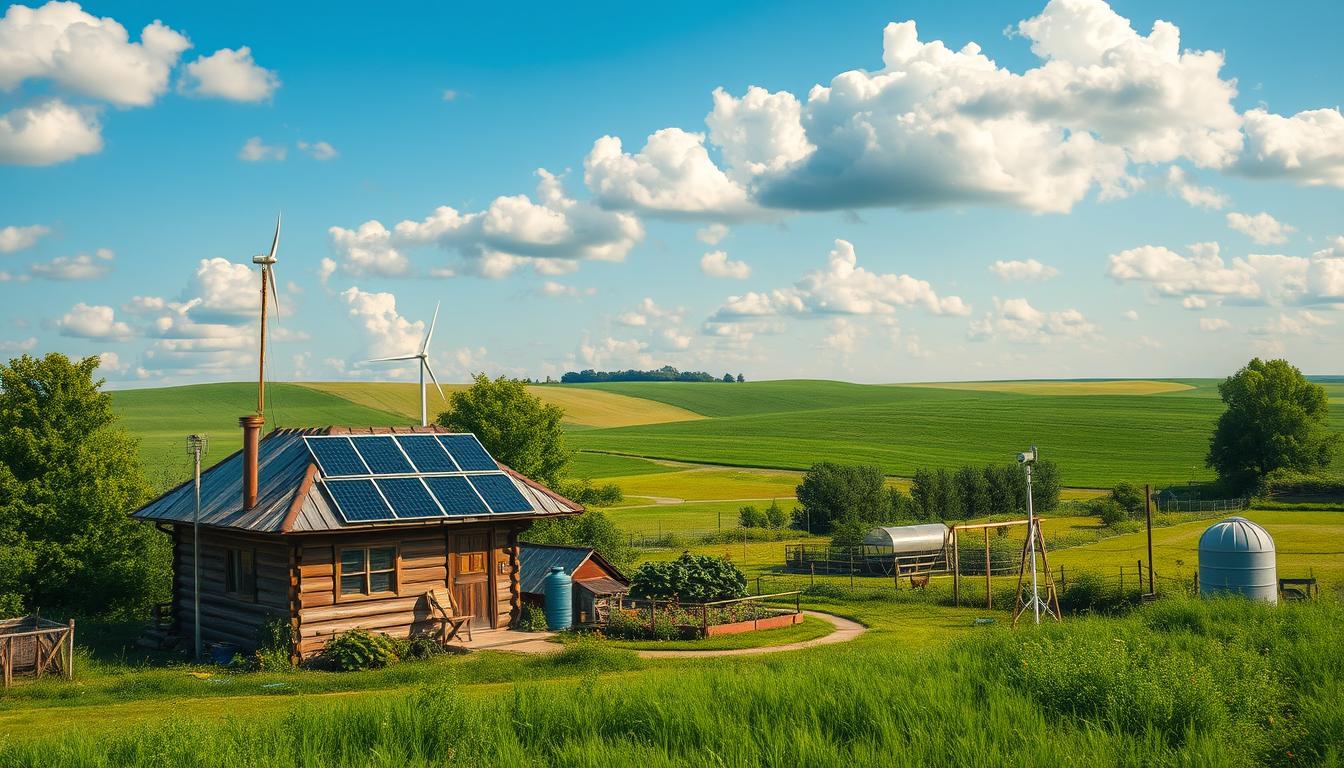
Oklahoma’s wide rural areas are perfect for off-grid living. There’s plenty of land and natural resources for self-sufficient homes. The state’s rural spots are great for solar energy and rainwater collection.
Climate Considerations for Self-Sufficiency
Oklahoma’s weather changes a lot, bringing both challenges and chances for off-grid living. People must get ready for extreme weather like tornadoes and droughts. Climate-resilient strategies are key to staying self-sufficient.
Benefits and Challenges of Going Off-Grid in Oklahoma
Off-grid living in Oklahoma has many perks, like more freedom and less harm to the environment. But, it also has downsides like high start-up costs and ongoing upkeep. Knowing these trade-offs is key for a good off-grid life.
Off Grid Living Laws and Rules in Oklahoma
If you’re thinking about off-grid living in Oklahoma, you need to know the laws. Off-grid living in Oklahoma has many rules. These rules change by state, county, and town.

State-Level Regulations for Off-Grid Properties
Oklahoma has rules for off-grid properties. This includes building codes and zoning laws. The Oklahoma Uniform Building Code Commission makes and enforces these codes. These codes help make sure off-grid structures are safe. Off-grid folks must follow these rules to stay legal.
County and Municipal Zoning Considerations
Counties and towns in Oklahoma also have their own zoning laws. These laws affect how you can use your property and where you can build. It’s important to check the zoning laws in your area before moving.
Building Codes and Permits for Off-Grid Structures
Building codes and permits are key for off-grid living in Oklahoma. The state has rules for building permits. These rules cover electrical, plumbing, and structure. Following these codes is a must for safety.
Inspection Requirements
Off-grid structures need inspections to meet building codes. Inspections happen at different stages of building. Knowing about inspections helps plan your build.
Exemptions for Rural Properties
Some rural places in Oklahoma might not need all building codes and permits. But, these rules can change by county and town. It’s important to check what rules apply to your property.
Recent Legislative Changes Affecting Off-Grid Living
Oklahoma’s laws about off-grid living can change. New laws aim to support renewable energy and self-sufficiency. Off-grid folks should keep up with new laws that might affect their lifestyle and property.
Essential Utility Regulations for Self-Sufficiency
Living off the grid in Oklahoma means more than just not using public utilities. It also means following state rules on water, waste, and energy. Off-grid folks need to know these rules to keep their homes legal and green.
Water Collection and Well Regulations
Oklahoma has rules for collecting water, like rainwater and drilling wells. It’s key for those living off the grid to understand these laws.
Rainwater Harvesting Laws
Rainwater harvesting is a good way to get water off the grid. Oklahoma lets you do it, but you must follow certain rules. This includes registering big systems.
Well Drilling Permits and Requirements
Drilling a well needs state approval. You must get the right permits and follow drilling and building rules.
Waste Management and Composting Toilet Laws
Managing waste is vital for off-grid living. Oklahoma has rules for composting toilets and other waste systems.
Composting toilets are okay in Oklahoma. But they must be designed and maintained right to avoid health risks.
Solar and Alternative Energy Regulations
Oklahoma encourages using alternative energy like solar power. There are rules and benefits to help people use renewable energy.
The state offers incentives for solar energy. This makes it easier for off-grid folks to go solar.
Hunting, Fishing, and Agricultural Regulations
For many off-grid folks, hunting, fishing, and farming are key parts of their lifestyle. Oklahoma has rules for these activities.
People must follow state hunting and fishing regulations. This includes getting the right licenses and sticking to bag limits.
Navigating Property Requirements and Restrictions
It’s key to know the rules for off-grid living in Oklahoma. The state’s wide range of landscapes and local laws can affect your off-grid home’s legality and ease.
Minimum Acreage Requirements by County
Different counties in Oklahoma have their own rules for off-grid land. Some rural areas might need 5 acres, while others could be more or less strict.
| County | Minimum Acreage |
|---|---|
| Adair County | 5 acres |
| Cherokee County | 10 acres |
| Sequoyah County | 2.5 acres |
Tiny Home and Alternative Housing Regulations
Tiny homes and other non-traditional houses have their own rules in Oklahoma. Always check with local officials to make sure you follow the law. For more info, see regulations on tiny homes in Oklahoma.

Property Tax Considerations for Off-Grid Homesteads
Off-grid homes in Oklahoma might get tax breaks. Knowing these can help lower your living costs.
Key tax considerations include:
- Homestead Exemption: Reduces taxable value for primary residences.
- Agricultural Use Valuation: Can lower taxes for land used in agricultural production.
Legal Residency Requirements
To legally live in Oklahoma, you must follow state and local rules. This includes getting the right permits and following zoning laws.
Working with Local Authorities and Communities
It’s important to get along with local officials and neighbors. This makes dealing with law enforcement and county officials easier.
Tips for effective community engagement:
- Attend local meetings to stay informed about regulatory changes.
- Participate in community events to foster goodwill.
Conclusion: Successfully Living Off-Grid in Oklahoma
Living off-grid in Oklahoma needs you to know the laws well. It’s key to follow Off Grid Living Laws and Rules in Oklahoma. This helps you avoid problems.
It’s important to learn about state rules, local zoning, and building codes. Getting the right off grid living permits is also key. This helps you avoid fines and penalties.
Knowing about water collection, waste management, and energy options helps. Oklahoma’s rural areas and climate are great for off-grid living. But, you must know the good and bad sides of this lifestyle.
Living off-grid in Oklahoma can be very rewarding. It lets you get away from the city and connect with nature. Being well-informed and ready helps you enjoy the benefits of off-grid living.
FAQ
What are the primary laws governing off-grid living in Oklahoma?
Oklahoma’s off-grid living laws are mainly set by state laws, county rules, and city zoning. These cover building codes, water collection, and waste management.
Do I need a permit to build an off-grid home in Oklahoma?
Yes, you need a building permit for off-grid homes in Oklahoma. The rules differ by county and city. Always check with local authorities.
Are there any restrictions on collecting rainwater in Oklahoma?
Oklahoma lets you collect rainwater, but there are rules. These rules cover how and where you can store rainwater, even for drinking. It’s important to know these rules.
Can I use composting toilets in my off-grid home in Oklahoma?
Composting toilets are okay in Oklahoma. But, they must follow state and local rules. This includes how to install, maintain, and dispose of waste.
What are the regulations surrounding solar energy systems in Oklahoma?
Oklahoma has rules for solar energy systems. You need permits, inspections, and to connect to the grid properly.
Are there any minimum acreage requirements for off-grid properties in Oklahoma?
Oklahoma has different acreage rules by county. It’s key to check with local authorities for your area’s specific needs.
Can I build a tiny home on my off-grid property in Oklahoma?
Oklahoma has rules for tiny homes. You must follow building codes, zoning, and get permits. It’s important to research and comply with local laws.
How do property taxes work for off-grid homesteads in Oklahoma?
Property taxes in Oklahoma depend on land value and improvements. This includes off-grid homes. There might be exemptions or credits for certain properties.
What are the requirements for establishing legal residency in Oklahoma for off-grid living?
To legally live off-grid in Oklahoma, you must meet state residency rules. This means showing you plan to stay and following laws and regulations.
How can I ensure compliance with off-grid living regulations in Oklahoma?
To follow the rules, learn about local laws, get the right permits, and work with experts. This includes attorneys and builders. This way, your off-grid property will meet all laws and regulations.

Subscribe to Our Newsletter