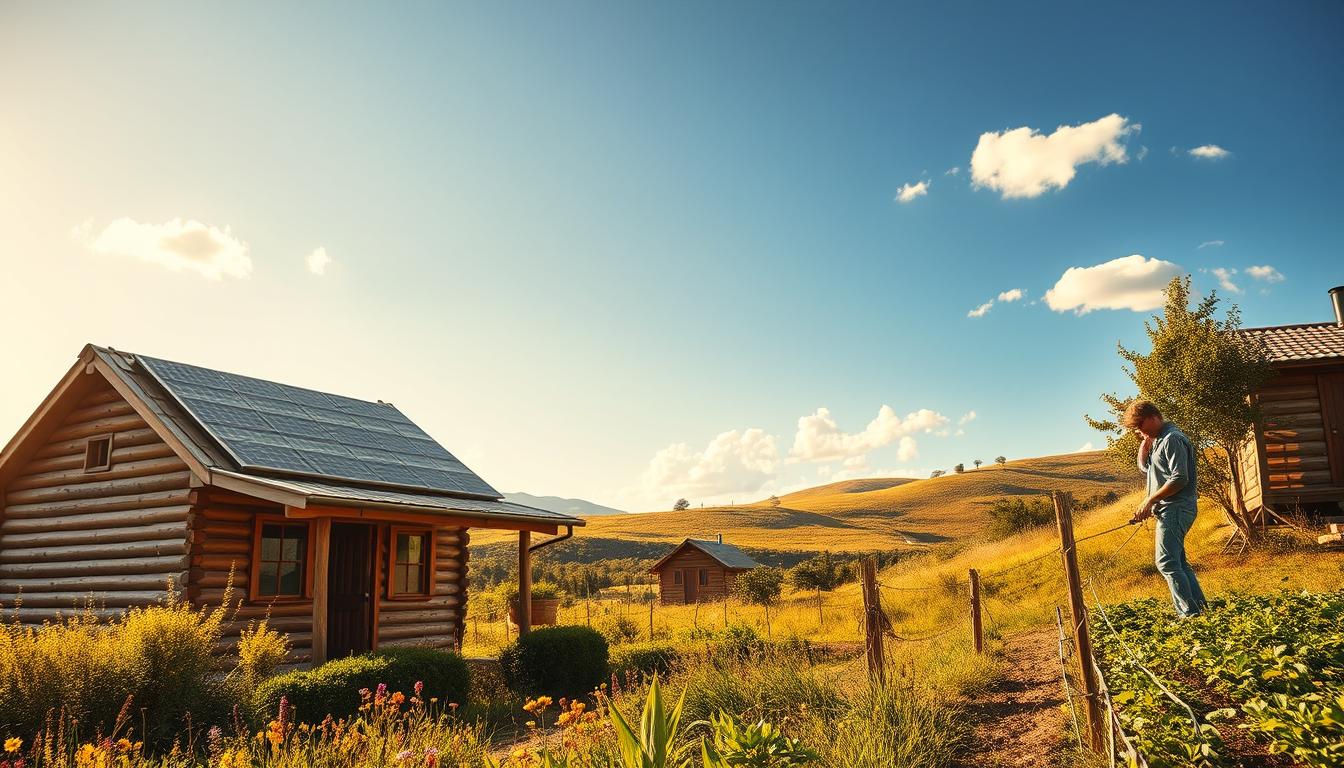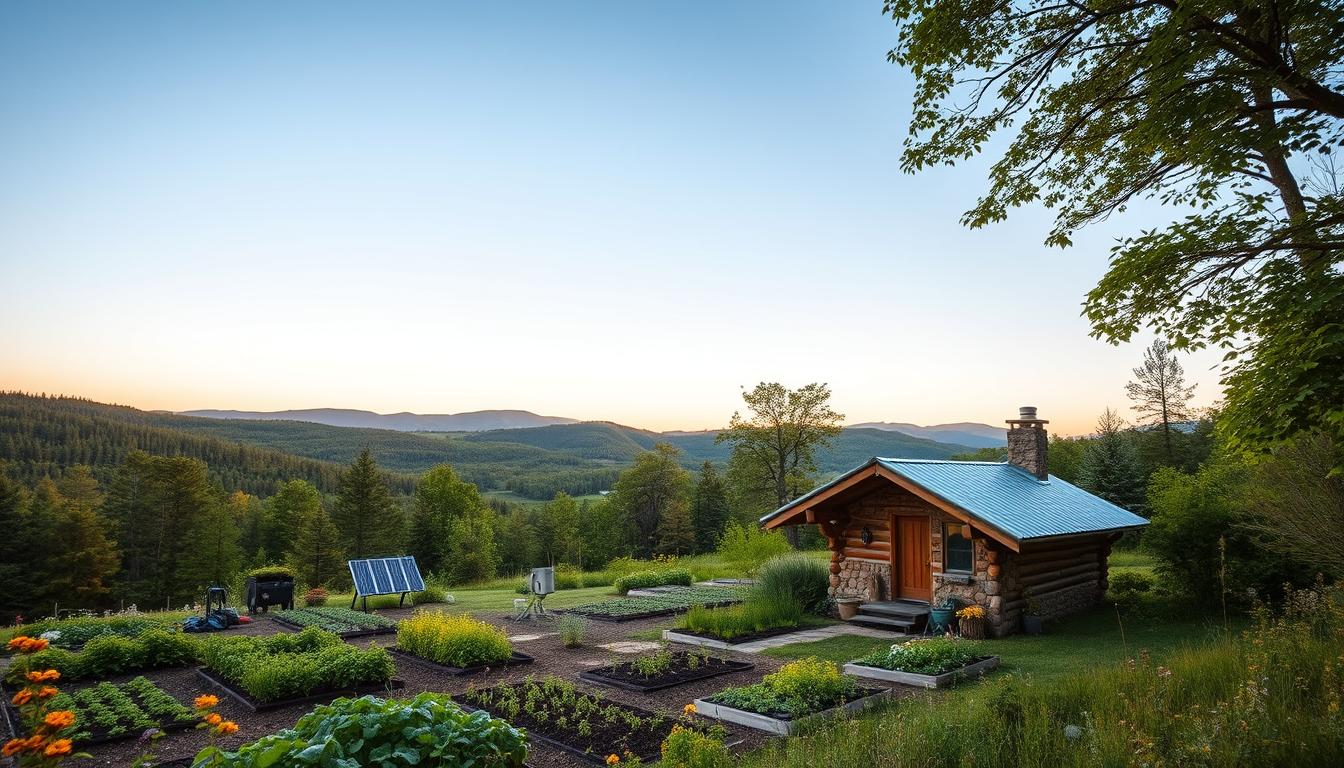
North Dakota is known for its wide open spaces and cheap land. It’s a great place for those wanting a self-sufficient lifestyle. The state’s history of homesteading adds to its charm for off-grid living.
Thank you for reading this post, don't forget to subscribe!Knowing the local rules is key for a smooth move to off-grid living. You need to know about zoning regulations, building codes, and water rights. Our guide will help you understand the legal stuff, getting you ready for your off-grid adventure.
Key Takeaways
- Understand zoning regulations for off-grid homes
- Familiarize yourself with local building codes
- Learn about water rights and usage laws
- Discover the benefits of North Dakota’s homesteading tradition
- Navigate the legal requirements for a self-sufficient lifestyle
Off Grid Living Laws and Rules in North Dakota: An Overview
If you’re thinking about off-grid living in North Dakota, you need to know the laws. Off-grid living means not using public utilities like electricity, water, and sewage. North Dakota is great for this because it’s rural and has fewer rules.
What Constitutes Off-Grid Living in North Dakota
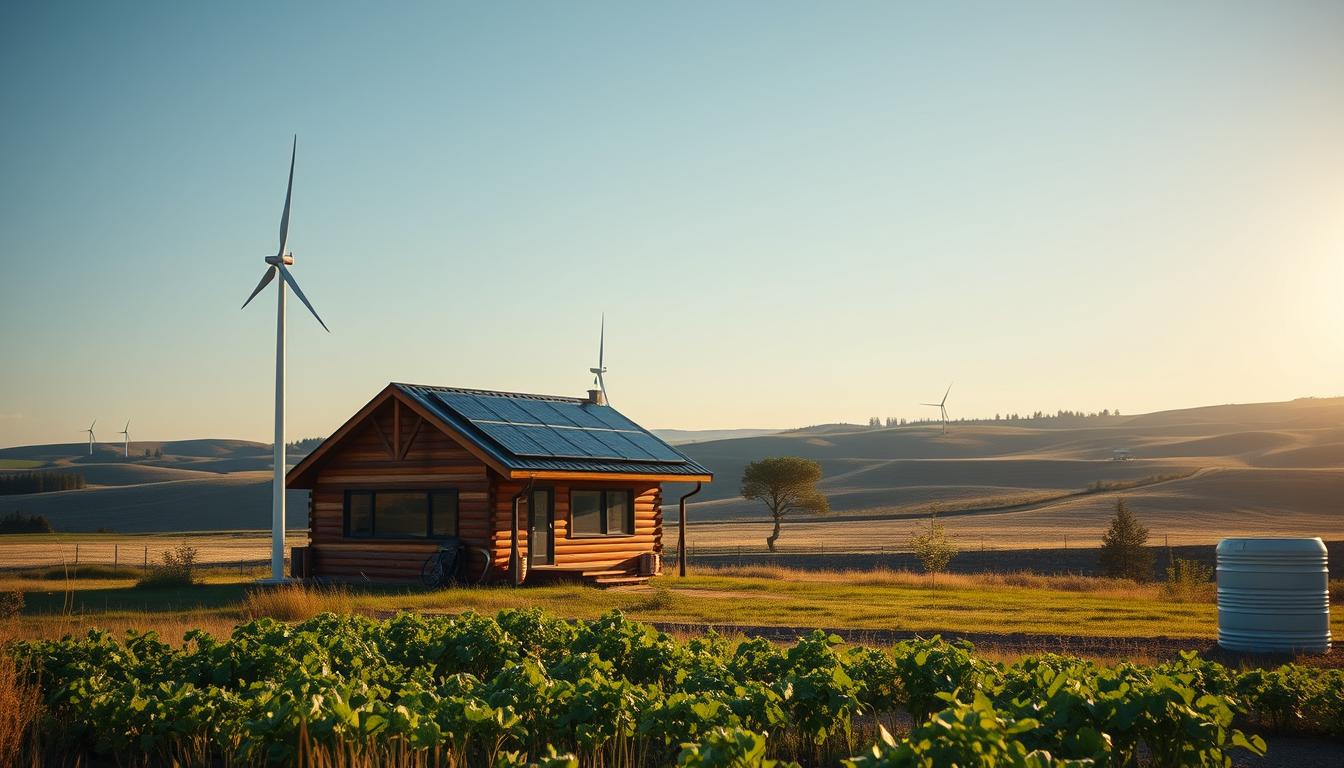
Off-grid living in North Dakota means being self-sufficient. You make your own electricity with solar or wind power. You also collect rainwater and use septic or composting toilets. The state’s wide open spaces are perfect for those who want to live off the grid.
- Renewable energy generation
- Rainwater harvesting
- Septic and composting toilet systems
Legal Definition and State Stance on Self-Sufficiency
North Dakota’s laws support off-grid living. They focus on property rights and freedom. The state lets property owners make their own energy and manage resources, within limits.
The state doesn’t have a strict definition of off-grid living. But it’s about living without public utilities. North Dakota encourages self-sufficiency but also follows health, safety, and environmental rules.
Key points about North Dakota’s view include:
- Relaxed water rights laws for wells and rainwater.
- Zoning laws vary by county, so check local rules.
- Support for renewable energy with state and federal incentives.
Building Codes and Zoning Regulations
Starting an off-grid life in North Dakota means you need to know about building codes and zoning laws. The state follows the 2018 International Building Code (IBC) and International Residential Code (IRC). These codes set the rules for building in North Dakota.
County-Specific Building Requirements
Even though the state has its codes, counties might have their own rules. It’s important for off-grid homeowners to talk to their local county offices. They need to know about county-specific building requirements to follow the law.

Minimum Structural Standards
The building codes in North Dakota set the minimum standards for off-grid homes. These standards cover things like how strong the structure is, fire safety, and if it’s accessible. Making sure your home meets these minimum structural standards is key for safety and following the law.
Permits and Inspection Processes
Before you start building, you need to get the right permits. You’ll have to send in your plans and details for review. This makes sure your project follows state and local codes. During building, there will be inspections to check if you’re following the rules. You can find more details in the 2023 North Dakota State Building Code.
Here’s a quick look at what you need to know about building codes and zoning for off-grid homes in North Dakota:
| Regulation Aspect | Description | Importance |
|---|---|---|
| State Building Codes | Adopted 2018 IBC and IRC | Ensures state-wide minimum standards |
| County-Specific Requirements | Additional or different from state codes | Compliance with local regulations |
| Permitting Process | Submission of plans for review | Ensures compliance before construction |
| Inspections | Regular checks during construction | Verifies adherence to building codes |
Water and Waste Management Laws
Off-grid folks in North Dakota face laws about water and waste. It’s key to know these rules for a green and legal life off the grid.
Water Rights and Regulations
North Dakota uses the doctrine of prior appropriation for water rights. This means the first to use water gets the right to it. Off-grid folks might need a permit to get water, like from drilling a well.
Key Considerations for Water Rights:
- Priority date: The earlier, the better.
- Beneficial use: Water must be used for good, like irrigation or drinking.
- Permit requirements: Check with the North Dakota State Water Commission for details.
https://www.youtube.com/watch?v=N3ZWCyu_G3M
Rainwater Harvesting Legality
Rainwater harvesting is okay in North Dakota. There are no state rules for it. But, local laws might apply.
Septic and Composting Toilet Requirements
North Dakota has rules for septic and composting toilets. These systems must follow local health department rules. This includes design, installation, and upkeep.
Regulations for Septic Systems:
| System Type | Regulatory Body | Key Requirements |
|---|---|---|
| Septic Systems | Local Health Department | Design and installation standards, regular inspections |
| Composting Toilets | Local Health Department | Specific installation and maintenance guidelines |
For more info on off-grid living laws in North Dakota, check The Land Geek’s blog on off-grid laws in North.
Energy Systems and Utility Regulations
Off-grid living in North Dakota needs to follow state rules and fit the local weather. The state promotes using green energy. It offers help for solar systems and doesn’t tax renewable energy setups.
Solar and Wind Energy Installation Requirements
North Dakota has rules for solar and wind systems. These include:
- Permitting: Get the right permits before you start.
- Inspection: Make sure your system meets state codes.
- Zoning Compliance: Your setup must follow local rules.
For solar systems, think about the tilt and direction. This helps catch more sun in North Dakota’s changing weather.
Grid Connection vs. Complete Independence
Off-grid folks can tie into the grid or go solo. Being on the grid means you’re reliable and can sell extra power. But, going solo means you’re self-sufficient, needing good storage for energy.
Choosing depends on:
- Energy Needs: Know how much power you need for your system size.
- Financial Considerations: Compare costs of being on the grid versus going solo.
- Lifestyle Preferences: Do you want to be self-sufficient or rely on the grid?
Adapting to North Dakota’s Extreme Climate
North Dakota’s weather is very cold in winter and very hot in summer. This is tough for off-grid energy systems. To handle it:
- Insulate Energy Systems: Keep systems warm or cool with insulation.
- Design for Extremes: Make systems work well in all North Dakota’s temperatures.
- Backup Systems: Have extra systems for when energy is low, like winter.

By following North Dakota’s rules and making systems fit the local weather, off-grid homes can have reliable, green energy.
Agricultural and Property Considerations
North Dakota’s wide open spaces are perfect for off-grid homes. But, you must know the laws about farming, animals, and land use. It’s not just about making your own power or catching rainwater.
Livestock and Farming Regulations
If you want to farm or raise animals off-grid, you need to know the rules. North Dakota lets you farm and raise animals in many places. But, the rules can change a lot by county.
Zoning laws might say what animals you can have, how big your farm can be, and how you can farm. It’s important to follow these rules.
Best Counties for Off-Grid Properties
Some North Dakota counties are better for off-grid living. They have easier zoning laws and support self-sufficient living. Divide, Burke, and McKenzie are good examples.
These counties have wide open spaces and fewer rules. They are popular with off-grid homesteaders.
Property Tax Implications for Off-Grid Homesteads
Property taxes are a big deal for off-grid homes in North Dakota. The taxes can change based on how you use your land and what you build. For example, farming can sometimes get you a lower tax rate.
But, this depends on how you use your land and local rules.
| County | Agricultural Tax Rate | Residential Tax Rate |
|---|---|---|
| Divide | Lower Rate for Ag Use | Standard Residential Rate |
| Burke | Variable; depends on production | Higher than Ag Rate |
| McKenzie | Eligible for Ag Exemption | Standard Rate Applies |
In conclusion, living off-grid in North Dakota needs a deep understanding of land and property laws. Knowing the rules for animals, farming, and taxes helps you prepare for a successful off-grid life.
[link-whisper-related-posts]Conclusion
Living off-grid in North Dakota needs careful planning. You must follow local laws and rules. North Dakota is one of the top five states with few off-grid legal limits. It has a perfect legal favorability score of 100.
Knowing North Dakota off-grid regulations is key for a good off-grid life. The state’s laws cover building codes, water and waste, energy systems, and farming.
Learning about North Dakota’s off-grid legal needs helps you live self-sufficiently. With its good laws, North Dakota is a great place for off-grid living.
FAQ
What are the zoning laws for off-grid living in North Dakota?
Zoning laws in North Dakota change by county. Some counties are more lenient than others. Always check the zoning laws in your county before setting up your off-grid home.
Do I need a permit to build an off-grid home in North Dakota?
Yes, you need a building permit for off-grid homes in North Dakota. You’ll have to submit plans and meet certain standards. These standards vary by county.
Can I harvest rainwater in North Dakota?
Yes, you can harvest rainwater in North Dakota. But, you must follow certain rules, like those about water rights and usage.
What are the regulations for septic and composting toilet systems in North Dakota?
Septic and composting toilets must follow local health rules. It’s important to follow these rules to keep your environment safe and healthy.
Are there any incentives for using renewable energy systems in North Dakota?
North Dakota has incentives for renewable energy, like tax credits. But, you should check the specific rules and incentives for your energy system.
Can I disconnect from the grid entirely in North Dakota?
Yes, you can go off-grid in North Dakota. Just make sure your energy system works for you and follows local rules.
What are the property tax implications for off-grid homesteads in North Dakota?
Property taxes for off-grid homes in North Dakota depend on the county and property value. It’s important to know the property tax laws in your county.
Are there any regulations on livestock and farming in North Dakota?
Yes, there are rules for livestock and farming in North Dakota. These include zoning and health laws. Always check the rules for your farm or ranch.
How do I ensure compliance with North Dakota’s off-grid living laws and regulations?
To follow the laws, research the rules for your off-grid home. Get the right permits and talk to local experts if needed.

Subscribe to Our Newsletter