Louisiana’s warm weather and rich farming history draw many to self-sufficiency through off-grid living. Before buying property, knowing the local rules is key. The state’s laws and rules greatly affect your ability to live off the grid legally and comfortably.
Thank you for reading this post, don't forget to subscribe!It’s vital to grasp Louisiana’s off-grid laws for a smooth move. Rules cover renewable energy, water rights, and sewage systems. Knowing these guidelines helps you deal with off-grid living in Louisiana’s complexities.
Key Takeaways
- Renewable energy is supported by Louisiana law, with certain requirements for installation and permits.
- Water rights and usage are governed by specific regulations, including surface water and well drilling.
- Sewage and septic systems are subject to local health department regulations.
- Compost toilets and graywater systems have specific guidelines.
- Understanding local zoning laws is essential for off-grid living.
Understanding Off-Grid Living in Louisiana
The Pelican State is great for those wanting to live off the grid. Off-grid living in Louisiana is getting more popular. This is because of the state’s good weather and easy rules.
What Constitutes Off-Grid Living in the Pelican State
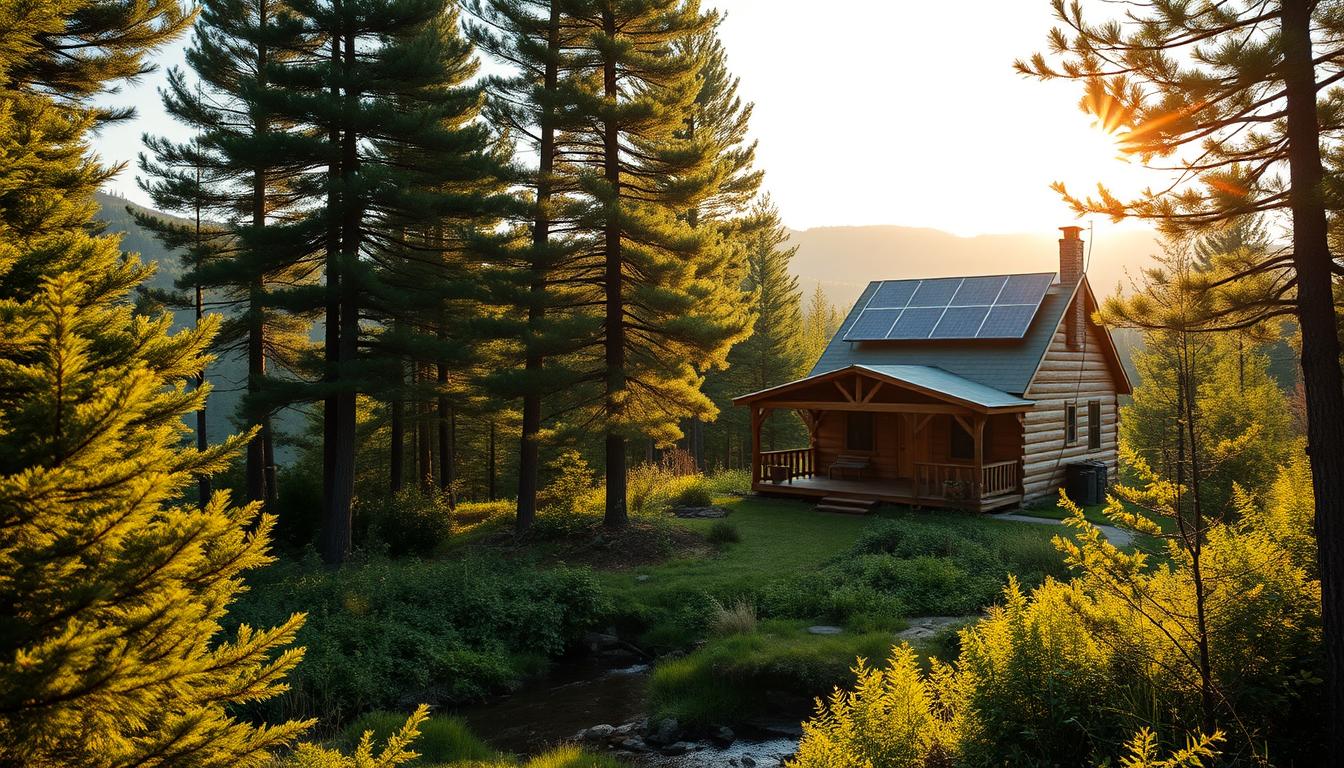
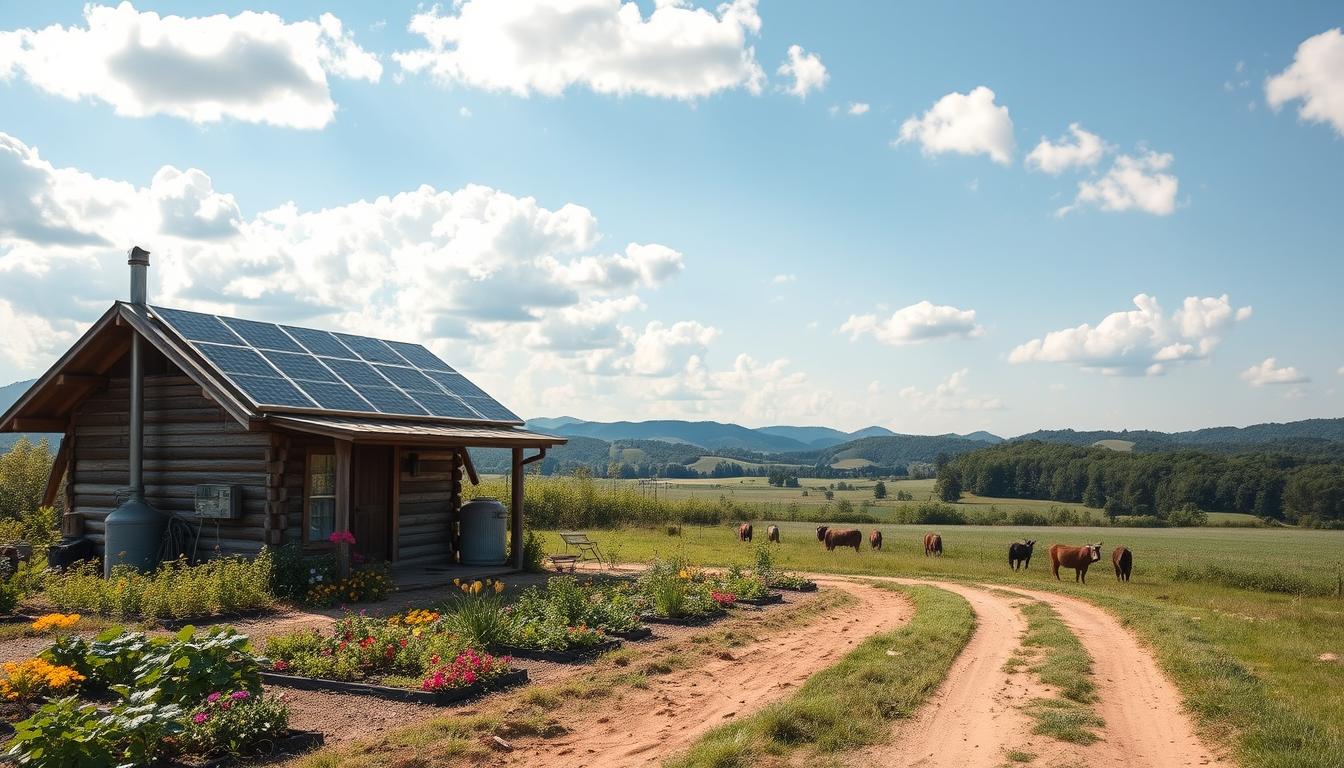
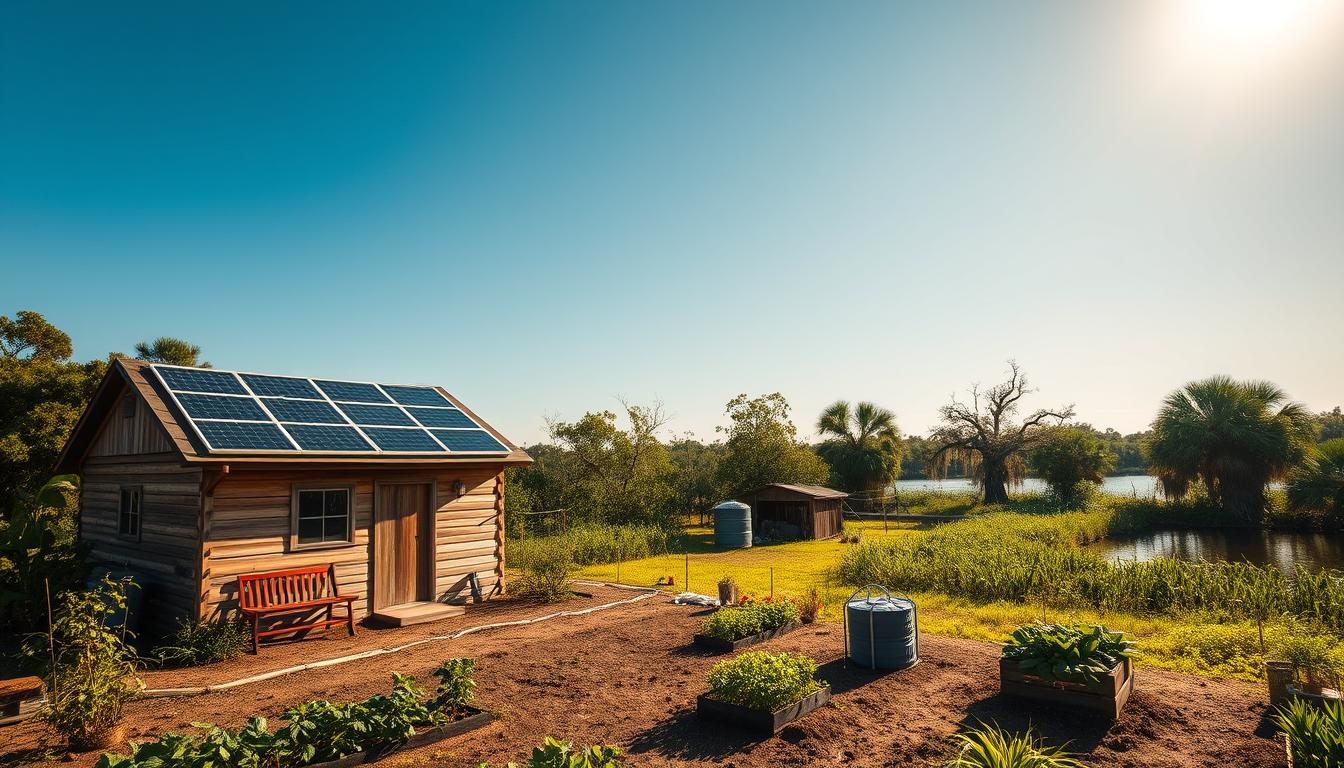
Off-grid living in Louisiana means making your own power and collecting rainwater. It’s great for those who want to be free from public utilities. Important parts include:
- Renewable energy systems, such as solar or wind power
- Rainwater harvesting and filtration systems
- Septic systems for waste management
https://www.youtube.com/watch?v=XWbVKsemF2U
The Legal Framework for Self-Sufficiency
Louisiana’s laws mostly support off-grid living. You need permits for some things. Knowing the legal needs for sustainable living is key. The state lets you be quite self-sufficient, mainly in rural areas.
Louisiana’s Unique Environmental Considerations
Louisiana’s environment, with wetlands and lots of water, affects off-grid rules. The state’s environmental rules are important for off-grid living laws. This is true for water use and waste disposal.
Off Grid Living Laws and Rules in Louisiana
Off-grid living in Louisiana has state laws and local rules. It’s important to know both for a successful off-grid lifestyle in the Pelican State.
State-Level Regulations
Louisiana lets tiny houses everywhere, but rules differ by area. Most places follow the International Residential Code (IRC) Appendix Q or RVIA standards. Always check with your local zoning office before starting a project.
Key state-level regulations include:
- Compliance with IRC Appendix Q or RVIA standards
- Zoning office approval for building projects
Parish-Specific Ordinances
State laws set a base, but local rules can change things. Some areas have stricter building codes or zoning rules. Knowing these rules is key to avoid legal trouble.
| Parish | Building Code | Zoning Restrictions |
|---|---|---|
| East Baton Rouge | IRC Appendix Q | Minimum lot size: 1 acre |
| Lafayette | RVIA standards | Minimum lot size: 2 acres |
Legal Challenges and How to Navigate Them
Dealing with off-grid living laws in Louisiana can be tough. To avoid problems, talk to local experts and keep up with law changes.

By following state and local rules, you can overcome legal hurdles in off-grid living in Louisiana.
Property and Building Requirements
To live off the grid in Louisiana, you need to know about property and building rules. These rules can affect if you can live off the grid legally and how well you can do it.
Land Zoning Considerations
Louisiana’s zoning laws change by parish. For off-grid living, you usually need land zoned as “Rural.” This zone lets you do things like raise animals and farm. But, rural areas often require a lot of land.
Key considerations for rural zoning include:
- Minimum acreage requirements
- Restrictions on animal husbandry
- Setback requirements for structures
Building Codes and Permits
Louisiana’s building codes are about safety and structure. Off-grid homes must follow electrical, plumbing, and construction rules. You’ll need permits for new buildings or big changes.
| Building Aspect | Code Requirement | Permit Required |
|---|---|---|
| Electrical | NEC Compliance | Yes |
| Plumbing | State Plumbing Code | Yes |
| Construction | IBC Standards | Yes |
Minimum Habitation Standards
Louisiana has rules for homes, like ventilation and lighting. Off-grid homes must follow these to be legal homes.
Property Tax Implications for Off-Grid Homesteads
Off-grid properties in Louisiana pay property taxes. These taxes change by parish. Some parishes give homestead exemptions to lower taxes on main homes.
Property tax considerations include:
- Assessment rates
- Homestead exemption eligibility
- Tax rates by parish
Utility Independence and Sustainability Regulations
In Louisiana, living off the grid means more than just cutting ties with public utilities. It also means following state rules to protect the environment and ensure sustainability.
Water Collection and Usage Laws
Louisiana has strict rules for collecting and using water, key for off-grid homes. You can collect rainwater, but you must follow rules about water quality and use. This is important for irrigation and animal care.
Key Regulations:
- Compliance with the Louisiana Water Code
- Adherence to water quality standards
- Permitting requirements for wells and rainwater harvesting systems
Alternative Energy Systems Requirements
Louisiana supports using alternative energy like solar, wind, and biomass. The state allows net metering for homes and businesses, pushing for more renewable energy.
| Energy Source | System Size Limit | Net Metering Availability |
|---|---|---|
| Solar | 25 kW (residential) | Yes |
| Wind | 300 kW (commercial/agricultural) | Yes |

Waste Management and Sewage Regulations
Living off the grid in Louisiana means following rules for waste and sewage. This is to keep everyone healthy and the environment safe. You must follow state and local rules for septic systems and waste.
Regulatory Considerations:
- Septic system design and installation standards
- Waste disposal guidelines
- Regular inspections and maintenance requirements
Agricultural and Livestock Regulations for Self-Sufficiency
If you want to be self-sufficient in Louisiana, there are rules for farming and raising animals. These rules help make sure farming is done right for the environment.
Key Agricultural Regulations:
- Compliance with agricultural best management practices
- Livestock health and vaccination requirements
- Zoning regulations for agricultural activities
Conclusion
Louisiana is a great place for those wanting to live off the grid. It has fertile land, a mild climate, and is affordable. Knowing the Off Grid Living Laws and Rules in Louisiana is key for a smooth transition.
To live off-grid in Louisiana, you must follow the rules. This includes local laws on rainwater harvesting, alternative energy, zoning, and building permits. It’s important to know the legal guidelines to avoid trouble.
For a detailed guide on where to live off-grid legally, check out this article. It offers great tips on the legal side of off-grid living.
By staying informed and following the rules, you can enjoy off-grid living in Louisiana. It’s a great way to live in the Pelican State.
FAQ
What are the general requirements for off-grid living in Louisiana?
To live off-grid in Louisiana, you must follow state and parish rules. This includes zoning laws, building codes, and environmental rules. Knowing these rules is key for a smooth transition.
How do Louisiana’s environmental considerations impact off-grid living?
Louisiana’s environment, like its wetlands, affects off-grid living rules. For example, water collection and use rules are shaped by the state’s environment.
What are the differences between state-level regulations and parish-specific ordinances in Louisiana?
State rules set a general framework for off-grid living. But, parish rules can greatly affect your project. Knowing both is important to avoid legal trouble.
How do zoning laws affect off-grid living in Louisiana?
Zoning laws can greatly impact off-grid living. It’s vital to know your parish’s zoning laws. This ensures you follow the rules and avoid legal problems.
What are the regulations surrounding alternative energy systems in Louisiana?
Louisiana has rules for alternative energy systems like solar and wind. Knowing these rules is key for self-sufficiency and legal compliance.
Are there specific regulations for waste management and sewage in off-grid homesteads in Louisiana?
Yes, Louisiana has rules for waste and sewage in off-grid homes. Following these rules is important for a safe and healthy home.
How do agricultural and livestock regulations impact off-grid living in Louisiana?
Agriculture and livestock rules can affect off-grid living in Louisiana. These rules are important for those who want to farm or raise animals.
What are the property tax implications for off-grid homesteads in Louisiana?
Off-grid homes in Louisiana may face special property taxes. Understanding these taxes is important for budgeting and planning.
Can I collect and use rainwater for off-grid living in Louisiana?
Louisiana has laws about water collection and use. Rainwater collection is usually allowed, but there may be specific rules based on the parish and use.
How can I ensure compliance with Louisiana’s off-grid living regulations?
To follow the rules, research state and parish regulations. This includes zoning laws, building codes, and environmental rules. Talking to local authorities and experts can also help.

Subscribe to Our Newsletter