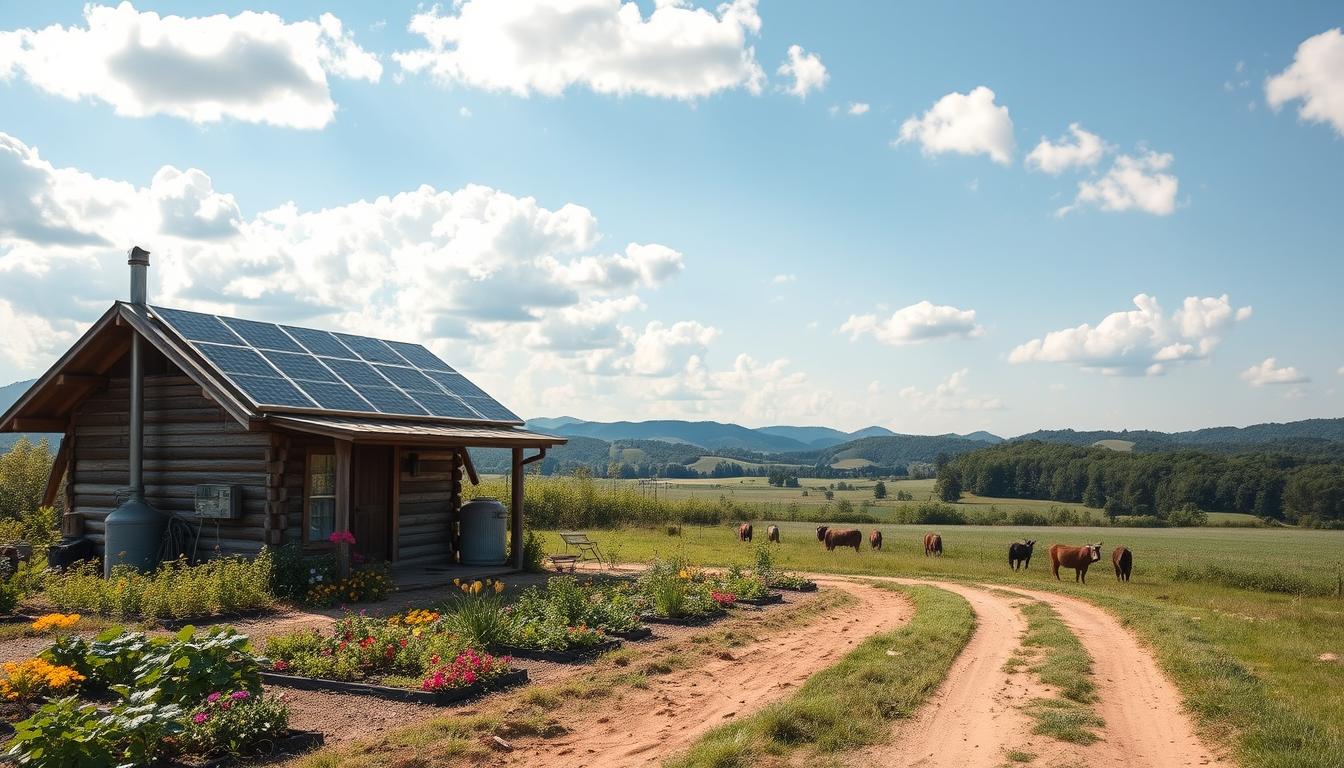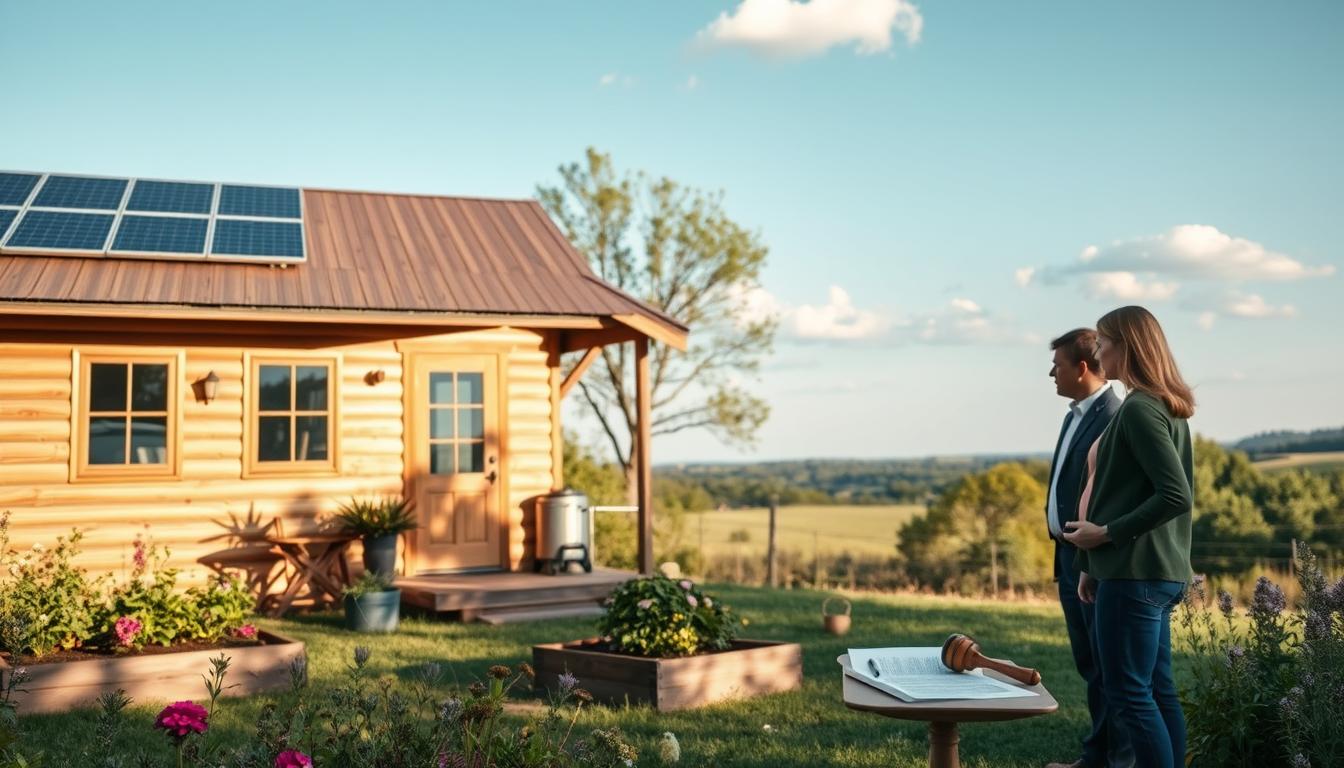
Living off the grid in Indiana is growing in popularity. It attracts those who want to be independent and live sustainably. But, it’s important to know the local regulations well.
Thank you for reading this post, don't forget to subscribe!Knowing Indiana’s off-grid laws is key. It helps you follow the rules and avoid legal trouble. The state has laws for off-grid living, like sewage and renewable energy.
If you’re thinking about this lifestyle, knowing the rules for your area is vital. It affects your property and where you live in Indiana.
Key Takeaways
- Understand local zoning laws and their implications on off-grid living.
- Familiarize yourself with sewage disposal regulations and options.
- Learn about the rules governing renewable energy sources like solar and wind power.
- Be aware of the regulations regarding water rights and usage.
- Comply with building codes and permitting requirements for off-grid homes.
Understanding Off-Grid Living in Indiana
More and more Hoosiers want to live off the grid. This means making their own energy, collecting rainwater, and growing their own food. They don’t need public utilities.
What Constitutes Off-Grid Living
Off-grid living includes using renewable energy, collecting rainwater, and growing food. These steps help people not rely on city services.
The Legal Status of Off-Grid Living in Indiana
Indiana lets people live off the grid, but there are rules. Laws cover water rights, waste, and building codes. Off-grid folks must follow these.
Indiana’s Stance on Self-Sufficiency
Indiana backs self-sufficiency with laws and programs. It supports using renewable energy and growing food in a green way.
Building Codes and Zoning Regulations
Indiana’s building codes and zoning rules shape the state’s off-grid living scene. These rules change a lot from county to county. It’s key to know the specific rules in your area before starting an off-grid project.
County-Specific Building Requirements
Every county in Indiana has its own building codes and zoning rules. Some counties might ask for certain materials, energy efficiency, or environmental checks. Always talk to local officials to get the right info for your off-grid project.
Minimum Square Footage Requirements
Indiana has rules on the minimum square footage for homes. These rules can impact tiny homes and other unique houses. For example, some places might need a home to be at least 600 square feet to be permanent.
Tiny Home and Alternative Housing Regulations
Tiny homes and other unique houses have their own rules in Indiana. These rules can differ, with some places being more open than others. For more on tiny home rules in Indiana, check out https://www.zookcabins.com/regulations/tiny-home-regulations-in-indiana.
Permanent vs. Temporary Structures
Indiana’s building codes make a big difference between permanent and temporary structures. Permanent homes face stricter rules, while temporary ones might have it easier.
- Permanent homes must follow all building codes, like energy and environmental standards.
- Temporary homes, like yurts or tiny homes on wheels, have different rules. These often depend on their use and how long they stay.

Water Collection and Usage Laws
Off-grid folks in Indiana face rules about collecting water. It’s key to know these laws for a legal and green off-grid life.
Rainwater Harvesting Regulations
Indiana lets you collect rainwater, but rules differ by county. Always check local laws before setting up a rainwater system.
Well Water Rights and Permits
Indiana state law controls well water rights. You need permits to drill a well. The Indiana Department of Natural Resources checks well drilling to keep water safe and plentiful.
Greywater Systems Legality
Greywater systems, using water from sinks and showers, have their own rules. They must follow state and local rules to avoid health issues.
Key Considerations:
- Check local regulations before installing any water collection or reuse system.
- Obtain necessary permits for well drilling.
- Ensure greywater systems are designed and installed according to state guidelines.
Off Grid Living Laws and Rules in Indiana for Energy Systems
Off-grid living is becoming more popular in Indiana. It’s important to know the laws about energy systems. Indiana supports renewable energy with specific rules for solar and wind.
Solar Power Regulations and Grid Connection
Indiana loves solar energy. People can put up solar panels easily without many legal problems. There are also perks for connecting to the grid.
Wind Energy Restrictions
Wind energy is okay, but there are rules. Local zoning laws can affect where wind turbines go. It’s key to check local rules.
Alternative Energy Incentives and Programs
Indiana has many incentives for green energy. There are tax credits and grants to help with the cost of renewable systems.
Net Metering Policies
Indiana’s net metering lets people make their own energy and sell extra to the grid. This helps make renewable energy more appealing.
- Residents can save on energy bills.
- They can sell extra energy to the grid.
- There are incentives for green energy systems.
Waste Management and Sanitation Requirements
It’s important to know about waste management and sanitation rules in Indiana. This is key for living off-grid in a healthy and sustainable way.
Composting Toilet Regulations
Indiana lets you use composting toilets, but they must follow state rules. Composting toilets need to be kept in good shape to avoid health problems. Always check with local authorities for specific rules.
Septic System Requirements
Septic systems have to meet state and local rules. They need regular checks and upkeep to work right. Here are some important septic system rules in Indiana.
| System Type | Inspection Frequency | Maintenance Requirements |
|---|---|---|
| Conventional Septic | Every 3 years | Pumping every 5-7 years |
| Alternative Septic | Annually | As per manufacturer’s instructions |
Solid Waste Disposal Rules
Indiana has rules for disposing of solid waste, like recycling and reducing waste. Off-grid residents must follow these rules to protect the environment.

Agricultural and Livestock Regulations for Homesteading
Homesteading in Indiana means dealing with many rules about farming and animals. It’s key for those living off the grid who want to grow their own food and raise animals.
Farming Rights in Rural vs. Suburban Areas
Farming rights change a lot between rural and suburban areas in Indiana. In rural spots, homesteaders can farm and raise animals on a big scale. But, in suburbs, laws are tighter, limiting what and how much you can farm.
Livestock Limitations and Permits
In Indiana, there are limits on the animals you can keep, mainly in suburbs. You might need a permit for some animals. There are rules to protect animals and keep everyone healthy.
Food Production and Sale Regulations
If you want to sell what you grow, Indiana has rules. You must follow food safety, labeling, and get a license.
| Regulation Area | Rural Areas | Suburban Areas |
|---|---|---|
| Farming Rights | More freedoms | Stricter zoning laws |
| Livestock Limitations | Fewer restrictions | Permits often required |
Conclusion
Living off-grid in Indiana means knowing the state’s laws well. This knowledge helps people live sustainably and happily. The Indiana Off Grid Living Guidelines help folks live self-sufficiently while following state rules.
It’s key to know the Off Grid Living Laws in Indiana to live off-grid smoothly. You need to understand building codes, water laws, energy rules, waste management, and farm rules. Following these laws makes your life legal and helps the environment.
Indiana supports different ways of living, so it’s important to stay current with rules. People should talk to local officials and check resources to make sure they’re doing things right for off-grid living.
FAQ
What is considered off-grid living in Indiana?
Off-grid living in Indiana means you don’t rely on public services. You use renewable energy, collect rainwater, and grow your own food.
Are there any specific laws or regulations governing off-grid living in Indiana?
Yes, Indiana has rules for off-grid living. These cover building codes, zoning, water use, energy systems, waste, and farming.
Can I harvest rainwater in Indiana?
Yes, Indiana lets you collect rainwater. But, you might need a permit based on the system’s size and water use.
What are the building codes and zoning regulations for off-grid homes in Indiana?
Building and zoning rules differ by county in Indiana. Always check with local authorities for specific needs, like square footage and tiny home rules.
Can I generate my own energy using solar or wind power in Indiana?
Yes, Indiana supports solar and wind energy. But, there might be rules for connecting to the grid and incentives for green energy.
What are the regulations for composting toilets and septic systems in Indiana?
Rules for composting toilets and septic systems vary by county. Always check with local authorities to follow state and local laws.
Can I raise livestock on my off-grid property in Indiana?
Yes, but there are rules and permits needed. Check with local authorities for specific requirements, like animal limits and permits.
Are there any incentives available for off-grid living in Indiana?
Yes, Indiana offers incentives for green energy and sustainable farming. Look into net metering, tax credits, and programs for homesteading.
What are the rules for selling produce grown on my off-grid homestead in Indiana?
Indiana has rules for selling homegrown produce. You need to follow food safety and labeling laws. Always check with local authorities for specific rules.
How can I ensure compliance with Indiana’s off-grid living laws and regulations?
To comply, research and understand the laws. Get necessary permits and regularly check your property and systems. This ensures they meet state and local standards.

Subscribe to Our Newsletter