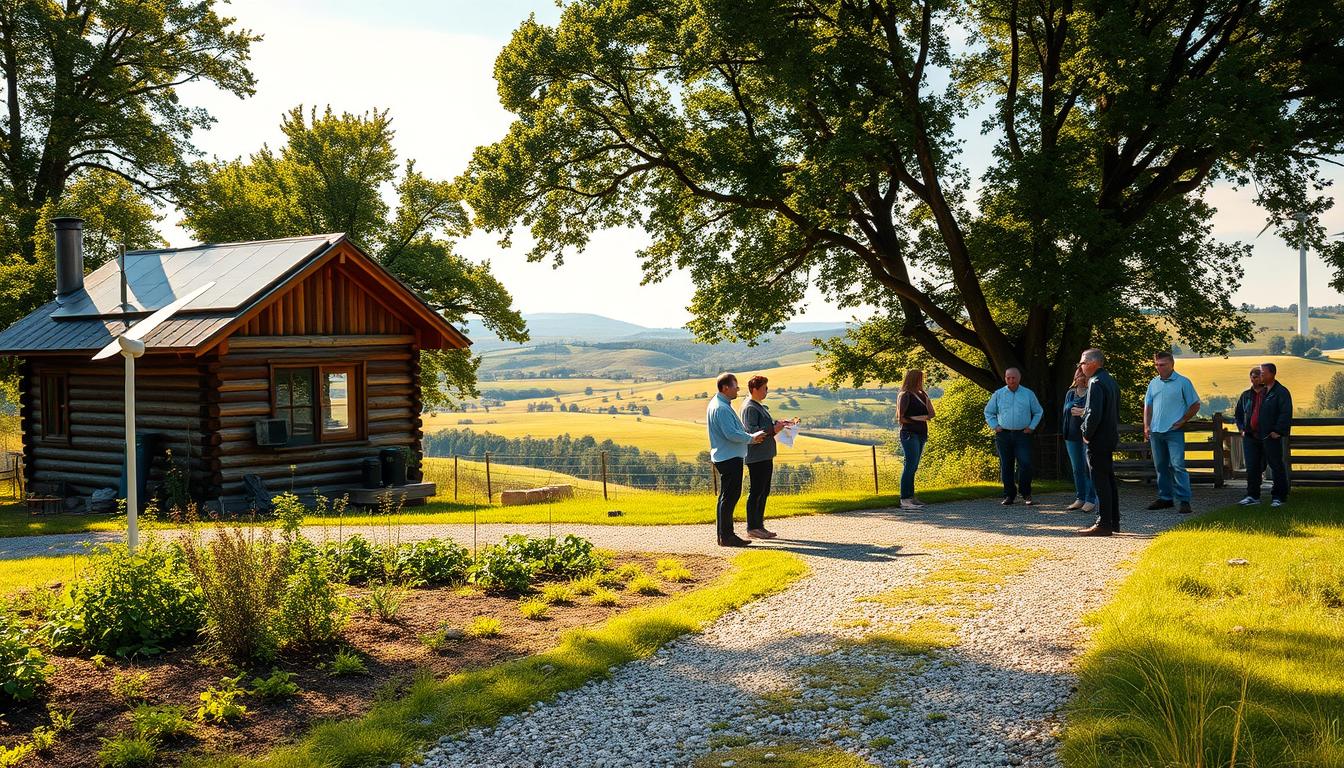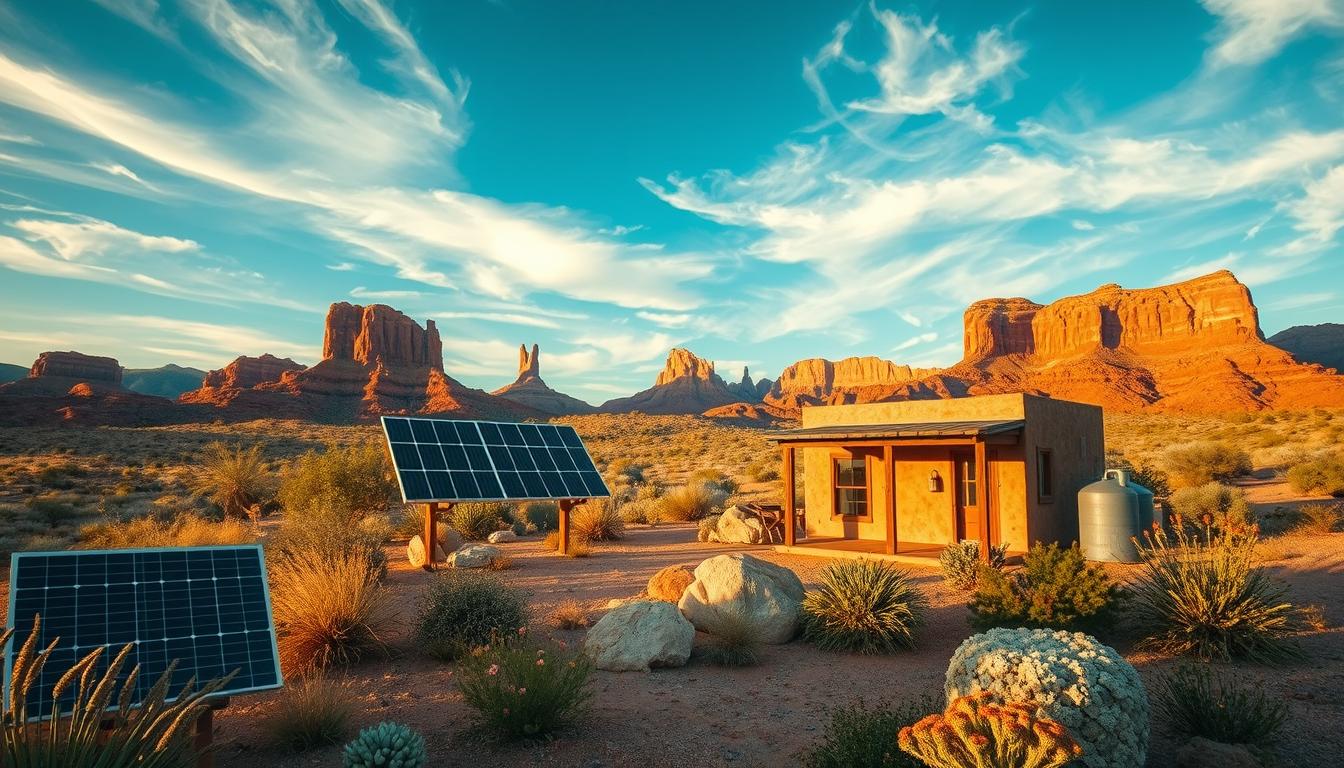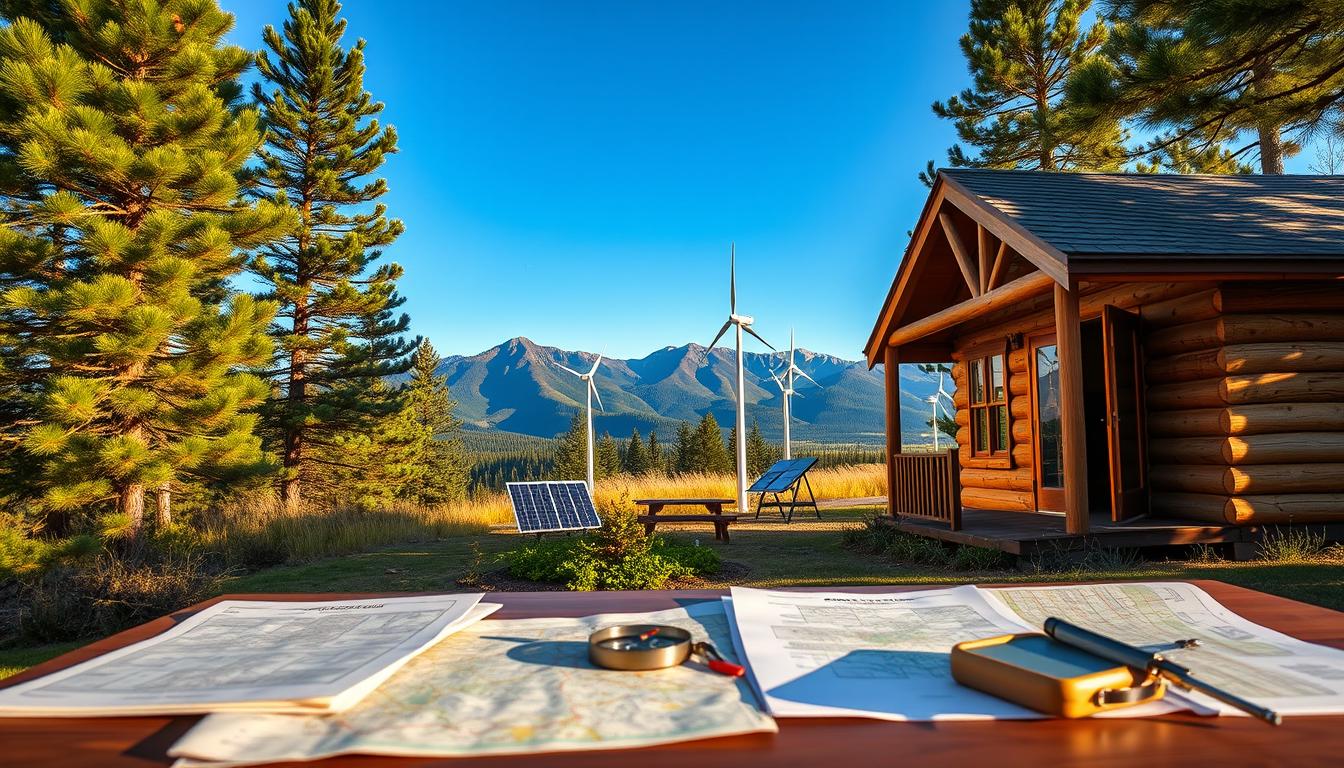
Idaho is a top choice for those wanting to live off the grid. Its favorable climate and geography draw many. It’s a great place to start a self-sufficient life.
Thank you for reading this post, don't forget to subscribe!But, it’s important to know Idaho’s rules. You must follow state building codes and local zoning laws. Getting the right permits for your off-grid systems is also key.
Key Takeaways
- Idaho’s relaxed regulations make it an ideal location for off-grid living.
- Compliance with state building codes is mandatory.
- Local zoning laws must be adhered to when setting up off-grid systems.
- Permits are required for off-grid energy systems.
- Understanding Idaho’s legal framework is important for a successful off-grid lifestyle.
Understanding Off Grid Living Laws and Rules in Idaho
Living off the grid in Idaho means knowing the state’s laws well. This ensures a smooth move to self-sufficiency. Idaho supports self-sufficiency but you must follow state building codes and local zoning rules.
What Constitutes Off-Grid Living in Idaho
Off-grid living in Idaho means making your own power and managing waste. You can use renewable energy sources like solar or wind. You also harvest rainwater and use septic systems for waste.
- Renewable energy generation
- Rainwater harvesting
- Waste management through septic systems
Legal Framework for Self-Sufficiency in Idaho
Idaho’s laws support self-sufficiency. For example, you can live off the grid if you follow state building codes and local zoning rules. Important points include:
- Compliance with state building codes
- Adherence to local zoning regulations
Idaho’s Approach to Sustainable Living
Idaho encourages sustainable living by supporting renewable energy and self-sufficiency. The state backs Idaho homesteading laws. These laws let residents live off the grid while following environmental and health rules.
Building Codes and Permit Requirements
Understanding building codes and permit requirements is key for off-grid living in Idaho. The state follows the 2018 International Building Code and the 2018 International Residential Code. These codes ensure buildings are safe and well-made.

County-Specific Building Regulations
Idaho’s counties have their own building rules. These rules can change a lot. It’s important to talk to the local building department to know what’s needed in your area. You can learn more about off-grid building codes online.
Minimum Structure Requirements
Idaho’s building codes set standards for structures. This includes insulation, electrical, and plumbing. For example, the 2018 International Residential Code says how much insulation is needed.
Permitting Process for Off-Grid Structures
Getting the right permits is a big step for off-grid homes in Idaho. You’ll need to submit plans and get inspections. The permitting process can be tricky. It’s best to work with local experts to follow the rules.
Alternative Building Methods and Codes
Idaho lets you use different building methods, like earthships or straw bale. But, these must follow state codes. Using new materials can be good for the planet and save energy. But, make sure they meet Idaho’s building rules.
Land Use and Zoning Considerations
In Idaho, the land and local rules are key for off-grid living. Knowing these rules is important for a self-sufficient life.
Rural vs. Urban Zoning Differences
Zoning laws in Idaho change a lot between rural and urban places. Rural areas are often more flexible, letting off-grid activities happen more freely. But, cities have tighter rules that might stop some off-grid projects.
For example, rural spots might let you build earthships or yurts. But cities have stricter building rules.
Agricultural Land Designations and Homesteading Laws
Idaho’s rules for farming and homesteading affect off-grid living a lot. Agricultural zoning is good for farming and ranching, which helps off-grid living. Idaho’s homesteading laws also protect homeowners, like from creditor claims under certain conditions.
For more info on Idaho’s off-grid laws, check out https://www.primalsurvivor.net/idaho-off-grid-laws/.
Setback Requirements and Property Boundaries
Setback rules say how close buildings can be to property lines or water. In Idaho, these rules change by county. It’s important for off-grid owners to know these to avoid legal trouble.
Property Taxes for Off-Grid Properties
Property taxes in Idaho depend on the property’s value. Off-grid homeowners might get tax breaks, like for farming or homeownership. Knowing about these taxes helps with planning your budget and finances.
Utility and Resource Regulations
Knowing the rules for utilities and resources is key for off-grid living in Idaho. The state has rules for water, energy, waste, and rainwater harvesting.
Water Rights and Well Regulations
Idaho uses the prior appropriation doctrine for water rights. This means the first user gets the right to the water. To drill a well, you must follow the Idaho Department of Water Resources’ rules. This includes getting permits and following well construction standards.
Key considerations for well regulations include:
- Drilling permit requirements
- Well construction and casing standards
- Water quality testing and monitoring
Solar and Alternative Energy Laws
Idaho promotes solar and alternative energy. The state has laws to help solar energy growth. This includes a solar tax exemption and net metering laws. These laws let homeowners make their own electricity and sell extra to the grid.
| Energy Source | Incentives | Regulations |
|---|---|---|
| Solar Energy | Tax exemption, net metering | Compliance with Idaho Power’s requirements |
| Wind Energy | Tax credits, production incentives | Adherence to local zoning regulations |
Septic and Waste Management Requirements
Off-grid residents in Idaho must follow septic and waste rules. This means installing and keeping up septic systems that meet state and local standards.
Important aspects of septic regulations include:
- System design and installation requirements
- Regular inspection and maintenance schedules
- Compliance with local health department regulations
Rainwater Harvesting Legality
Idaho lets you harvest rainwater, but you must follow rules. You can collect and store rainwater for irrigation and household use. Just make sure you follow state regulations.

By knowing and following Idaho’s utility and resource rules, off-grid residents can live sustainably and self-sufficiently.
[link-whisper-related-posts]Conclusion: Navigating Idaho’s Off-Grid Living Landscape
Understanding Idaho’s laws is key for off-grid living. You must follow building codes, zoning laws, and resource rules. This is important for a successful off-grid life.
Knowing about off grid living legality Idaho is vital. It helps those wanting a self-sufficient life. You need to know about permits for off-grid homes, like those in off grid living permits Idaho.
Idaho’s homesteading laws also matter a lot. They help shape your off-grid living. By knowing Idaho homesteading laws, you can make smart choices about your land and resources.
To smoothly move to off-grid living, research and follow all laws. This way, you can enjoy a self-sufficient life. You’ll also avoid risks and legal problems.
FAQ
What are the basic requirements for off-grid living in Idaho?
Living off-grid in Idaho means following state and local rules. This includes building codes, zoning laws, and utility rules. You must know the specific rules for your area, like permits and inspections.
Are there any specific building codes for off-grid homes in Idaho?
Yes, Idaho uses the International Residential Code (IRC) and International Building Code (IBC) for off-grid homes. But, some counties might have their own rules. Always check with local authorities.
Can I use alternative building methods for my off-grid home in Idaho?
Yes, Idaho lets you use different building methods like earthships, yurts, or tiny homes. But, they must follow state and local codes. Some counties might have special rules, so it’s good to ask local authorities.
What are the zoning regulations for off-grid living in rural Idaho?
Zoning rules in rural Idaho vary by county. They are often less strict than in cities. But, it’s important to check with local authorities to make sure you follow the rules, like setback requirements.
Do I need a permit to install a septic system for my off-grid home in Idaho?
Yes, you need a permit for a septic system in Idaho. The Idaho Department of Environmental Quality (DEQ) oversees septic systems. Local health departments might have extra rules.
Can I harvest rainwater for my off-grid home in Idaho?
Yes, you can harvest rainwater in Idaho. But, there might be rules or limits based on where you are and how you plan to use it. Always check with local authorities.
What are the regulations for solar and alternative energy systems in Idaho?
Idaho supports solar and alternative energy systems. The state has a net metering law. This lets homeowners make electricity and sell extra to the grid.
How do property taxes work for off-grid properties in Idaho?
Property taxes in Idaho depend on the land’s value and any buildings or improvements. The tax rate changes by county. Some counties might offer tax breaks for certain properties, like farmland.
What are the water rights regulations for off-grid living in Idaho?
Idaho’s water rights system is complex. Off-grid homeowners might need a permit or license for well water. It’s key to know the rules for your area.

Subscribe to Our Newsletter