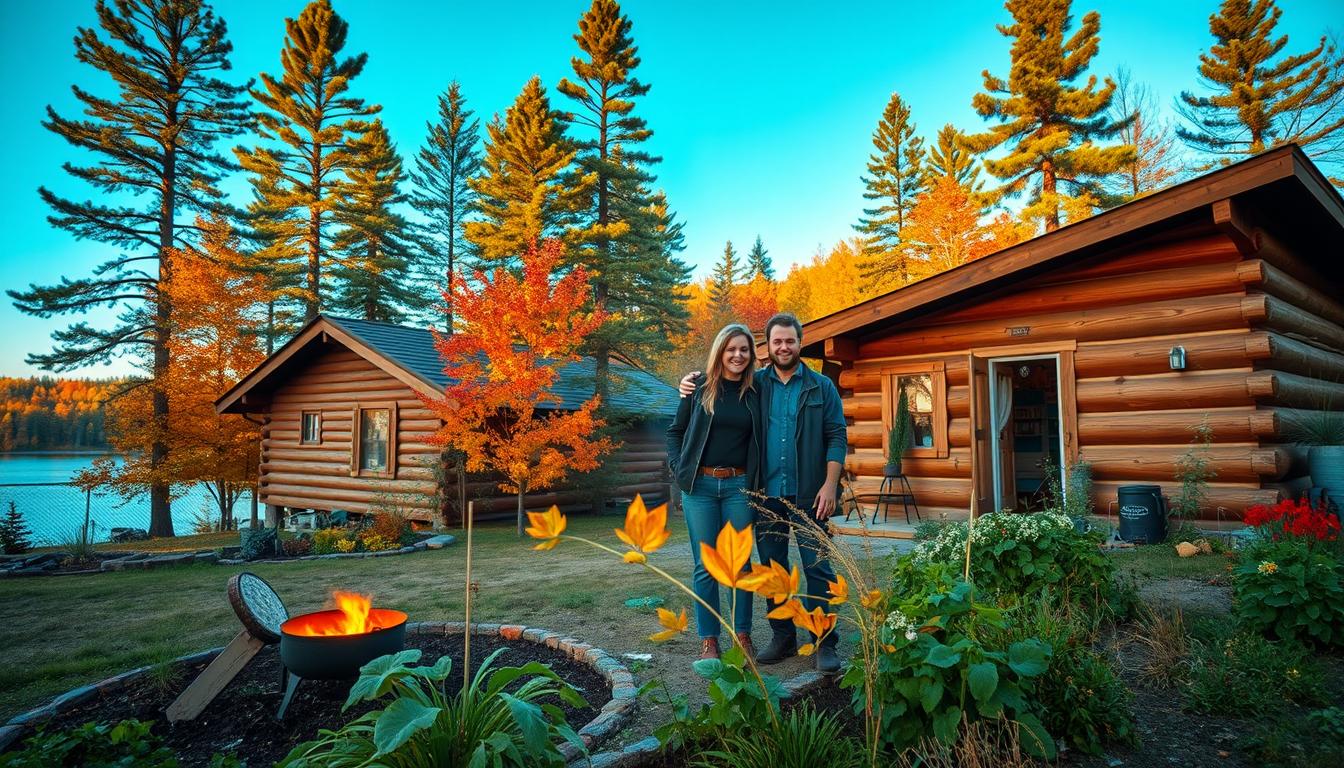
Living off the grid in Georgia means you need to know the rules. Rules cover zoning, building codes, and how to use resources. It’s important to understand these laws for a self-sufficient life.
Thank you for reading this post, don't forget to subscribe!Off-grid living means you don’t use public services like electricity and water. Knowing the rules helps you follow state and local laws.
Key Takeaways
- Understanding Georgia’s off-grid regulations is vital for a self-sufficient lifestyle.
- Zoning laws and building codes are critical aspects of off-grid living.
- Resource management is regulated by state and local authorities.
- Compliance with regulations ensures a smooth transition to off-grid living.
- Researching local laws is essential before adopting an off-grid lifestyle.
Understanding Off-Grid Living in Georgia
Off-grid living means not using public utilities and being self-sufficient. It’s getting more popular in Georgia for its green living benefits.
What Constitutes Off-Grid Living
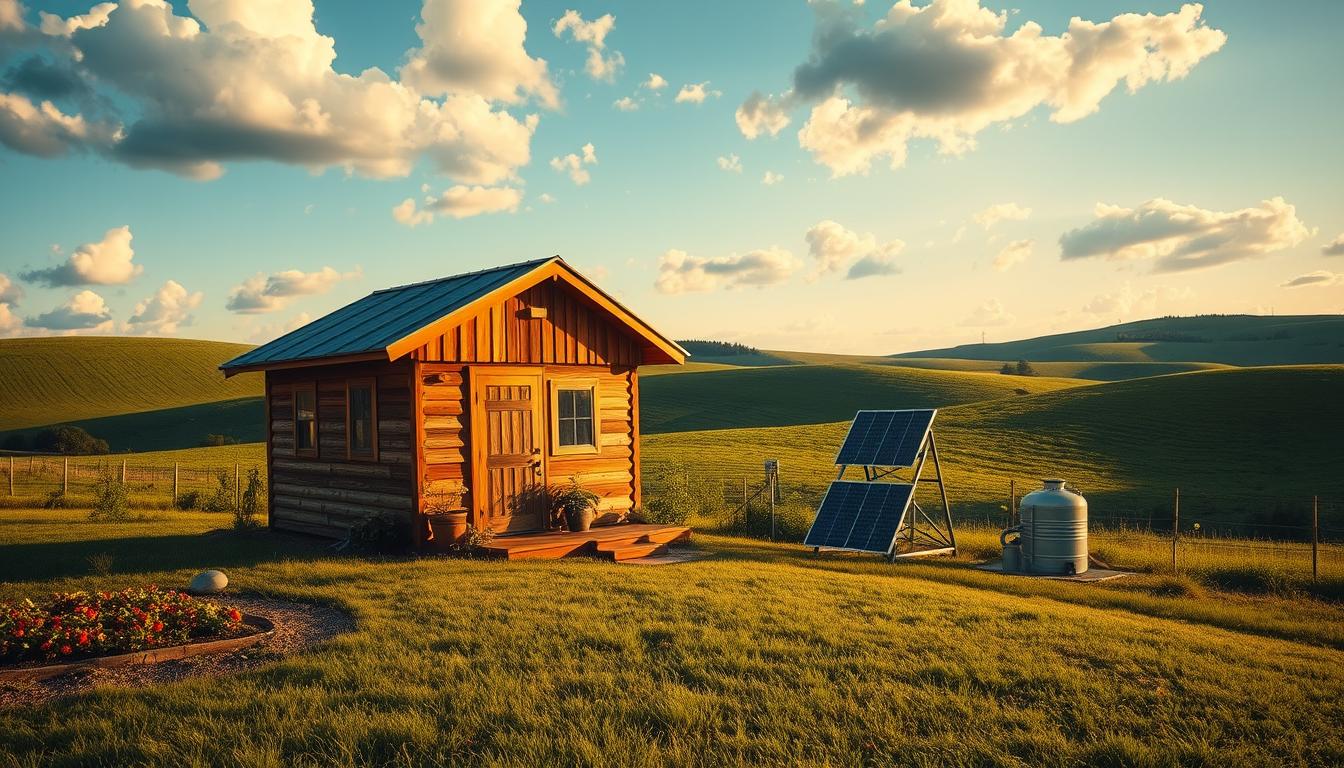
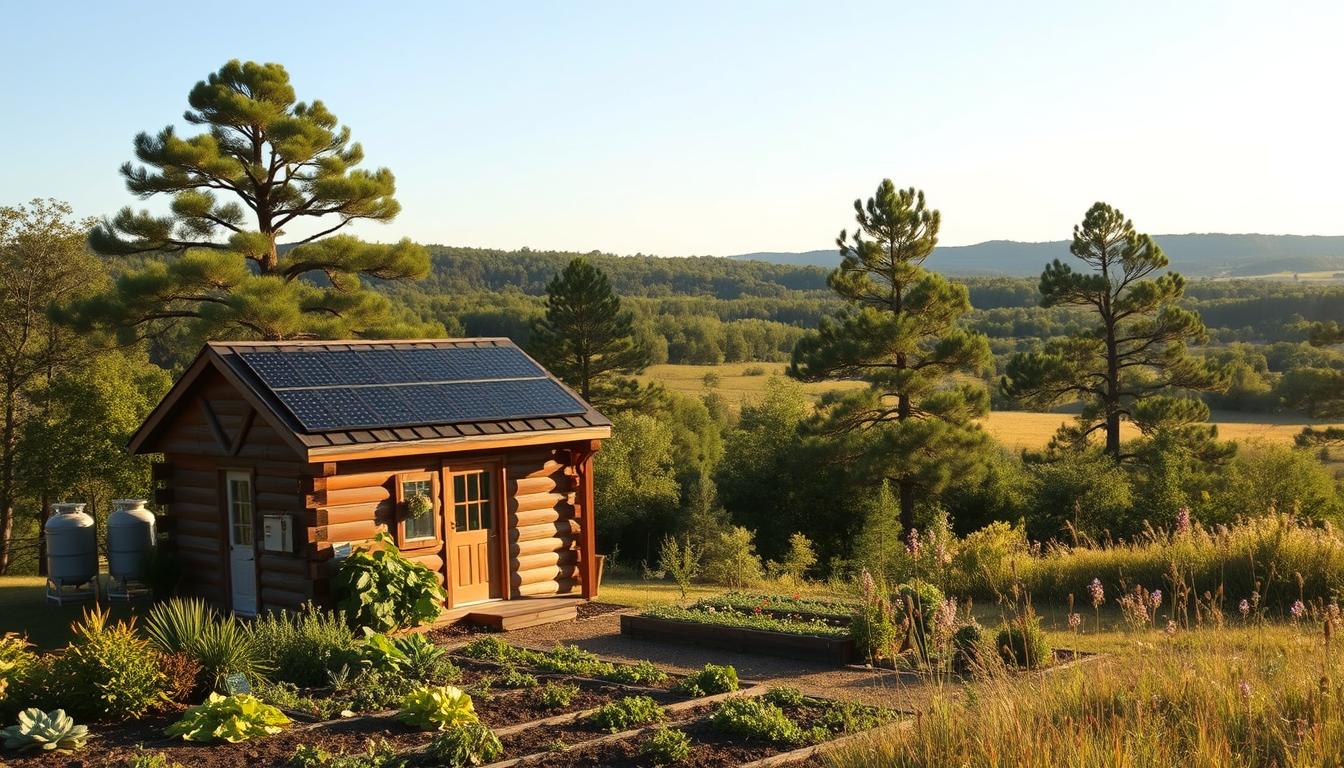
It’s about making your own energy, collecting rainwater, and handling waste. You use things like solar or wind power. It changes how you live a lot.
Why Georgia is Popular for Off-Grid Homesteading
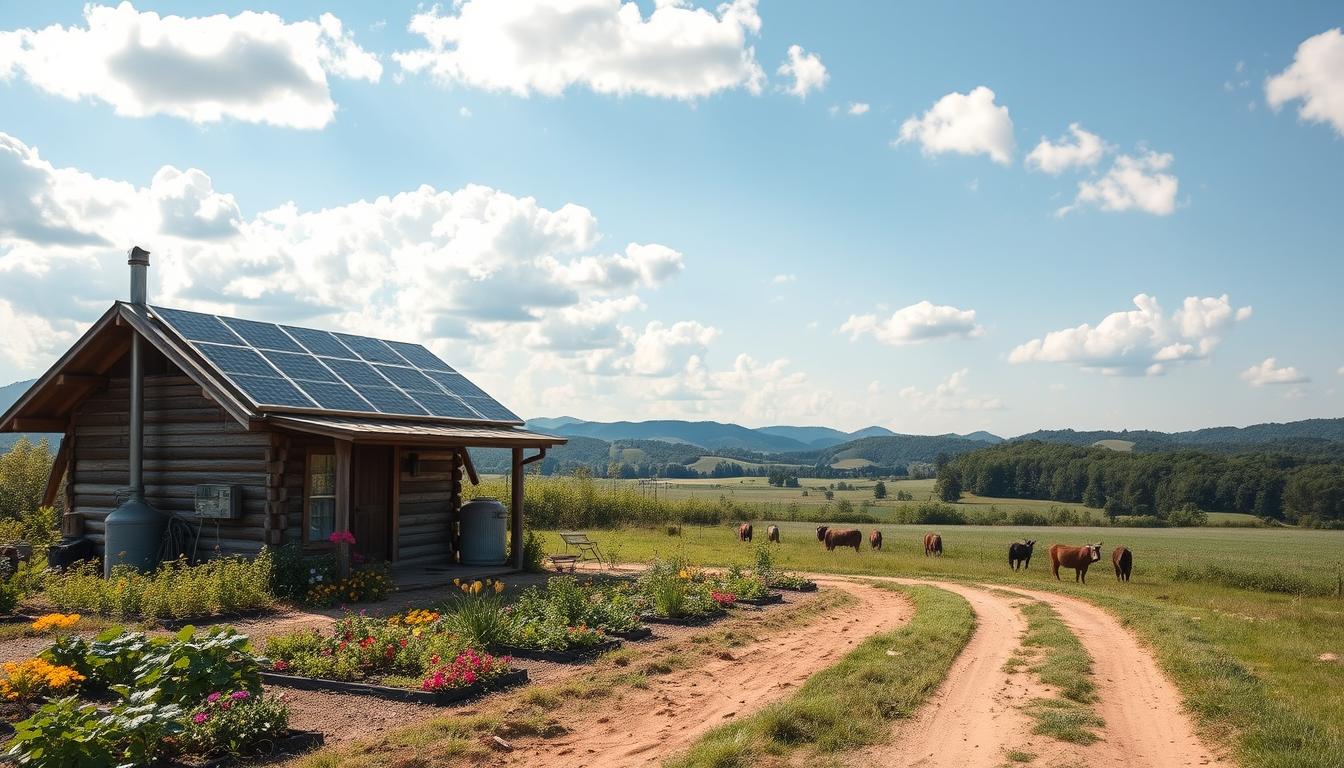
Georgia has mountains, forests, and more, perfect for off-grid homes. Its mild weather and lots of land draw people wanting to live off the grid.
Legal Challenges to Consider
Understanding the law is key for off-grid living. You need to know about zoning, building codes, and property rights. For more info, check out our blog post on Off Grid Laws in Georgia.
| Aspect | Description | Considerations |
|---|---|---|
| Energy Generation | Solar, wind, or hydro power | Initial investment, maintenance |
| Water Collection | Rainwater harvesting | Storage capacity, filtration |
| Waste Management | Composting toilets, septic systems | Regular maintenance, inspections |
Off Grid Living Laws and Rules in Georgia: Legal Framework
The laws for off-grid living in Georgia are complex. They involve both state and county rules. Knowing these laws well is key to living off the grid successfully.

State vs. County Regulations
Georgia’s off-grid laws come from both the state and local areas. State laws set the basic rules. But, local laws can be more detailed, fitting local needs.
Zoning laws, which control land use, are usually set by counties. This means what’s okay in one county might not be in another.
Property Rights in Georgia
Georgia generally supports off-grid living. The state lets property owners use their land as they wish, as long as it’s legal.
Knowing your property rights is very important for off-grid living. It affects how you use your land, collect water, and set up alternative energy.
Recent Legislative Changes
Georgia has made some changes to its laws recently. These changes are more welcoming to alternative lifestyles.
It’s very important for those thinking about off-grid living to keep up with these changes. They can change everything from building rules to environmental laws.
Zoning Laws and Property Requirements
Georgia’s zoning laws and property rules can really affect off-grid homes. It’s key to know these rules if you want to live off the grid.
Rural vs. Urban Zoning Considerations
Zoning laws change a lot between rural and city areas. Rural areas are often more flexible for off-grid living. But, cities have tighter rules that might block some off-grid activities.
Minimum Acreage Requirements
How big a property needs to be is also important. Some places have rules about the minimum size. Bigger properties are better for off-grid homes because they have more room for solar panels and rainwater collection.
Georgia Counties Most Favorable for Off-Grid Living
Some Georgia counties are better for off-grid living. Fannin, Union, and Gilmer are great because they have easy rules and lots of space. They’re perfect for off-grid homes.
Agricultural Exemptions and Benefits
Georgia has special rules for farms that help off-grid living. These include:
- Lower property taxes for farm land
- Rules that don’t apply to farms
Homestead Exemption Qualifications
To get homestead exemptions, you need to live on the property and meet income rules.
Farm Status Benefits
Getting farm status can give you tax breaks and rule exemptions. You need to use the land mostly for farming.
Utility Regulations for Off-Grid Properties
Knowing the rules for off-grid living in Georgia is key. These rules can affect how well you can live off the grid.
Water Collection and Well Regulations
Georgia has rules for water collection and wells. Rainwater harvesting is allowed, but you must follow the state’s laws.
Rainwater Harvesting Laws
Rainwater harvesting is okay, but there are rules. The water is mainly for uses other than drinking.
Well Drilling Permits
To drill a well, you need a permit. You must apply and meet certain standards. For details, check the regulations page.
Alternative Energy System Requirements
Georgia supports using alternative energy like solar, wind, and micro-hydro. Solar panels are very popular because of the state’s good weather.
Solar Panel Regulations
Solar panels are encouraged, but there are rules. Homeowners must know the local building codes and permits needed.
Wind and Micro-Hydro Power Rules
Wind and micro-hydro power are also good choices. But, they have their own rules, including zoning laws.
Waste Management and Composting Toilets
Off-grid homes often use composting toilets. These toilets have rules to follow, so it’s important to know the state and local guidelines.

Building Codes and Permit Requirements
To live off-grid in Georgia, you must understand building codes and permits. These rules ensure your home is safe and well-built. They apply to all off-grid homes.
Tiny Home Regulations
Tiny homes face specific rules that change by county. Some places follow the International Residential Code (IRC) for tiny homes. Always check with local officials for what you need.
Alternative Building Methods and Materials
Georgia lets you use different building methods and materials. But, they must follow state and local codes. Earthship homes and recycled material constructions are okay if they meet the standards.
Inspection Requirements for Off-Grid Structures
Off-grid homes need inspections to follow building codes. These checks can spot problems early.
Navigating the Permit Process
Getting permits can be tough, but it’s key to follow the law. Working with local experts can make it easier.
Tax Implications for Off-Grid Properties
Off-grid homes might have different taxes than regular houses. Knowing this helps with planning your budget.
[link-whisper-related-posts]Conclusion: Successfully Living Off-Grid in Georgia
Living off-grid in Georgia is rewarding. It combines natural beauty with economic benefits. To succeed, you must know and follow the state’s Off Grid Living Legal Requirements Georgia. This includes zoning laws and building codes.
Georgia’s mild climate and lenient laws draw many to off-grid living. But, rules differ by county. It’s key to check local Off Grid Living Zoning Laws Georgia. Also, get the right permits for wells, buildings, and water systems.
With proper planning and following the rules, you can thrive in off-grid living in Georgia. You’ll gain self-sufficiency and lower your environmental impact.
FAQ
What are the basic requirements for off-grid living in Georgia?
To live off-grid in Georgia, you need to follow state and local rules. This includes zoning laws, building codes, and utility rules. It’s important to know the specific rules for your area.
How do zoning laws affect off-grid living in Georgia?
Zoning laws in Georgia can change by county. They affect off-grid living by setting rules on land use and building codes. Knowing the zoning laws in your area is key.
Can I collect rainwater in Georgia?
Yes, Georgia lets you collect rainwater. But, there might be rules and permits needed, mainly for big systems. Always check with local authorities for the exact rules.
What are the regulations for alternative energy systems in Georgia?
Georgia has rules for alternative energy like solar and wind power. You might need permits and to meet building codes. It’s important to follow these rules.
Do I need a permit to build an off-grid home in Georgia?
Yes, you need a permit to build an off-grid home in Georgia. You’ll have to submit plans and meet building codes. These rules can vary by county.
Are there any tax benefits for off-grid properties in Georgia?
Yes, Georgia offers tax breaks for off-grid properties. There are agricultural and homestead exemptions that can lower your taxes. But, you must meet certain requirements.
Can I use a composting toilet in Georgia?
Yes, composting toilets are okay in Georgia. But, they must follow state and local waste management rules. It’s important to know the specific rules.
What are the inspection requirements for off-grid structures in Georgia?
Off-grid structures in Georgia need to pass inspections. These checks make sure they meet building codes and safety standards.
How do I navigate the permit process for off-grid living in Georgia?
To get through the permit process, research local rules. Then, submit detailed plans and work with local authorities. This ensures you follow all requirements.
Are there specific counties in Georgia that are more favorable for off-grid living?
Yes, some Georgia counties are better for off-grid living. They have good zoning laws and rules. Look into these counties to find a good place.
What are the recent legislative changes affecting off-grid living in Georgia?
Georgia has made changes to off-grid living laws. These include updates to property rights and zoning. It’s important to stay updated on these changes.

Subscribe to Our Newsletter