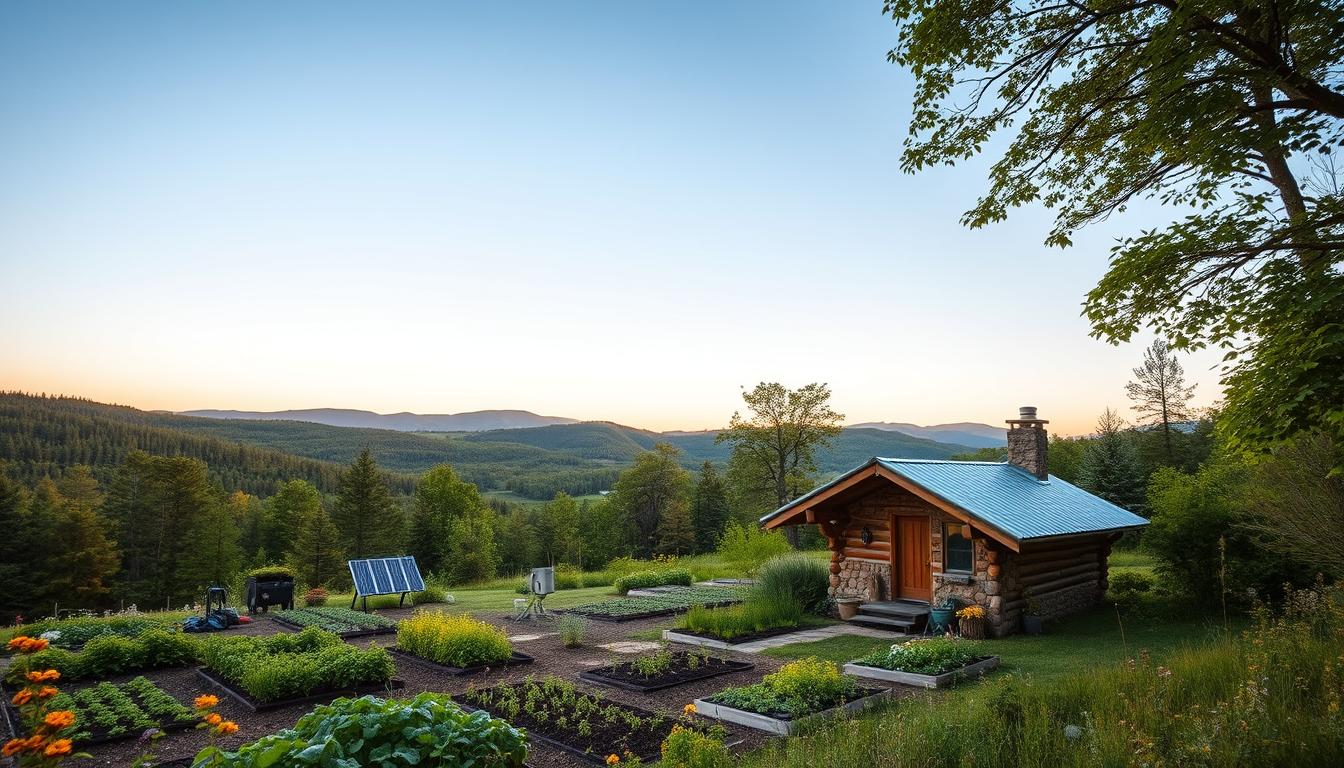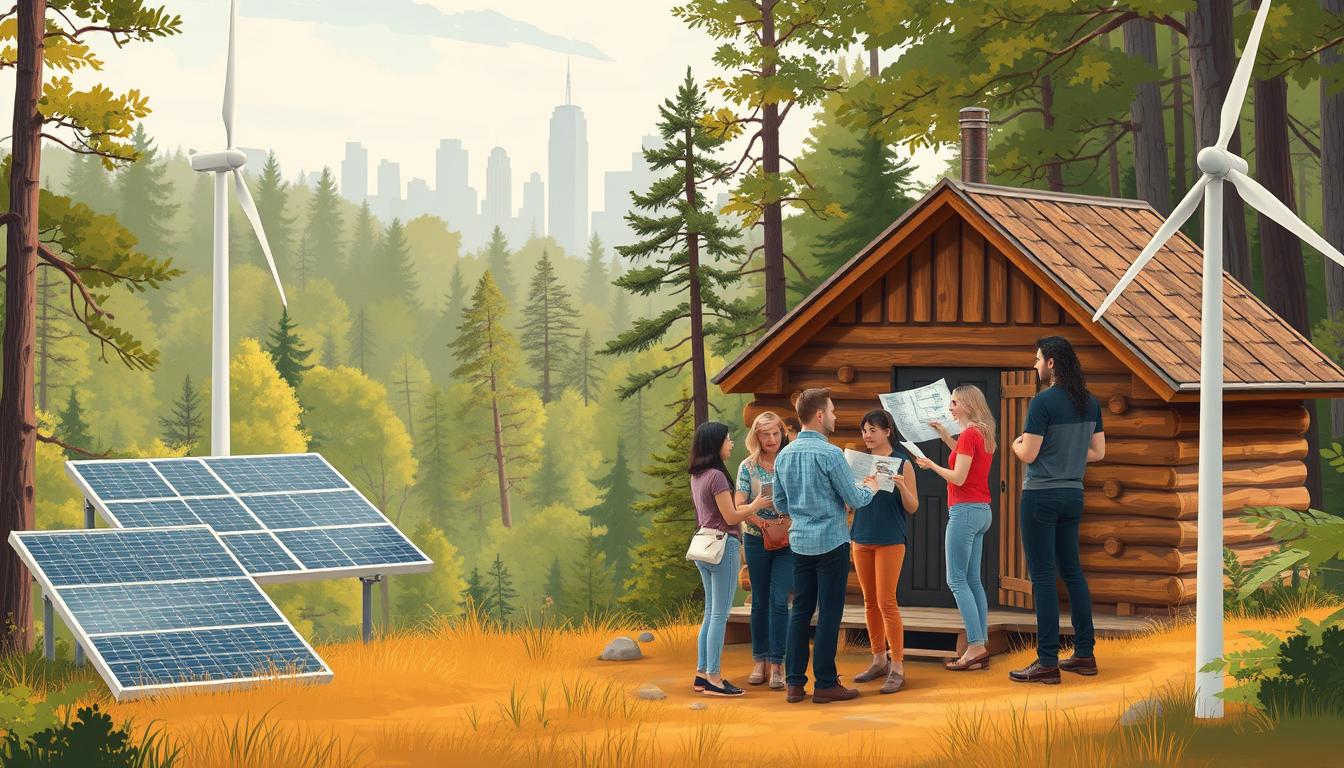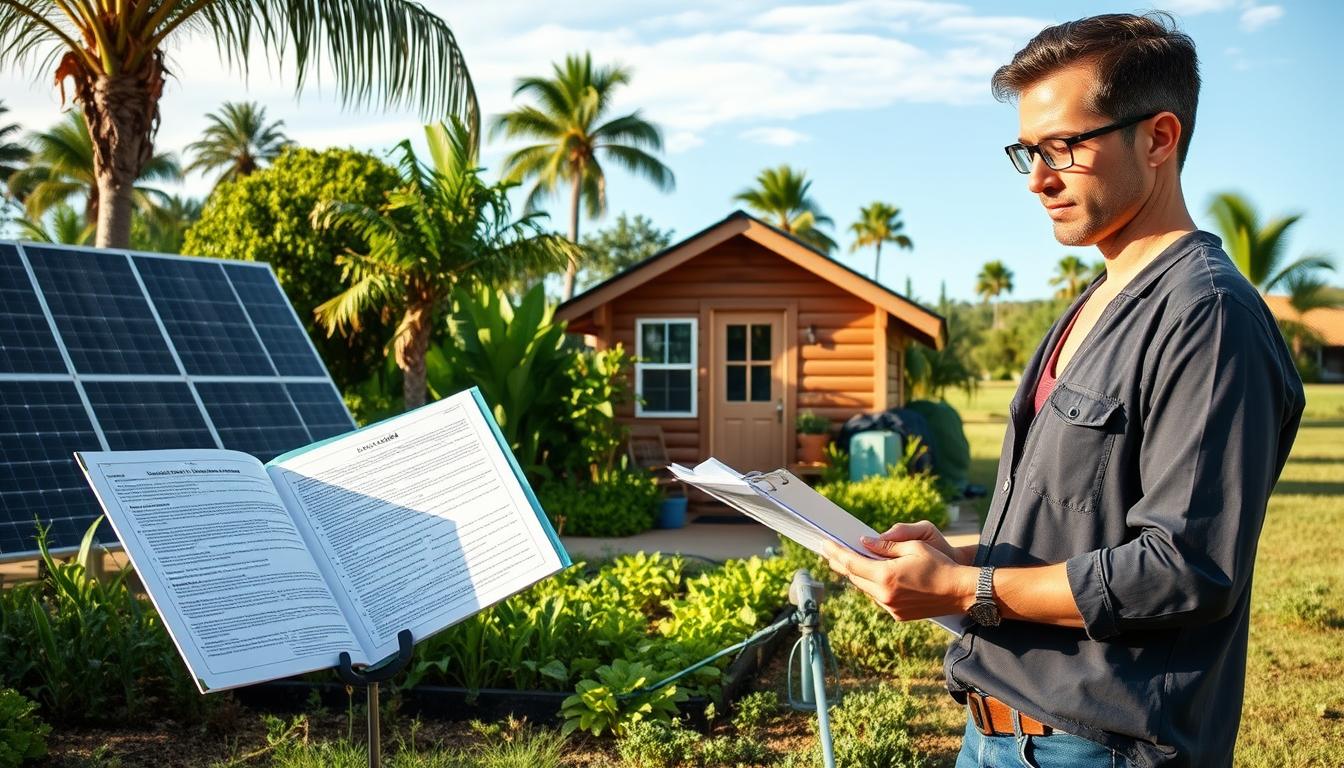
Many people are choosing off-grid living to cut down on public utility use. This lifestyle lets you make your own electricity, collect rainwater, and even grow your own food.
Thank you for reading this post, don't forget to subscribe!This lifestyle is very appealing. But, it’s important to know the rules about living off the grid.
In Florida, there are laws for off-grid living. Knowing these rules helps you make a smooth transition.
Key Takeaways
- Florida has specific regulations governing off-grid living.
- Understanding these laws is key for a successful transition.
- Off-grid living means making your own electricity and collecting rainwater.
- Growing your own food is also common among off-grid residents.
- Self-sufficiency is the heart of off-grid living.
Understanding Off Grid Living in Florida
Florida is a special place for off-grid living. Its sunny weather is perfect for solar energy. The state’s varied landscapes offer great chances for living sustainably.
Definition and Popularity of Off-Grid Lifestyle
Off-grid living means not using public utilities like electricity and water. It’s growing in Florida because of the climate and the wish for self-sufficiency. Solar energy is key, with many using solar panels for power.
To learn more about off-grid living in Florida, check out The Land Geek’s blog. It has great info on the lifestyle and what you need to know.
Legal Framework Overview
Florida has rules for off-grid living. Zoning laws, building codes, and environmental rules all matter. For example, zoning laws decide what off-grid homes are allowed.
It’s important to know these rules if you want to live off-grid in Florida. You must follow local laws to avoid legal trouble.
Off Grid Living Laws and Rules in Florida: Zoning and Land Use
Zoning laws in Florida are key for off-grid living. They change a lot between rural and urban areas. These laws say how land can be used and what can be built.
Rural vs. Urban Zoning Restrictions
Rural areas in Florida have looser zoning laws. This makes it easier to set up off-grid homes. But, urban areas have tighter rules that might block some off-grid options.
For off-grid living, knowing these differences is key. Looking into county rules helps figure out what’s allowed.
Agricultural Land Designations
Agricultural lands offer more freedom for off-grid living. These areas are for farming and related activities. This includes using land for solar or wind power and sustainable farming.
But, following the rules for agricultural lands is a must. Each county has its own rules. Some might need special permits or have rules on building types.
County-Specific Regulations
Florida’s counties have their own zoning laws for off-grid living. For example, some might have rules for well water, septic systems, or energy setups. Knowing the local rules is important.
By following these rules, people can live off-grid in Florida legally. This helps them live sustainably and self-sufficiently.
Building Codes and Structural Requirements
Knowing Florida’s building codes is key for off-grid home builders. These rules make sure structures are safe and can handle local weather, like hurricanes.
Minimum Dwelling Standards
Florida’s minimum dwelling standards set the basics for homes. They cover things like minimum room sizes, ceiling heights, and ventilation. Off-grid homes must follow these to be safe and livable.
The Florida Building Code (FBC) says homes need enough light and air. Rooms must also be big enough.
Tiny Home and Alternative Housing Regulations
Tiny homes and other unique houses have their own rules in Florida. These rules change by county but often talk about foundation, plumbing, and electrical needs. For example, some places might need tiny homes on a solid base, while others might be more flexible.

Permit Processes and Inspections
Getting the right permits before you start building is vital in Florida. The process includes sending plans for review and getting checked at different building stages. Inspections make sure the home follows building codes.
Homeowners need to work with local building teams to meet all standards.
The process might seem hard, but it’s essential for a safe and lasting home. By following Florida’s rules, people can build off-grid homes that are both green and secure.
Water and Waste Management Regulations
Knowing the rules for water and waste is key for living off-grid in Florida. It’s important to manage these resources well. This helps keep people and the environment safe. Most off-grid homes use wells or collect rainwater, so it’s important to know the laws.
Rainwater Harvesting Laws
Rainwater harvesting is a big deal for off-grid water in Florida. The state lets you do it, but rules differ by county. Some places need permits for big systems. Always check with local officials to follow the rules. Learn more about living off-grid in.
Well Water and Water Rights
Well water is a common choice for off-grid homes. Florida laws protect groundwater. Landowners can use their well water, but they must not harm others’ water. Drilling a new well might need a permit, depending on the area.
Septic Systems and Composting Toilet Requirements
Good waste management is vital for off-grid living. Florida has rules for septic systems and composting toilets to keep the environment clean. Septic systems must meet state and local standards, with regular checks. Composting toilets have their own rules to ensure they work right and safely.
Following these rules helps off-grid homes in Florida manage water and waste better. This protects the environment and makes off-grid living sustainable for the long term.
Energy Generation and Homesteading Laws
Florida is great for making your own energy, thanks to lots of sunlight. The state has laws that help you use renewable energy. These laws also protect your property rights.
Solar Energy Regulations and Incentives
Florida wants you to use solar energy. You can get tax breaks and rebates for solar systems. The state says to put solar panels facing south for the best results.
Incentives for Solar Energy:
- Tax exemptions for solar energy equipment
- Rebates for solar panel installations
- Net metering laws that allow homeowners to sell excess energy back to the grid
Wind and Alternative Energy Systems
Florida also supports wind and other alternative energy. The state’s wind isn’t as strong as in some places. But, there are chances to make wind energy in rural areas.
| Energy Source | Incentives | Regulations |
|---|---|---|
| Solar Energy | Tax exemptions, rebates | Installation guidelines |
| Wind Energy | Grants, tax credits | Zoning regulations |
| Alternative Energy | Research grants | Environmental impact assessments |

Florida Homestead Exemption and Property Rights
The Homestead Exemption in Florida is a big help. It protects your home from creditors and lowers your taxes. To get it, you must live in the house and meet certain rules.
Key Benefits of the Homestead Exemption:
- Protection from creditors
- Reduction in property taxes
- Exemption from certain tax assessments
Knowing about the Homestead Exemption and property rights is key. It gives you financial benefits and protects your property rights in Florida.
[link-whisper-related-posts]Conclusion
Living off-grid in Florida is a great choice for those wanting a green and self-sufficient life. Knowing the laws helps people make smart choices. This way, they can enjoy a successful off-grid life in the Sunshine State.
Florida’s sustainable living laws help people live green. They encourage using renewable energy and living sustainably. With good planning and a green mindset, off-grid living in Florida can be rewarding.
As more people want to live off-grid, knowing the rules is key. This knowledge helps them succeed in Florida’s special environment.
FAQ
What are the zoning laws for off-grid living in Florida?
Zoning laws in Florida change by county. Rural areas often have easier rules than cities. Always check with local authorities for exact rules and regulations.
Can I build a tiny home in Florida?
Yes, but tiny home rules differ by county. Some counties have strict tiny home standards. Others might not allow them.
What are the regulations for rainwater harvesting in Florida?
Florida lets you harvest rainwater, but there are rules. It’s important to talk to local authorities about any restrictions or guidelines.
Can I use a septic system or composting toilet in Florida?
Yes, septic systems and composting toilets are okay in Florida. They must follow certain rules. Always check with local authorities for permits and inspections.
Are there incentives for using solar energy in Florida?
Yes, Florida gives incentives for solar energy, like tax credits and rebates. There are also rules for installing and connecting solar systems to the grid.
What are the regulations for wind energy systems in Florida?
Wind energy systems have rules and zoning in Florida. It’s key to check with local authorities for specific requirements and guidelines.
How does the Florida Homestead Exemption affect off-grid living?
The Florida Homestead Exemption can lower property taxes for primary homes, including off-grid ones. But, there are rules and requirements for the exemption.
What are the building codes for off-grid homes in Florida?
Off-grid homes in Florida must follow building codes and structural standards. Always check with local authorities for specific regulations and permit processes.
Can I drill a well for water on my off-grid property in Florida?
Yes, but well water rules vary by county. There might be specific needs for well construction and water quality testing.

Subscribe to Our Newsletter