Living off the grid in Connecticut needs you to know the state’s laws well. If you want to be free from usual utilities, you must understand the legal rules for this lifestyle.
Thank you for reading this post, don't forget to subscribe!Connecticut has rules for off-grid living. These include building codes, zoning laws, and environmental rules. To learn more, check out Primal Survivor’s guide on Connecticut off-grid living.
Key Takeaways
- Understand Connecticut’s building codes and zoning laws.
- Familiarize yourself with environmental regulations.
- Learn about alternative energy systems and permits required.
- Know the laws regarding private wells and water diversion permits.
- Comprehend wastewater removal and septic system requirements.
Understanding Off-Grid Living in Connecticut
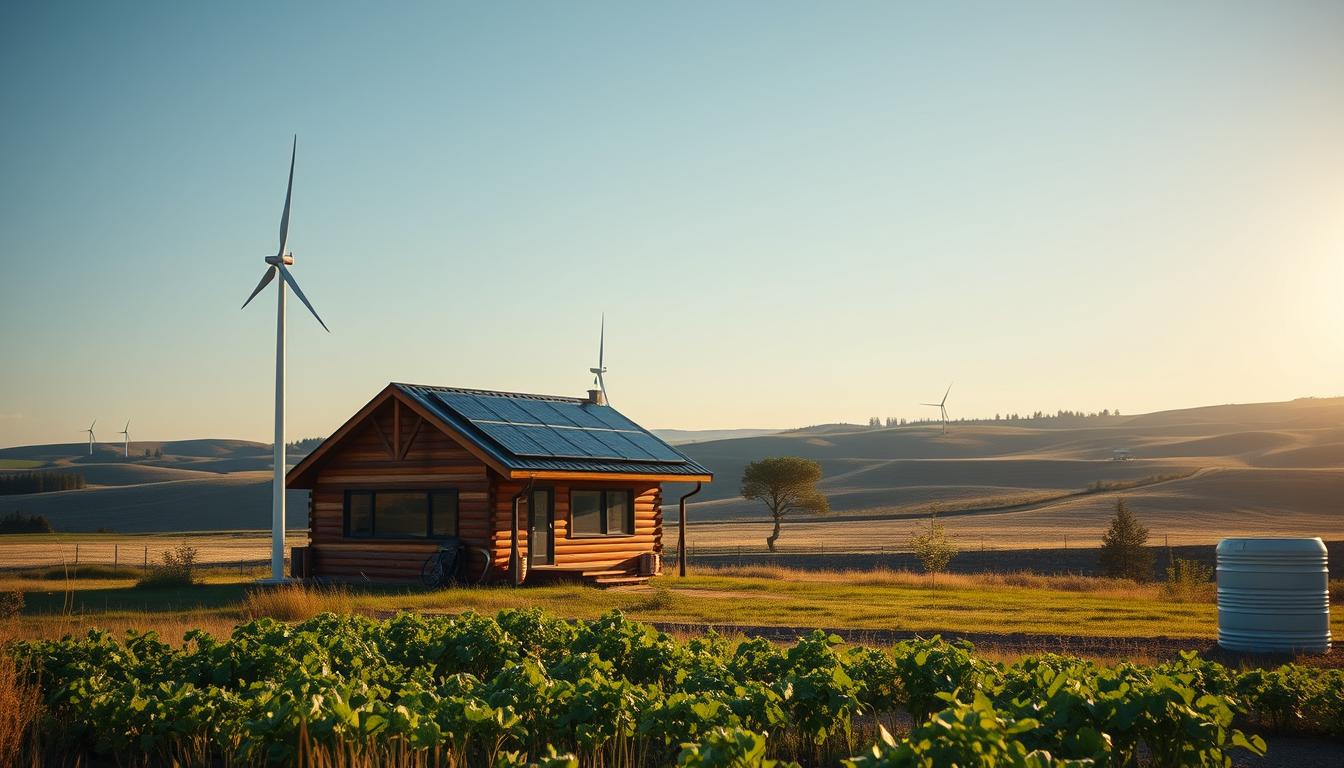
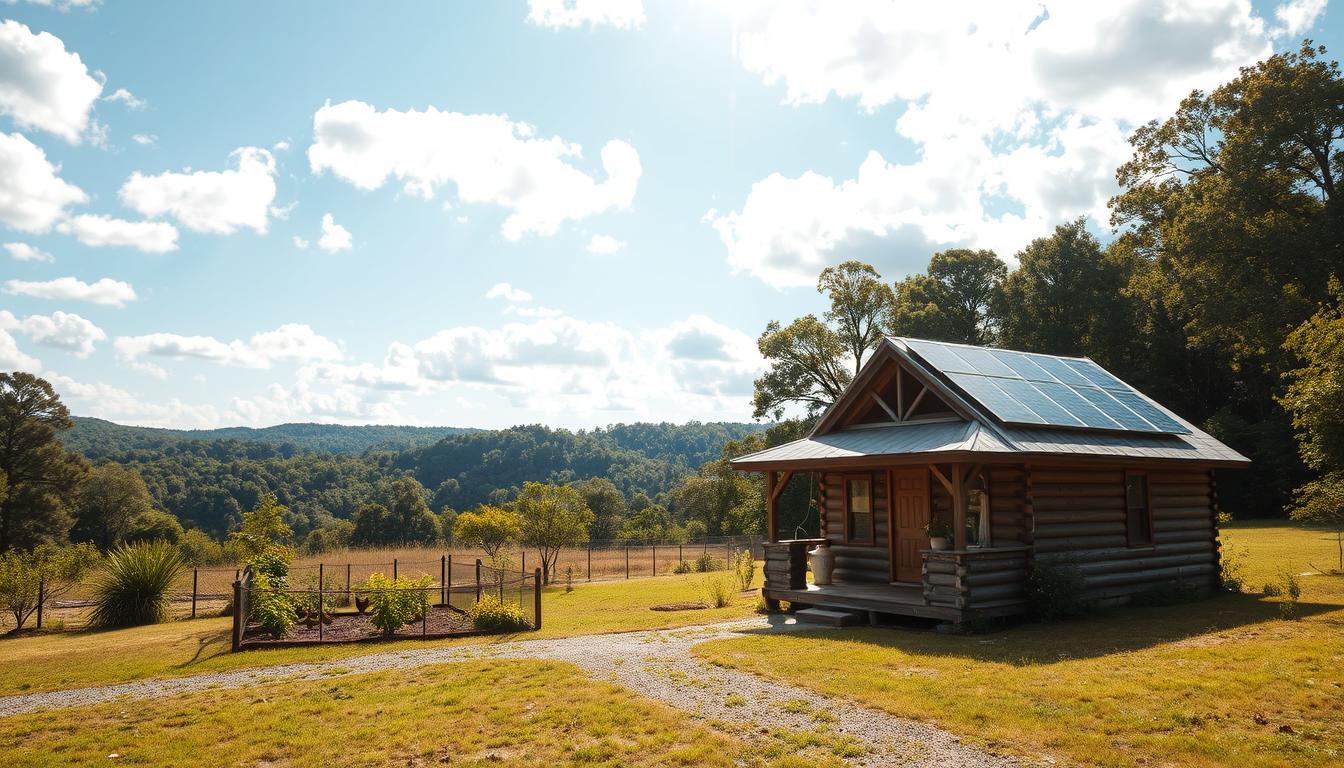
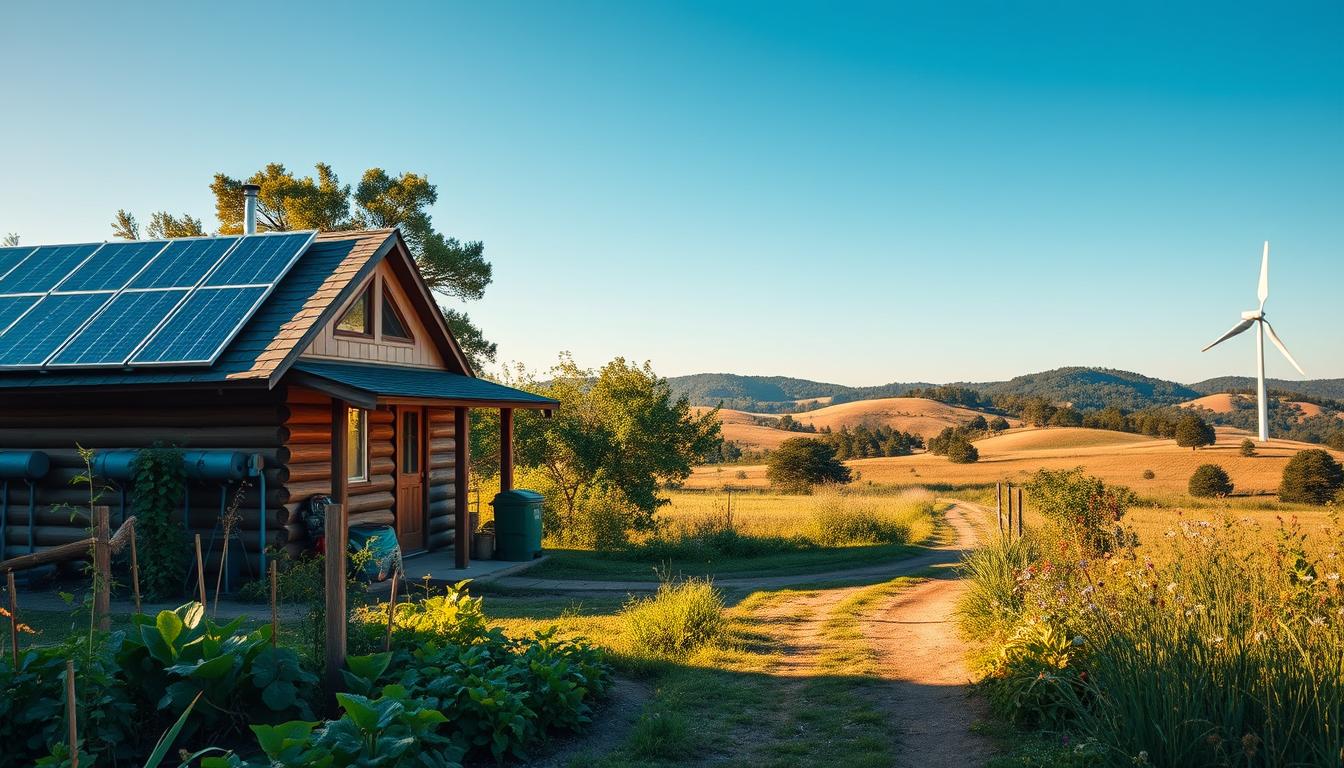
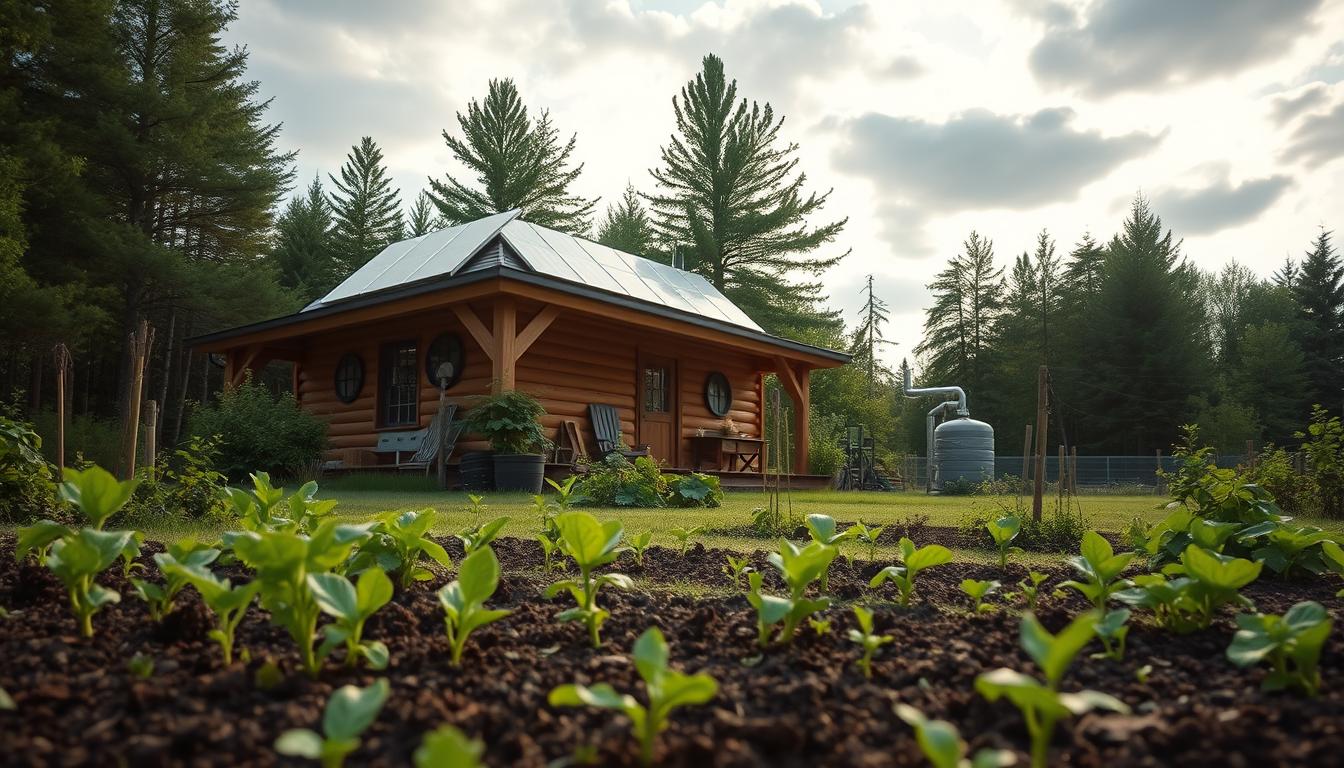
Off-grid living in Connecticut means living without public utilities. People use renewable energy and collect rainwater. This helps reduce environmental impact.
Definition and Scope of Off-Grid Living
Off-grid living means not using public utilities. Instead, people use solar or wind power. They also collect rainwater and use composting toilets.
Connecticut’s Climate and Geographic Considerations
Connecticut has cold winters and warm summers. This affects off-grid living. The state’s mix of rural and urban areas also matters.
Common Off-Grid Practices in New England
In New England, people use wood stoves and passive solar design. They also use renewable energy. Connecticut zoning regulations guide these practices.
| Off-Grid Practice | Benefits | Connecticut Specifics |
|---|---|---|
| Solar Power | Renewable energy source, reduces reliance on grid | Incentives available for solar panel installation |
| Rainwater Collection | Conserves water, reduces water bills | Regulations vary by municipality |
| Composting Toilets | Reduces water usage, minimizes waste | Must comply with state health regulations |
Off Grid Living Laws and Rules in Connecticut
Knowing the laws for off-grid living in Connecticut is key. The state’s rules aim to keep everyone safe and protect the environment. They also make sure everyone follows local rules.
State Building and Residential Codes
Connecticut follows the International Residential Code (IRC). This code covers tiny homes and off-grid living. It makes sure homes are safe and last a long time.
For off-grid folks, knowing these codes is vital. They help with things like insulation, electrical systems, and plumbing. Following these codes is not just legal. It’s also needed for certifications and insurance.

Property Rights and Restrictions
Property rules and limits shape where off-grid homes can go in Connecticut. Zoning laws set rules on lot size, structure types, and energy sources. It’s important for off-grid dreamers to check these laws in their area.
For more on tiny home rules in Connecticut, check out https://www.zookcabins.com/regulations/tiny-home-regulations-in-connecticut. It’s full of useful info.
Environmental Protection Regulations
Protecting the environment is a big deal for off-grid living in Connecticut. Laws cover water use, waste, and energy. Off-grid folks must follow rules for septic systems, water, and waste.
Rainwater systems must meet state standards to avoid harming water sources. Following these rules helps keep off-grid living green. It also helps the community’s environment.
Staying informed about off-grid living laws helps keep lifestyles green and legal. It ensures everyone follows state rules.
Essential Utility and Resource Regulations
It’s key to know the rules for essential utilities and resources for off-grid living in Connecticut. Off-grid folks must follow state rules to keep their systems safe and green.
Water Collection, Wells, and Riparian Rights
Connecticut has laws for water collection and well drilling. Riparian rights for river and stream water use are also set. Off-grid people need to know these laws to stay out of trouble. For example, you need a permit to drill a well. There are rules about how far wells can be from pollution sources.
Septic Systems and Composting Toilet Requirements
Septic systems and composting toilets must follow state and local rules. These rules help keep everyone healthy and the environment safe. For instance, septic systems must meet certain codes and might need regular checks. Composting toilets, being green, also have rules to ensure they’re used right.
Solar, Wind, and Alternative Energy Regulations
Connecticut promotes using solar and wind power. But, there are rules for installing and using these systems. Solar panels must follow local building codes, and wind turbines have size and location limits. Knowing these rules is vital for off-grid folks wanting to use green energy.
Learning about these key utility and resource rules helps off-grid living in Connecticut. It keeps your setup legal and supports a green lifestyle.
Zoning, Permits, and Compliance
Off-grid living in Connecticut comes with its own set of rules. You need to know about zoning and permits. These rules can affect if and where you can live off-grid.
Minimum Lot Size Requirements
Lot size matters a lot when building off-grid homes. In Connecticut, how big your lot needs to be changes by town. Some towns want bigger lots for off-grid homes.
Tiny Homes and Alternative Dwelling Regulations
Tiny homes and other unique dwellings have their own rules. Connecticut follows the International Residential Code (IRC). This code sets rules for tiny homes, like size and safety.
Property Tax Considerations for Off-Grid Properties
Property taxes are important for off-grid homeowners. They can affect how well off-grid living works financially. In Connecticut, taxes vary by town and depend on your property’s value.

| Municipality | Minimum Lot Size | Property Tax Rate |
|---|---|---|
| Town A | 5 acres | 1.5% |
| Town B | 3 acres | 1.2% |
| Town C | 10 acres | 1.8% |
It’s key to understand these rules for off-grid living in Connecticut. Look into local zoning, permits, and taxes. This helps you make smart choices for your off-grid life.
[link-whisper-related-posts]Conclusion
Living off-grid in Connecticut means knowing the state’s laws well. It’s important to understand the Off Grid Living Laws and Rules in Connecticut. This knowledge helps you navigate the challenges of off-grid living.
There are many things to think about, like building codes and zoning laws. You also need to know about environmental rules and property taxes. Knowing these guidelines is key to a successful off-grid life.
Being informed helps you live a more independent and green lifestyle. You can follow state rules and enjoy your off-grid life in Connecticut. This knowledge makes your off-grid experience better.
FAQ
What are the building codes for off-grid homes in Connecticut?
Connecticut follows the International Residential Code (IRC). This code sets rules for building homes, including tiny ones and off-grid dwellings.
Are there specific regulations for rainwater collection in Connecticut?
Yes, there are laws for collecting rainwater in Connecticut. You need to know about riparian rights and local water collection rules.
What are the requirements for septic systems and composting toilets in Connecticut?
Septic systems and composting toilets must meet state and local rules. This is to keep everyone healthy and protect the environment.
Are there incentives for using alternative energy sources in Connecticut?
Yes, Connecticut supports using solar, wind, and other alternative energy. There are rules for installing and using these sources.
What are the minimum lot size requirements for off-grid homes in Connecticut?
Lot size needs vary by location and zoning laws. Off-grid home owners should check with local authorities for specific rules.
Are tiny homes allowed in Connecticut, and what are the regulations?
Yes, tiny homes are allowed in Connecticut. They must follow the IRC and local zoning laws.
How do property taxes work for off-grid properties in Connecticut?
Property taxes are important for off-grid property owners. They affect the cost of living off-grid. Owners should know the tax laws and regulations.
What are the environmental protection regulations for off-grid living in Connecticut?
Connecticut has rules to protect the environment, including water and waste management. Off-grid residents must follow these to keep everyone healthy and the environment safe.
Do I need a permit to install a solar or wind energy system in Connecticut?
Yes, you usually need a permit for solar or wind energy systems. Check with local authorities for the exact requirements.
Can I drill a well on my off-grid property in Connecticut?
Yes, but drilling a well has its own rules. You must know about riparian rights and get the right permits.

Subscribe to Our Newsletter