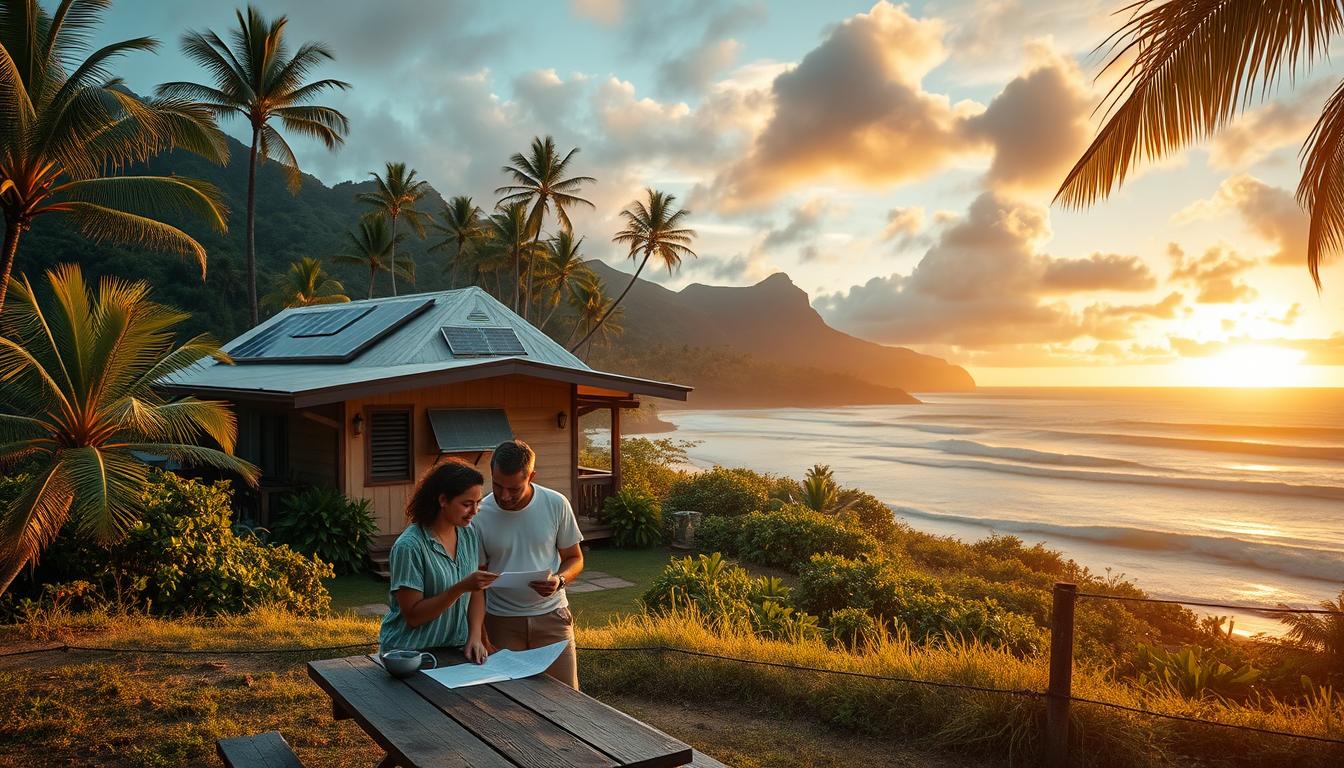
Alabama is pretty open to off-grid lifestyles. But, the state’s laws on off-grid systems are a bit old. It’s key to know the rules for this lifestyle.
Thank you for reading this post, don't forget to subscribe!Living off-grid in Alabama can be tough because of local laws. But, many people think it’s worth it.
Key Takeaways
- Alabama’s laws regarding off-grid living are permissive but require careful navigation.
- Outdated regulations can pose challenges for off-grid residents.
- Understanding local laws is key for a good off-grid living experience.
- Residents must know the legal rules for off-grid systems.
- Off-grid living in Alabama has many benefits, even with legal hurdles.
Understanding Off Grid Living Laws and Rules in Alabama
Knowing the laws of off-grid living in Alabama is key for a green lifestyle. Off-grid living means not using public utilities. Instead, people use their own energy, water, and manage waste.
Definition of Off-Grid Living in Alabama
Off-grid living in Alabama includes many practices. It’s about using renewable energy and growing your own food. It means not relying so much on city services.
- Renewable Energy: Making power with solar, wind, or water.
- Self-Sufficient Water Supply: Using rainwater or wells.
- Food Production: Growing food through gardening or farming.
For more info on off-grid living in Alabama, check out The Land Geek’s blog. It has lots of details on the legal side of off-grid living.
Legal Framework Overview
The laws for off-grid living in Alabama come from state, county, and city rules. These laws cover things like zoning, building codes, and how to protect the environment.
- Zoning Laws: Decide where off-grid homes can go.
- Building Codes: Make sure off-grid homes are safe and follow state rules.
- Environmental Regulations: Control waste, water use, and other environmental effects of off-grid living.
Understanding these laws helps people set up off-grid homes in Alabama. It makes sure they follow state and local rules.
Land Use and Zoning Regulations
If you’re thinking about off-grid living in Alabama, you need to know about land use and zoning rules. These rules affect how you can use your land. This includes for homes, farms, or other uses.
Rural vs. Urban Zoning Differences
Zoning laws in Alabama change a lot between rural and urban places. Rural areas often have looser zoning laws. This means you can use your land in more ways, like for off-grid homes. But, cities have tighter rules. These rules might stop some off-grid activities.
- Rural areas: More freedom in what you can do with your land, like farming and off-grid homes.
- Urban areas: Tighter zoning laws, focusing on how close buildings can be and access to city services.
County-Specific Regulations
Zoning rules can change a lot from one county to another in Alabama. Some places might be stricter, while others might be more open to off-grid living. For more details, check the Alabama zoning laws document.
Important things to think about include:
- How much land you need for an off-grid home.
- Rules on using alternative energy like solar or wind power.
- How you can collect and use water.
Agricultural Land Considerations
Agricultural land in Alabama has its own rules that affect off-grid living. For example, land for farming might let you do more things like gardening or raising animals. These are common in off-grid lifestyles.

Knowing these rules is key for anyone wanting to live off-grid in Alabama. It helps make sure you follow state and local laws.
Building Codes and Housing Requirements
Knowing the building codes is key for off-grid living in Alabama. These codes set the lowest safety standards for building. This includes how strong the structure is and how well it uses energy.
Minimum Structure Requirements
Alabama’s building codes say what structures, like off-grid homes, must have. These include:
- Structural integrity to withstand natural disasters
- Energy efficiency standards
- Fire safety measures
Following these rules makes sure off-grid homes are safe and last long.
Tiny Home Regulations
Tiny homes are a favorite for off-grid living in Alabama. But, they must follow certain rules, like:
- Size limits
- Foundation needs
- How to connect to utilities (if there are any)
It’s important to talk to local officials about tiny home rules in your area.
Alternative Building Materials and Methods
Alabama’s building codes also let you use different building materials and ways, such as:
- Earthship building
- Using recycled materials
- Prefab homes
By knowing and following Alabama’s building codes and housing rules, people can live off-grid safely and sustainably.
Utility Systems and Self-Sufficiency Laws
Utility systems and self-sufficiency laws in Alabama are key for off-grid living. They affect water collection and waste management. Knowing these laws is vital for a self-sufficient lifestyle in Alabama.

Water Collection and Usage Laws
Alabama has rules for water collection, like rainwater harvesting and well water. You can collect rainwater, but local rules might apply. For more info, check this guide on off-grid living in Alabama.
Key considerations for water collection include:
- Check local rules for rainwater harvesting systems
- Know well water regulations and permits
- Follow state water quality standards
Solar and Alternative Energy Regulations
Alabama supports solar and alternative energy, but there are rules. You must follow local building codes and get permits for solar panels.
Important aspects of solar and alternative energy regulations include:
- Permits needed for solar panel setups
- Follow local building codes and zoning
- Understand net metering laws
Waste Management and Composting Toilets
Waste management is key in off-grid living, and Alabama has rules. You must follow state and local waste guidelines.
Key considerations for waste management include:
- Know rules for composting toilets and graywater
- Follow state and local waste disposal
- Use sustainable waste management
Hunting, Fishing, and Food Production Regulations
Hunting, fishing, and food production are important for off-grid living. Alabama has rules to ensure sustainability and safety.
Important regulations to be aware of include:
| Activity | Regulations | Licensing Requirements |
|---|---|---|
| Hunting | Seasonal restrictions, bag limits | Hunting license required |
| Fishing | Creel limits, size restrictions | Fishing license required |
| Food Production | Rules on livestock, slaughter, and processing | May need permits for large operations |
By following these regulations, off-grid residents in Alabama can live sustainably and legally.
Legal Considerations and Compliance
Alabama’s off-grid communities face unique legal challenges. These challenges must be addressed to stay in line with state laws. Off-grid living in Alabama is more than just avoiding public utilities. It’s also about navigating a complex legal world.
Property Taxes for Off-Grid Properties
Off-grid property owners in Alabama must pay property taxes. These taxes are based on the property’s value. The tax rates differ by county. It’s key for off-grid residents to know their tax duties to avoid legal trouble.
| County | Tax Rate |
|---|---|
| Madison | 0.4% |
| Limestone | 0.35% |
| Jackson | 0.42% |
Homeschooling Laws for Off-Grid Families
Homeschooling laws in Alabama also apply to off-grid families. Parents must file a notice of intent to homeschool. They also need to show proof of enrollment.
- File a notice of intent with the local superintendent.
- Provide proof of enrollment.
- Maintain a record of attendance and academic progress.
Common Legal Challenges and Solutions
Off-grid residents often run into legal issues with zoning and building codes. To dodge these problems, it’s vital to check local laws before setting up an off-grid home.
By knowing and following Alabama’s laws, off-grid residents can live a self-sufficient life without legal problems.
[link-whisper-related-posts]Conclusion
Knowing Off Grid Living Laws and Rules in Alabama is key for a good off-grid life. Alabama has rules for land use, building codes, and utility systems. These rules help make self-sufficient living possible.
Alabama’s off grid living laws guide you to a greener, more independent life. Following these rules lets you use the state’s natural resources. It also helps you live off the grid with less harm to the environment.
If you’re thinking about off-grid living in Alabama, understanding the laws is important. Learn about local zoning, building codes, and utility rules. This knowledge helps your off-grid home or community succeed.
FAQ
What is considered off-grid living in Alabama?
Off-grid living in Alabama means living without public utilities. People use their own energy, water, and manage waste.
What are the zoning laws for off-grid living in rural Alabama?
Zoning laws in rural Alabama are more relaxed. They allow for unique homes and self-sufficiency.
Can I build a tiny home in Alabama?
Yes, but tiny home rules vary. Check local laws for size, foundation, and utility connections.
Are there any restrictions on collecting rainwater in Alabama?
Alabama lets you collect rainwater. But, there are rules on system size and use.
Can I use solar energy in Alabama?
Yes, Alabama supports solar energy. You can sell extra power back to the grid.
What are the regulations for composting toilets in Alabama?
Composting toilet rules differ by county. Some need permits and inspections for safety.
Can I hunt and fish on my off-grid property in Alabama?
Yes, but follow Alabama’s hunting and fishing laws. Get the right licenses and follow bag limits.
How do property taxes work for off-grid properties in Alabama?
Property taxes are based on value. Some areas offer tax breaks for certain uses.
Can I homeschool my children on our off-grid property in Alabama?
Yes, homeschooling is allowed. File a notice and follow state rules on curriculum and testing.
What are the most common legal challenges faced by off-grid residents in Alabama?
Common issues include zoning, building codes, and environmental laws. Seek local advice to avoid problems.
How can I ensure compliance with off-grid living laws and regulations in Alabama?
Research local laws and get expert advice. Obtain necessary permits to avoid fines.

Subscribe to Our Newsletter