Starting off-grid living is exciting but needs careful planning. Many newbies face big challenges without being ready.
Thank you for reading this post, don't forget to subscribe!Sarita Harbour, a seasoned writer and homesteader, learned the hard way. She says, “I made so many off-grid living mistakes that I’m amazed I lived to write this post.” Her story shows how important it is to be ready and avoid big mistakes.
We will look at common mistakes in off-grid living. We’ll also talk about how to smoothly move to a self-sufficient lifestyle.
Key Takeaways
- Understand the challenges of off-grid living
- Learn from common mistakes made by new off-grid homeowners
- Discover the importance of proper planning and research
- Explore essential steps for a smooth transition to off-grid living
- Avoid costly errors with the right preparation
Unrealistic Expectations About Off-Grid Living
The charm of off-grid living hides the tough truths for new homeowners. Many dream of being self-sufficient and living simply. But, unrealistic hopes can cause disappointment and frustration.
Romanticizing the Self-Sufficient Lifestyle
Off-grid living is often seen as perfect, thanks to social media. But, the real life is much more complicated.
The Reality vs. Social Media Portrayals
Social media shows only the good parts of off-grid living. It hides the hard parts. To really get it, look beyond the pictures and learn the true side of off-grid living.
Physical Demands of Daily Tasks
Living off-grid means a lot of hard work. You’ll need to keep energy systems running and manage water. Knowing this helps you prepare for what’s ahead.
To grasp the physical work and other parts of off-grid living, let’s look at some tasks:
| Task | Physical Demand | Frequency |
|---|---|---|
| Water Collection | High | Daily |
| Solar Panel Maintenance | Medium | Weekly |
| Gardening | High | Daily |
As shown, off-grid living has many tasks with different needs and how often they’re done. Knowing this helps new homeowners get ready and set the right expectations.
Inadequate Research and Planning
Off-grid living is more than wanting to be self-sufficient. It needs careful planning. Many people don’t research and plan well, leading to big mistakes. Knowing your budget and local rules is key for success.
Choosing the Wrong Location
Finding the right place is very important for off-grid living. You need to think about the climate and resources available.
Climate Considerations
The weather where you live greatly affects your off-grid life. For example, places with little rain might need special ways to collect water. Knowing the weather helps plan for energy, water, and food.
Access to Resources
Being close to water, wood, and good land is important. Checking if these resources are available helps plan for energy, building, and farming.

Failing to Check Local Regulations
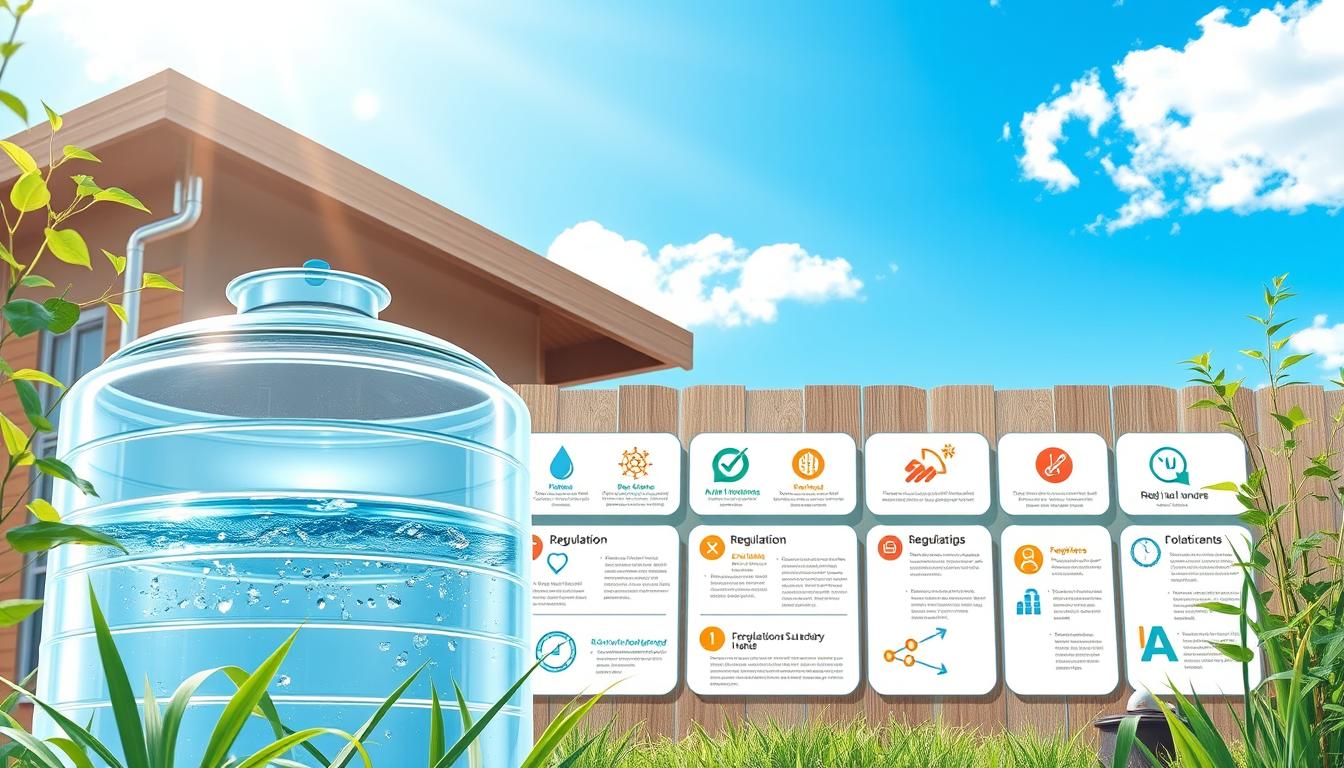
It’s important to know the local laws to avoid trouble. Zoning laws, building codes, and environmental rules can change your plans. Following these rules helps avoid fines and stops to your project.
Insufficient Budget Planning
Having a good budget plan is essential for off-grid success. You need to think about the costs of off-grid systems and keep an emergency fund.
Hidden Costs of Off-Grid Systems
Off-grid systems have costs you might not think of. These include upkeep, repairs, and upgrades. For instance, solar panels need cleaning and batteries might need to be replaced.
Emergency Fund Requirements
An emergency fund is vital for unexpected costs, like system failures or natural disasters. It’s wise to save 10% to 20% of your project cost for emergencies.
By understanding these points and planning well, you can avoid common mistakes. This helps make the transition to self-sufficiency smoother.
Mistxtures New Off Grid Homeowners Often Make with Energy Systems
A good energy system is key for any off-grid home. New homeowners often make big mistakes. These mistakes can cause problems, cost more money, and even be dangerous. Knowing these mistakes can help you avoid them and keep your energy supply steady and green.
Undersizing Solar Arrays and Battery Banks
One big mistake is making solar arrays and battery banks too small. This means you might not have enough power when it’s dark or when you need it most. To fix this, you need to know how much power you use every day. Then, make sure your solar panels and batteries can handle it.
When sizing, think about your daily power use, how well your solar panels work, and how much sun you get. Don’t forget to think about your future needs too. Your needs might change over time.
Neglecting Backup Power Sources
Another mistake is not having a backup power source. Solar power isn’t always there, and batteries can run out when it’s dark for a long time. A generator can be a lifesaver, keeping your power on when you need it most.
- Think about what backup power you need.
- Make sure to keep your backup power ready to go.
Poor System Maintenance and Monitoring
Not taking care of your energy system can make it less efficient and more prone to failure. You should clean your solar panels, check your batteries, and make sure everything is connected right.
Using a monitoring system lets you see how much power you’re making and using in real time. This helps you catch problems early and keep your system running well for longer.
Water Management Errors
Managing water well is key for off-grid living. It helps keep a home running smoothly. You need to collect, store, and purify water properly.
Inadequate Water Collection and Storage
Many off-grid homes don’t have enough water. This is because they don’t plan well for water needs. Things like family size and pets matter a lot.
It’s smart to have a big water storage tank. This is important during dry times. Keeping your system clean and leak-free is also vital.
Overlooking Water Purification Needs
Water from wells or rain can be dirty. This means you need to clean it before drinking. Not doing this can make people sick.
You can clean water with filters, UV light, or boiling. Pick the best method for your water and how dirty it is.
Wasteful Water Usage Habits
Wasting water is a big problem. It can use up all your water fast. Fixing leaks and using less water can help a lot.
Greywater Recycling Opportunities
Using greywater is a smart way to save water. Greywater is water from sinks and showers. It’s good for plants and toilets. This way, you use less fresh water.
For more on greywater, check out greywater misinformation.
Seasonal Water Challenges
Water can be hard to get in some seasons. Droughts or cold weather can make it tough. Collecting rainwater and using plants that don’t need much water can help.
By fixing these water problems, off-grid homes can be more self-sufficient. This means they won’t run out of clean water.
Food Production and Storage Blunders
Sarita Harbour said, “I knitted and envisioned a ‘Little House on The Prairie’ future…”. This shows how important it is to know the real deal about off-grid living. Many new off-grid homeowners make big mistakes in growing food and storing it. These mistakes can cause food shortages and other problems.
Unrealistic Gardening and Livestock Expectations
One big mistake is having too high hopes for gardening and raising animals. New off-grid homeowners often don’t realize how much time, effort, and resources it takes to have a good garden and animals.
A beginner’s guide to off-grid living can help understand the real deal about gardening and animals.
Insufficient Food Preservation Methods
Another big mistake is not having enough ways to keep food fresh. Off-grid homeowners need to keep food good for a long time, like during winter when fresh food is hard to find.
Common ways to keep food fresh include canning, freezing, and dehydrating. Each method has its own good points and needs special tools and skills.
Lack of Seasonal Planning
Not planning for the seasons is another big mistake. Off-grid homeowners need to get ready for winter and deal with summer’s plenty.
Winter Preparation Mistakes
Getting ready for winter is key for off-grid homeowners. This means having enough food, keeping equipment working, and making sure homes are warm.
Summer Abundance Management
Managing summer’s plenty is important. This means keeping food fresh, sharing with neighbors, or selling extra food.

| Season | Food Production Task | Storage Method |
|---|---|---|
| Spring | Planting gardens | Canning, freezing |
| Summer | Harvesting produce | Dehydrating, preserving |
| Winter | Maintaining equipment | Stored food consumption |
Overlooking Community and Support Networks
New off-grid homeowners often don’t see how important a community network is. Sarita Harbour, an off-grid homeowner, said, “When I moved here, I didn’t know anyone. I didn’t know anyone who knew about living off the grid in a cold climate.” Having a community is key for emotional support, sharing knowledge, and helping each other out.
Isolation Without Preparation
Off-grid living can feel very lonely, even for those ready for it. It’s important to think about how it might affect your mental health. You’ll also need emergency support systems.
Mental Health Considerations
Living off the grid can be hard on your mental health. It can be lonely, you might miss some comforts, and it can be stressful to do everything yourself. Prioritizing mental health is very important. Having a support network can really help.
Emergency Support Systems
Having a support system for emergencies is very important. It includes neighbors who can help, community emergency plans, and access to important services.
Neglecting to Build Local Relationships
Building local relationships is essential for a good off-grid life. It lets you share knowledge, trade, and use resources together. This makes living off the grid more fun and sustainable.
Knowledge Exchange Benefits
Sharing knowledge with neighbors and community members is very helpful. It lets you learn new skills, solve problems, and get better at living in your environment.
- Sharing tips on gardening and taking care of animals
- Learning about local laws and rules
- Getting advice on keeping your renewable energy systems working well
Bartering and Shared Resources
Trading and sharing with neighbors can make off-grid living better. It can save money and make you feel more connected to your community.
- Trading extra food for other things you need
- Sharing tools and equipment for fixing things
- Working together on community projects, like building shared spaces
Understanding the value of community and support networks helps new off-grid homeowners. It helps them avoid common mistakes and live a more fulfilling and sustainable life.
[link-whisper-related-posts]Conclusion
Avoiding common mistakes is key for a good off-grid living experience. Unrealistic hopes, not enough research, and bad planning can cause big problems.
To avoid mistakes, start by learning and using new skills. Being more self-sufficient helps you face off-grid living challenges.
Sarita Harbour says, “To get ready for off-grid living, become more self-sufficient. First, learn, then apply what you’ve learned.” This way, you’ll be ready for off-grid living’s complexities and live more sustainably.
FAQ
What are the most common mistakes new off-grid homeowners make?
New off-grid homeowners often have unrealistic expectations. They don’t do enough research and planning. They also undersize their energy systems and manage water poorly.
How can I avoid costly mistakes when transitioning to off-grid living?
To avoid mistakes, do thorough research and plan carefully. Think about location, local rules, and your budget.
What are the consequences of undersizing my solar array or battery bank?
If you undersize your solar array or battery bank, you might run out of energy. This is true when sunlight is low or energy use is high. You might need to buy expensive backup power or reconnect to the grid.
How can I ensure a reliable water supply off-grid?
For a reliable water supply, use good water collection and storage systems. Think about water purification and use water wisely.
What are the benefits of building a community and support network off-grid?
Building a community off-grid offers emotional support and knowledge sharing. It helps with isolation and improves well-being.
How can I manage food production and storage effectively off-grid?
For good food production and storage, have realistic gardening and livestock goals. Use proper food preservation and plan for all seasons to have food all year.
What are the key considerations for energy system maintenance and monitoring?
Keeping your energy system in good shape is key. Regular checks and monitoring help find problems early. This saves money on big repairs or replacements.
How can I prepare for seasonal water challenges off-grid?
To face water challenges, think about using greywater systems and saving water. Plan for dry times to manage water scarcity.
What are the importance of local relationships and knowledge exchange in off-grid living?
Local connections and sharing knowledge are essential. They help share resources and support. This builds resilience against challenges.
How can I avoid the pitfalls of isolation when living off-grid?
To avoid isolation, build a community and stay in touch with others. Focus on mental health and well-being too.

Subscribe to Our Newsletter