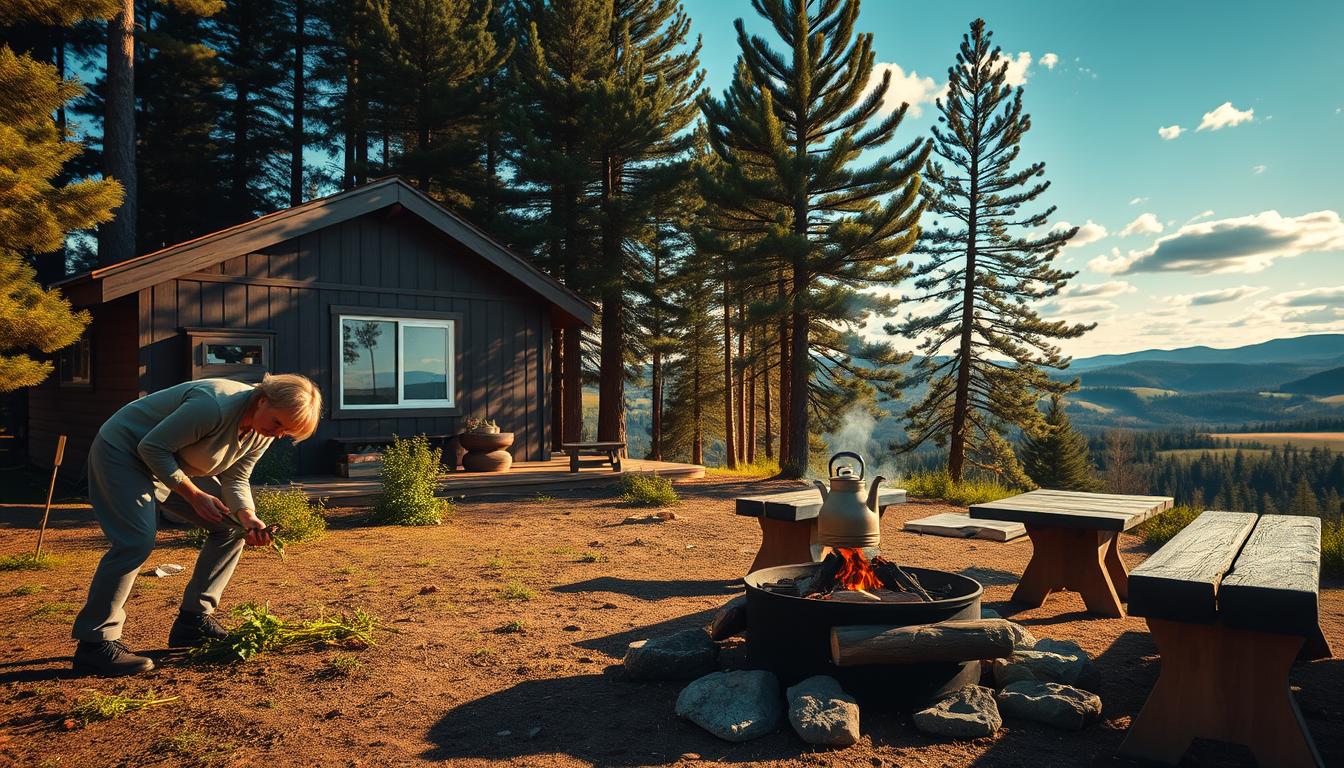
Starting off-grid living is a big change. It needs careful planning, patience, and being open to new things. People moving away from public services face challenges with energy, water, and growing their own food. But, the benefits are worth it.
Thank you for reading this post, don't forget to subscribe!A family’s story about off-grid living shows the need for being flexible and strong. Their tale offers useful tips on how to do well off the grid.
Key Takeaways
- Off-grid living requires significant lifestyle adjustments.
- Energy management and water collection are key.
- Growing your own food is important for off-grid living.
- Being flexible and resilient is key to success.
- Good planning is essential for a smooth transition.
The Reality of Off-Grid Living
Living off the grid is often seen as romantic. But, it’s really a mix of hard challenges and good rewards. It tests your will to keep going.
It means making big changes in your life. You need to know how to be self-sufficient and be ready to change.
Expectations vs. Reality
Many people want to live off the grid for a simpler life. But, the truth is, it’s hard work and full of technical problems. It’s a big learning curve.
For example, using solar power means knowing about energy. This can be tough if you’re new to it.
Mental Preparation for the Lifestyle Shift
Getting ready mentally is key for off-grid living. It’s not just about knowing the tech stuff. You also need to handle isolation and tough living conditions.
Being strong and flexible is important. It helps you deal with the hard parts of living far from others.
Knowing what off-grid living is really like helps. Being mentally ready for the big change makes it easier to enjoy the good parts of this life.
Energy Management Challenges and Solutions
Managing energy well is key to living off-grid. It keeps power flowing, cuts down on waste, and eases the load on storage systems.

Solar Power System Design Lessons
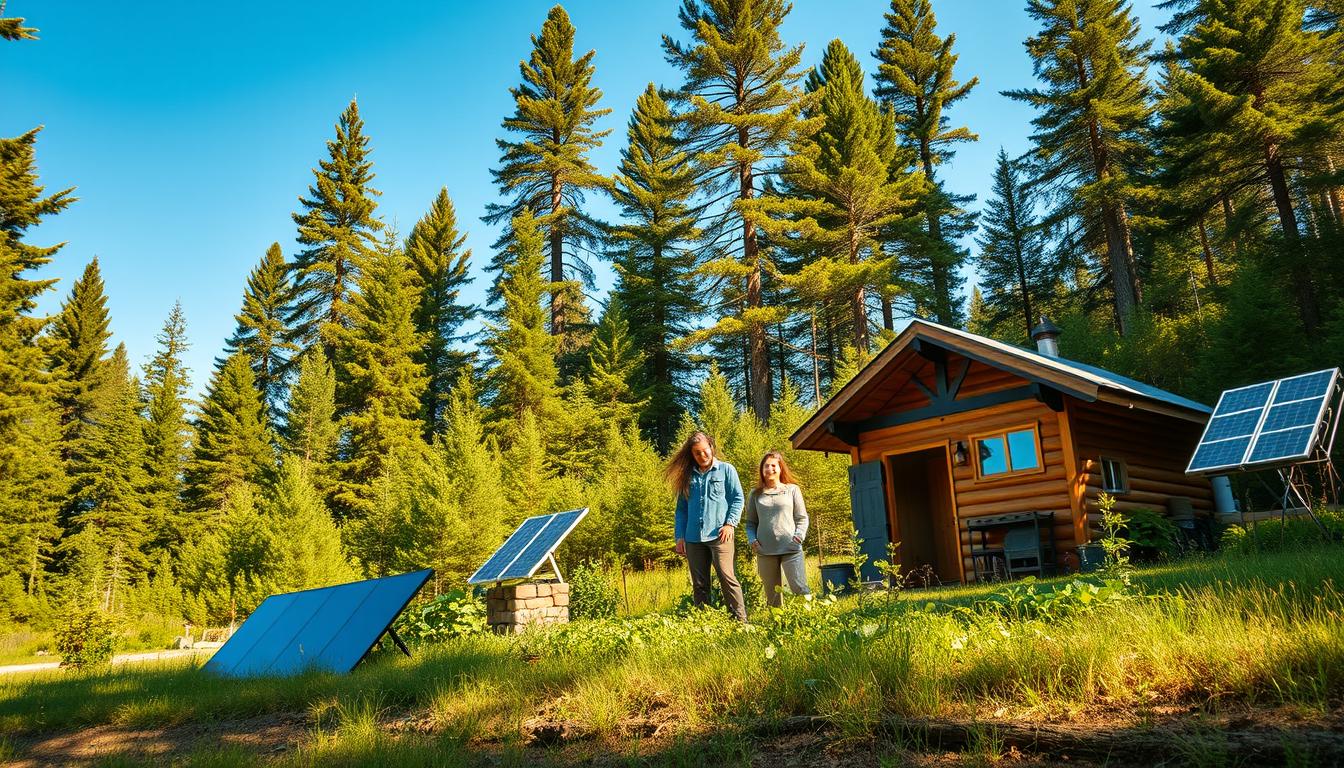
Creating a good solar power system is vital. Important tips include proper sizing to match energy needs, optimal panel placement for sunlight, and regular maintenance for top performance.
Battery Storage and Maintenance
Battery storage is a big part of off-grid systems. Keeping batteries in good shape means monitoring charge levels, avoiding deep discharges, and ensuring they charge right. This helps batteries last longer and systems work better.
Essential Backup Power Options
Having a solid backup power plan is a must for off-grid living. Options include generators or alternative energy sources like wind or hydro power. These backups keep power flowing when energy production is low.
Water Collection and Conservation Strategies
Water collection and conservation are key for a self-sufficient off-grid life. Managing water well is vital for sustainability.
Effective Rainwater Harvesting Systems
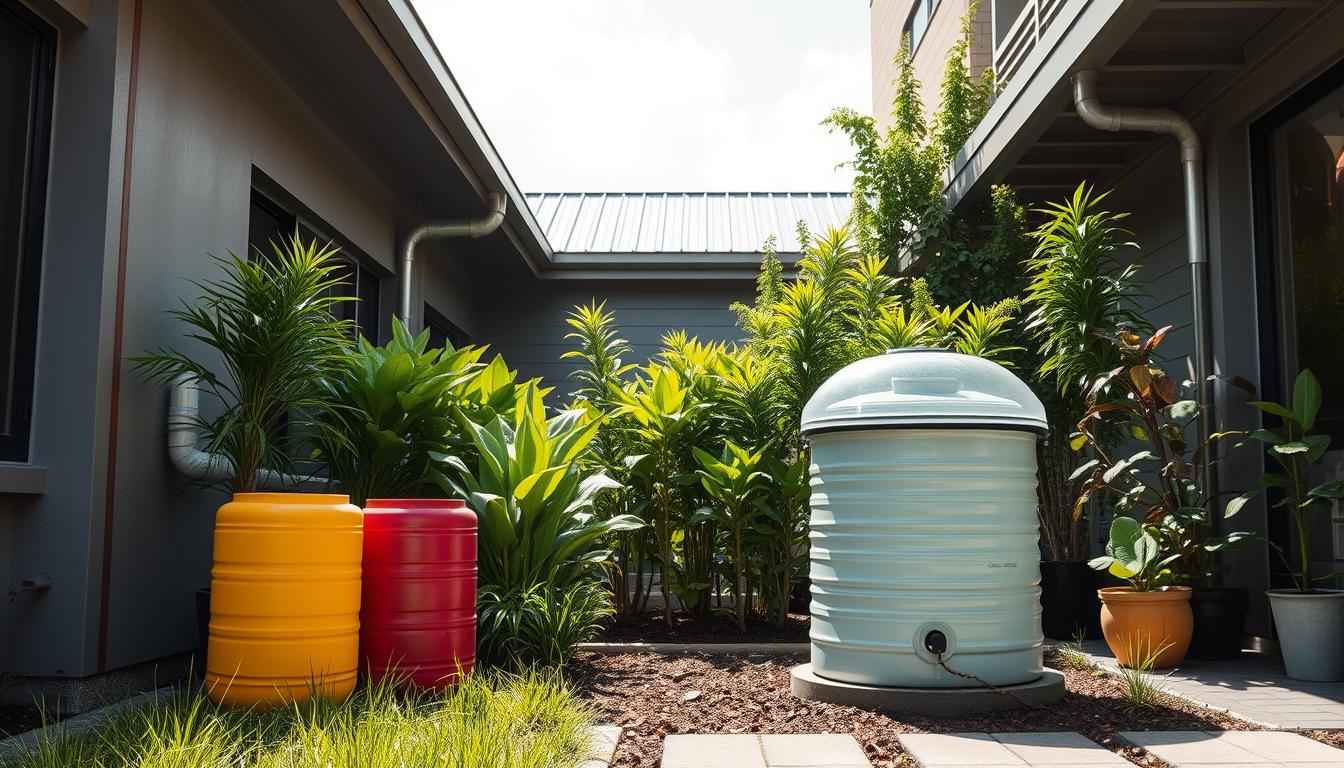
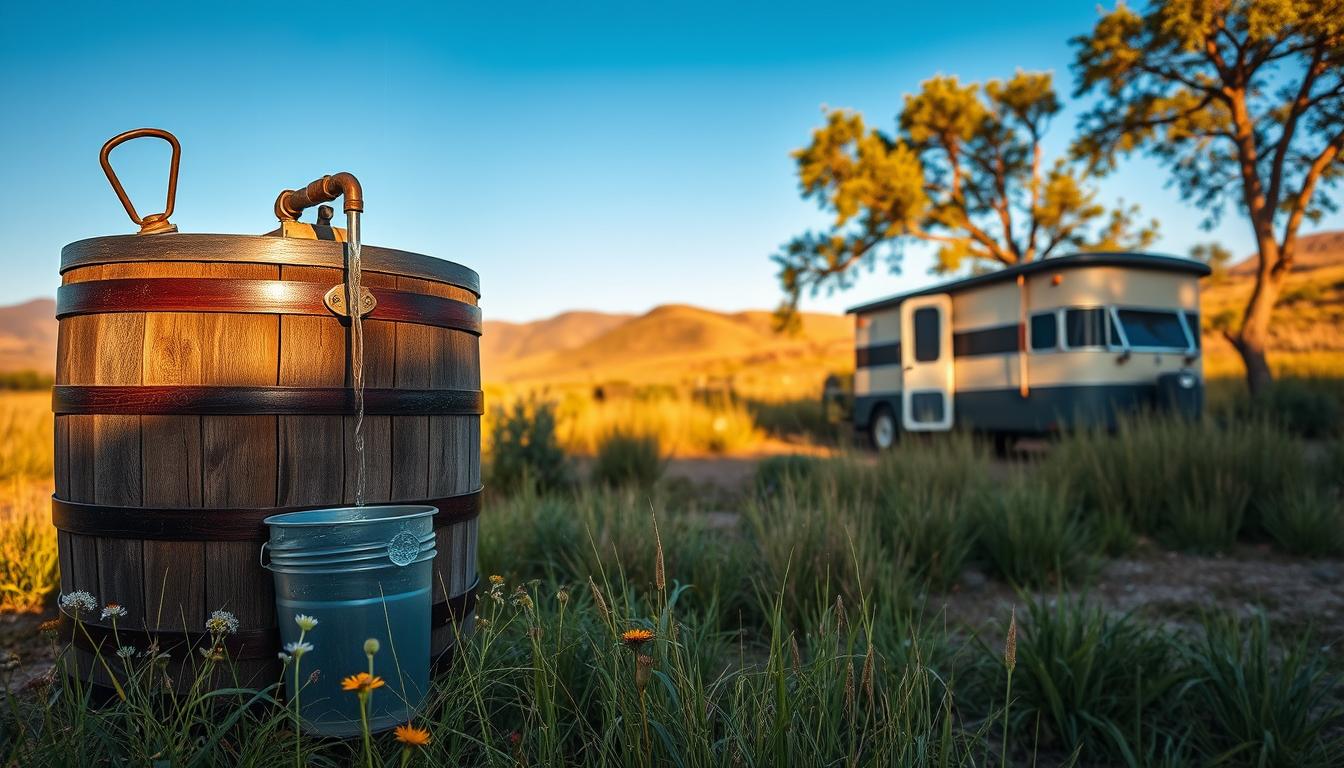
Rainwater harvesting is a basic step for off-grid water collection. Good systems have big tanks and the right gutter designs to catch more water. Keeping them clean is also key to avoid contamination.
Water Filtration and Purification Methods
After collecting, water needs to be filtered and purified for drinking. Methods include sedimentation, filtration, and UV treatment. Using these together makes the water the cleanest.
Daily Water Conservation Techniques
Conserving water is as important as collecting it. Simple steps include fixing leaks and using less water. Being careful with water use helps a lot.
| Method | Description | Effectiveness |
|---|---|---|
| Rainwater Harvesting | Collection of rainwater through gutters and storage tanks | High |
| Water Filtration | Removal of contaminants through filters | Medium to High |
| Daily Conservation | Reducing water usage through efficient practices | High |
By using these methods, off-grid folks can greatly improve their water security. This helps make their lifestyle more sustainable.
Food Self-Sufficiency Journey
Living self-sufficiently means having food all year. It takes planning your garden, preserving food, and using wild foods.
Year-Round Garden Planning
A good garden plan is key. Pick crops that grow in different seasons. Use crop rotation and succession planting. For more tips, check Off Grid Web’s homestead guide.
- Choose climate-resilient crops
- Implement crop rotation to maintain soil health
- Use succession planting to ensure continuous harvests
Food Preservation and Storage
Keeping food for later is important. You can can, freeze, or dehydrate food. Also, store food right to keep it fresh.
- Canning: Use a water bath canner or pressure canner
- Freezing: Blanch vegetables before freezing to preserve nutrients
- Dehydrating: Remove moisture to prevent spoilage
Supplementing with Wild Foods
Foraging adds to your food supply. Learn about edible plants, berries, and mushrooms. Add them to your meals.
- Learn to identify edible wild plants safely
- Forage responsibly to avoid over-harvesting
- Incorporate wild foods into your diet for nutritional variety
Using these methods boosts your food self-sufficiency. It makes your sustainable living practices better. And it helps you rely more on off grid resources.
Seasonal Challenges and Adaptations
Living off-grid means adapting to seasonal changes. These changes affect energy use, water collection, and self-sufficiency. Off-grid dwellers face many challenges all year.
Winter Preparedness Essentials
Winter is tough for off-grid homes. They need adequate insulation and reliable heating systems. Good insulation cuts down on heat loss.
Use solar or wind power for electricity. A generator is key for bad weather.

Summer Heat and Drought Management
Summer brings heat and drought. To manage, conserve water and use shade cloths. Shade cloths keep homes and gardens cool.
Use drought-resistant plants and harvest rainwater. Clean your solar panels often to keep them working well.
Preparation for seasonal challenges helps off-grid residents live comfortably all year.
Lessons Learned From the First Year Off Grid
The first year off the grid taught us a lot. We learned about being strong, adapting, and what self-sufficiency really means. We faced many challenges and successes, which helped us understand how to live well off the grid.
Unexpected Challenges Overcome
One big lesson was how to deal with unexpected problems. We had to fix broken equipment and handle harsh weather. Having a regular maintenance schedule and a backup plan helped us a lot.
Essential Skills Developed
Living off-grid needs many skills, like gardening and fixing things. We learned that getting better at these skills made us feel proud and more confident. Important skills included managing water, making energy, and reducing waste.
Financial Realities and Budget Adjustments
Living off-grid costs money, but we learned to save. By being smart with our money, we kept our lifestyle affordable. We had to adjust our budget for upkeep, repairs, and new things.
Looking back at our first year off-grid, it’s clear it was a journey of growth. By facing challenges and seizing opportunities, we keep getting better at living off the grid.
Tools and Resources for Successful Off-Grid Living
To live off-grid well, you need the right tools and resources. Off-grid living means managing resources smartly and using the best equipment.
Must-Have Equipment and Tools
Key tools for off-grid living are solar panels, water filtration systems, and backup generators. For beginners, off-grid living guides are very helpful.
- Solar panels for renewable energy
- Water filtration systems for clean drinking water
- Backup generators for emergency power
Online and Community Resources
Online forums and community networks are key for sharing knowledge. Websites focused on sustainable living practices give tips on improving off-grid systems and solving problems.
[link-whisper-related-posts]Conclusion: Is Off-Grid Living Right for You?
Off-grid living needs careful planning and self-discipline. It’s about being ready to face challenges. This lifestyle is discussed in this article.
It’s possible to meet electrical needs without a big home power system. A good off-grid system can do the job. For example, a setup with three deep-cycle batteries and a used 850-watt inverter works well.
This setup also includes a fast charger and a 4,000-watt generator. You can get all this for under $1,300. Understanding energy management and appliance efficiency is key to off-grid living.
If you’re thinking about off-grid living, consider the pros and cons. Resources can help you decide. By following sustainability tips, you can live a fulfilling and green life.
FAQ
What are the most significant challenges faced during the first year of off-grid living?
The biggest challenges include getting used to a new way of life. You also need to manage energy, collect and save water, grow your own food, and handle seasonal changes.
How do I prepare myself mentally for off-grid living?
To mentally prepare, understand the big change you’re making. Know the challenges ahead and be ready to adapt to new things.
What are the key considerations for designing a solar power system for off-grid living?
First, figure out how much energy you need. Then, pick the right solar panels and a good battery system. Don’t forget to maintain it and have backup plans.
How can I effectively harvest and conserve rainwater?
Start by setting up a good rainwater collection system. Use filters and purifiers to keep the water clean. Also, save water every day.
What strategies can I use to achieve food self-sufficiency in off-grid living?
Plan a garden that grows food all year. Learn to preserve and store food. Also, eat wild foods to supplement your diet.
How do I prepare for seasonal challenges in off-grid living?
Know what each season brings. Plan for winter with heating and insulation. In summer, find ways to stay cool and manage water.
What are the essential skills required for successful off-grid living?
You need skills in managing energy, collecting and saving water, preserving food, and basic repairs. These skills are key to living off-grid.
What are the financial realities of off-grid living, and how can I adjust my budget?
Living off-grid costs money upfront for setup and then for upkeep. But, you can save money by being self-sufficient. Adjust your budget to cover these costs and use resources wisely.
What tools and resources are necessary for successful off-grid living?
You’ll need essential tools, online help, and a community to support you. These resources are vital for a successful off-grid life.
How can I determine if off-grid living is right for me?
Think about the lifestyle, if you’re ready for the challenges, and your personal goals. Off-grid living should match your values and goals.

Subscribe to Our Newsletter