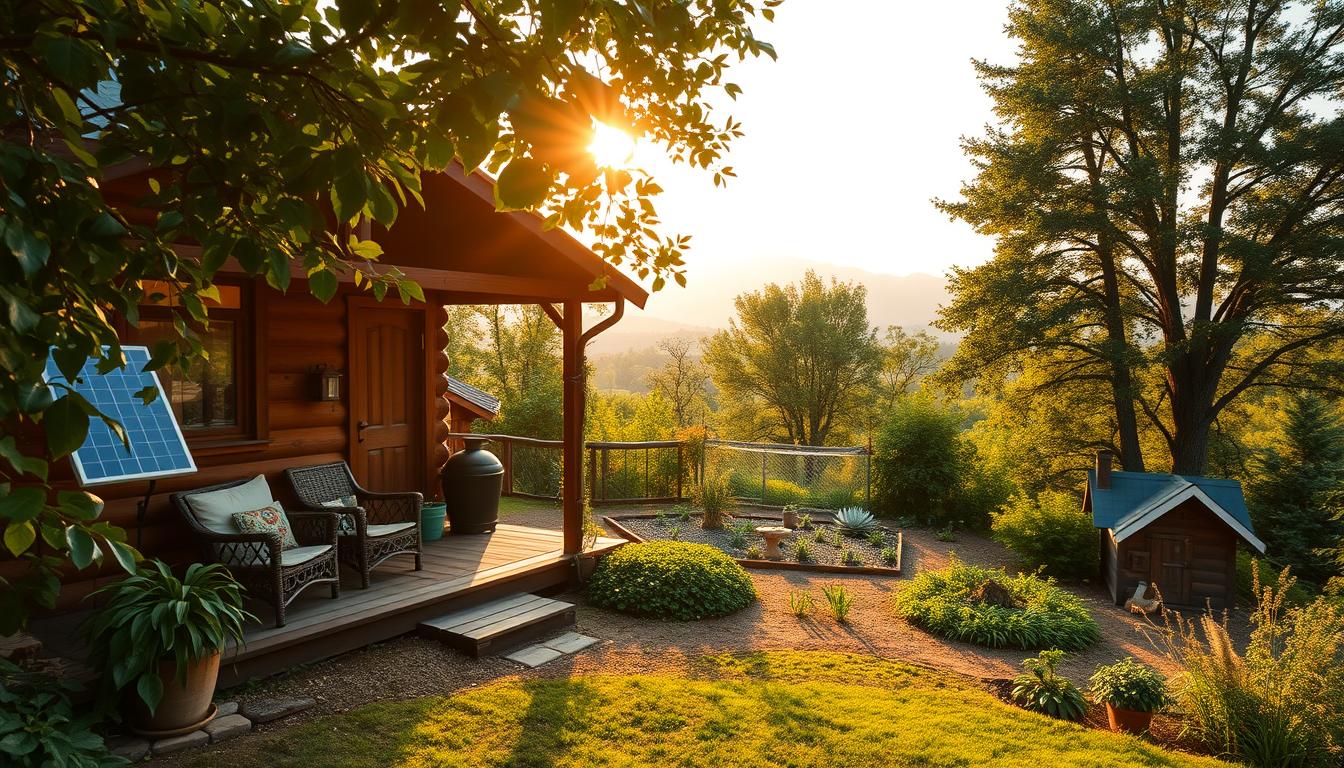
Starting an off-grid lifestyle means big changes and being open to new things. People moving to this way of life often face surprises.
Thank you for reading this post, don't forget to subscribe!The first thoughts about off-grid living are often wrong. It’s both fulfilling and humbling. Knowing the practical aspects helps prepare for what’s ahead.
Stories and tips show that getting ready and being strong are important. They help deal with off-grid living’s ups and downs.
Key Takeaways
- Preparation is key for a good off-grid living experience.
- Being resilient helps overcome off-grid living’s challenges.
- Knowing the practical sides of off-grid living prepares you better.
- Off-grid living needs big changes and a willingness to adapt.
- The journey can be both rewarding and humbling.
The Reality of Transitioning to Off-Grid Life
Leaving the grid is often seen as romantic. But, the truth is much more complex. Moving to an off-grid lifestyle comes with many challenges. These can be hard on both your body and mind.
Our Motivation for Leaving the Grid Behind
Many want to live off the grid for self-sufficiency. They want to use less public utilities. Our reason was to get closer to nature and live simpler.
Initial Expectations vs. Harsh Realities
We thought we’d live in quiet peace. But, making our own energy and food was tough. Our expectations and reality were far apart, forcing us to change fast.
The Emotional Journey of Disconnecting
Leaving the grid meant giving up modern comforts. This change deeply affected us emotionally. We had to grow strong and see life in a new way.
Living off the grid means more than just energy and food. It’s about living fully, conserving, producing, and managing waste. It takes patience, effort, and a constant desire to learn and grow.
Essential Energy Lessons Learned From First Year Off Grid Living
Our first year off-grid taught us a lot about energy. We learned how to manage it well. We’ll share these lessons with you.
Solar Power System: Sizing, Installation and Maintenance
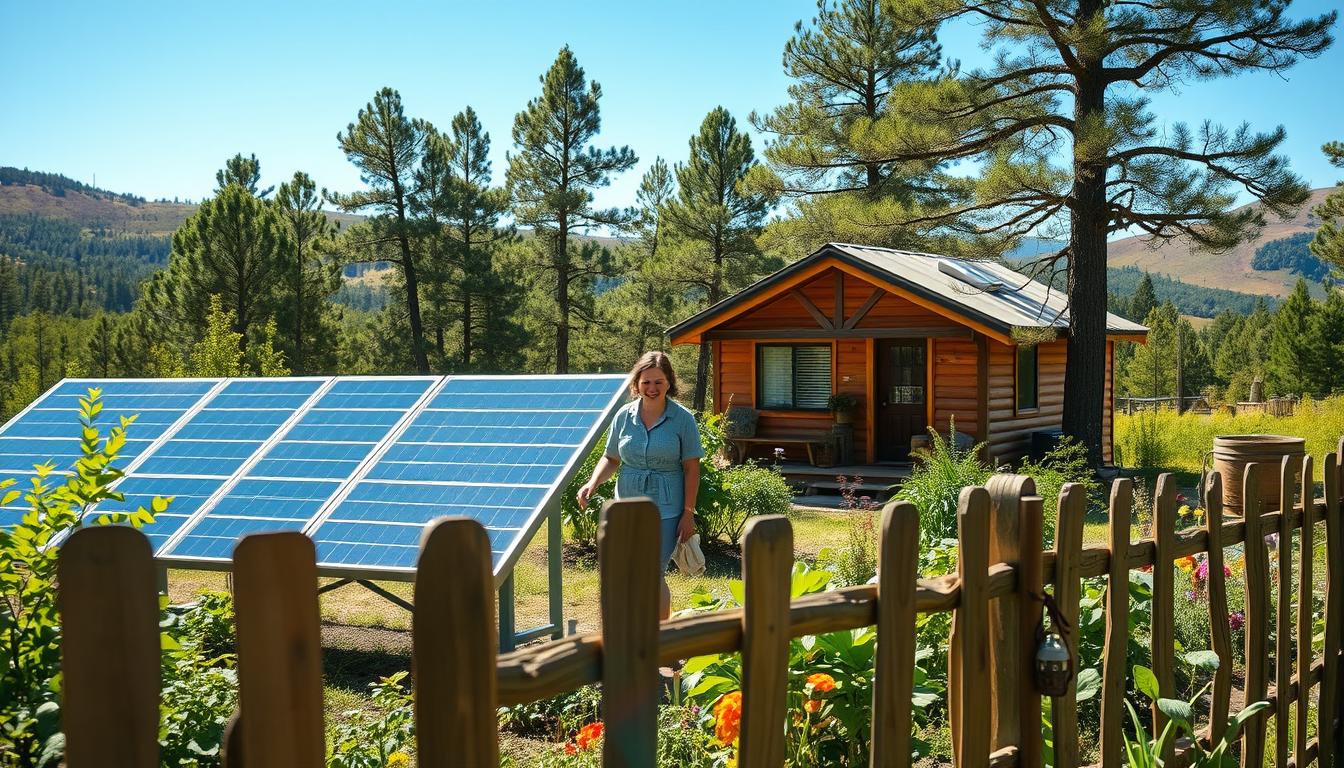
A good solar power system is key for off-grid living. Sizing it right is very important. You need to know how much energy you use and how much the panels can make.
Calculating Actual Energy Needs
To size your solar system right, you must know your energy needs. List all your appliances and devices. Then, figure out how much power they use each day.
- Identify all energy-consuming devices
- Calculate the wattage and hours of use for each device
- Sum the total watt-hours per day
Seasonal Adjustments and Panel Positioning
Changing the panels with the seasons is key. In winter, tilt them more to catch sunlight. This helps get more energy.

Alternative Energy Sources: What Saved Us
While solar power was our main source, other sources helped too. Wind power and backup generators were lifesavers in winter when the sun was weak.
- Wind turbines provided a reliable alternative
- Backup generators ensured continuous power supply
Energy Conservation Strategies That Made a Difference
Conserving energy was just as important as making it. Using efficient appliances and insulating our home helped a lot. Changing our behavior, like doing laundry when the sun is strong, also helped.
| Strategy | Impact |
|---|---|
| Energy-efficient appliances | Reduced overall energy consumption |
| Reducing water heating | Lowered energy usage for heating |
| Insulation | Minimized heat loss |
By using these strategies, we kept our energy supply steady all year. Our story shows the value of smart energy use and production.
Water Systems: Critical Challenges and Solutions
A good water system is key for living off the grid. It needs to handle harvesting, storage, and reuse. For those off the grid, having a reliable water system is a must.
Rainwater Harvesting: Setup and Maintenance
Rainwater harvesting is a top choice for collecting water off the grid. It collects and stores rainwater from rooftops or other surfaces. Setting it up right is important, including the catchment area, storage tanks, and treatment systems.
Regular upkeep is key to keep the water clean and the system working well. Make sure the storage tanks are the right size for your needs. Also, keep the catchment area clean to avoid contamination. For more info, check out Aegina Pure’s guide on water for off-grid living.
Well Water Considerations and Equipment
Well water can be a good source of water off the grid. But, it needs careful management for quality and quantity. Think about the well’s depth, yield, and recharge rate. Also, consider the pump and treatment equipment.
Well Water Equipment Considerations
| Equipment | Description | Considerations |
|---|---|---|
| Pump Type | Submersible or surface pump | Depth, flow rate, and power source |
| Treatment | Filtration, UV, or chemical treatment | Water quality, maintenance, and cost |
| Storage | Tank size and material | Capacity, durability, and contamination risk |
Greywater Systems: Lessons in Reuse
Greywater systems use water from sinks, showers, and washing machines for irrigation and toilets. They need careful planning to be safe, efficient, and follow local rules.
They help save water and reduce wastewater. But, remember to think about treatment and storage to avoid health risks.
Food Self-Sufficiency and Storage Solutions
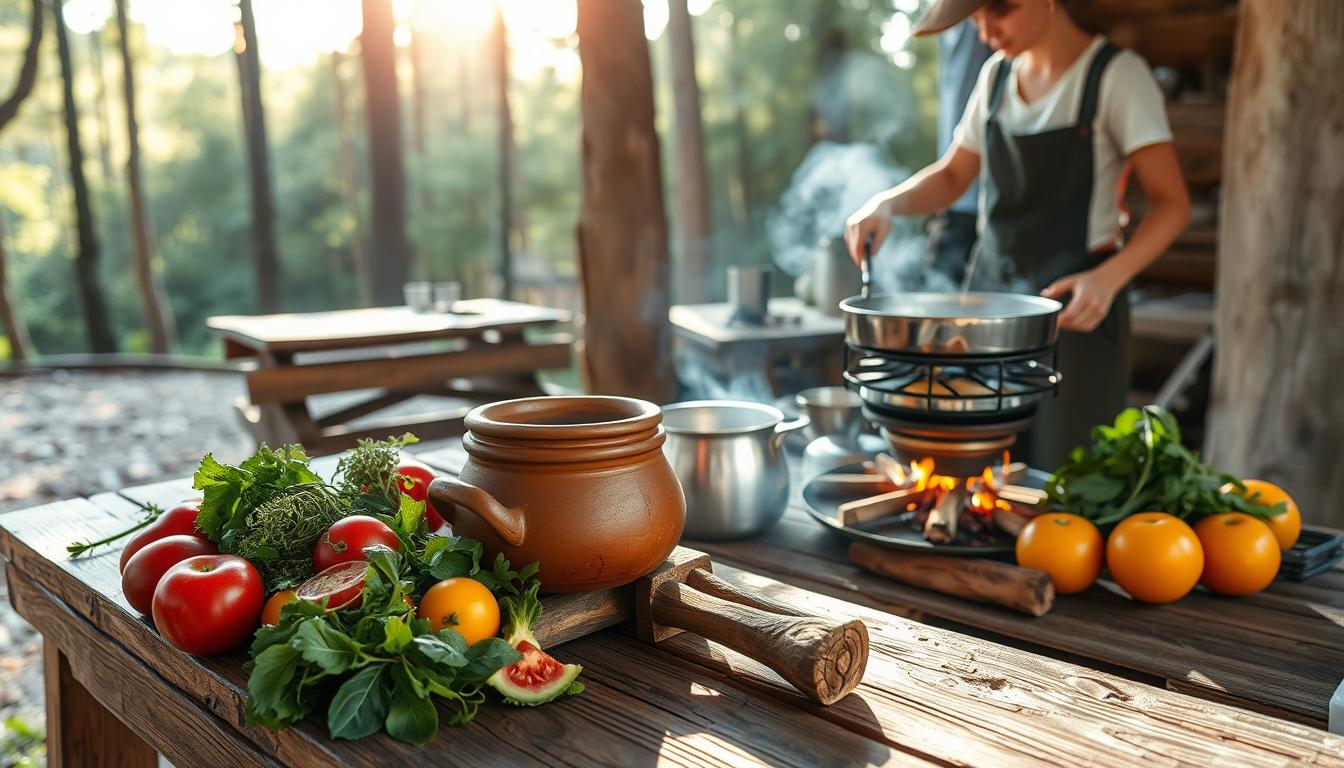
Living off the grid means you must grow and store your own food. This is key to surviving all year round. You need to grow food, preserve it, and plan for emergencies.
Year-Round Growing: Greenhouse and Garden Planning
Off-grid folks use greenhouses and gardens to grow food all year. Greenhouses keep the weather out, so you can grow food anytime. They use smart planting to get more food.
For tips on planning your homestead, check out Off Grid Web’s homestead preparation guide.

Preservation Techniques: Canning, Dehydrating, and Root Cellaring
Keeping food fresh is vital. Canning, dehydrating, and root cellaring help a lot. Canning heats food in jars to kill germs. Dehydrating removes moisture to stop spoilage.
Root cellaring keeps food cool and humid. This keeps it fresh for a long time.
| Preservation Method | Advantages | Disadvantages |
|---|---|---|
| Canning | Long-term storage, nutrient retention | Requires specialized equipment, energy-intensive |
| Dehydrating | Energy-efficient, lightweight storage | Potential for nutrient loss, limited storage duration |
| Root Cellaring | Minimal equipment required, retains freshness | Limited to specific types of produce, requires consistent conditions |
Winter Food Strategies and Emergency Supplies
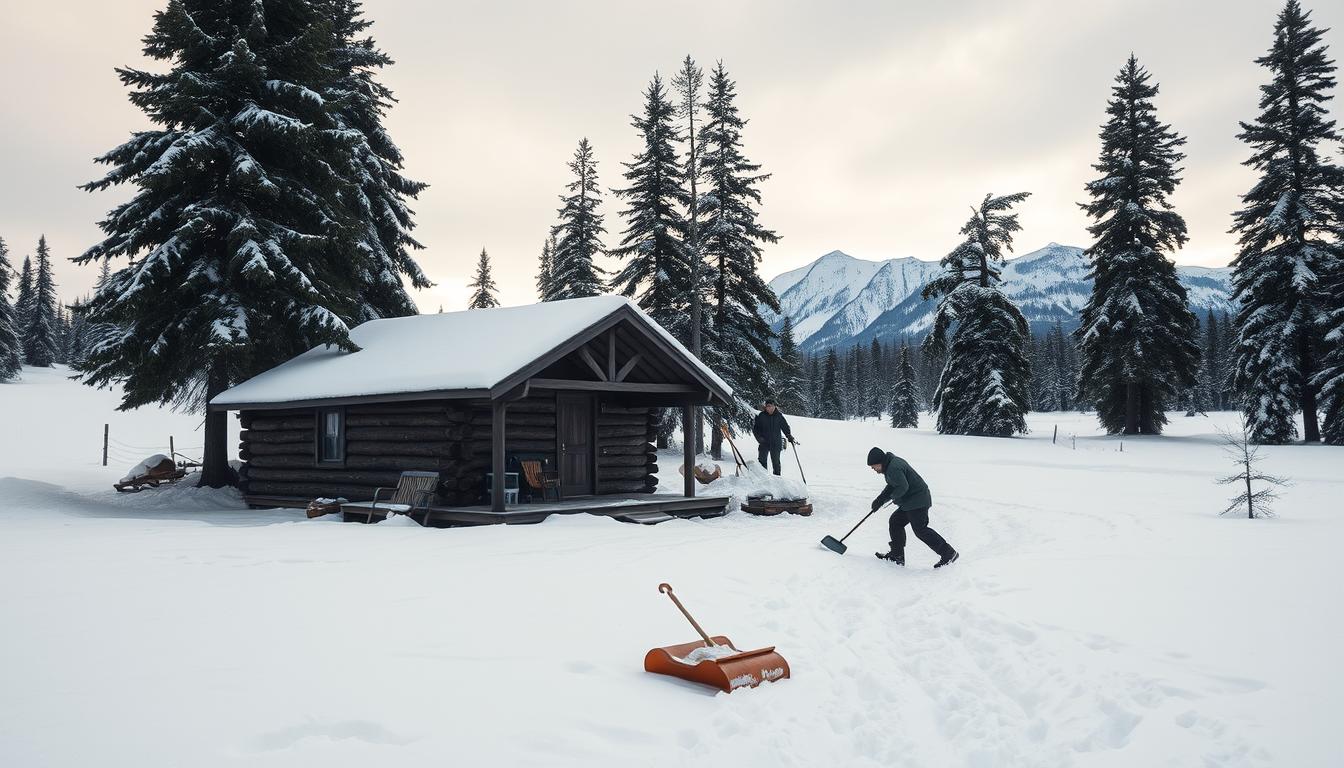
Winter is tough, so you need a plan. Stock up on non-perishable food and have backup energy. This keeps you going when it’s cold and dark.
With these plans, you can be very self-sufficient. This helps you live well off the grid.
Building Resilience: Community and Resources
Resilience is key for off-grid living. It starts with the people and resources around you. Having a supportive community and the right tools makes a big difference.
Finding and Creating Local Support Networks
Connecting with like-minded people is a valuable strategy for living off the grid. Join local off-grid groups or online forums for support and advice.
Essential Tools and Equipment Worth Investing In
Investing in the right tools and equipment is key for off grid living tips. This includes solar panels, water filtration systems, and durable building materials. A well-prepared off-grid homestead can handle challenges better.
| Tool/Equipment | Purpose | Initial Cost |
|---|---|---|
| Solar Panels | Renewable Energy Source | $5,000 – $10,000 |
| Water Filtration System | Clean Drinking Water | $1,000 – $3,000 |
| Durable Building Materials | Long-lasting Construction | $3,000 – $6,000 |
Psychological Preparedness for Off-Grid Challenges
The psychological aspect of off-grid living is as important as physical preparations. Developing a resilient mindset means being adaptable, patient, and proactive. It’s about seeing challenges as opportunities for growth.
By focusing on community, resources, and psychological preparedness, you can build a resilient off-grid lifestyle. It’s fulfilling and sustainable.
[link-whisper-related-posts]Conclusion
The first year of off-grid living is a journey of discovery. It’s filled with challenges and rewards. By embracing sustainability ideas, you can live a more self-sufficient life.
Managing resources, troubleshooting, and adapting to new systems are key lessons. They help you build a strong foundation for independence. Focus on saving energy, managing water, and growing your own food to thrive.
Keep celebrating your successes, like harvesting your first crop or keeping your energy systems running. Each challenge is a chance to learn and grow. This builds resilience and a deeper connection to nature.
Choosing the off-grid lifestyle reduces your environmental impact and makes life more meaningful. Keep exploring new sustainability ideas and adapting. This ensures a brighter future for you and your community.
FAQ
What are the most significant challenges faced during the first year of off-grid living?
Adapting to a new energy system is a big challenge. Managing water and growing your own food are also tough. Building a local support network is key to overcoming these hurdles.
How do I determine my energy needs for an off-grid solar power system?
To figure out your energy needs, track how much power you use each day. Look at your appliances and lighting. Then, use this info to size your solar system.
What are the benefits of rainwater harvesting, and how do I set it up?
Rainwater harvesting gives you clean water and cuts down on water bills. It also helps prevent stormwater runoff. To start, you’ll need a tank, a way to move the water, and a filter. Don’t forget to keep it clean.
How can I achieve food self-sufficiency off the grid, and what preservation techniques are most effective?
To grow your own food, plan your garden well. Use techniques like canning and dehydrating to keep food fresh. This way, you’ll have food all year, even in winter.
What are the essential tools and equipment needed for off-grid living, and how do I choose the right ones?
You’ll need tools for energy, water, and food. Look for durable, efficient, and cost-effective items. Choose high-quality tools that fit your needs.
How do I build a local support network for off-grid living, and why is it important?
Join online forums and local groups to find like-minded people. Attend community events. This network offers advice, support, and resources, helping you deal with the challenges of off-grid living.
What are some effective strategies for conserving energy off the grid?
Use energy-efficient appliances and plan your energy use. Implement load management to save energy. These steps help reduce waste and ensure a steady energy supply.
How do I prepare for the psychological challenges of off-grid living?
Build a strong mindset and know the mental health risks. Stay connected with loved ones and do things that make you happy. Be ready for emergencies.

Subscribe to Our Newsletter