Efficient time management is key in today’s fast world. Coursera says it’s about planning and controlling time for better productivity. This means setting deadlines, making to-do lists, and celebrating your wins.
Thank you for reading this post, don't forget to subscribe!Without modern utilities, time management techniques are even more important. People use offline tools like physical planners or notebooks. They set goals and sort tasks by importance. By being mindful of time and adjusting plans, they reach their goals well.
Key Takeaways
- Use offline tools like physical planners or notebooks to set goals and prioritize tasks.
- Create daily to-do lists with achievable goals.
- Establish SMART (specific, measurable, attainable, relevant, timely) goals.
- Monitor progress and adjust strategies as needed.
- Maintain flexibility and use rewards to stay motivated.
Living Without Modern Utilities: Scenarios and Challenges
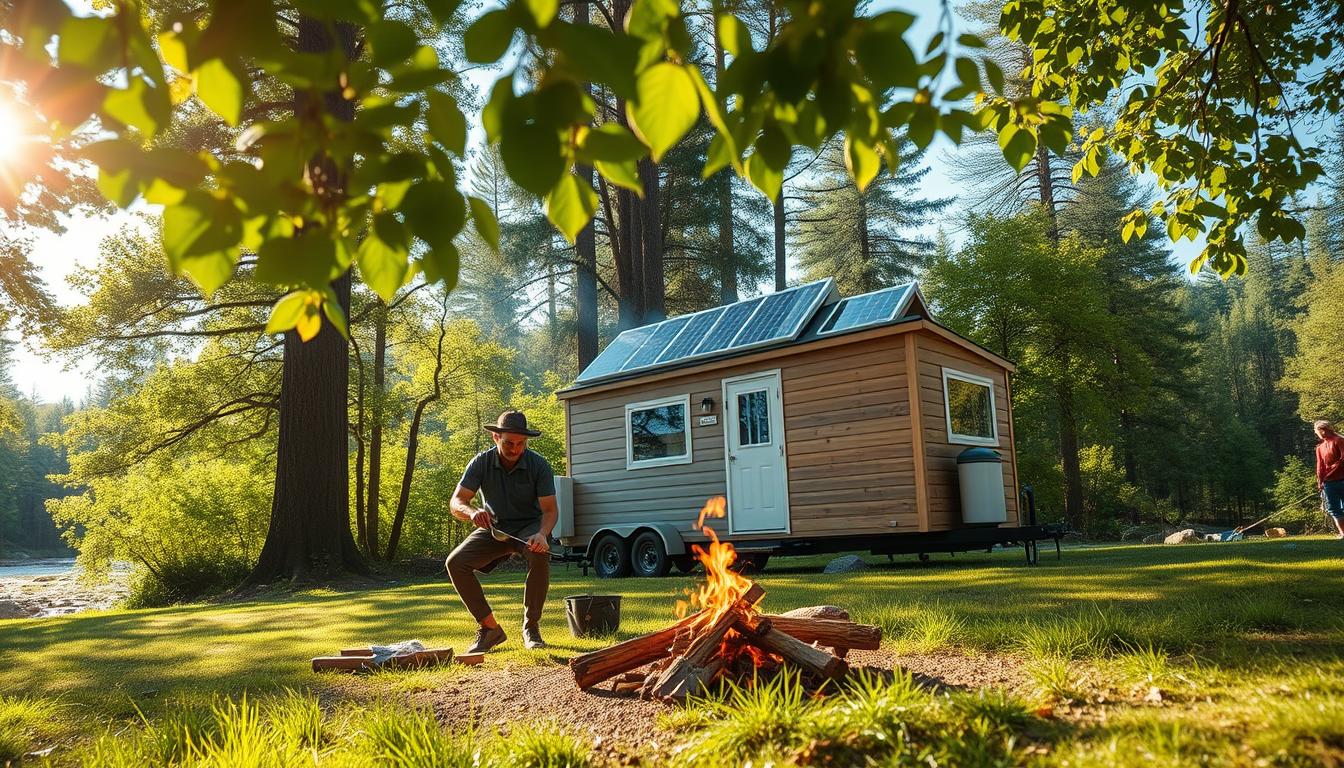
Many people face living without modern utilities due to natural disasters or choosing off-grid living. They must find new ways to manage their time.
Natural Disasters and Emergency Situations
Natural disasters like hurricanes and floods often cut off utilities. People must use time management strategies to survive. They might need to save water, ration food, and work with emergency teams.
A report on Energy Access Scenarios to 2030 says knowing energy needs is key in emergencies.
Off-Grid and Sustainable Living Choices
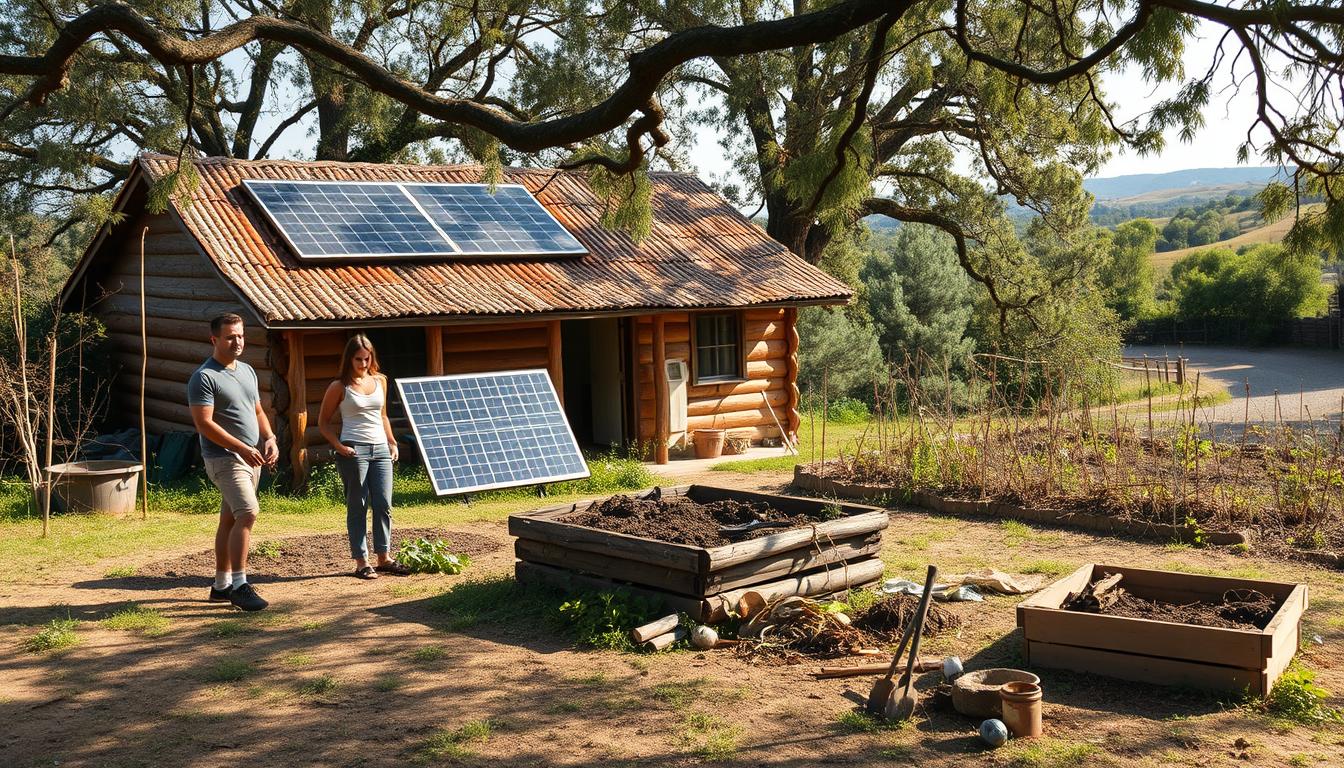
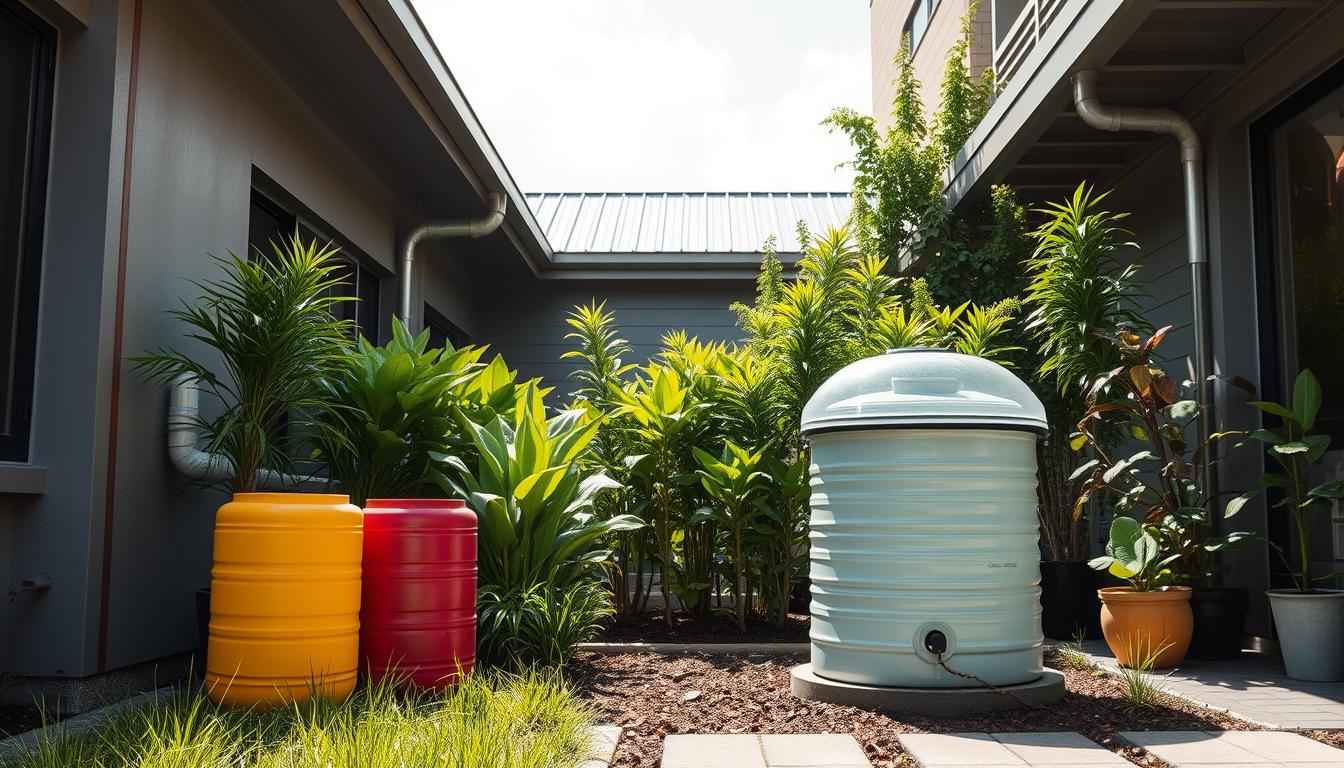
Some choose to live off-grid or adopt sustainable living. They use solar or wind power and collect rainwater. Managing time here means planning tasks with nature’s help.
Economic Hardship and Utility Disconnection
When money is tight, utilities might get cut off. People then have to change their daily life a lot. They might use candles, plan tasks for daylight, and find ways to stay productive.
Psychological Impact of Utility Loss on Time Perception
Not having modern utilities can mess with how we see time. Without electric lights and appliances, time can seem different. This can make it hard to manage time effectively.
| Scenario | Challenges | Time Management Strategies |
|---|---|---|
| Natural Disasters | Loss of utilities, coordination with emergency services | Rationing supplies, coordinating rescue efforts |
| Off-Grid Living | Managing renewable energy, water supply | Coordinating tasks with natural resources |
| Economic Hardship | Utility disconnections, limited resources | Adjusting routines, using alternative lighting |
Traditional Methods of Timekeeping Without Electricity
Before electricity, people used many ways to keep track of time. These methods helped them manage their time well. They also improved time management skills and productivity without utilities.
Solar-Based Time Tracking
Solar-based time tracking was key in the past. It used the sun’s position to guess the time of day.
Sundials and Shadow Sticks
Sundials and shadow sticks track time with the sun’s shadow. A sundial has a flat surface and a stick that casts a shadow. This shadow shows the time as the sun moves.
Shadow sticks are simpler. They use the length and direction of a stick’s shadow to guess the time.
Reading Natural Light Patterns
Light patterns help guess the time. By watching sunlight’s intensity and direction, one can estimate the time. This method needs understanding the sun’s movement and local environment.

Mechanical Timepieces and Their Maintenance
Clocks and watches have kept time for centuries. They need regular care to stay accurate.
Keeping them in good shape involves cleaning, oiling, and adjusting. Knowing how to do this is key for their accuracy and life.
| Task | Frequency | Description |
|---|---|---|
| Cleaning | Monthly | Remove dirt and grime from the timepiece |
| Oiling | Quarterly | Apply lubricant to mechanical components |
| Adjusting | As needed | Make adjustments to ensure accuracy |
Natural Rhythms and Environmental Cues
Natural signs and animal behaviors help guess the time. This includes watching animal habits and using the stars.
Animal Behaviors as Time Indicators
Some animals act at certain times. Birds chirp in the morning, and crickets chirp at night. These can tell the time.
Celestial Navigation for Timekeeping
Celestial navigation uses stars and constellations to guess time. It’s complex and needs astronomy knowledge. Sailors and travelers used it, even during daylight saving time.
Learning these old methods helps improve time management skills and productivity without utilities. They connect us to the past and help manage time without electricity.
How People Manage Time Without Utilities: Daily Routines and Schedules
Managing time without modern utilities means knowing natural rhythms and energy levels. People without electricity and other conveniences find unique ways to manage their time well.
For more insights on daily habits of successful people, you can visit Brian Tracy’s blog, which offers valuable time management tips.
Aligning Activities with Daylight Hours
Aligning daily activities with daylight hours is a key method. People wake up at sunrise and go to bed after sunset. This natural rhythm boosts productivity during the day.
Farmers and those doing outdoor work plan their day by the sun. This saves energy and makes daily tasks more efficient.
Prioritizing Tasks Based on Energy Requirements
Another important aspect is prioritizing tasks by energy needs. People do their hardest tasks in cooler parts of the day, like early morning or late afternoon.
This keeps productivity high and avoids strain from hard work in hot hours. It’s a smart way to manage time for those living off the grid.
| Task | Energy Requirement | Preferred Time |
|---|---|---|
| Farming | High | Early Morning |
| Crafting | Medium | Late Afternoon |
| Rest | Low | Midday |
Communal Time Management Strategies
In communities without modern utilities, people work together. They plan activities to meet common goals.
For example, farming is done at times good for everyone. This teamwork builds unity and cooperation.
Seasonal Adjustments to Daily Schedules
Seasonal changes also affect daily routines. In winter, with less daylight, activities are shorter. In summer, with more daylight, there’s more time for work.
This flexibility helps people adapt to the changing seasons. It keeps their daily routines structured and productive, even without modern conveniences.
Productivity Techniques When Modern Tools Are Unavailable
When we don’t have modern tools, we must use old ways to manage our time. We need to find new ways to stay productive that don’t need electricity or digital tools.
Analog Planning and Organization Systems
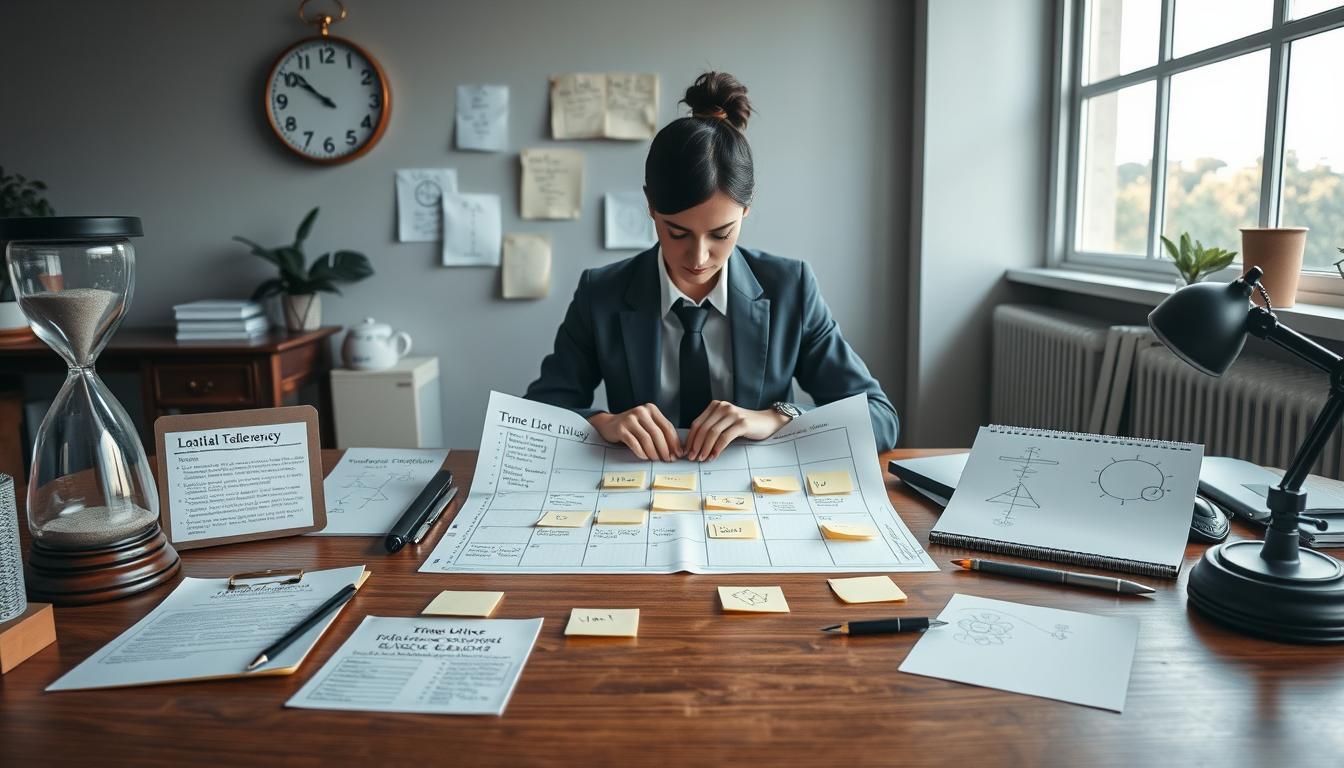
Using old-school planning methods is a good way to stay productive. This includes using paper for tasks and time blocking on a calendar. These methods help us organize our day without needing digital devices.
Paper-Based Task Management
Writing down tasks on paper is a simple yet effective way to manage tasks. It lets us see our progress by crossing off tasks as we finish them. Experts say this is a great way to set and achieve goals.
Visual Time Blocking Without Digital Tools
Time blocking means setting times for tasks on a paper calendar. It helps us focus on what’s important and manage our time better. It also lets us see our day’s plan clearly, making it easy to adjust as needed.

Mental Time Management Strategies
Mental strategies are also key to staying productive. The Pomodoro Technique is one example. It involves working in focused periods with short breaks in between.
Adapting Modern Productivity Methods to No-Utility Environments
Many modern methods can work without modern tools. For example, time blocking and task prioritization can be done with paper and our minds. Being able to adapt is essential for staying productive when things get tough.
| Productivity Technique | Description | Benefit |
|---|---|---|
| Paper-Based Task Management | Using physical planners or notebooks to list tasks | Helps in tracking progress and staying organized |
| Visual Time Blocking | Allocating specific time slots for tasks on a physical calendar | Enhances prioritization and time management |
| Pomodoro Technique | Working in focused intervals followed by short breaks | Boosts focus and reduces burnout |
By using these techniques, we can manage our time well even without modern tools. The important thing is to be flexible and adjust these methods as needed.
[link-whisper-related-posts]Conclusion: Lessons from Utility-Free Time Management
Time management is key in today’s fast world. It’s even more important when we don’t have modern tools. The forum shows how important discipline and being organized are, no matter the tools.
Using old ways like tracking time with the sun and mechanical clocks helps keep a routine. Doing things when it’s light and focusing on tasks that need energy are good time management strategies.
Without modern tools, being flexible and clever is essential to stay productive. Using efficient time management like planning with paper and keeping things in your head helps stay on track.
The main lesson from managing time without utilities is a mix of discipline, organization, and creativity. By using these, people can make good time management plans that work everywhere.
FAQ
What are some effective time management techniques that can be used without modern utilities?
You can use solar time tracking and mechanical clocks. Natural rhythms also help. Try analog planning and mental strategies too.
How do people manage their daily routines and schedules without utilities?
They plan around daylight and their energy levels. They also adjust their plans with the seasons. This helps them stay productive.
What are some traditional methods of timekeeping that don’t rely on electricity?
Sundials and shadow sticks are old ways to tell time. So is reading natural light. Mechanical clocks and animal behaviors also help.
How can people maintain productivity when modern tools are unavailable?
Use analog systems and mental strategies. Adapt modern methods for no-utility settings. This keeps you productive.
What are some challenges associated with living without modern utilities, and how do they impact time perception?
Living off-grid can be tough. Natural disasters and economic issues affect time perception. You must adapt and stay alert.
How can people prioritize tasks based on energy requirements when living without utilities?
Know your energy levels and plan tasks. Do hard tasks when you’re most energetic. Save easy tasks for when you’re tired.
What is the importance of time management strategies in utility-free environments?
Time management is key in off-grid living. It helps you stay productive and manage your day. It’s essential for survival.

Subscribe to Our Newsletter