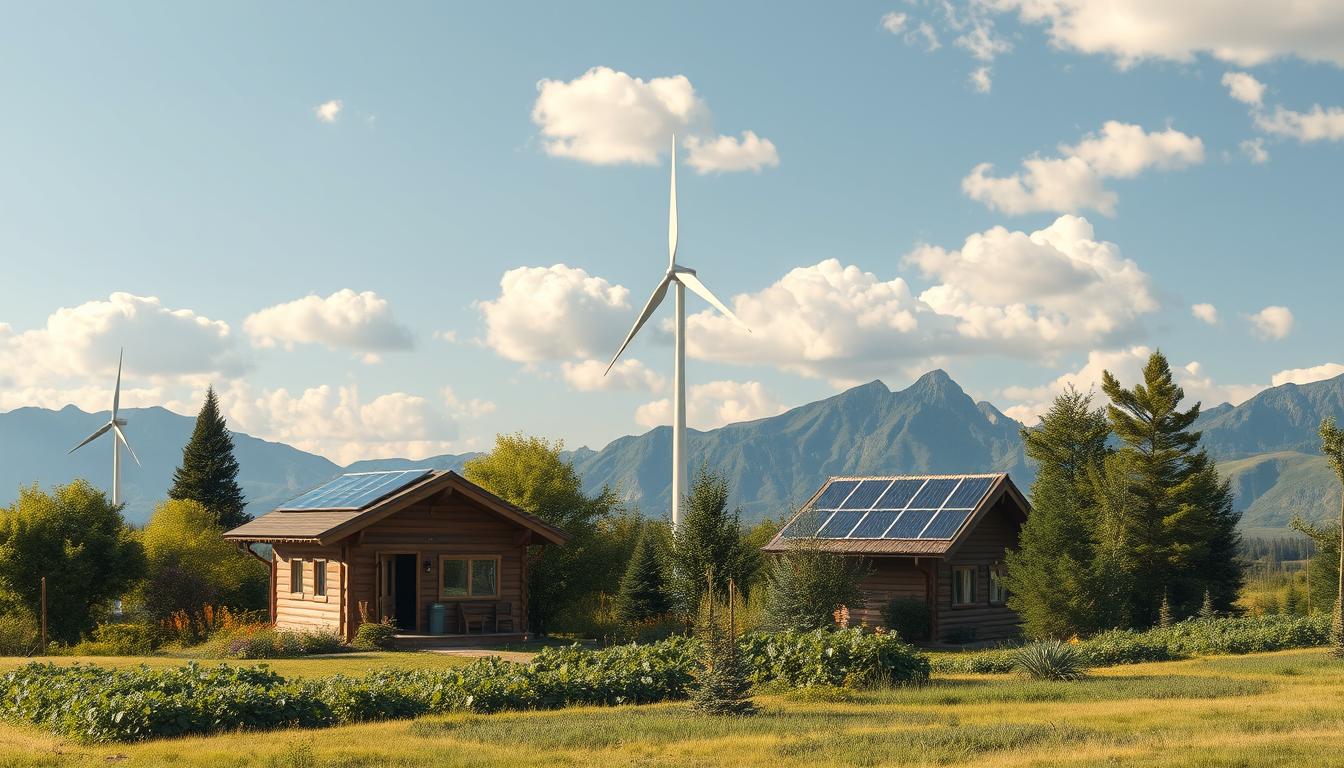
Living off the grid means you’re self-sufficient and ready for anything. You save money and take care of your own utilities. This means fixing them when they break.
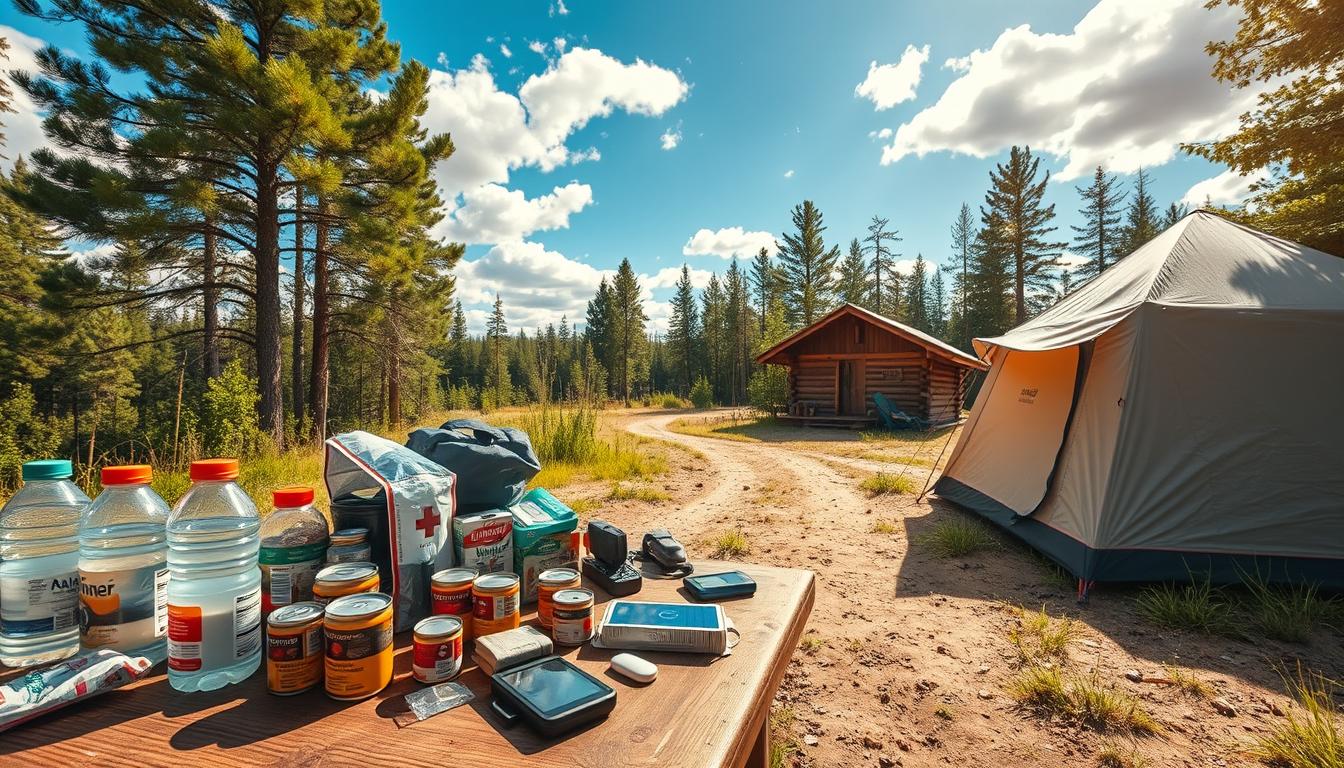
Thank you for reading this post, don't forget to subscribe!Off-grid survival gear is key for emergencies. It helps you deal with outages or disasters without needing outside help.
For off-grid folks, emergency preparedness is more than a plan. It’s about being ready for the unique challenges of not having public utilities.
Key Takeaways
- Off-grid living needs a special approach to emergency prep.
- Being self-sufficient is vital for off-grid emergencies.
- The right survival gear is essential for emergency responses.
- Off-grid homes must be ready for utility failures and disasters.
- Being prepared means having a plan and the right tools.
The Unique Challenges of Off-Grid Emergency Preparedness
Off-grid emergency prep is more than just having stuff. It’s about knowing how to use each item well. You must think about different emergency situations.
Differing Emergency Scenarios
Off-grid emergencies are different because you’re far from help. You might not have easy access to emergency services. Knowing this helps you make a good emergency plan.
Assessing Vulnerabilities
It’s important to know what could go wrong. Look at risks like natural disasters, equipment problems, and being cut off. Making a table to list these can help.
| Vulnerability | Risk Level | Mitigation Strategy |
|---|---|---|
| Natural Disasters | High | Develop an evacuation plan and stock emergency supplies. |
| Equipment Failure | Medium | Regularly maintain equipment and have backup systems. |
| Isolation | Low | Establish alternative communication methods. |
By knowing the challenges and your risks, you can make a solid emergency plan. This plan should include off grid prepper essentials and off grid emergency supplies.
Essential Emergency Prep That Fits Off Grid Living
Living off the grid means you need the right emergency plans. Off-grid homes face special challenges like no easy access to doctors and power outages. So, it’s key to have the right gear and know-how.
Off-Grid Survival Gear Essentials
Having the right survival gear is key for off-grid living. You’ll need power independence solutions and multi-purpose tools for different emergencies.
Power Independence Solutions
A good power source is vital in emergencies. Some big pickups have a 120-volt outlet for power. Think about solar panels or a portable generator for a backup.
Multi-Purpose Tools Worth Their Weight
Tools like a Swiss Army knife or a Leatherman are super useful in emergencies. They can help with tasks like cutting and opening cans.

Medical Preparedness When Help Is Far Away
Medical prep is key when you’re far from doctors. You need a good first aid kit and basic first aid skills.
Your first aid kit should have bandages, antiseptic wipes, and pain meds. Learning first aid can help you handle emergencies better.
Building Critical Skills for Off-Grid Emergency Situations
Surviving off-grid is not just about having the right gear. It also needs vital skills for emergencies. Living off the grid means facing many challenges, like medical emergencies and natural disasters. Learning the right skills can help you respond better.
Medical and First Aid Competencies
Knowing medical and first aid skills is key for off-grid living. You should learn how to treat wounds and recognize infections. For more on emergency prep, check out this resource.
- Learn basic first aid techniques
- Understand how to use medical supplies effectively
- Recognize when to seek professional medical help
Equipment Repair and Improvisation
Knowing how to fix and improvise with equipment is vital. This includes repairing tools, making shelters, and using what you have. Some important skills are:
- Basic tool repair
- Improvising shelter and bedding
- Creating makeshift tools from available materials
Weather Reading and Natural Disaster Response
Understanding weather and disaster response is critical. This means knowing how to read weather signs and prepare for disasters. Key points include:
- Recognizing weather patterns and signs
- Preparing for natural disasters like storms or wildfires
- Responding effectively during and after a disaster
Off-Grid Emergency Food Storage Strategies
Having a good emergency food storage plan is key for off-grid living. It keeps you and your family fed when you can’t get food from outside.
Preservation Methods Without Refrigeration
Learning to store food without a fridge is vital. You can use dehydrating, smoking, and canning to keep food fresh. For example, meals from Backpacker’s Pantry and Mountain House are great because they last a long time.
- Dehydrating removes moisture, preventing bacterial growth.
- Smoking adds a smoky flavor while preserving the food.
- Canning involves heating food in a sealed container to kill bacteria.
Supplementing Stores with Wild Edibles
Adding wild foods to your stored food can boost your food safety. Foraging for berries, nuts, and greens can give you important nutrients. But, make sure you know what you’re picking to avoid poisoning. For more on emergency preparedness, visit our ultimate guide to survival and emergency.
Creating a Sustainable Food Rotation System
A good food rotation system makes sure you eat older food before it goes bad. Label your food with when you stored it and check expiration dates often. Using a “first in, first out” rule keeps your food fresh.
Off-Grid Emergency Water Purification and Management
Living off-grid means finding new ways to purify water. This is key for having safe drinking water. There are many methods and systems to manage water during emergencies.
Gravity-Fed Collection Systems
Gravity-fed systems are great for collecting and storing water without electricity. A collapsible rainwater tank is a good example. It’s easy to use and store.
Key benefits include being simple, affordable, and not needing electric power.

Non-Electric Purification Methods
Non-electric methods are vital for off-grid water treatment. They make water safe to drink without needing electricity. You can boil water, use solar disinfection (SODIS), or apply filters or tablets.
- Boiling is simple and kills pathogens.
- SODIS uses sunlight to disinfect water in clear plastic bottles.
- Water filters remove particles and some pathogens.
- Purification tablets add disinfectants to the water.
Testing and Treating Different Water Sources
Each water source needs its own treatment. For example, rainwater might need less treatment than water from rivers or ponds. It’s important to test the water first.
| Water Source | Common Contaminants | Recommended Treatment |
|---|---|---|
| Rainwater | Particulates, occasional bacterial contamination | Filtration, occasional disinfection |
| River/Pond Water | Bacteria, viruses, parasites, particulates | Filtration, disinfection (boiling, SODIS, or tablets) |
| Groundwater (wells) | Chemical contaminants, bacteria, viruses | Testing for chemicals, filtration, disinfection |
Knowing about different water sources and using the right treatments helps off-grid residents. This way, they can have safe drinking water in emergencies.
Communication and Safety Protocols for Off-Grid Homes
Living off-grid is more than just being ready for emergencies. It also means having ways to talk to others when needed. Being able to reach out in an emergency is very important.
Alternative Communication Technologies
Cell phones don’t work well in off-grid areas. So, tools like satellite communicators, two-way radios, and ham radios are key. For example, a Garmin satellite communicator can be a lifesaver. It lets families stay in touch during emergencies, like hikers on the John Muir Trail found out.
Creating Community Networks for Mutual Aid
It’s not just about having your own devices. Building community networks is also key. Neighbors can work together, sharing what they have and know. This can be through neighborhood watch, shared emergency funds, or community emergency response teams (CERTs).
| Technology | Purpose | Use Case |
|---|---|---|
| Satellite Communicator | Emergency Communication | Hiking, Remote Areas |
| Two-Way Radio | Local Communication | Neighborhood Networks |
| Ham Radio | Long-Distance Communication | Community Networks |
By using different communication tools and building community networks, off-grid homes can be safer. They can be more ready for emergencies.
[link-whisper-related-posts]Conclusion: Integrating Preparedness into Your Off-Grid Lifestyle
Adding preparedness to your off-grid life is key for dealing with emergencies. Focus on off grid prepper essentials like insulation and heating. This makes your home safe and strong.
For off-grid homes, being ready for emergencies is important. Stock up on important items, learn new skills, and build a community for help. These steps help you face emergencies better and keep your life good.
To make your off-grid life even stronger, save energy, keep a first-aid kit ready, and watch the weather. Adding these habits to your day helps you face surprises better.
FAQ
What are the most essential items to include in an off-grid emergency kit?
Your off-grid emergency kit should have a water filter, like LifeStraw or Sawyer Mini. Add non-perishable food and a first aid kit from Adventure Medical Kits. Don’t forget a multi-tool from Leatherman and a way to communicate, like a handheld radio from Garmin or DeLorme.
How can I ensure access to safe drinking water during an off-grid emergency?
For safe drinking water, use a gravity-fed system. Try non-electric methods like boiling or solar disinfection. Use filters from Berkey or Katadyn. Test and treat water with kits from Eurofins.
What skills are necessary for off-grid emergency situations?
You need medical skills, like cleaning wounds and suturing. Learn to repair tools and create shelters. Also, know how to read the weather and respond to disasters.
How can I maintain a reliable food supply during an off-grid emergency?
Use methods like canning, dehydrating, or smoking to preserve food. Forage for wild edibles. Create a food rotation to use older supplies first.
What are some alternative communication technologies for off-grid homes?
Use handheld radios, satellite phones, and two-way radios from Motorola or Icom. Ham radios are also good for emergencies.
How can I create a community network for mutual aid during emergencies?
Connect with neighbors and off-grid residents. Set up a communication system, like a group chat or ham radio. Hold meetings to plan and share skills.
What are some off-grid emergency prep essentials for medical preparedness?
You need a good first aid kit and medical training. Consider getting certified in wilderness first aid or EMT. Have a plan for getting medical help, like telemedicine or evacuation.
How can I assess my specific vulnerabilities for off-grid emergency preparedness?
Look at your location, climate, and disaster risks. Check your access to water, food, and medical care. Make a plan that meets your specific needs.

Subscribe to Our Newsletter