Living off the grid is rewarding. It lets you disconnect from busy city life and connect with nature. But, it has its own challenges like managing energy, water, and waste. Structured daily routines can make this lifestyle better and more enjoyable.
Thank you for reading this post, don't forget to subscribe!For those living off the grid, daily routines are key. They help keep life organized and normal. By focusing on important tasks and using resources wisely, you can live greener and happier.
Key Takeaways
- Structured daily routines are essential for off-grid living.
- Managing energy, water, and waste is key for sustainability.
- Prioritizing tasks helps reduce environmental footprint.
- Effective resource management boosts quality of life.
- Daily routines keep life orderly and normal.
The Foundation of Successful Off-Grid Living
Living off the grid starts with setting clear goals and daily habits. This mindset is key for facing off-grid challenges. It helps with managing energy and water.
Setting Realistic Expectations for Self-Sufficiency
Self-sufficiency is key in off-grid living. But, it’s important to set realistic goals based on what you can do. Know your energy, water, and food needs.
Setting goals you can reach helps you grow without feeling stuck.
The Importance of Consistent Daily Habits
Being consistent is vital for off-grid living. Daily tasks like checking energy use and fixing equipment are important. Developing a routine helps spot problems early.
Realistic goals and daily habits lead to a sustainable off-grid life. It’s rewarding and good for the planet.
Morning Energy Management Routines
A good morning routine is key for renewable energy systems. It helps start the day right in off-grid living.
Optimizing Solar System Performance
Keep your solar panels clean, often after weather changes. Make sure they face the morning sun. Daily checks can spot problems early.

Battery Maintenance and Monitoring
Battery maintenance is important for storing energy. Check the battery’s charge every day. Also, keep it well-ventilated and check for corrosion.
Prioritizing Energy-Intensive Tasks
Do tasks that use a lot of energy when it’s sunny. Use appliances like washing machines in the morning. This saves energy later.
These morning routines improve off-grid living. They make it more sustainable and eco-friendly.
Water Conservation and Collection Systems
Water conservation is key for living off the grid. It helps people survive in remote places. It’s important for gardens, homes, and daily life.
Daily Water Usage Tracking
It’s vital to track water use every day. This helps find ways to use less water. It guides how to manage water better.
- Install water meters to measure consumption accurately.
- Record daily usage to identify patterns and anomalies.
- Adjust habits based on data to reduce waste.
Rainwater Harvesting Maintenance
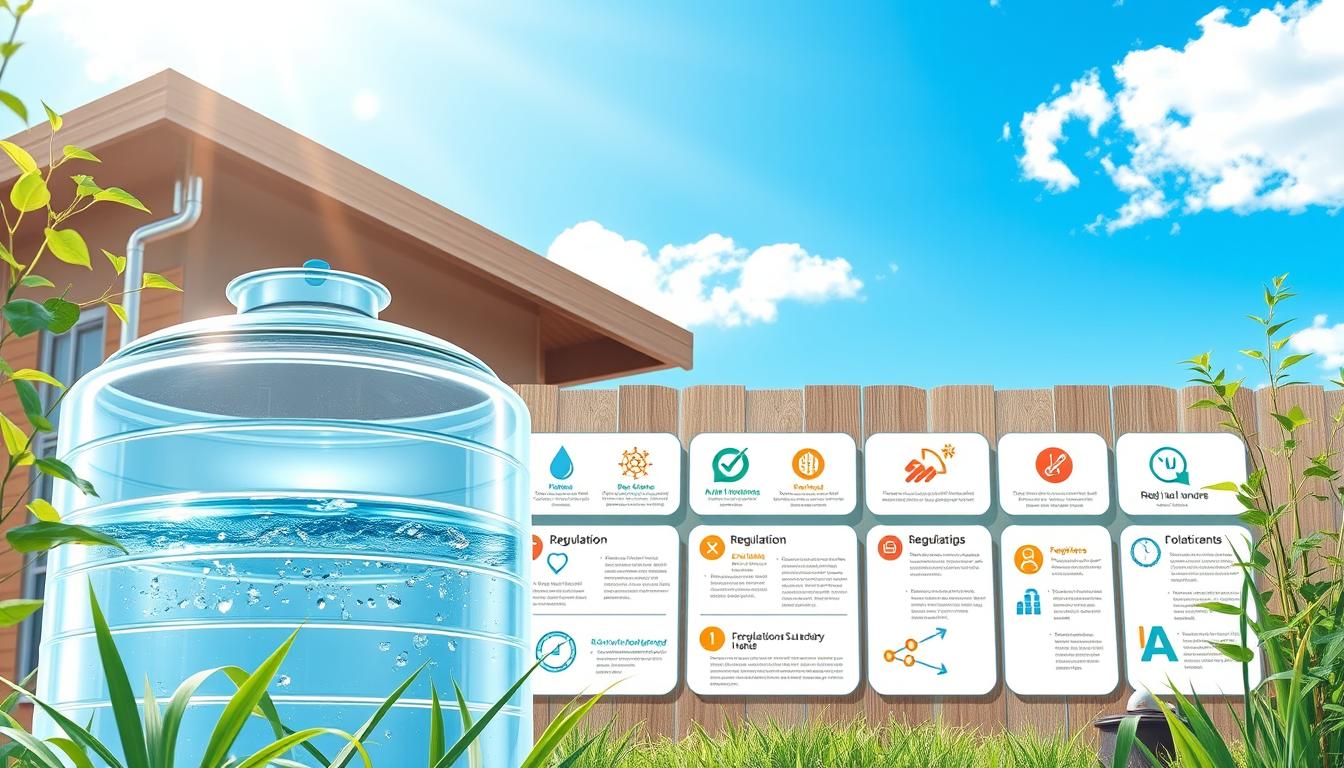
Rainwater systems need regular checks to work well. You should look at gutters, downspouts, and tanks often.
Key maintenance tasks include:
- Cleaning gutters and downspouts regularly.
- Inspecting storage tanks for damage or contamination.
- Checking for mosquito breeding sites and other issues.
Greywater Recycling Practices
Greywater recycling is great for using water again. It’s for sinks, showers, and washing machines. It’s good for gardens and toilets.
- Install greywater diversion systems to redirect wastewater.
- Use natural filtering methods to treat greywater.
- Apply greywater to appropriate areas, such as gardens or orchards.
Sustainable Food and Waste Management
Living off the grid means managing resources well. This includes food and waste. It’s about growing, saving, and using food wisely, and handling waste in a green way.
Garden Maintenance Schedules
Keeping a garden is key to growing food sustainably. A garden schedule helps keep your garden healthy and productive. It includes planting, watering, pruning, and harvesting at the right times.
By following this schedule, you can get more from your garden. This also helps cut down on waste.
Food Preservation Routines
Preserving food is important to enjoy your harvest all year. Methods like canning, freezing, and dehydrating keep your garden’s bounty fresh. Having a routine for preserving food ensures you always have healthy food on hand.
Composting and Zero-Waste Practices
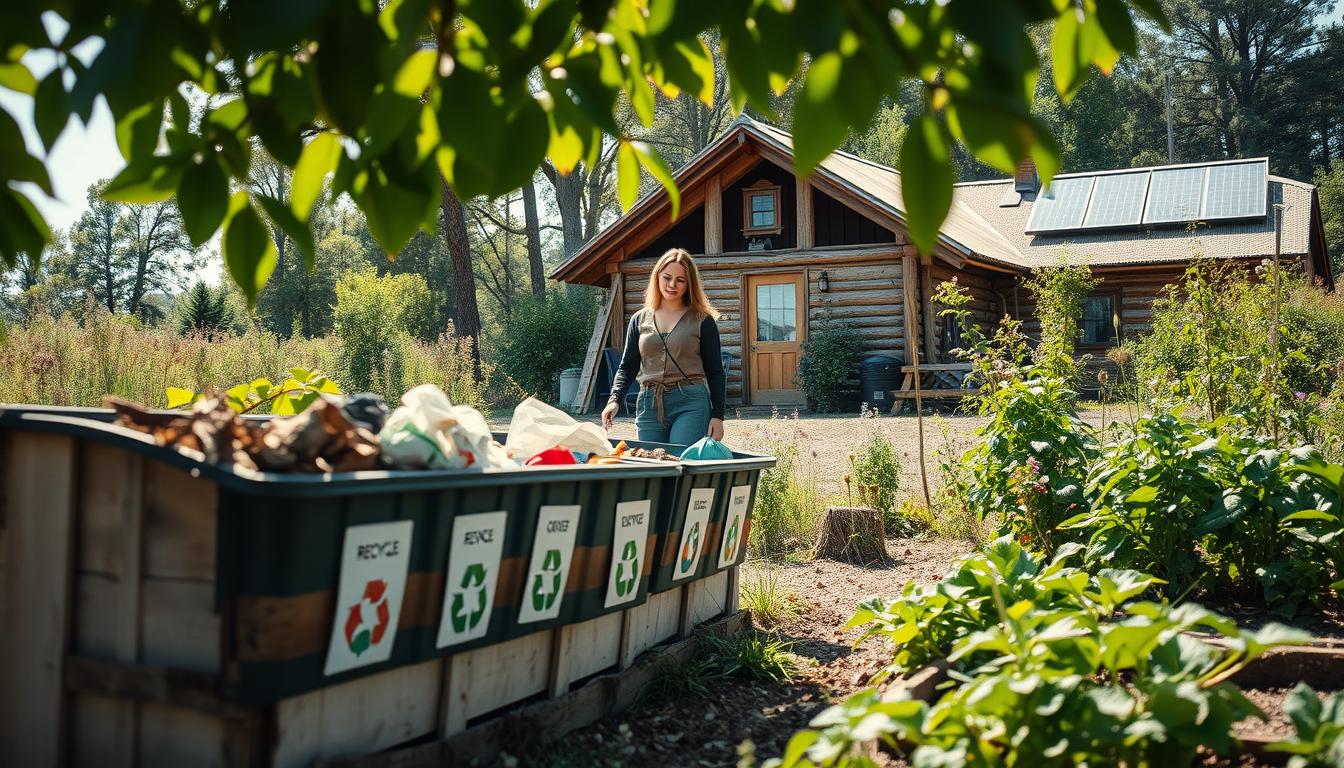
Composting and zero-waste practices are essential for a green off-grid life. Composting turns waste into garden food. Zero-waste helps cut down on landfill waste.
For more on managing waste off-grid, check out our guide on eco-friendly waste management. These steps can greatly lessen your environmental impact.
Daily Routines That Make Off Grid Home Life Easier
Creating daily routines is key for a better off-grid life. Simple habits and tech help keep a sustainable and self-sufficient lifestyle. For newbies, knowing these routines is super helpful.

Creating Checklists and Maintenance Schedules
Checklists and schedules are vital for off-grid success. A daily, weekly, and monthly plan keeps systems running right. Tasks like checking energy and water quality are part of it.
A daily checklist might include battery checks and solar array inspections.
Seasonal Routine Adjustments
Off-grid living means changing routines with the seasons. Winter might mean more energy use due to cold. Summer brings more sunlight for energy.
By changing routines with the seasons, you use resources better. A day in the life of an off-grid can show how to adapt.
Technology and Tools to Streamline Tasks
Technology is a big help in off-grid living. Tools like energy monitors and apps make tasks easier. They help track energy and water use and remind you of maintenance.
This makes daily tasks simpler and keeps your lifestyle eco-friendly.
Evening Routines for Off-Grid Efficiency
The evening is a time for off-grid folks to check their day and get ready for tomorrow. Good evening routines make living off-grid better and safer. They help you use energy wisely and keep your home secure.
Preparing for the Next Day
Getting ready for tomorrow is key in off-grid living. Look at the weather forecast to plan your energy use. Check your energy storage and plan big energy tasks. For more tips, see the Off-Grid Living Guide.
Energy Conservation After Sunset
It’s important to save energy after dark. Use LED lights and turn off big appliances. Switch to backup power when needed. These steps save energy and make your system last longer.
Home Security in Remote Locations
Keeping your home safe is very important, even more so in remote areas. Use security systems and bright outdoor lights to scare off intruders. Being active outside also helps keep your home safe. A secure home means peace of mind and protects your off-grid way of life.
| Evening Routine | Benefits | Tips for Implementation |
|---|---|---|
| Preparing for the Next Day | Enhanced energy efficiency, reduced waste | Check weather forecasts, review energy storage levels |
| Energy Conservation After Sunset | Maximized use of stored energy, prolonged system life | Use LED lighting, minimize high-energy appliance use |
| Home Security in Remote Locations | Increased safety, peace of mind | Install security systems, use outdoor lighting |
Conclusion
Daily routines are key to making off-grid living easier and more sustainable. Simple habits help people become more self-sufficient. This reduces their need for public utilities.
Living off-grid well needs planning, organization, and being adaptable. Daily routines that focus on saving energy, water, and growing food help. This way, people can face off-grid living challenges with confidence.
These daily routines lead to a more sustainable lifestyle. They also lower environmental impact and boost self-sufficiency. As we move towards sustainable living, off-grid homes offer a chance to manage resources and live in harmony with nature.
FAQ
What are the most important daily routines for off-grid living?
Key daily routines for off-grid living include managing energy, saving water, growing food, and handling waste. These habits help you live more independently.
How can I optimize my solar system’s performance?
To get the most from your solar system, clean the panels often. Also, watch how much energy you’re making and adjust the panels’ angles with the seasons. This boosts your energy output.
What are some effective ways to conserve water off the grid?
To save water off the grid, track how much you use each day. Use rainwater and recycle greywater. These steps cut down on waste and use resources wisely.
How can I maintain a sustainable food production system?
To keep a sustainable food system, have a garden plan and preserve food. Also, compost and reduce waste. This keeps food coming and cuts down on waste.
What are some tips for managing energy resources in the morning?
In the morning, do tasks that use a lot of energy when the sun is strongest. Keep an eye on your battery levels. Adjust your energy use to make the most of your solar power.
How can I ensure home security in a remote off-grid location?
To keep your home safe in a remote area, get a good security system. Keep your property safe and be aware of your surroundings. This keeps your home and mind safe.
What are some benefits of using technology and tools to streamline off-grid tasks?
Using tech and tools makes off-grid tasks easier. It cuts down on work and boosts life quality. For example, apps for energy tracking, automated irrigation, and smart home devices are helpful.
How can I adjust my daily routines seasonally to accommodate changing off-grid demands?
To adjust to seasonal changes, understand the needs of off-grid living. For example, you might need more energy in winter or save water in dry times. Change your routines to meet these needs.

Subscribe to Our Newsletter