Off-grid living is getting more popular. People want to be more independent and reduce their carbon footprint. But, you need to know the laws and regulations for off-grid living.
Thank you for reading this post, don't forget to subscribe!If you’re thinking about off-grid living, you must learn about local rules. This includes zoning laws and building codes. For example, a guide on living off-grid in Canada shows how important it is to know provincial and local laws. Knowing these laws helps you make a smooth move to off-grid living.
Key Takeaways
- Research local zoning laws and building codes before transitioning to off-grid living.
- Understand the regulations regarding renewable energy installations in your area.
- Ensure your off-grid home meets local building codes and safety standards.
- Verify the need for permits for off-grid energy and water/waste systems.
- Consult with local government offices to comply with all regulations.
The Reality of Off-Grid Living in America
Off-grid living in the United States is appealing but comes with rules. It means living without public utilities. People use solar power to be energy independent.
Defining Off-Grid Living vs. Temporary Camping
Off-grid living is different from temporary camping. It’s more permanent and self-sufficient. Temporary camping is short and simple, while off-grid living needs more setup.
Key differences include:
- Permanence of the dwelling
- Level of self-sufficiency
- Use of renewable energy sources
The Legal Framework Overview
The laws for off-grid living in America are complex. They come from federal, state, and local rules. Knowing these rules is key for legal off-grid living.
Why These Regulations Matter
These laws protect the environment and public safety. Following them keeps nature safe and prevents dangers.
Main reasons for compliance include:
- Environmental protection
- Public safety
- Avoiding legal repercussions
Camping Laws That Affect Off Grid Living
It’s key to know the camping laws for off-grid living. These laws change a lot in different places. They affect how legal and easy it is to live off the grid.
Dispersed Camping Regulations
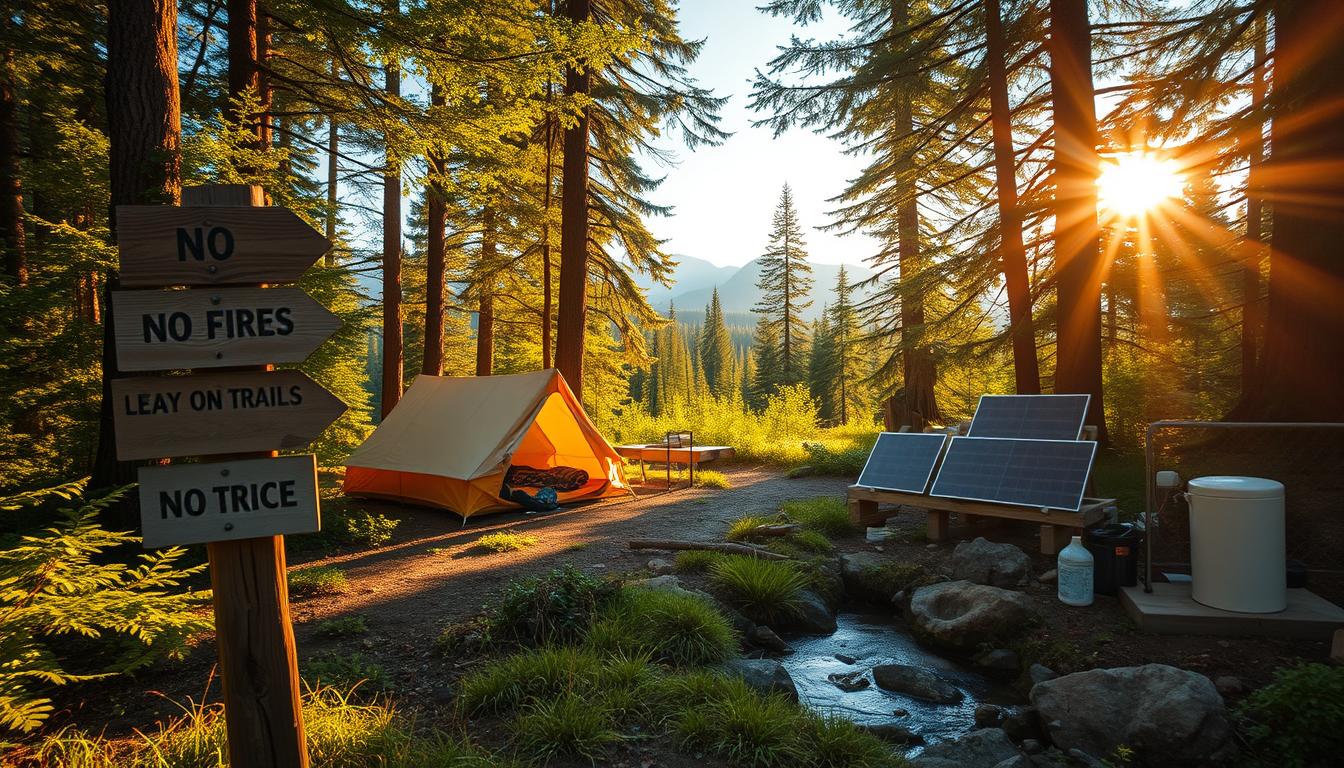
Dispersed camping means camping away from official sites. The rules for this vary by agency. For example, the Bureau of Land Management (BLM) lets you camp in many places. But, you can’t always camp close to roads or water.
Important things to remember: Know the rules for where you are. Respect private land. And think about how your camping affects the environment.
Length-of-Stay Limitations
How long you can stay in one spot is also a big deal. Most public lands have rules. You can usually stay from 14 to 30 days.
- These rules stop people from living long-term in places not meant for homes.
- They also make sure public lands are open for everyone.
Seasonal Restrictions
Seasonal rules help protect nature and campers. Some places close during wildfire season. Others are off-limits when animals are breeding.
Fire Bans and Restrictions
Fire bans happen a lot when it’s dry. These bans are key to stop wildfires. They protect landscapes and animal homes.
Wildlife Protection Zones
Some areas are for wildlife only. Humans can’t go there to protect animals. Knowing these zones is important for living off the grid right.

Following these camping laws helps you live off the grid. It also keeps the environment safe. And it shows respect for others who use the land.
Federal Land Management Policies
Federal land management policies shape off-grid living in the U.S. These policies, set by different federal agencies, control how public lands are used. This includes camping and off-grid living.
Bureau of Land Management (BLM) Rules
The BLM manages over 245 million acres of public land. This land is great for dispersed camping and off-grid living. The BLM’s camping regulations say you can camp on public lands. But, there are rules about how long you can stay and how to not harm the environment.
National Forest Service Regulations
The U.S. Forest Service looks after national forests. Dispersed camping is often allowed here. But, campers must follow rules, like no campfires and proper waste disposal, to keep these places beautiful.
National Park Service Restrictions
National parks have strict rules to protect their special resources. Some camping is allowed, but it’s closely watched. Off-grid living is usually not allowed in these areas.
Regional Differences in Enforcement
It’s important to know that these rules are enforced differently in different places. Local issues, like drought or too many visitors, can make rules stricter in some areas.
Knowing these federal land management policies is essential for off-grid living. By learning the rules for public lands, people can make smart choices about where and how to live off the grid.
State and Local Regulations Impacting Off-Grid Living
Off-grid living faces many rules from states and local areas. These rules change a lot across the U.S. It’s key to know these laws before choosing off-grid living.
Variance in State Camping Laws
State camping laws vary a lot. Some states are more open to off-grid living than others. For example, some allow camping on public lands, while others don’t.
County and Municipal Ordinances
Local rules also play a big role. They might control how you handle waste, collect water, and what kind of homes you can build. Some places need you to use public utilities, while others let you use different systems.
Zoning Restrictions
Zoning laws are very important. They decide how land can be used. Minimum dwelling requirements and utility connection mandates are common. These can make off-grid homes hard to build.
Minimum Dwelling Requirements
Some places have rules about the size of homes. They might say your home must be a certain size or meet certain building codes. This can make it hard to use tiny houses.
Utility Connection Mandates
In some areas, you must use public utilities like water and electricity. This can be tough for off-grid living. But, some places are more open to using alternative energy and septic systems.
| Regulation Type | Description | Impact on Off-Grid Living |
|---|---|---|
| State Camping Laws | Vary by state, some allow dispersed camping | Can be restrictive or permissive |
| County Ordinances | Regulate waste, water, and dwellings | May require public utility connections |
| Zoning Laws | Dictate land use, minimum dwelling size, and utility connections | Can limit off-grid options |
If you want to live off-grid in places like California, knowing the rules is very important. For more info, check out Bluettipower’s guide on living off-grid in.
Legal Pathways to Compliant Off-Grid Living
Living off the grid can be rewarding. But, you must know the legal steps to follow. It’s important to understand the rules.
Property Ownership Considerations
First, you need to know about property ownership. Look into land use rules and zoning laws for your area.
- Research local zoning laws and land use regulations.
- Understand the implications of property ownership on your off-grid lifestyle.
Building Code Compliance Strategies
Building codes are key for off-grid living. Here’s how to follow them:
- Learn about local building codes and rules.
- Make sure your off-grid homes meet these standards.

Water and Waste Management Requirements
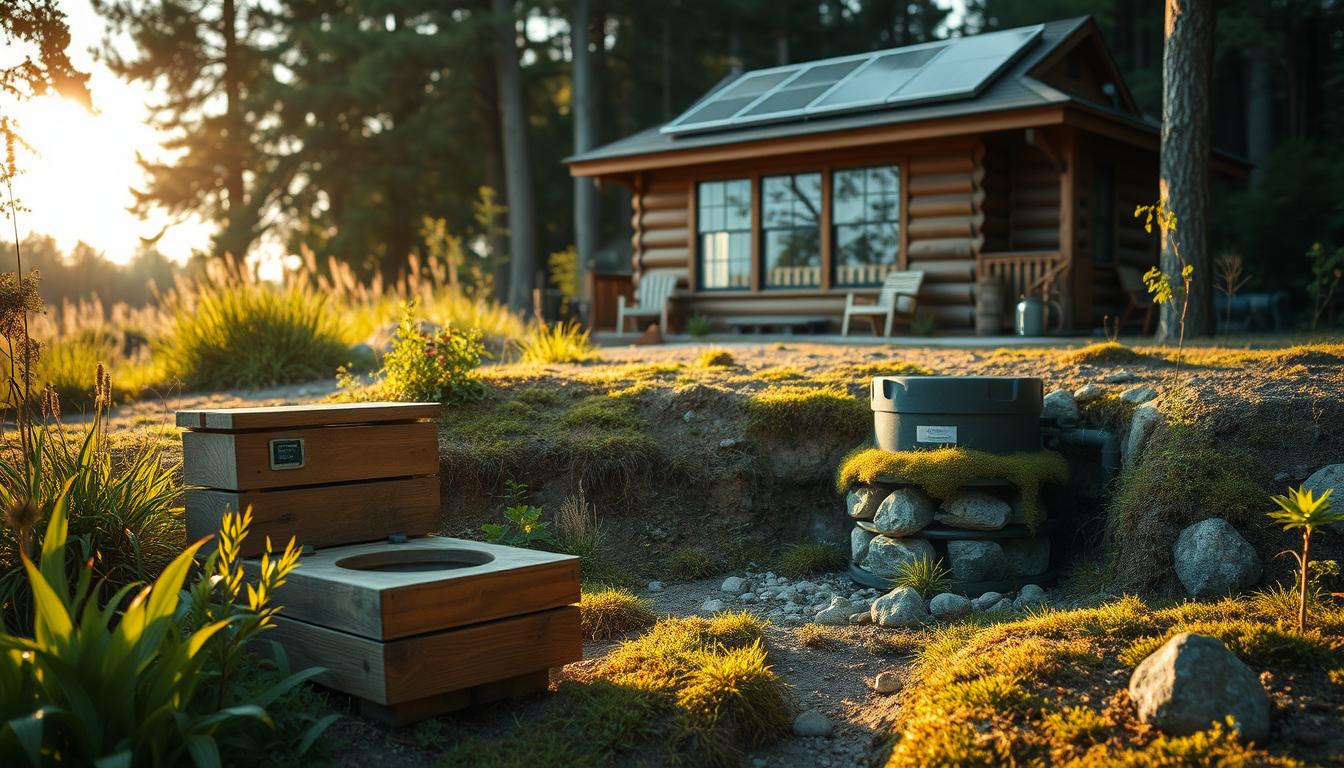
Good water and waste management are essential. You need to know how to collect, store, and dispose of water and waste.
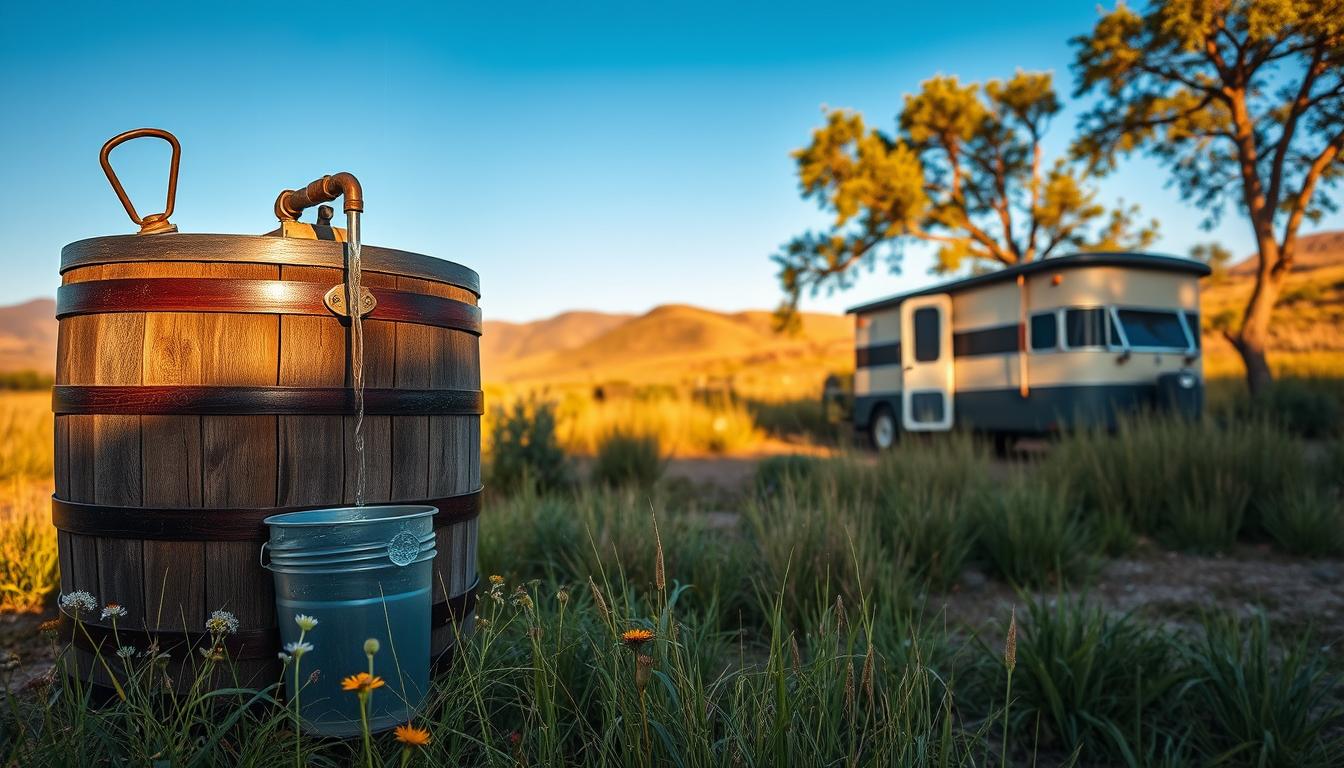
- Use sustainable ways to collect and store water.
- Plan how to manage waste according to local rules.
Alternative Legal Living Arrangements
If traditional off-grid living is hard, there are other options. These can help you live off the grid legally.
Intentional Communities
Intentional communities are a group effort. They share resources and tasks.
Recreational Vehicle Classification
Knowing how RVs are classified can help. It’s great for those who like to move around.
Key considerations include:
- Learn about the legal side of using RVs as homes.
- Find out about RV park and campsite rules.
Conclusion
Living off the grid is more than wanting freedom. It means knowing the rules that come with it. Remote Camping Rules and living off the grid laws change a lot from place to place.
To live off the grid right, you need to know the laws in your area. This includes zoning rules, building codes, and how to handle waste. Knowing these helps you follow the rules and stay out of trouble.
For a legal and lasting off-grid life, you must follow the rules. The article shows that different states have different rules for off-grid living. Some are easier to follow than others.
Knowing and following local laws is key for off-grid living. By understanding and following the rules, you can enjoy the perks of off-grid life safely.
FAQ
What is off-grid living, and how does it differ from temporary camping?
Off-grid living means living without public utilities like electricity and water. It’s different from camping because it’s permanent and self-sufficient. People use solar power and other renewable sources.
What are dispersed camping regulations, and how do they impact off-grid living?
Dispersed camping rules are for camping outside official campsites on public lands. These rules affect off-grid living by limiting where and how long you can stay. Some areas have rules about distance from roads and water sources.
What are the implications of length-of-stay limitations for off-grid living?
Length-of-stay limits say how long you can camp in one spot, usually 14 to 30 days. These limits can disrupt off-grid living by forcing you to move often. It can mess up your plans and lifestyle.
How do federal land management agencies regulate off-grid living on public lands?
Agencies like the BLM, National Forest Service, and National Park Service have rules for off-grid living. They control camping, fire use, and waste disposal on public lands.
What role do state and local regulations play in shaping off-grid living?
State and local rules, like zoning and building codes, shape off-grid living. They decide what’s allowed on private land and how homes must be built and kept.
How can property ownership considerations impact off-grid living?
Property rules, like zoning laws, can affect off-grid living. They decide if you can build or keep an off-grid home on your land.
What are the requirements for water and waste management in off-grid living?
Off-grid living needs alternative systems for water and waste. This includes septic systems and rainwater harvesting. These must meet local health and environmental rules.
Can recreational vehicles be considered a viable option for off-grid living?
Yes, RVs can work for off-grid living, for those who like to move around. But, there are rules about parking, hookups, and how long you can stay.
What are intentional communities, and how do they relate to off-grid living?
Intentional communities are planned places where people share goals and values. They often focus on sustainability. These communities support off-grid living with shared resources and knowledge.
How can one ensure compliance with building codes while living off-grid?
To follow building codes off-grid, know the local rules. Use approved materials and methods. Get the right permits and pass inspections.

Subscribe to Our Newsletter