The Bureau of Land Management (BLM) manages millions of acres of public land. It offers many chances for outdoor enthusiasts to camp. You can choose from developed campgrounds to dispersed camping.
Thank you for reading this post, don't forget to subscribe!It’s important to know the BLM camping rules for a fun and responsible camping trip. Each type of camping on BLM lands has its own guidelines. These rules help keep the natural environment safe.
Whether you plan to camp in a developed area or go dispersed camping, knowing the public lands camping rules is key. It lets you enjoy your trip more and reduce your impact on nature.
Key Takeaways
- Understand the different types of camping allowed on BLM lands.
- Familiarize yourself with the specific regulations for each type of camping.
- Know the guidelines for preserving the natural environment.
- Be aware of the rules regarding campfires and waste disposal.
- Understand the stay limits and any associated fees.
Understanding BLM Land and Camping Opportunities
BLM manages over 240 million acres of public land. This gives campers many places to explore. The Bureau of Land Management makes sure these lands are good for camping and other activities.
What is the Bureau of Land Management?
The Bureau of Land Management is a government agency. It manages America’s public lands. The BLM works to keep these lands healthy and available for future generations.
Types of BLM Camping Available
BLM lands offer two main camping types: developed campgrounds and dispersed camping areas.
Developed Campgrounds
Developed campgrounds have amenities like restrooms and picnic tables. They are great for those who want a more comfortable camping experience.
Dispersed Camping Areas
Dispersed camping areas are more rustic. They have fewer amenities. These areas are perfect for those who want a quiet, primitive camping experience.
Where to Find BLM Land for Camping
Finding BLM land for camping is easy. You can use online resources and visit local BLM offices.
Popular BLM Camping Regions
The American West is a top spot for BLM camping. It has vast public lands perfect for camping and outdoor fun.
Using BLM Maps and Resources
The BLM offers maps and guides to find camping spots. You can use online maps and visit local BLM offices for more information.
| Camping Type | Amenities | Ideal For |
|---|---|---|
| Developed Campgrounds | Restrooms, Potable Water, Picnic Tables | Families, Comfort Seekers |
| Dispersed Camping Areas | Minimal Amenities | Solo Campers, Adventure Seekers |
Essential BLM Camping Rules You Need to Know
Camping on BLM land has its own set of rules. These rules protect both you and the environment. Knowing them is key for a fun and legal camping trip.
Stay Limits and Occupancy Rules
The Bureau of Land Management sets a 14-day stay limit. This rule helps everyone enjoy these beautiful spots.
Vehicle and RV Regulations
BLM land has rules for vehicles and RVs. You must stay in designated campsites and follow vehicle rules.
| Vehicle Type | Restrictions |
|---|---|
| RVs and Trailers | Must be within designated campsites |
| Off-Highway Vehicles (OHVs) | Must follow specific OHV trail designations |
Campsite Setup Requirements
Setting up your campsite on BLM land has its own rules. These rules help protect the environment.
Distance Requirements from Roads and Water Sources
Campsites must be 100 feet away from roads and water. This keeps water clean and prevents erosion.
Site Selection Guidelines
Choose campsites that are tough and can handle your visit. Avoid places that are fragile or show signs of erosion.

Rule Enforcement and Penalties
Breaking BLM camping rules can lead to fines. For more info, visit the official BLM camping page.
Fire Safety and Environmental Regulations
Camping on BLM land means following fire safety and environmental rules. These rules help keep the land beautiful. It’s important for campers to know and follow these rules.
Campfire Regulations and Restrictions
Campfires are a big part of camping. But, they must be managed well. Always check for fire restrictions before starting a fire.
Fire Ban Seasons and Areas
Fire bans happen in certain times or places. Check the BLM website or call the local BLM office to see if there’s a ban. For more on dispersed camping, visit TripSavvy’s guide.
Proper Fire Ring Construction
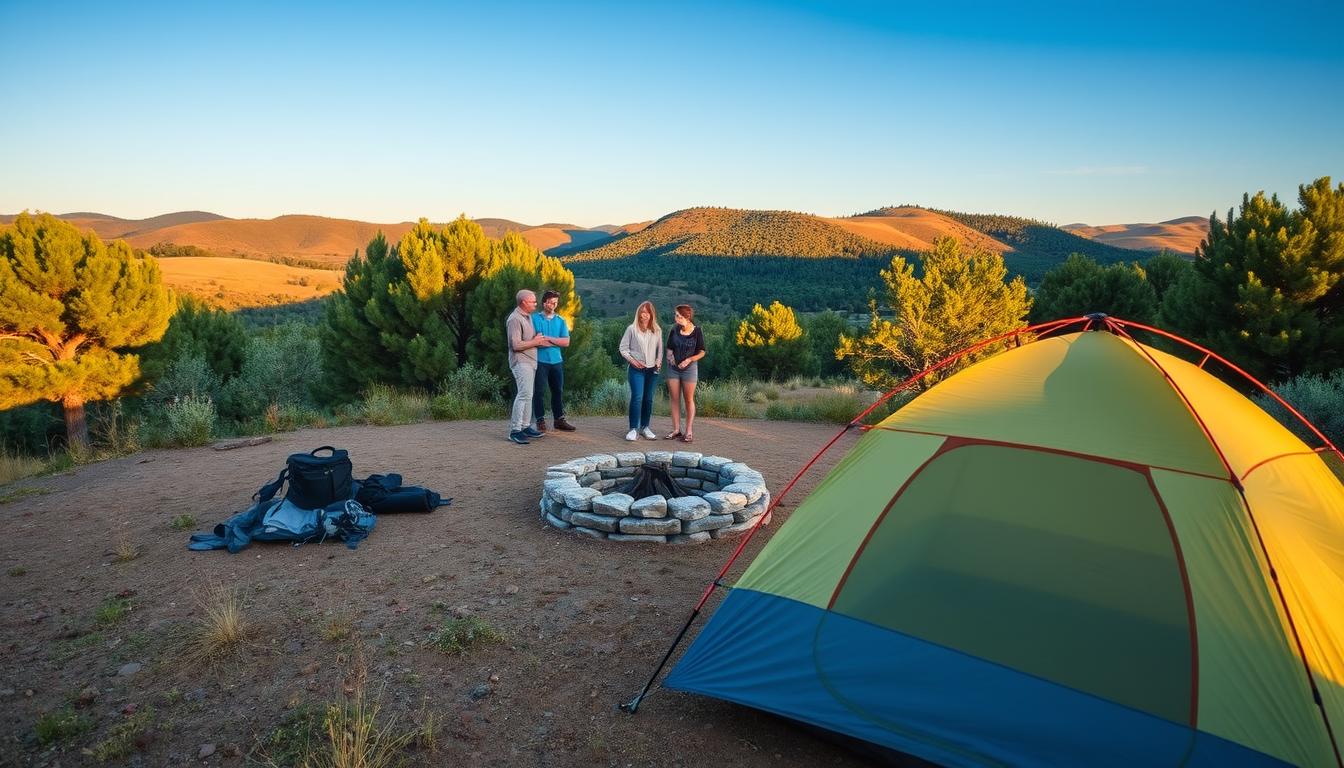
Building a proper fire ring is key. Use rocks or dig a fire pit. This keeps the fire in and protects the environment.
https://www.youtube.com/watch?v=8qVjk2wkLyQ
Waste Disposal and Leave No Trace Principles
Proper waste disposal is vital on BLM land. Follow Leave No Trace principles. This means taking all trash with you and reducing waste. It keeps the land beautiful for everyone.
Wildlife and Natural Resource Protection
Protecting wildlife and resources is important. Be aware of your surroundings. This helps keep the environment safe.
Plant Collection Rules
There are rules for collecting plants. Know these rules to avoid harming the ecosystem.
Wildlife Interaction Guidelines
When interacting with wildlife, keep a safe distance. Don’t feed animals. This protects both humans and animals.
Permits, Fees, and Practical Considerations
To have a great camping trip on BLM lands, you need to know about permits and fees. Knowing these details is important for a fun and easy trip.
When Permits Are Required for BLM Camping
Some BLM areas need permits for camping, like busy or sensitive spots. Check with local BLM offices to see if you need a permit. The BLM camping rules say permits are needed in places that are very used or need extra care.
Understanding Fee Areas vs. Free Camping
The BLM has both fee and free camping spots. Fee areas have more things like picnic tables and water. But, free areas might have less. Knowing about public lands camping rules on fees helps avoid surprises.
Seasonal Closures and Weather Considerations
Be aware of areas closed for weather, wildlife, or maintenance. Check the BLM website or call local offices for updates. Knowing about camping on BLM land regulations helps plan a safe trip.
Connectivity and Technology Tips
Staying connected while camping is useful. Use apps for finding campsites and checking the weather. But, cell service might be weak in remote places. Knowing how to use tech is part of following permits for BLM camping rules.
| Camping Type | Permit Requirement | Fee Structure |
|---|---|---|
| Dispersed Camping | Usually not required | Often free |
| Developed Campgrounds | May be required | Fees apply for amenities |
| Special Events or Areas | Required | Fees vary based on event or area |

Conclusion
Camping on Bureau of Land Management (BLM) lands is a special way to connect with nature. By knowing and following BLM camping rules, campers can have a safe and fun time. They also help keep the natural world beautiful.
It’s important to follow BLM camping rules to keep public lands looking great. This means respecting how long you can stay, following vehicle rules, and taking care of the environment. Knowing and following these rules helps avoid fines.
By understanding BLM Camping Rules You Need to Know, campers can protect the environment. This is true whether you’re an experienced camper or new to it. Following these guidelines is key for camping responsibly on public lands.
FAQ
What is the maximum stay limit for camping on BLM land?
The stay limit on BLM land changes by place. It’s usually 7 to 14 days in a 30-day span.
Are there any restrictions on vehicle and RV size for BLM camping?
Yes, some places have size limits for vehicles and RVs. Always check the rules for where you’re going.
Do I need a permit to camp on BLM land?
It depends on where you are and how you camp. Some places need a permit, while others don’t.
What are the Leave No Trace principles, and why are they important for BLM camping?
Leave No Trace is about not harming the environment. It means throwing away trash right, not disturbing animals, and keeping the site clean.
Can I have a campfire on BLM land, and are there any restrictions?
You can have campfires on BLM land, but only when it’s safe. Always check fire rules and follow them.
How do I find BLM land for camping, and what resources are available?
Visit the BLM website or use online maps to find camping spots. You can also ask local BLM offices for help.
Are there any fees associated with camping on BLM land?
Some spots charge a fee, while others are free. Paid areas usually have more amenities like restrooms and water.
What are the consequences of not following BLM camping regulations?
Breaking the rules can lead to fines, penalties, or even arrest. It’s important to know and follow the rules for a good camping trip.
Can I stay connected with technology while camping on BLM land?
Yes, many campsites have cell service, and some offer Wi-Fi. But, be ready for spotty connections in remote spots.

Subscribe to Our Newsletter