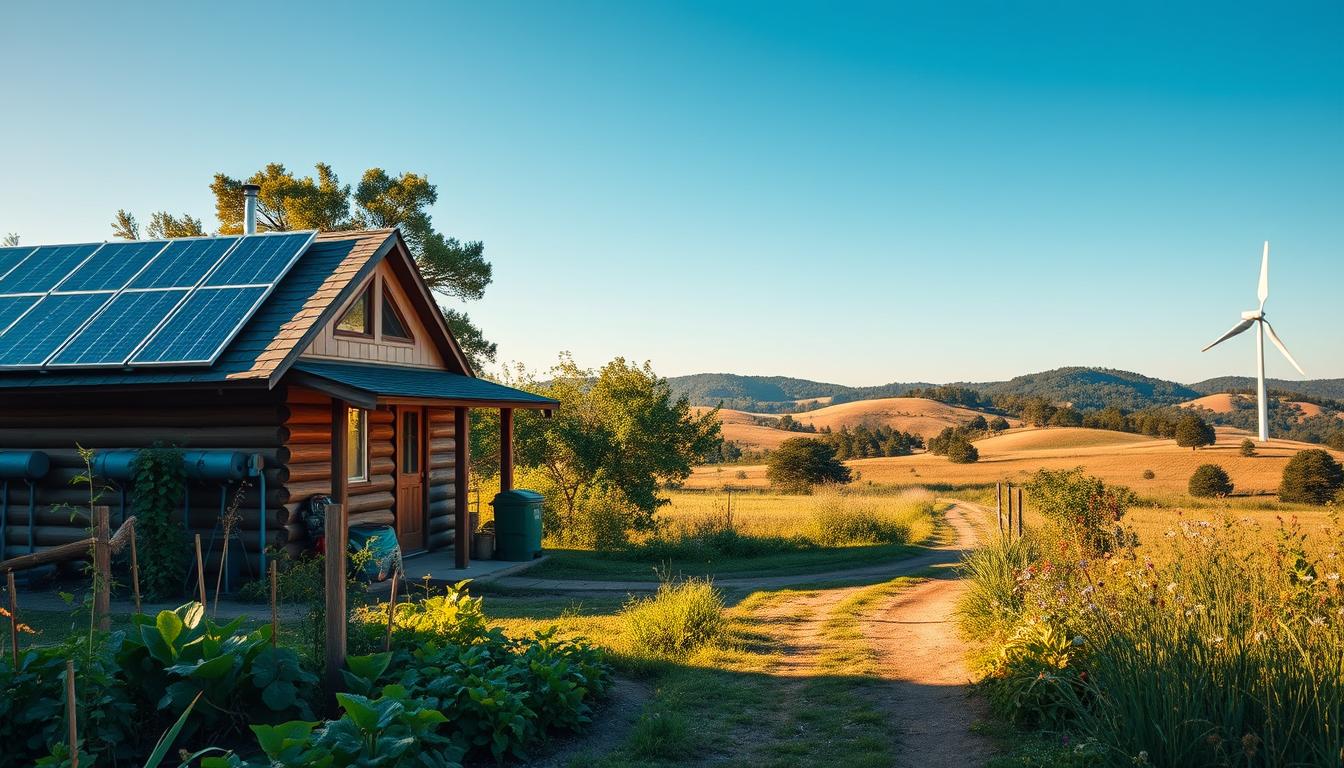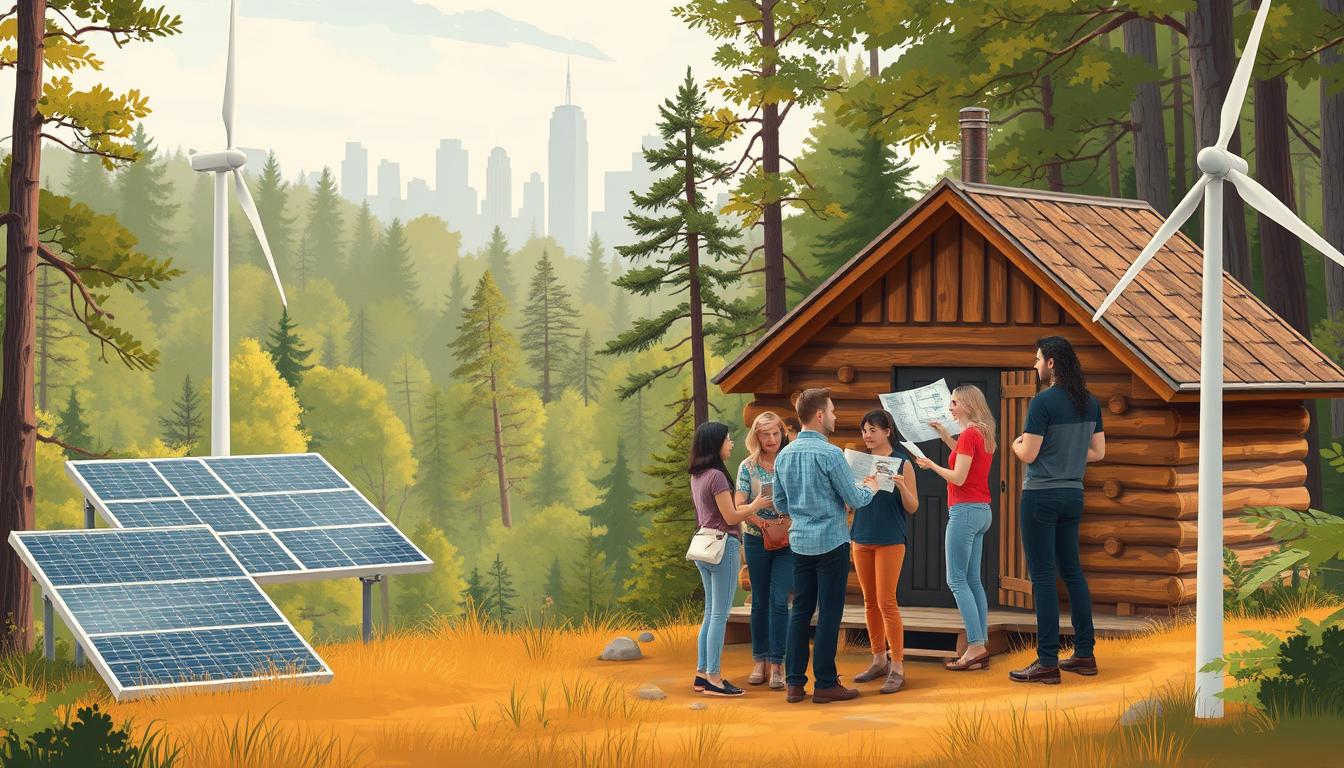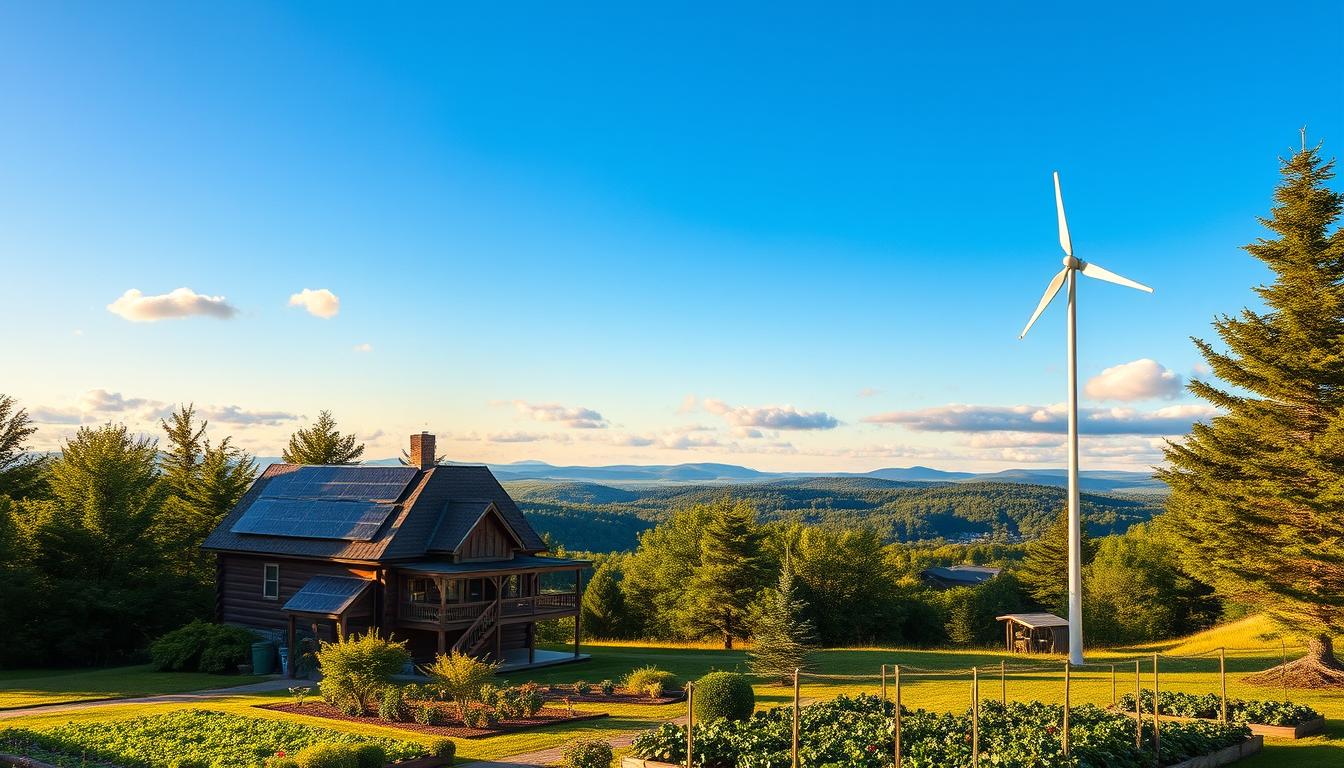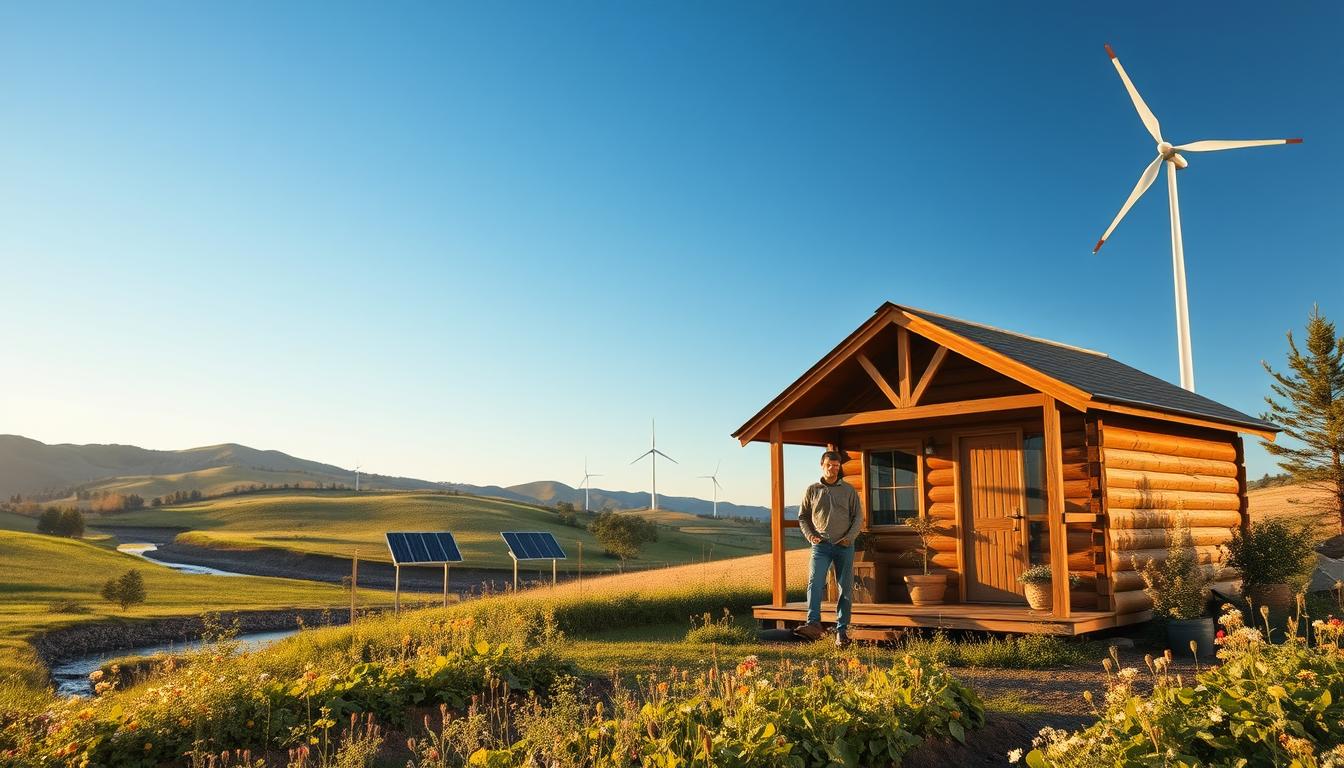
Off-grid living is getting more popular. People want to live on their own terms, away from public utilities. They choose renewable energy instead.
Thank you for reading this post, don't forget to subscribe!Affordable land is key for off-grid living. The best place should have cheap land, good weather, and rules that help off-grid living.
This article will look at the top states. They offer the perfect mix of affordability, climate, and rules for off-grid living.
Key Takeaways
- Top states for off-grid living with affordable land
- Favorable climates for renewable energy sources
- Regulations supporting off-grid lifestyles
- Essential factors to consider when choosing a location
- Benefits of off-grid living in the United States
What Off-Grid Living Really Means Today
Off-grid living today means many things. It’s about using less public utilities and more personal freedom. People choose it for sustainable living and homesteading opportunities to live on their own.
https://www.youtube.com/watch?v=VIg3Zp1zrQ0
Modern Definition of Self-Sufficiency
Being self-sufficient means making your own energy, saving water, and growing food. It’s about living without public services but staying comfortable and green.
Why Americans Are Choosing to Go Off-Grid
Many Americans want to live off-grid to save money and help the planet. They also want to be more independent. A report on America’s best and worst states for off-grid living shows why.
Economic Benefits of Off-Grid Homesteading
Off-grid homesteading saves money and can make your property more valuable. Some benefits are:
- Lower energy costs with green systems
- Higher property value with green upgrades
- Chance to sell extra energy back to the grid
Critical Factors for Selecting Your Off-Grid Property
Starting an off-grid life means carefully checking out properties. You need to look at several important things. These will affect your life and how well your home works.
Climate Considerations and Growing Seasons
The weather where you live is key for growing food and collecting water. Places with very bad weather might need special setups. Think about how long you can grow crops and what you can grow.
Water Resources and Accessibility
Having clean water is a must for off-grid living. Look at if there’s natural water nearby, like rivers or springs. Also, think about getting water from wells or rain collection.

Local Building Regulations and Restrictions
It’s important to know the local building rules and zoning laws. This helps you avoid legal problems and make sure your home meets standards. Check what kinds of buildings are allowed and what permits you need.
Property Taxes and Cost of Living
The price of land and property taxes can change a lot based on where you are. Think about the cost to buy the land and what you’ll pay later, like taxes and insurance. This helps make sure you can afford your off-grid life.
Distance to Essential Services
Even though you might live far off, it’s good to be close to important places. Like hospitals, stores, and emergency services. Think about how far you want to be from these to find the best spot for you.
Best States for Off Grid Living With Cheap Land
Many U.S. states are great for off-grid living. They offer cheap land and good places to live off the grid. These places have many benefits, like affordable land and strong off-grid communities.
Missouri: Affordable Ozarks and Lenient Building Codes
Missouri is known for its affordable Ozark regions. The land is cheap, and the area is beautiful. The state also has easy building codes, helping off-grid homes go up fast.
Tennessee: Year-Round Growing and Abundant Rainfall
Tennessee has a great climate for growing all year. It has mild winters and lots of rain. This makes Tennessee a top pick for off-grid living.
Arizona: Solar Power and Cheap Desert Land
Arizona is perfect for solar power. It’s great for off-grid homes. The desert land is also cheap, drawing people to self-sufficient living.
Michigan: Lots of Water and Timber
Michigan has plenty of fresh water and timber. It’s a top spot for off-grid living. The lakes and forests are perfect for sustainable living.
Texas: Independent Counties and Diverse Landscapes
Texas is famous for its independent counties. Some have easy rules for off-grid homes. The state’s varied landscapes offer many choices for self-sufficiency.
Maine: Wilderness and Homesteading
Maine has lots of wilderness and a strong homesteading tradition. It’s a dream spot for off-grid fans. The rugged land and few people make it ideal.
Idaho: Self-Reliance and Cheap Land
Idaho is all about self-reliance, mainly in rural areas. The north has cheap land and natural beauty. It’s perfect for off-grid living.
These states offer great deals, natural resources, and rules that help off-grid living. Think about climate, water, and laws when picking a place. This will help you live off the grid well.
Navigating Legal Challenges of Off-Grid Properties
Living off the grid means dealing with legal issues. It’s important to know the laws about these properties. This helps you live more independently.
Decoding County Zoning Regulations
County zoning rules affect how you can use your off-grid land. They decide what you can build and do there.
- Zoning classifications: Find out if your land is for farming, homes, or other uses.
- Building codes: Learn about local building rules that might affect your construction.
- Setback requirements: Know how far buildings must be from property lines.
Septic and Waste Management Requirements
Managing waste is key for off-grid living. Rules for septic systems differ by area.
- Septic system design: Make sure your system meets health standards.
- Waste disposal: Know the rules for throwing away waste, including recycling.
Alternative Energy System Permits
Many off-grid homes use solar or wind power. But, you need permits for these systems.
- Permit applications: Fill out detailed forms with your plans.
- Inspections: Get ready for checks to make sure you follow the rules.
Water Catchment and Well Drilling Laws
Having clean water is essential for off-grid living. Laws about water collection and wells vary a lot.
| Regulation | Description | Typical Requirements |
|---|---|---|
| Water Catchment | Systems for collecting and storing rainwater. | Permits, regular inspections |
| Well Drilling | Rules for drilling wells. | Licensed drillers, water quality tests |
Knowing and following these laws helps you own off-grid land successfully. It lets you live sustainably and independently.
Sustainable Practices for Successful Off-Grid Living
Sustainable living is key for off-grid homesteads. It means living in a way that’s good for the planet. This includes many practices that help us live off the grid and protect the environment.
Renewable Energy Systems for Different Climates
Renewable energy is essential for off-grid living. Solar panels work best in sunny places. Wind turbines are good for areas with steady winds. And micro-hydroelectric systems are perfect for places with lots of water.
Water Conservation and Collection Methods
Good water management is about saving and collecting water. We use rainwater harvesting and low-flow appliances. These help us use less water.

Year-Round Food Production Strategies
To grow food all year, off-grid folks use permaculture and seasonal extension techniques. This includes cold frames and greenhouses. For more tips, check out our guide on off-grid living in the Western US.
Waste Management and Recycling Solutions
Managing waste well means using composting toilets and recycling programs. These methods cut down on waste. They also turn waste into useful resources for our homes.
Finding and Purchasing Affordable Land
The journey to off-grid living starts with finding affordable land. This step needs careful planning and research. You might also need expert help.
Working with Rural Land Specialists
Rural land specialists offer great insights into the local market. They help find the best land for off-grid living. They also guide you through land deals and point out any property issues.
Financing Options for Undeveloped Properties
Getting a loan for undeveloped land is tough. But, there are ways to get help. You can look into owner financing, land loans, or government programs for rural areas. For more info, check out https://www.landsearch.com/blog/where-buy-cheapest-land-united-states.
Essential Due Diligence Steps
- Do deep research on the property’s history and zoning.
- Check the land’s natural resources like water and soil.
- Look for any environmental hazards or legal problems.
Negotiating Land Purchases in Remote Areas
Negotiating land in remote areas needs local market knowledge. You must know the land’s real value. Being ready to act fast and knowing your budget is key.
Hidden Costs and Budget Planning
There are hidden costs when buying land. Think about survey fees, legal costs, and environmental cleanup. Planning your budget well helps avoid surprises.
[link-whisper-related-posts]Conclusion
Off-grid living is a path to a self-sufficient lifestyle. Choosing the right state is key for success. Missouri, Tennessee, and Arizona are great because they have affordable land and good conditions.
When picking off-grid properties, look at climate, water, and local rules. These states have what you need for a thriving off-grid community.
Using renewable energy and saving water is important for off-grid living. It helps you live in a way that’s good for the planet.
Think about off-grid living in the states we suggested. With good planning and a focus on sustainability, you can join a community that values this lifestyle.
FAQ
What are the most important factors to consider when choosing a state for off-grid living?
When picking a state for off-grid living, think about the climate and water availability. Also, consider local building codes, property taxes, and how far it is to healthcare and grocery stores.
What are some of the best states for off-grid living with affordable land?
Missouri, Tennessee, Arizona, Michigan, Texas, Maine, and Idaho are great for off-grid living. They offer cheap land, easy building rules, and lots of natural resources.
How can I navigate the legal challenges associated with off-grid properties?
To deal with legal issues, learn about county zoning and septic rules. Also, know the laws on alternative energy and water collection. Talking to local experts and lawyers can help a lot.
What sustainable practices are essential for successful off-grid living?
For off-grid living, use renewable energy and save water by collecting and using it wisely. Grow food all year and manage waste by recycling and composting.
How can I find and purchase affordable land for off-grid living?
To find cheap land, work with rural land experts. Look into financing options for raw land. Do your homework to avoid surprises, like checking local rules and the land’s natural features.
What are some common mistakes to avoid when purchasing off-grid land?
Don’t skip researching local zoning and underestimate infrastructure costs. Also, don’t ignore the land’s environment, like water and soil quality.
Can I finance an off-grid property with a traditional mortgage?
Getting a mortgage for off-grid land can be tough. Traditional mortgages might not work for undeveloped land. Look into land loans or owner financing instead.
How can I ensure a reliable water supply for my off-grid property?
To get a steady water supply, think about drilling a well or using a rainwater system. Make sure your water source is safe and well-maintained.

Subscribe to Our Newsletter