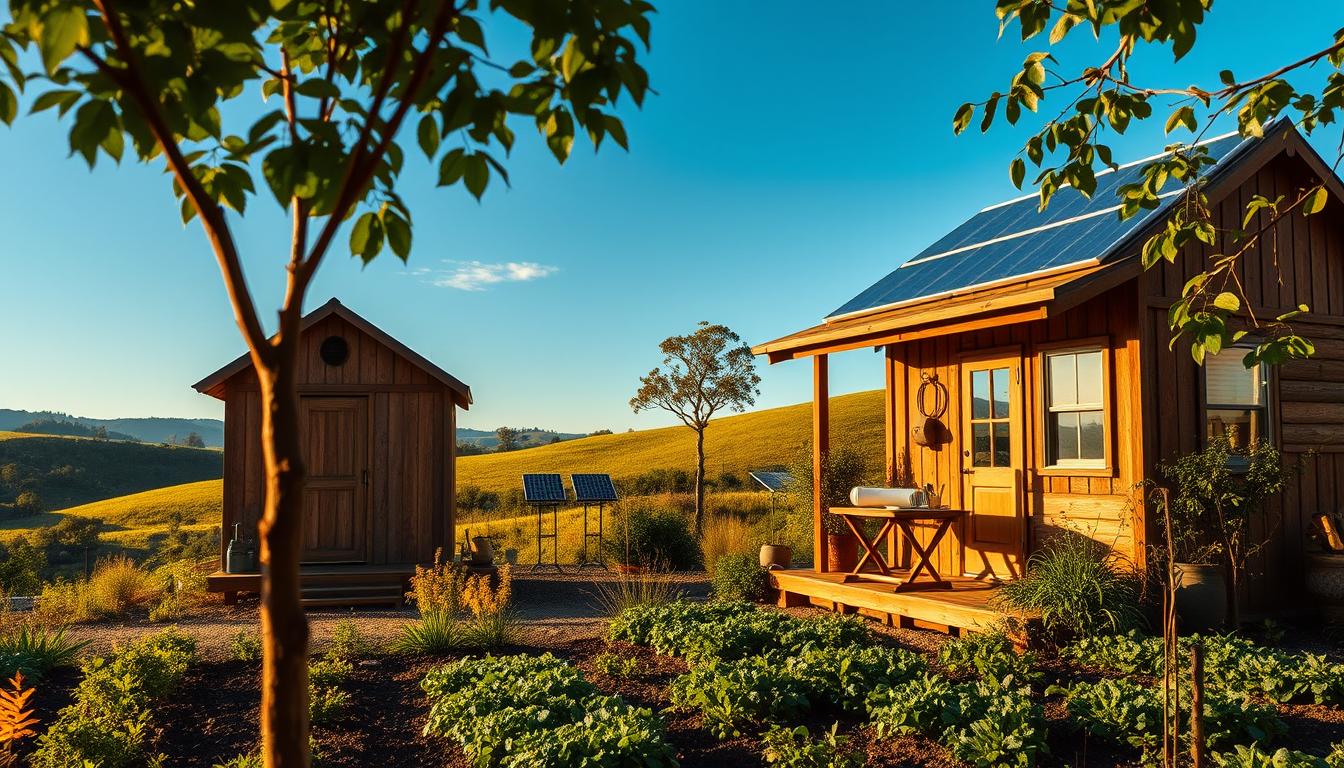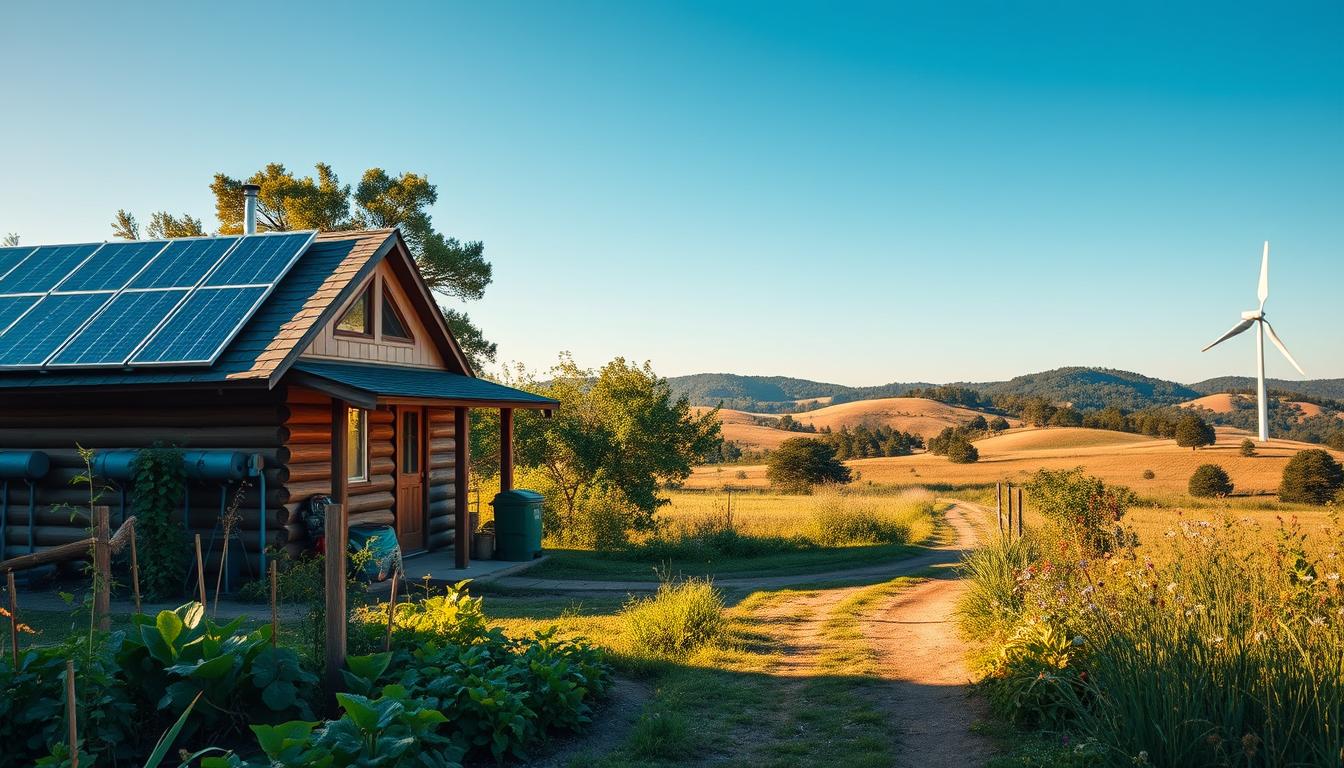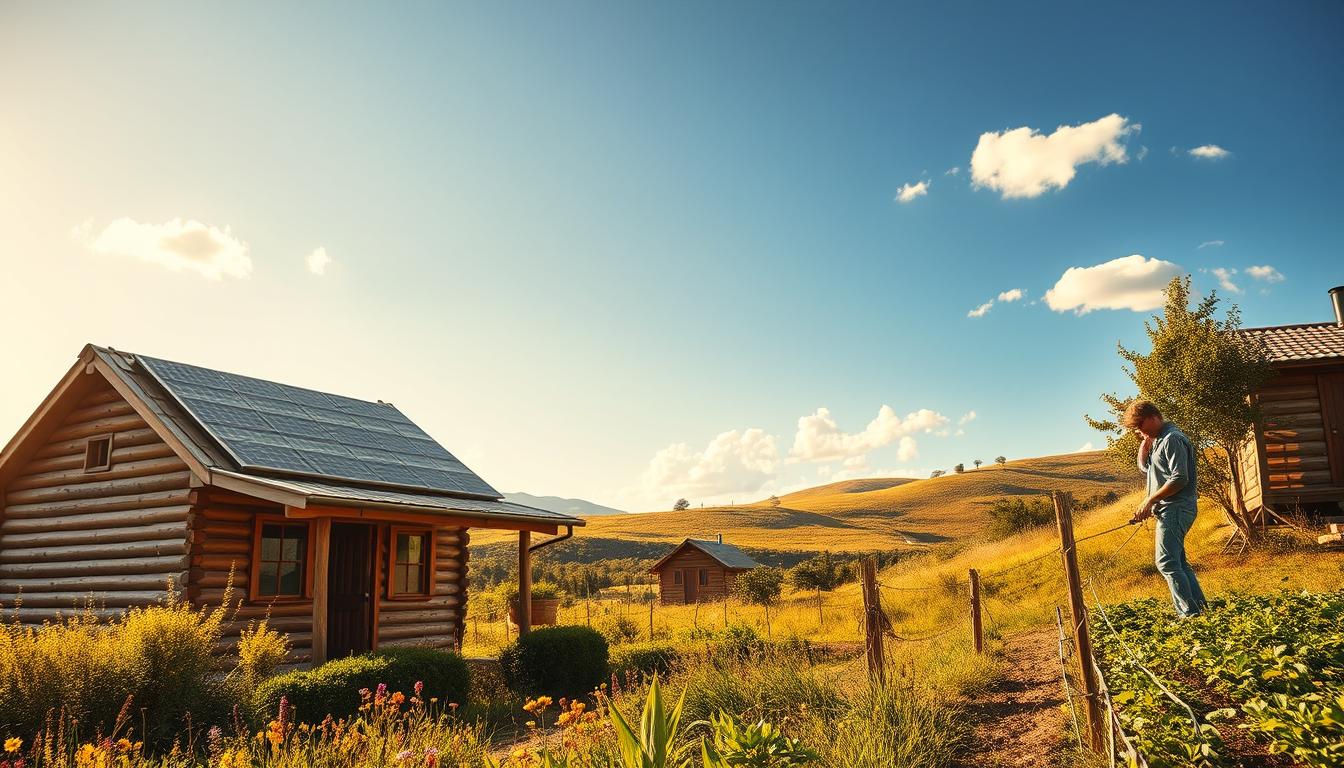
Off-grid living is getting more popular. People want to live more self-sufficiently and sustainably. Warm places are perfect for this, with lots of sunlight and mild winters.
Thank you for reading this post, don't forget to subscribe!Places like New Mexico, Texas, and Arizona are great for off-grid living. They have warm weather and good rules. A study on off-grid living states shows these areas are top picks.
Key Takeaways
- Warm climates are ideal for off-grid living due to abundant sunlight and mild winters.
- States like New Mexico, Texas, and Arizona have favorable regulations for off-grid living.
- Climate, regulations, and available resources are key factors to consider for off-grid living.
- Off-grid living allows for a more self-sufficient and sustainable lifestyle.
- Abundant sunlight is key for solar power.
What Makes Warm Climates Ideal for Off-Grid Living
Warm climates are great for off-grid living. They have natural resources that help us live without public utilities. This makes them perfect for a self-sufficient lifestyle.
Extended Growing Seasons
Warm climates have long growing seasons. This means you can grow food all year. You can grow many crops, making your food supply strong and less dependent on others.
Reduced Heating Costs
Warm climates need less heating. This lowers your energy costs. For off-grid living, saving energy is key.
Solar Energy
Warm climates get lots of sunlight. This is great for using solar energy. With solar panels, you can make enough power for your needs.
Places like the southern United States are warm. They offer these benefits. This makes them great for off-grid living.
Key Factors to Consider When Choosing a Warm Climate State
Choosing a warm climate for off-grid living needs careful thought. It’s important to pick a place that supports a sustainable lifestyle. The right location can make a big difference.
Legal Regulations and Building Codes
It’s key to know the local laws and building codes. Some places are more open to off-grid living than others. Others might have strict rules that could affect your project.
For example, some areas might need you to connect to the grid. Or they might have special construction rules.
Water Rights and Availability
Having access to water is essential. It’s important to check the water laws and availability, more so in dry areas. Places with clear water laws offer more security for off-grid living.

Land Affordability and Property Taxes
The cost of land and property taxes matter a lot. States with lower taxes and affordable land help make off-grid living more sustainable.
Natural Disaster Risk Assessment
Warm climate states face risks like hurricanes or wildfires. It’s important to know the risks and have plans to deal with them. This keeps off-grid communities safe and strong.
Community and Resources Access
Being part of a community and having access to resources makes off-grid living better. Being close to towns or cities with amenities is also helpful.
Arizona: Desert Self-Sufficiency Haven
Arizona is a top spot for off-grid fans because of its great weather and rules. It’s easy to use alternative energy and collect rainwater here. This makes it perfect for those wanting to live off the grid.
Regulatory Environment for Off-Gridders
Arizona’s rules are good for off-grid projects. The state supports renewable energy adoption and gives perks for solar setups. This helps grow off-grid communities.
Climate Considerations and Challenges
The desert climate in Arizona has its ups and downs for off-grid folks. The sun is great for solar power, but managing water is tough.
Land Availability and Cost Analysis
Arizona has lots of land for off-grid living, from cheap rural spots to pricier ones with extras. Here’s a look at land prices in different parts of Arizona.
| Region | Average Land Price per Acre | Typical Land Features |
|---|---|---|
| Southern Arizona | $1,500 – $3,000 | Desert landscapes, great for solar farming |
| Northern Arizona | $2,000 – $4,000 | Mountainous terrain, forests |
Water Solutions in Arid Conditions
Arizona’s dry climate means finding new ways to get water is key. Using rainwater harvesting and greywater recycling helps save water. For more info on off-grid living, check out Top 10 States for Living Off-Grid.
Notable Off-Grid Communities
Arizona has many off-grid communities that show how to live green. They use solar power, grow food organically, and build eco-friendly homes. These places are great examples of off-grid living in the desert.
Texas: Independence and Wide Open Spaces
Texas is great for those who want to live off the grid. It has lots of space and few rules. The state’s wide rural areas, varied weather, and chance for freedom are big draws.
Minimal Restrictions in Rural Areas
Texas has few rules in the countryside. This lets off-grid folks live how they want, without a lot of red tape. For more info on off-grid living in Texas, check out https://knue.com/living-off-grid-texas/.
Climate Diversity Across Regions
The weather in Texas changes a lot from place to place. You can find everything from dry deserts to wetter climates. This means you can pick the best spot for your off-grid life.

Affordable Land Opportunities
Texas has lots of cheap land for sale. This makes it easy to find a place to live off the grid. The state’s big size and different landscapes add to its charm for those wanting to be self-sufficient.
Water Resource Management
Managing water is key for off-grid living in Texas. People use rainwater collection and smart irrigation to save this vital resource.
Established Off-Grid Networks
Texas has strong off-grid communities. There are solar cooperatives and groups focused on green living. These groups offer support and help for those living off the grid.
Texas’s mix of freedom, varied weather, and off-grid resources makes it a top choice for a self-sufficient lifestyle.
Best States for Off Grid Living in Warm Climates: Southern Options
The Southern United States is perfect for off-grid living in warm climates. It has many different environments and climates. These are great for a self-sufficient lifestyle.
Florida: Tropical Possibilities and Challenges
Florida’s tropical climate is great for off-grid living. It has lots of rain and a long growing season. But, you must think about the challenges of hurricanes and subtropical weather.
Tennessee: Mild Climate with Four Seasons
Tennessee has a mild climate with four seasons. This means you can try different ways of off-grid living. The state’s rural areas are perfect for gardening and using renewable energy.
North Carolina: Mountain and Coastal Options
North Carolina has mountains and coastal plains. This variety lets off-grid residents pick their environment. Each place has its own challenges and chances.
Georgia: Affordable Rural Land with Ample Rainfall
Georgia has affordable rural land and lots of rain. It’s a great place for off-grid living. The state’s mild climate and fertile soil are good for farming.
| State | Climate | Land Cost | Rainfall |
|---|---|---|---|
| Florida | Tropical | Moderate | High |
| Tennessee | Temperate | Low | Moderate |
| North Carolina | Varied | Moderate | Moderate |
| Georgia | Mild | Low | High |
In conclusion, the Southern states are full of chances for off-grid living. Each place has its own benefits and challenges. Think about climate, land cost, and rainfall to pick the best spot for your off-grid life.
Western States for Off-Grid Sustainability
The Western states lead in off-grid living. They have great climates and landscapes for alternative lifestyles. This makes them perfect for those wanting to live off the grid.
New Mexico: Solar Power and Cultural Acceptance
New Mexico is great for off-grid living. It has lots of sun for solar power. The culture here also welcomes off-grid living.
Key advantages of New Mexico include:
- High solar power for renewable energy
- Cultural acceptance of off-grid lifestyles
- Growing community of off-grid enthusiasts
Southern California: Ideal Climate with Regulatory Challenges
Southern California has a perfect climate for off-grid living. It has mild winters and lots of sun. But, there are rules that can make it hard to live off the grid here.
Nevada: Land Abundance with Water Considerations
Nevada has lots of land, making it great for off-grid living. But, water is a big issue. Some areas are very dry. Off-grid folks need to be careful with their water.
In conclusion, the Western states are full of chances for off-grid living. From New Mexico’s sun to Nevada’s land, each state has its own perks and challenges. Knowing these can help people choose the best place for their off-grid life.
Essential Systems for Warm Climate Off-Grid Success
Living off-grid in warm climates needs key systems. You must have the right setup for energy, water, and food.
Solar Power Solutions
Solar power is key for off-grid living in warm climates. Reliable solar energy comes from good planning and the right tools.
Panel Requirements for Different Regions
The number of solar panels needed changes with the region. Areas with lots of sun need fewer panels. Places with more clouds need more.
Battery Storage Considerations
Efficient battery storage is vital. It stores extra energy for when the sun isn’t out.
Water Collection and Conservation
Good water management is key in warm climates. Rainwater harvesting systems and greywater recycling help save water.
Rainwater Harvesting Systems
Rainwater harvesting collects and stores rainwater. It helps reduce the need for outside water.
Greywater Recycling
Greywater recycling uses water from sinks and showers for plants and toilets.
Sustainable Food Production
Producing food sustainably is important for off-grid living. This includes year-round growing and picking heat-tolerant crops.
Year-Round Growing Strategies
Greenhouse gardening and crop rotation help grow food all year.
Heat-Tolerant Crop Selection
Picking crops that do well in heat ensures food all year.
[link-whisper-related-posts]Conclusion
Off-grid living in warm climates is a chance for self-sufficiency and sustainability. With careful planning and the right knowledge, people can thrive.
Places like California, Arizona, and Florida are great for off-grid living because of their good weather. It’s key to know the off grid living essentials. This includes solar power, water collection, and growing food sustainably.
By following off grid living tips and learning from others, you can face the ups and downs of this lifestyle. Off-grid living can be rewarding and good for the planet if done right.
As more people choose off-grid living, being ready and informed is very important. Knowing what to do and setting up key systems can lead to a self-sufficient and green lifestyle.
FAQ
What are the most important factors to consider when choosing a state for off-grid living in a warm climate?
When picking a state for off-grid living, think about laws and building rules. Also, consider water rights and how much land costs. Look at the risk of natural disasters and if there’s a community nearby.
How do I ensure a reliable water supply for off-grid living in arid regions?
To get water in dry areas, use rainwater and greywater systems. Learn about local water laws to see if these work.
What are the benefits of off-grid living in warm climates?
Living off-grid in warm places has many perks. You get lots of sun for solar power and can grow food all year. It also saves on heating costs.
How can I generate electricity for off-grid living?
Solar power is key in sunny places. Figure out how many panels you need and look into batteries for backup.
What are some strategies for sustainable food production in warm climates?
To grow food all year in warm areas, pick crops that handle heat well. Use smart irrigation to save water. This boosts your food supply and makes off-grid living better.
Are there any off-grid communities that I can learn from or join?
Yes, places like Arizona, Texas, and New Mexico have off-grid communities. They show how to live sustainably. Learning from them can help you understand the good and bad of off-grid life.
How do I manage property taxes and land costs for off-grid living?
Land prices and taxes affect off-grid living costs. Look for cheap land and know the tax rules to save money.
What are the regulatory challenges for off-grid living in different states?
States have different rules for building and living off-grid. Check the laws in your chosen state to see if your project can work.

Subscribe to Our Newsletter