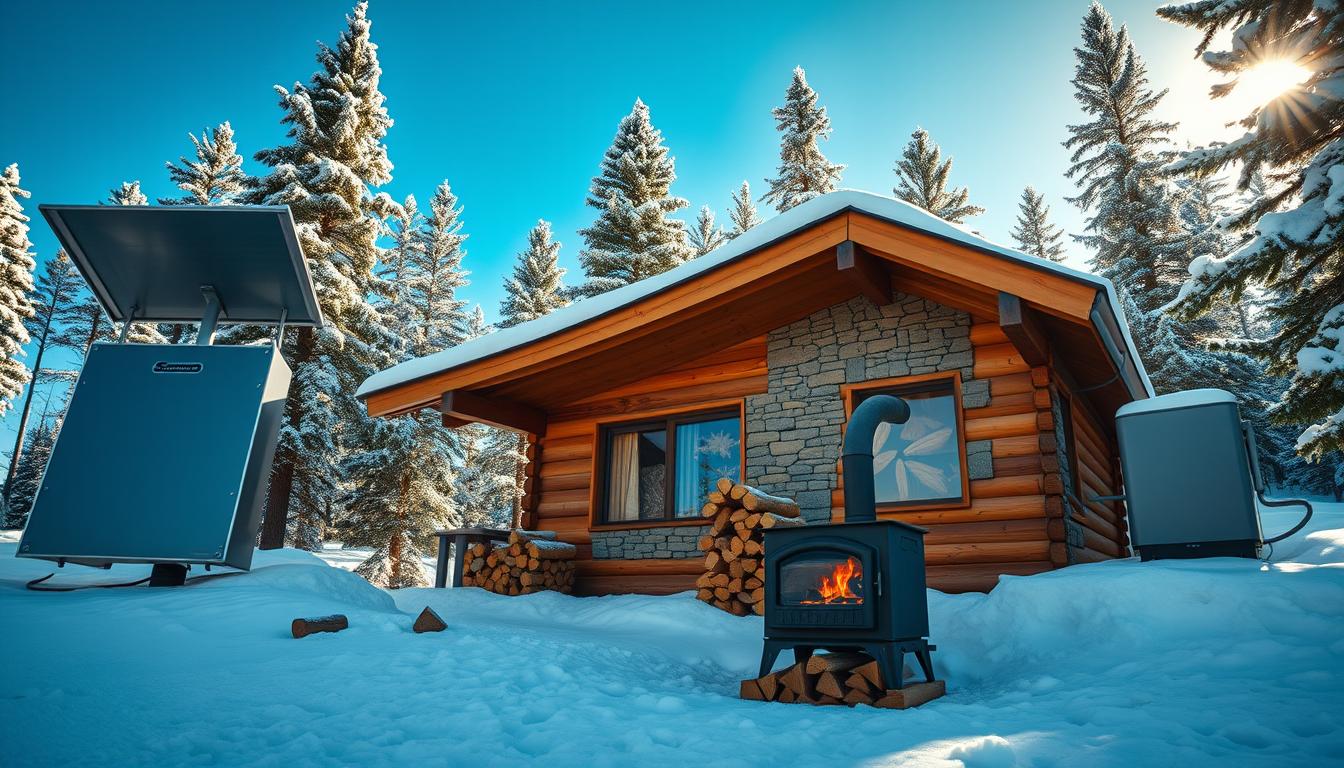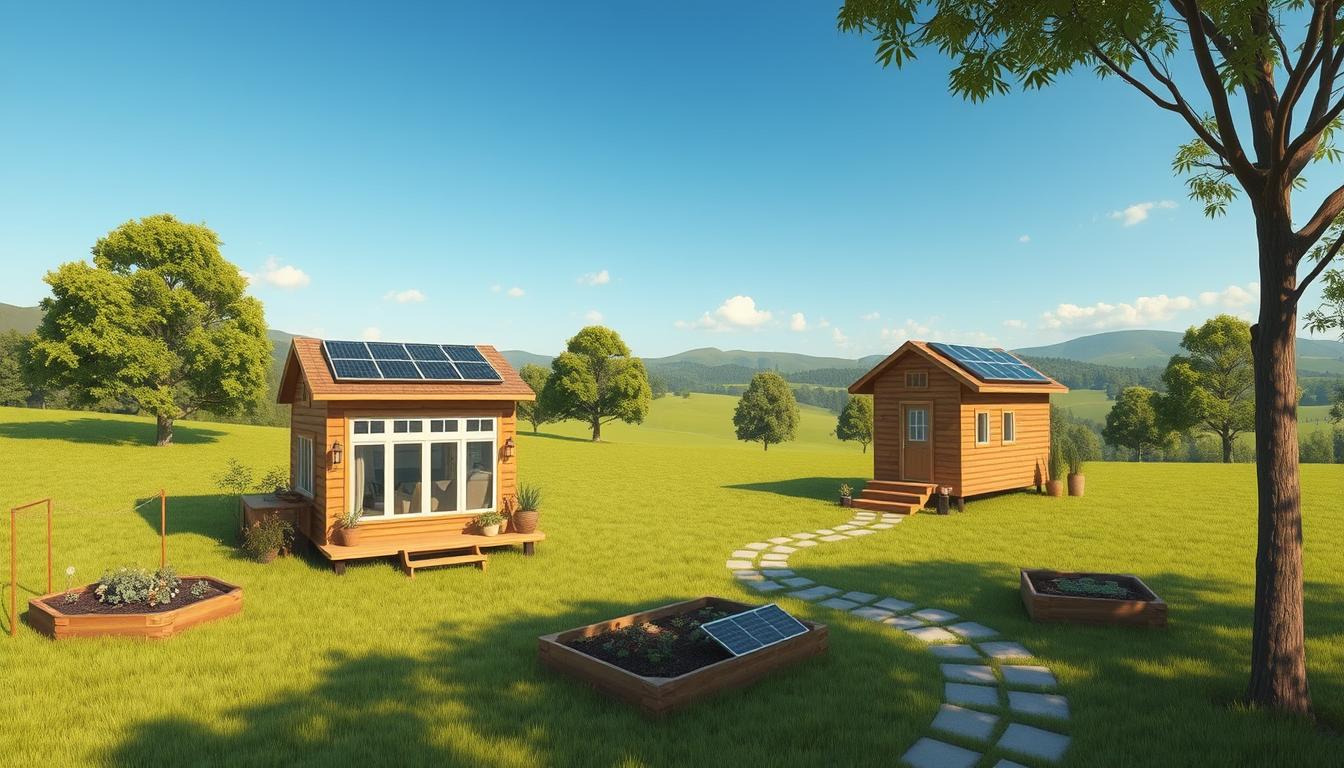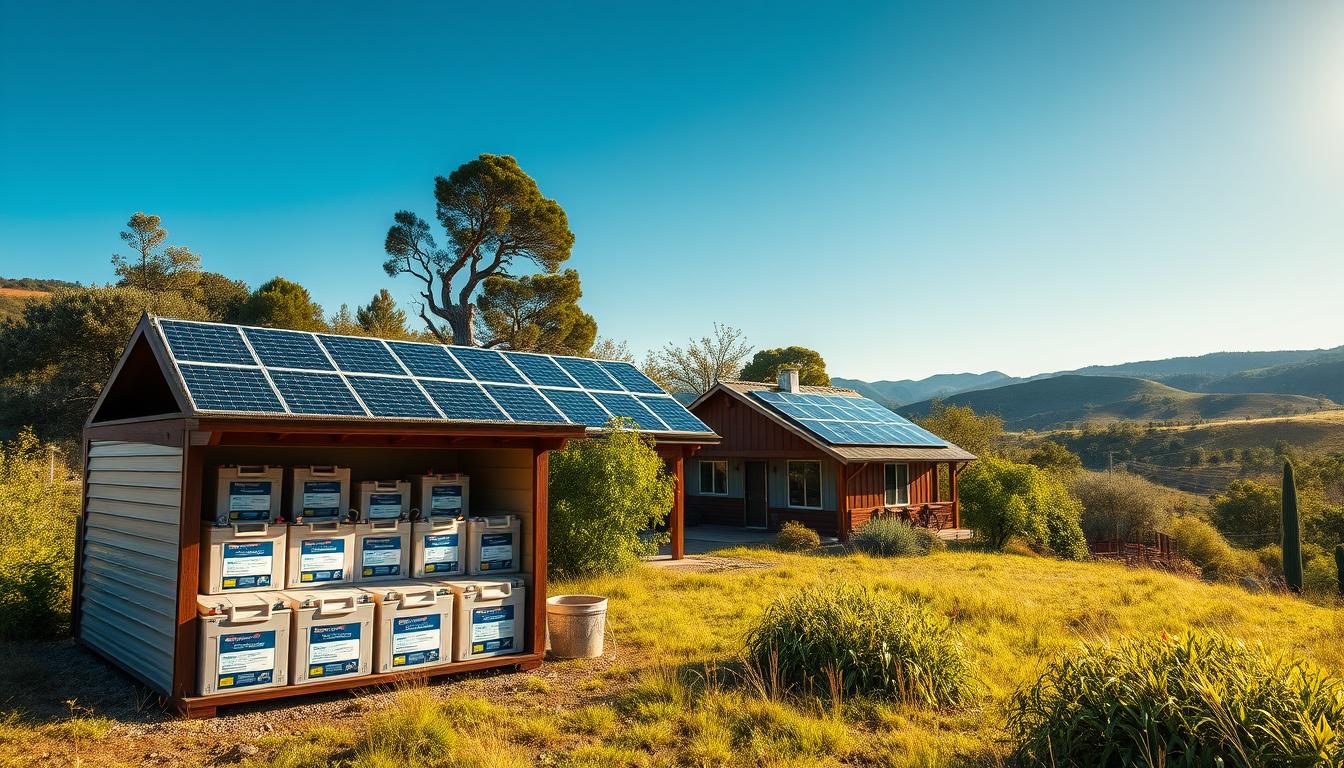
Living off the grid means you need a good energy storage system. The Briggs & Stratton website has many energy solutions. They include products like the PHI 3.8-M and SimpliPHI 6.6, which are great for storing energy at home.
Thank you for reading this post, don't forget to subscribe!Efficient energy storage is key for off-grid homes. It lets homeowners save energy made during the day. Then, they can use it at night or when energy is scarce.
The right home energy storage system makes off-grid power setups more efficient.
Key Takeaways
- Reliable energy storage is vital for off-grid homes.
- Briggs & Stratton offers many energy storage solutions.
- Efficient energy storage helps homes save energy.
- The right home energy storage system boosts efficiency.
- Off-grid power solutions need careful planning.
Understanding Off-Grid Power Systems
To be energy independent, you need to know about off-grid power systems. These systems let you make and save your own energy. This way, you don’t have to rely on the grid as much.
Components of a Complete Off-Grid System
An off-grid system has a few main parts. You need renewable energy sources like solar or wind. There’s also a charge controller to manage energy flow.
Then, there’s an inverter to change DC power to AC. And a battery system to save extra energy for later.
The Critical Role of Battery Storage
Battery storage is key in off-grid systems. It lets homeowners use energy saved during the day at night or when it’s not being made.
Recent data shows off-grid living depends a lot on battery storage. It stores electricity from solar and wind power. For more on energy storage, check out World Nuclear Association.
Energy Independence Considerations
When setting up an off-grid system, think about your energy goals. You want to meet your daily energy needs without the grid.
First, figure out how much energy you use. Then, pick the right battery type, like lithium-ion or lead-acid. Make sure your system fits your home’s needs.
Battery Storage Options for Off Grid Homes
Off-grid homes need reliable battery storage to keep power flowing. The right system is key for energy freedom and efficiency.
Lead-Acid Batteries
Lead-acid batteries are a common pick for off-grid energy. They come in two types: flooded and sealed.
Flooded Lead-Acid (Trojan, Crown)
Flooded lead-acid batteries need regular checks. They’re affordable but don’t last as long as others.
Sealed Lead-Acid: AGM and Gel (Fullriver, Universal Battery)
Sealed lead-acid batteries, like AGM and Gel, don’t need upkeep. They cost more but last longer.
Lithium-Ion Batteries
Lithium-ion batteries are gaining fans for off-grid use. They’re efficient and last a long time.
Lithium Iron Phosphate – LiFePO4 (Battle Born, RELiON)
Lithium Iron Phosphate batteries are safe and durable. They’re great for deep discharges and eco-friendly.
Lithium NMC (Tesla Powerwall, Enphase)
Lithium NMC batteries pack a lot of energy. They’re used in many off-grid and grid-tied systems for their performance.
Alternative Battery Technologies
There are other battery types for off-grid homes too.
Saltwater Batteries (Aquion Energy)
Saltwater batteries use saltwater and are safe and green. They’re a good option for off-grid energy.
Flow Batteries (Redflow)
Flow batteries store energy in liquid outside tanks. They’re good for long, steady power use.
Choosing the best battery for an off-grid home depends on cost, upkeep, lifespan, and energy needs. Each battery type has its own benefits and fits different needs.
Integrating Batteries with Renewable Energy Sources
To get the most out of renewable energy, we need to know how batteries work with solar, wind, and hydro systems. This mix is key for a steady power supply, mainly in places without a grid.
Solar PV System Integration
Solar PV systems make electricity during the day. This power is stored in batteries for use at night or when it’s cloudy. Efficient charge controllers help manage energy between panels, battery, and users.
Wind and Micro-Hydro Compatibility
Wind and micro-hydro turbines make electricity based on wind and water flow. Batteries keep this energy steady. It’s important for these systems to work well together.

Hybrid System Configurations
Hybrid systems mix solar and wind power for a better supply. Batteries are key, storing extra energy from any source.
Charge Controllers and Inverters
Charge controllers keep the battery from getting too full or too empty. Inverters turn DC power from batteries to AC for home use. For more info, check out academic databases.
Sizing and Cost Considerations
Finding the right battery size and knowing the costs are key for off-grid energy. The right size keeps your home powered when energy is low. Costs help plan a system that’s good for your wallet.
Calculating Daily Energy Requirements
To size your battery right, first figure out your daily energy needs. Look at how much power all your home’s devices use. Think about how many people live there, how efficient your appliances are, and how often you use them.
Determining Appropriate Battery Capacity
After figuring out your daily needs, find the right battery size. Remember, the depth of discharge (DOD) matters. For example, lithium-ion batteries can handle deeper discharges than lead-acid ones.
For more tips on picking the right battery size, check out RV lithium battery capacity planning. It’s useful for off-grid homes too.
Initial Investment vs. Lifetime Cost Analysis
The upfront cost of a battery system is high. But, think about the long-term costs too. Things like maintenance, replacement, and efficiency changes over time affect the total cost.
| Battery Type | Initial Cost | Lifetime Cost | Efficiency |
|---|---|---|---|
| Lead-Acid | $500-$1,000 | $1,500-$3,000 | 80-85% |
| Lithium-Ion | $1,000-$3,000 | $2,000-$4,000 | 90-95% |
Federal and State Incentives for Energy Storage
Many governments offer help with energy storage costs. Look for tax credits, rebates, and grants. Knowing what’s available can make your system cheaper.
By choosing the right battery size and thinking about costs, you can make a smart off-grid power system for your home.
Maintenance and Troubleshooting
Keeping your off-grid battery bank in top shape is vital. Regular checks and quick fixes can make your battery last longer. This ensures it works its best.
Regular Maintenance Procedures
Different batteries need different care. For example, flooded lead-acid batteries need electrolyte checks. Lithium-ion batteries need charge and cell balance checks. Make sure to inspect connections, ensure good air flow, and keep it clean.

Monitoring Battery Health
It’s important to watch your battery’s charge, voltage, and temperature. Advanced systems can give you detailed info. This helps you take care of your battery early.
Common Issues and Solutions
Problems like sulfation in lead-acid batteries and cell imbalance in lithium-ion batteries happen. Overheating is another issue. Knowing how to fix these can help keep your system running smoothly.
Extending Battery Lifespan
To make your battery last longer, avoid deep discharges and keep it cool. Also, update your battery management system often. Good care boosts your battery’s life and performance.
[link-whisper-related-posts]Conclusion
Choosing the right battery storage is key for off-grid homes. It ensures a steady and efficient energy supply. Different battery technologies offer various benefits and drawbacks.
Lithium iron phosphate (LFP) batteries are a top pick for off-grid living. They are efficient, last long, and are good for the environment. It’s important to think about your specific needs when picking a battery storage system.
Knowing what makes up a complete off-grid system is important. It includes batteries and renewable energy sources. Making sure the system is the right size is also critical.
Regular checks and monitoring of battery health are essential. They help keep the system running well for a long time.
In short, off-grid battery storage is vital for a reliable power system. Making a smart choice helps homeowners have a sustainable energy solution.
FAQ
What are the best battery storage options for off-grid homes?
For off-grid homes, the top choices are lead-acid, lithium-ion, and LFP batteries. LFP batteries are known for their safety and long life.
How do I determine the right size of the battery storage system for my off-grid home?
First, figure out how much energy you use each day. Think about your energy habits, your renewable energy system size, and how independent you want to be.
What is the difference between lead-acid and lithium-ion batteries for off-grid energy storage?
Lead-acid batteries are cheaper but less efficient. Lithium-ion batteries are more efficient and last longer, making them a top pick for off-grid homes.
Can I integrate batteries with different renewable energy sources, such as solar and wind power?
Yes, you can use batteries with solar, wind, and micro-hydro power. This creates a reliable and efficient way to store energy.
What are the key considerations for maintaining and troubleshooting my off-grid battery storage system?
Keep your system in good shape with regular checks. Watch your battery’s health and fix problems quickly to make it last longer.
Are there any incentives available for installing energy storage systems for off-grid homes?
Yes, there are federal and state incentives. They can help lower the cost and save money in the long run.
How do I choose the right charge controller and inverter for my off-grid energy storage system?
Pick the right charge controller and inverter based on your system size and battery type. A pro can help ensure they work well together.
What are the benefits of using LFP batteries for off-grid energy storage?
LFP batteries are safe, stable, and last a long time. They’re a reliable and efficient choice for storing energy off-grid.

Subscribe to Our Newsletter