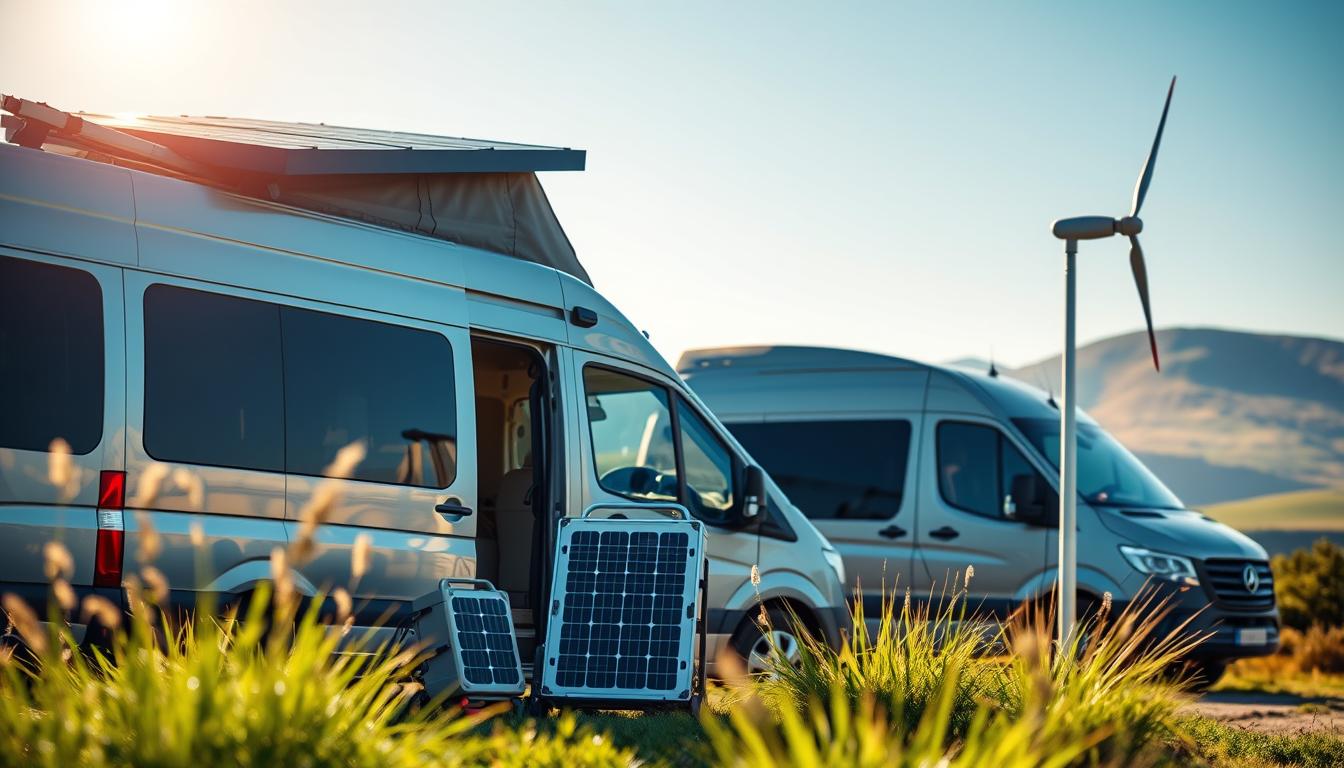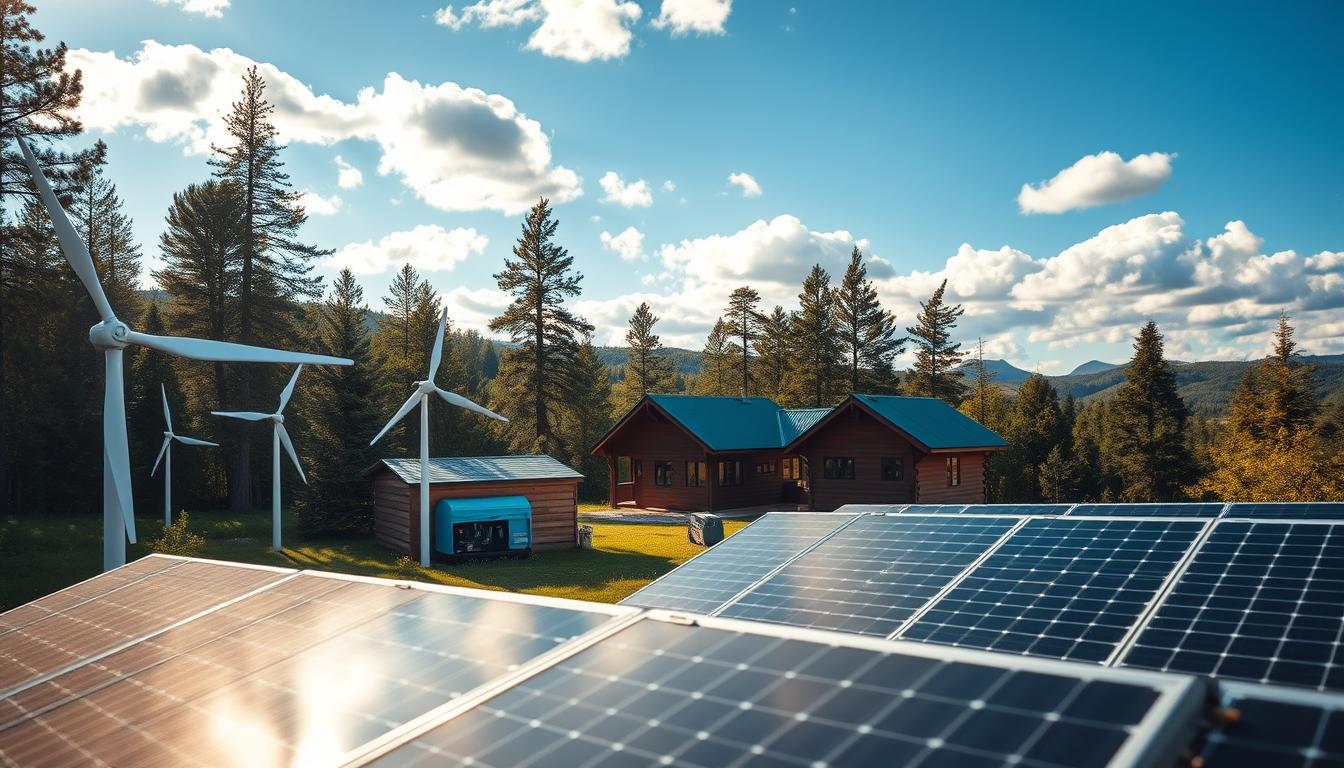
The world is moving towards off-grid living. This means we need strong off grid power solutions. Having an off-grid electrical system is a big step. It helps us save money on electricity and is better for the planet.
Thank you for reading this post, don't forget to subscribe!Off-grid homes need good backup systems to keep power going. A strong backup system keeps homes comfy and working well. This is key when energy is low.
If you want a reliable backup system, residential backup packages are a good choice. They offer energy storage that fits your needs and budget.
Key Takeaways
- Reliable off-grid power solutions are key for energy freedom.
- Backup systems keep power on when energy is low.
- There are energy storage options for all budgets.
- A good backup system keeps homes comfy and working.
- Getting a residential backup package boosts energy reliability.
The Critical Nature of Redundancy in Off-Grid Living
Redundancy is key for a stable off-grid lifestyle. The difference between comfort and crisis is thin. Off-grid homes face more disruptions in essential services because they’re not connected to public utilities.
Unique Vulnerabilities of Self-Sufficient Homesteads
Self-sufficient homesteads have unique challenges. They face exposure to environmental factors and the limitations of renewable energy sources. For example, solar panels may not work during bad weather. This shows the need for reliable off-grid backup systems.
The True Cost of System Failures
System failures in off-grid homes cost more than in grid-connected homes. This is because off-grid homes lack backup infrastructure. A study on off-grid renewable energy systems shows the importance of emergency power sources.
Assessing Your Off-Grid Backup Requirements
To figure out your off-grid backup needs, look at your energy use, your main power systems, and location risks. Diesel generators are common but have downsides. Knowing these factors helps choose the right backup solutions for you.
Backup Systems Every Off Grid Home Needs
Off-grid homes need backup systems. They are not just a precaution. They are a must for managing energy well.
Tiered Approach to Power Redundancy
A tiered approach to power is key for off-grid homes. It provides backup power in layers. This way, there’s always a backup when needed.
Primary Systems
Primary systems are the main power source. They can be solar or wind power. They meet the daily energy needs of the home.
Secondary Systems
Secondary systems are the backup for the primary. They kick in when energy production is low or demand is high. Examples include battery banks and backup generators.
Emergency Fallbacks
Emergency fallbacks provide power during long outages. They are needed when both primary and secondary systems fail. Portable generators or extra battery storage are examples.

Automatic vs. Manual Switching Solutions
Choosing between automatic and manual switching depends on the homeowner. Automatic switching makes transitions smooth, reducing downtime. For example, Goal Zero Haven Home Backup Systems switch to backup power quickly.
Manual switching needs human help but can save money. Homeowners should think about their needs and how much automation they want.
For more on backup power systems, check out recent energy storage tech.
Monitoring and Alert Systems
Monitoring and alert systems are key for off-grid power systems. They give real-time data on energy use and system health. This helps homeowners act fast when issues arise.
Smart energy management controllers, like the FranklinWH aGate, improve power flow. They make systems more efficient.
Maintenance Schedules for Reliable Operation
Regular maintenance is essential for off-grid backup systems. Homeowners should have a schedule for checks, updates, and repairs.
Proactive maintenance reduces downtime and extends system life. This ensures power is always available.
Battery and Energy Storage Solutions
For homes not connected to the grid, strong battery backup systems are key. They keep power flowing when there’s no grid or when energy is low.
Lead-Acid vs. Lithium Battery Banks
Choosing a battery bank for your off-grid home comes down to lead-acid or lithium batteries. Each has its own pros and cons.
Capacity Requirements
The size of a battery bank is measured in kilowatt-hours (kWh). For example, the FranklinWH aPower 2 has 15 kWh capacity. This is enough to power a whole home. Your needs will decide how big your battery bank should be.
Lifespan Considerations
Lithium batteries last longer than lead-acid ones. They can go up to 10 years or more, depending on how they’re used and cared for.
Temperature Management
Temperature impacts how well batteries work. Lithium batteries handle extreme temperatures better. But, both types need some way to manage temperature to work and last better.
| Battery Type | Capacity | Lifespan | Temperature Tolerance |
|---|---|---|---|
| Lead-Acid | Moderate | 3-7 years | Limited |
| Lithium | High | 10+ years | High |
Expanding Storage Capacity for Extended Outages
To handle longer outages, think about increasing your storage. Modular systems, like the FranklinWH aPower 2, make it easy to add more. You can also look into home energy storage kits for more options.
Alternative Energy Storage Methods
There are other ways to store energy too, like hydrogen fuel cells. These new methods are becoming good choices for storing energy off-grid.
Generator and Alternative Power Sources
Generators and other power sources are key for a strong off-grid system. They keep important systems running when power goes out.
Propane, Diesel, and Gasoline Generators
Generators that run on propane, diesel, and gasoline are common. They vary in how well they use fuel, how loud they are, and how much upkeep they need.
Fuel Efficiency Comparisons
Diesel generators use fuel more efficiently than gasoline ones. Propane generators are a cleaner choice, though less common.
Noise and Maintenance Factors
How loud a generator is and how much upkeep it needs matter a lot. Diesel generators are usually louder and need more care than propane or gasoline ones.
Automatic Start Systems
Automatic start systems make generators more reliable. They start up automatically when power goes out, without needing someone to start them.

Micro-Hydro and Wind Turbine Backups
Micro-hydro and wind turbine backups are green options for off-grid power. They use nature to make electricity.
Micro-hydro works well where there’s always water flowing. Wind turbines need wind to make electricity.
Fuel Storage and Rotation Strategies
Storing and rotating fuel is important for keeping generators ready. The right storage and regular fuel rotation keep fuel good to use.
Having a fuel rotation plan stops fuel from getting bad. This makes sure generators work when you need them to.
[link-whisper-related-posts]Conclusion
Off-grid solar electrical systems are a great choice for those wanting 100% energy freedom. They use high-efficiency solar panels, strong battery storage, and smart energy management. This mix is key to a reliable off-grid power system.
Backup systems are very important for off-grid homes. They make sure power keeps flowing even when there’s a cut-off or when energy is low. A good plan for energy storage and backup is needed for real energy freedom.
Adding Backup Systems Every Off Grid Home Needs makes energy use smooth and efficient. This includes different levels of power backup, automatic switches, and monitoring systems. These help keep the power running smoothly.
In short, a well-thought-out backup system is vital for off-grid energy freedom. Knowing how important backup systems are and using the right ones helps homeowners get a reliable and affordable energy supply.
FAQ
What are the most critical backup systems for off-grid homes?
Off-grid homes need a mix of backup systems. This includes battery banks, generators, and other power sources like micro-hydro and wind turbines. They ensure a steady energy supply.
How do I assess my off-grid backup requirements?
To figure out your backup needs, think about your energy use. Also, consider your solar array size and energy storage system capacity. Don’t forget to think about power outages and their impact.
What is the difference between lead-acid and lithium battery banks?
Lead-acid batteries are cheaper but last less long and can’t handle as much use as lithium batteries. Lithium batteries cost more but last longer and work better.
How can I expand my energy storage capacity for extended outages?
To increase your energy storage, add more batteries to your bank. Use a battery management system to get the most out of them. You can also try hydrogen fuel cells as an alternative.
What are the benefits of automatic switching solutions for backup power?
Automatic switching solutions make switching between power sources smooth. This cuts down on downtime and protects your equipment from power issues.
How do I choose the right generator for my off-grid home?
Look at the generator’s fuel efficiency, noise, and upkeep needs. Also, think about its size and type to meet your energy needs.
What are the advantages of micro-hydro and wind turbine backups?
Micro-hydro and wind turbine backups use renewable energy. They can work with or replace traditional generators. This makes them a green and possibly cheaper option.
How can I ensure reliable operation of my backup systems?
Keep your backup systems running well with regular maintenance. Also, use monitoring and alert systems to spot and fix problems fast.
What is the importance of monitoring and alert systems for off-grid homes?
Monitoring and alert systems let you see how your energy is being used in real-time. They send alerts for any issues. This helps you stay independent of the grid.
How do I manage fuel storage and rotation for my generator?
Store fuel in a safe, well-ventilated spot. Check the fuel’s quality often. Rotate the fuel to keep it fresh and prevent it from going bad.

Subscribe to Our Newsletter